

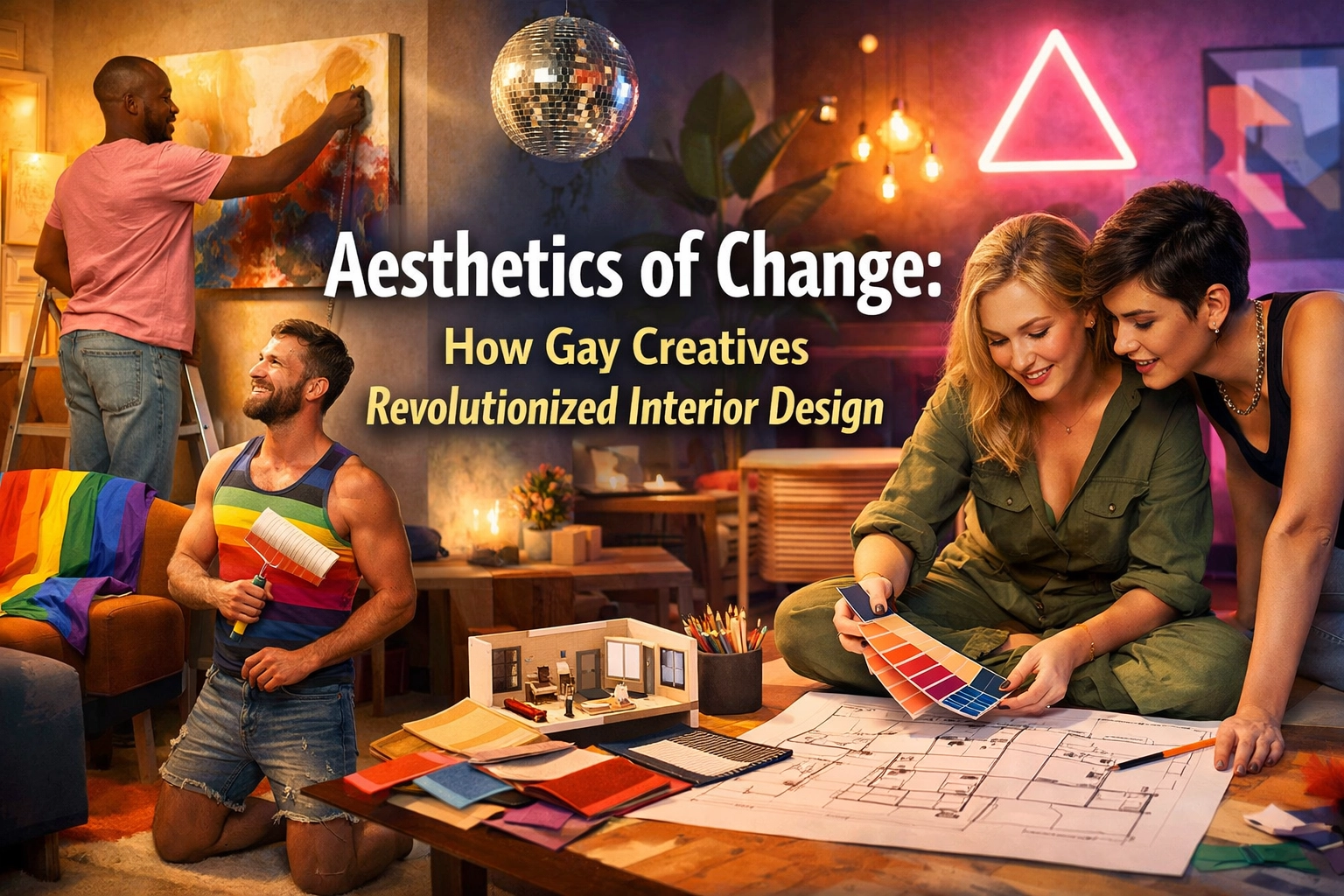
Look around your living room right now. That carefully curated color palette? The way natural light filters through those linen curtains? The deliberate mix of vintage and modern pieces? Yeah, there's a pretty good chance a gay designer somewhere along the line influenced those aesthetic choices, even if you don't realize it.
Here's the thing most people don't know: gay creatives didn't just participate in interior design. They literally invented it as a profession. And then they spent the next century defining what good taste even means.
The Woman Who Started It All
Let's rewind to 1859. A woman named Elsie de Wolfe was born into a world where "interior decorator" wasn't even a job title yet. She started as an actress, moved into set design, and then had what can only be described as a revolutionary thought: What if people paid me to make their homes look as intentional and beautiful as a stage set?
Spoiler alert: they did. Big time.
De Wolfe built a client list that reads like a who's who of early 20th-century power: Henry Clay Frick, the Vanderbilts, Cole Porter, George Bernard Shaw. She didn't just decorate rooms, she created an entire profession from scratch. Before her, you either had architects or you had taste (maybe). After her, there was a whole industry dedicated to transforming domestic spaces into works of art.
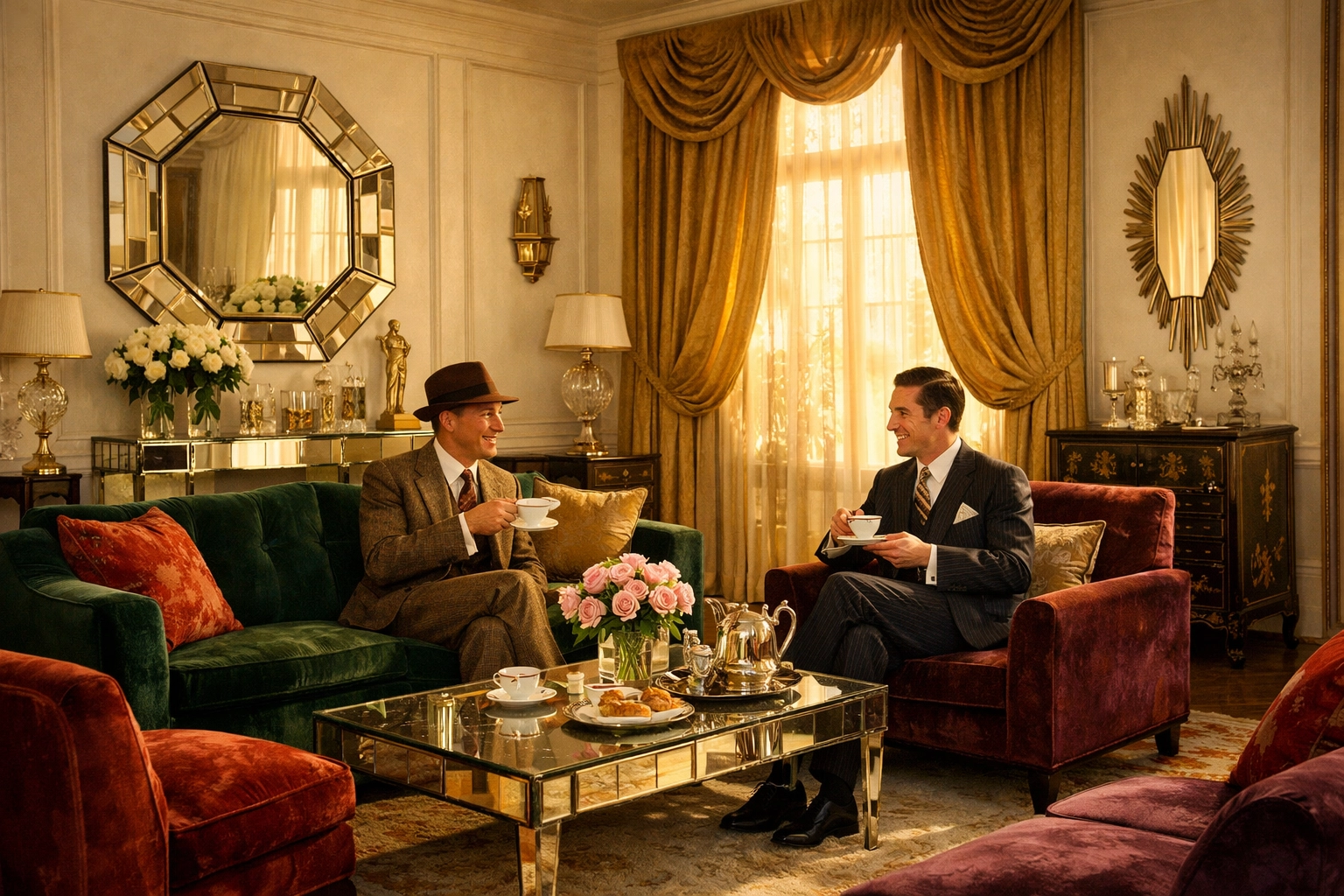
And here's the kicker: Elsie was openly queer at a time when that took serious courage. Her long-term relationship with theatrical agent Elisabeth Marbury was one of those "everyone knew but nobody said" situations that characterized so much of early LGBTQ+ history. Together, they hosted salons that became the epicenter of New York's cultural scene. They weren't just decorating homes, they were reshaping how people thought about domestic space, beauty, and what a fulfilling life could look like.
The Quiet Revolution of Modernism
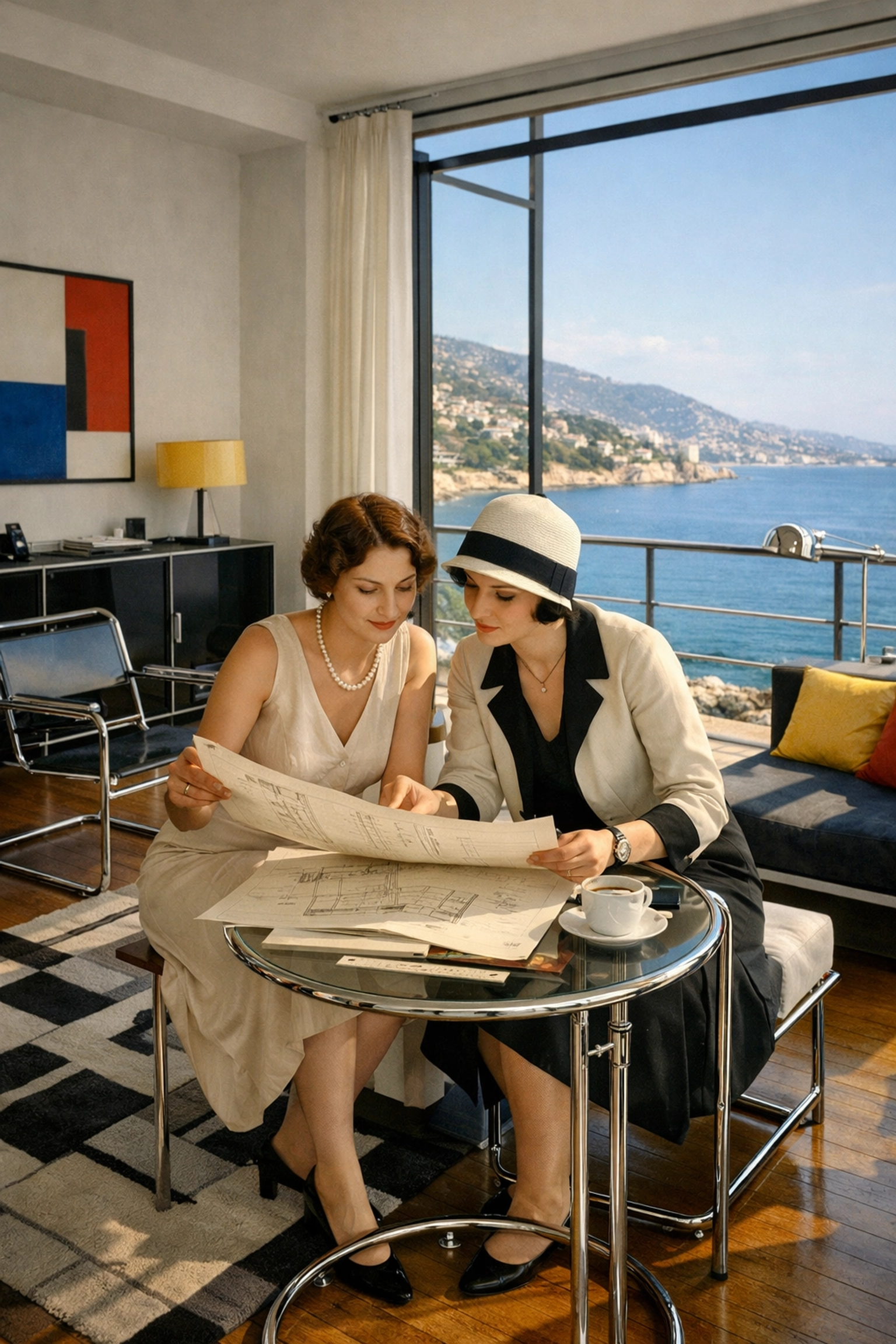
Fast forward a few decades, and another queer woman was making waves in design. Eileen Gray, a self-taught architect and designer, created work so ahead of its time that people are still copying it today. That sleek, adjustable side table you've seen in every mid-century modern Instagram post? She designed the E 1027 table in the 1920s. The modernist principles she pioneered, clean lines, functional beauty, spaces that breathe, became the blueprint for contemporary design.
Gray didn't just design furniture; she designed an entire modernist vacation home on the French Riviera that became legendary in architectural circles. Her work proved that design could be both radically innovative and deeply personal, both functional and beautiful.
What's fascinating is how these early pioneers set a pattern that would repeat throughout the 20th century: LGBTQ+ designers using aesthetics to quietly reshape cultural ideas about home, family, and belonging. Oxford professor Matthew Cook has documented how the queer community fundamentally influenced what domesticity meant in modern England, and by extension, the Western world.
Why Gay Designers Became the Gold Standard
Okay, let's address the elephant in the beautifully appointed room: the stereotype. "The best designers are gay men." We've all heard it. But here's what's interesting: that stereotype exists because gay creatives really did set the industry standards for what constitutes excellent design.
But why? What was it about queer perspectives that translated so powerfully into visual aesthetics?
Some historians point to the necessity of developing a refined visual language when verbal expression was dangerous. When you can't openly talk about who you are or who you love, you learn to communicate through other means: clothing, décor, art. You develop an acute sensitivity to subtext, to visual cues, to creating spaces that feel like home even when the world outside doesn't always welcome you.
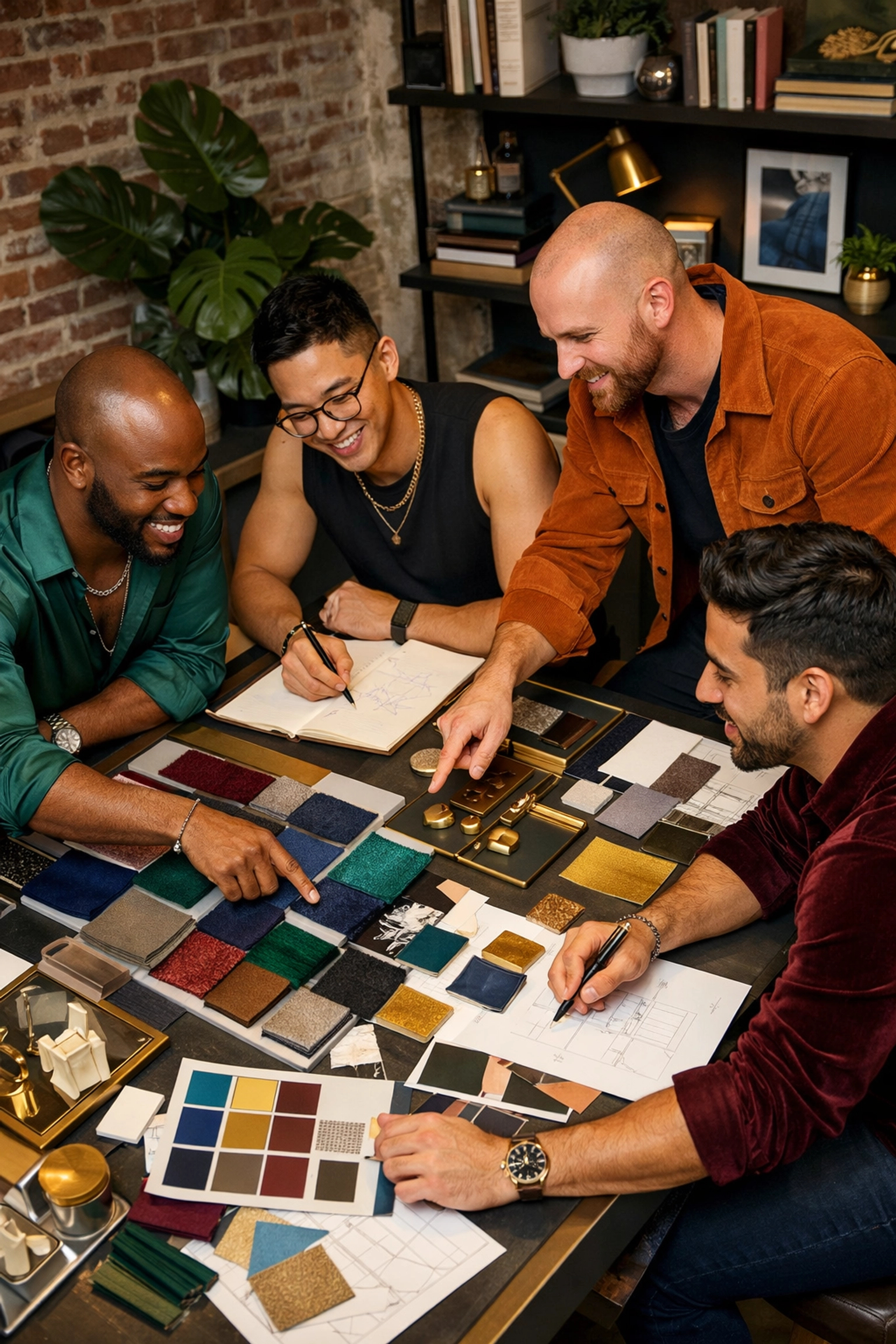
Others note that being outside mainstream culture often gives you a clearer view of it. When you're not automatically bought into conventional ideas about how things "should" look, you're freer to question them, to innovate, to see possibilities that others miss.
And there's this: creating beautiful spaces becomes an act of world-making when the existing world doesn't quite fit you. Interior design, for many LGBTQ+ creatives, was never just about aesthetics: it was about crafting environments where they could fully exist, where beauty and authenticity weren't in conflict.
Design as Activism
Contemporary gay designers have inherited this legacy and are running with it. They're not just creating beautiful spaces: they're deliberately using design as a tool for social change.
Modern designers emphasize how aesthetics literally shape perception. When people encounter beautiful things, they see the world through a more beautiful lens. That's not just poetry: it's practical activism. A thoughtfully designed LGBTQ+ community center doesn't just house programs; it makes a statement about the value and dignity of the people who use it.
Today's queer designers are creating spaces for marginalized communities while refusing to compromise their authenticity in professional settings. They're proving that you don't have to tone yourself down to be taken seriously: in fact, bringing your whole self to your work is often what makes it revolutionary.
The Through Line to Storytelling
You know what's wild? This same pattern shows up in LGBTQ+ literature and MM romance. Just like gay designers had to create new vocabularies for beauty and belonging, queer authors have been crafting stories that reimagine what love, family, and home can look like.
When you pick up gay romance books from Read with Pride, you're engaging with that same creative tradition: artists using their medium to build worlds where queer love isn't just accepted but celebrated, where the emotional architecture of relationships gets the attention and care that gay designers bring to physical spaces.

The best MM romance novels do what the best interior design does: they create environments where you can fully inhabit yourself. They show you possibilities you might not have imagined. They prove that beauty and authenticity aren't opposites: they're partners.
The Legacy Continues
Today's design world is increasingly open about this history. Museums are mounting exhibitions about LGBTQ+ contributions to design. Design schools are teaching about these pioneers. The industry is slowly acknowledging what was always true: that queer creatives weren't just participants in design history: they were often the ones writing it.
And that legacy keeps evolving. Young queer designers are bringing new perspectives, challenging assumptions their predecessors made, pushing boundaries even further. They're proving that the revolution isn't over: it's ongoing, constantly reimagining what's possible.
Your Space, Your Story
Here's the thing: whether you realize it or not, the way you think about your living space has been shaped by over a century of gay creative vision. That idea that your home should reflect your authentic self? That aesthetics matter? That beauty and functionality can coexist? That domestic space can be both comfortable and innovative?
Thank a queer designer.
And if you're looking for stories that celebrate that same creative courage, that same insistence on beauty and authenticity, check out the LGBTQ+ fiction available at Read with Pride. Because the same spirit that revolutionized interior design lives on in every gay love story that dares to imagine a world where everyone belongs.
Want more stories about LGBTQ+ creativity and culture? Follow us on Facebook, Instagram, and X for your daily dose of queer inspiration.
#ReadWithPride #LGBTQHistory #GayDesigners #InteriorDesign #QueerCreatives #MMRomance #GayRomanceBooks #LGBTQFiction #QueerHistory #DesignHistory #GayLiterature #PrideReading #LGBTQBooks #GayFiction #QueerArt #AuthenticDesign #MMRomanceBooks #GayNovels #LGBTQCulture #ReadwithPride

Leave a Reply
You must be logged in to post a comment.