

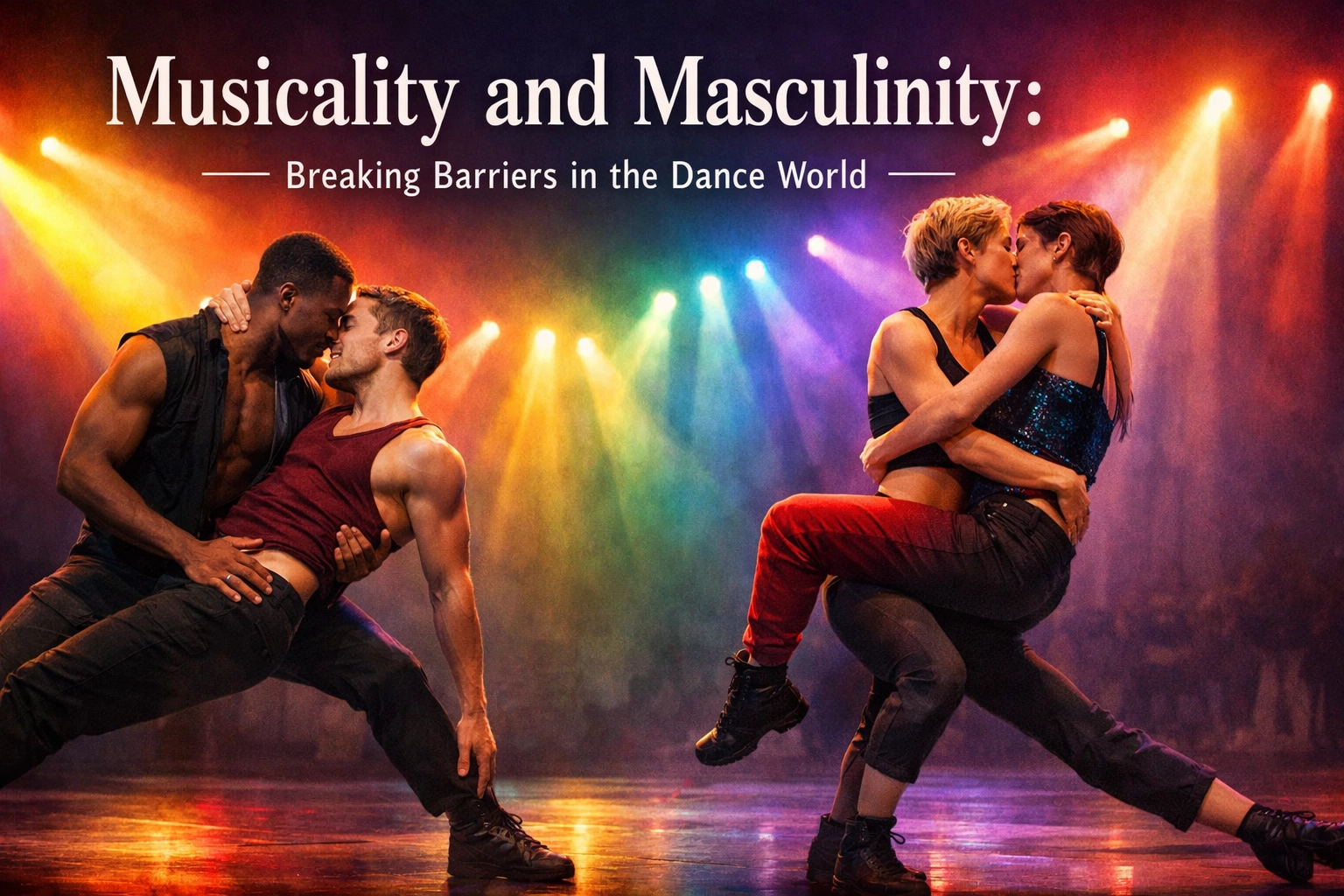
There's something radical about a man moving his hips to music. In a world that's spent centuries defining masculinity by what men don't do, don't show emotion, don't be vulnerable, don't be too graceful, dance becomes an act of defiance. And when that dancer is gay? The performance takes on a whole new dimension of boundary-breaking, stereotype-shattering power.
Gay dancers have always been at the forefront of challenging what masculinity looks like on stage. From the ballet studios of New York to the voguing balls of Harlem, from contemporary dance companies to hip-hop crews, LGBTQ+ performers are rewriting the rules about who gets to move, how they get to move, and what that movement means.
The Weight of the Stigma
Let's be real: dance has been culturally coded as "feminine" for way too long. Men who dance, especially those who pursue it professionally, face prejudice that stems from deeply ingrained gender stereotypes. In mainstream culture, a man dancing is still seen through a lens of suspicion. Is he "too soft"? "Too graceful"? The unspoken question always lurking: is he gay?
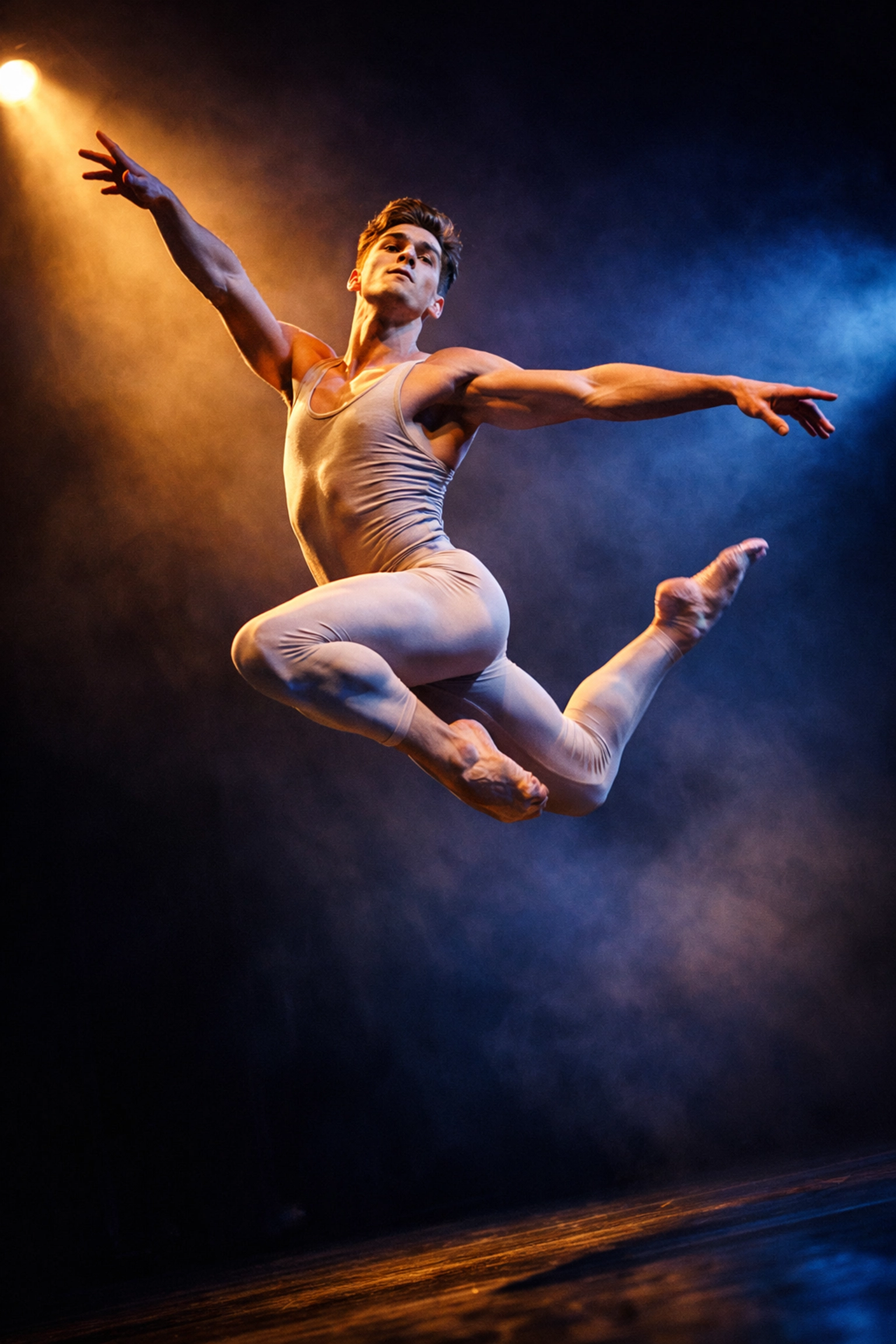
And here's the thing, sometimes the answer is yes, and that shouldn't matter one bit.
The stigma runs deep. Traditional gender norms have historically limited men's participation in dance, relegating them to being the "frame" for female dancers: the sturdy, stoic support rather than the expressive artist. This archaic view reduces male dancers to mere props, denying them the full range of emotional and physical expression that makes dance such a powerful art form.
For gay men, this stigma is compounded. Not only do they face the assumption that male dancers must be gay (a stereotype that hurts both gay and straight dancers), but they also navigate an industry that has often asked them to hide or downplay their sexuality to appear more "traditionally masculine."
Redefining Masculinity, One Pirouette at a Time
But here's where it gets interesting: gay dancers aren't just enduring these stereotypes: they're actively dismantling them.
Through their artistry, gay dancers are demonstrating that you can be a great dancer and be masculine. But more importantly, they're challenging what "masculine" even means. Why should masculinity be defined by rigidity, emotional suppression, and limited movement vocabulary? What if masculinity could include grace, vulnerability, and expressive hip movements?
Gay dancers portray a powerful representation of force: not the fake, hyper-masculinized image that toxic masculinity demands, but an authentic equilibrium of qualities. They're showing audiences that strength and softness aren't opposites; they're complementary forces that create something extraordinary when combined.
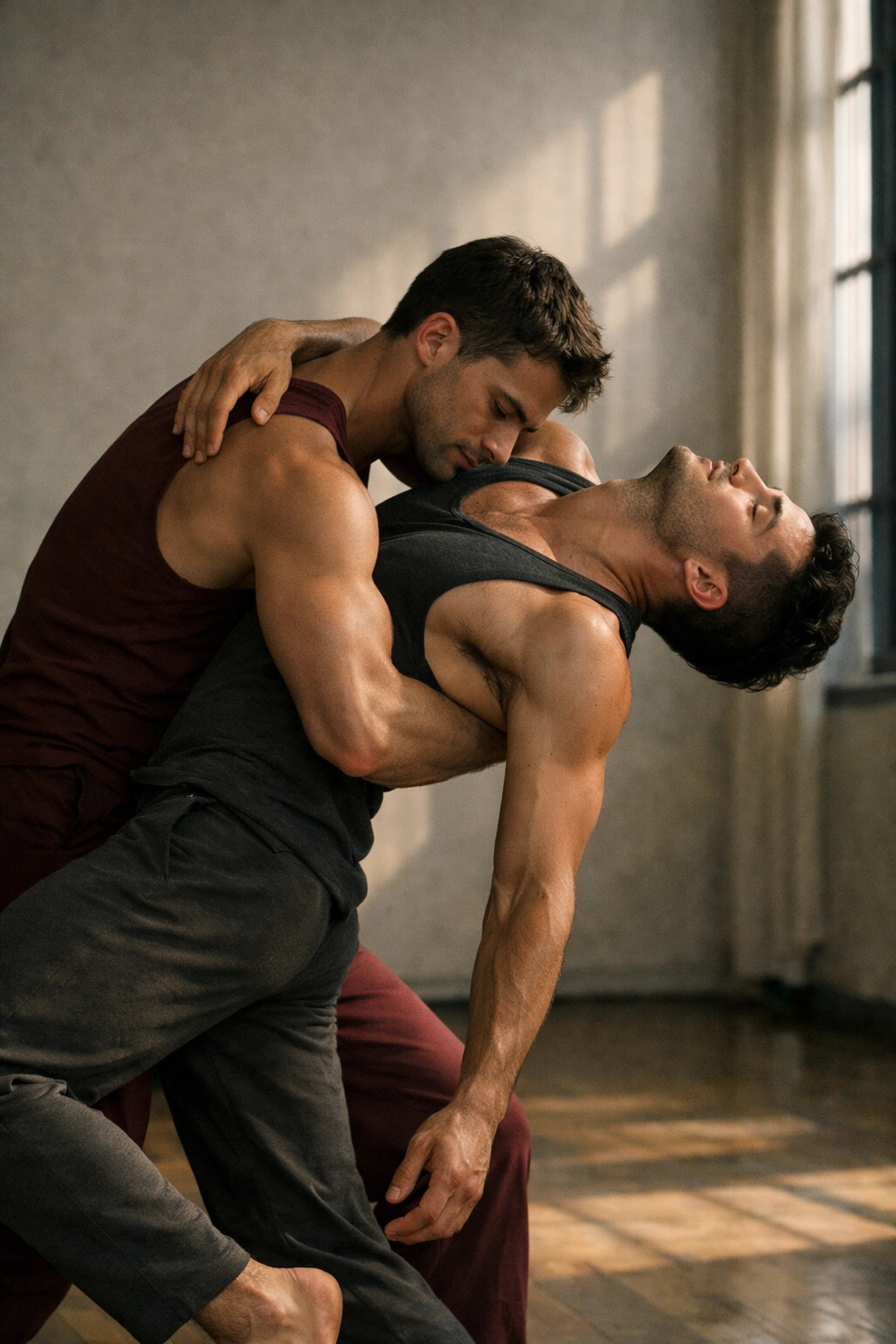
In ballroom dance, for instance, the partnership between leader and follower requires connection, trust, and communication: qualities that transcend gender. Male dancers' willingness to explore emotional vulnerability on stage, to move their bodies in ways that might be coded as "feminine," to express tenderness and sensuality: this is revolutionary work.
The Artistry of Authenticity
What makes gay dancers' contributions so significant isn't just technical skill (though many are absolute virtuosos). It's the authenticity they bring to performance. When you've spent your life navigating a world that tells you parts of yourself are wrong, that your natural expressions are too much or not enough, stepping onto a stage and owning every movement becomes an act of courage.
Gay dancers often bring a level of emotional honesty to their work that's breathtaking. They're not performing a version of masculinity: they're embodying their truth. Whether that's fierce and powerful, delicate and lyrical, or somewhere in between changes from dancer to dancer, piece to piece, moment to moment.
This authenticity resonates with audiences in profound ways. When someone watching sees a dancer fully inhabiting their body, expressing themselves without apology, it gives permission for others to do the same. It's why representation matters so deeply: not just for aspiring gay dancers, but for everyone questioning the boxes society tries to put them in.
At Read with Pride, we celebrate these stories of breaking barriers and living authentically. Just as our collection of MM romance books and gay literature explores the full spectrum of LGBTQ+ experiences, the dance world is expanding its own narrative about who gets to take up space and how they get to move through it.
Community, Role Models, and Progress
Progress doesn't happen in a vacuum. It happens when communities come together to support each other, when role models step forward, when institutions make space for diverse voices.
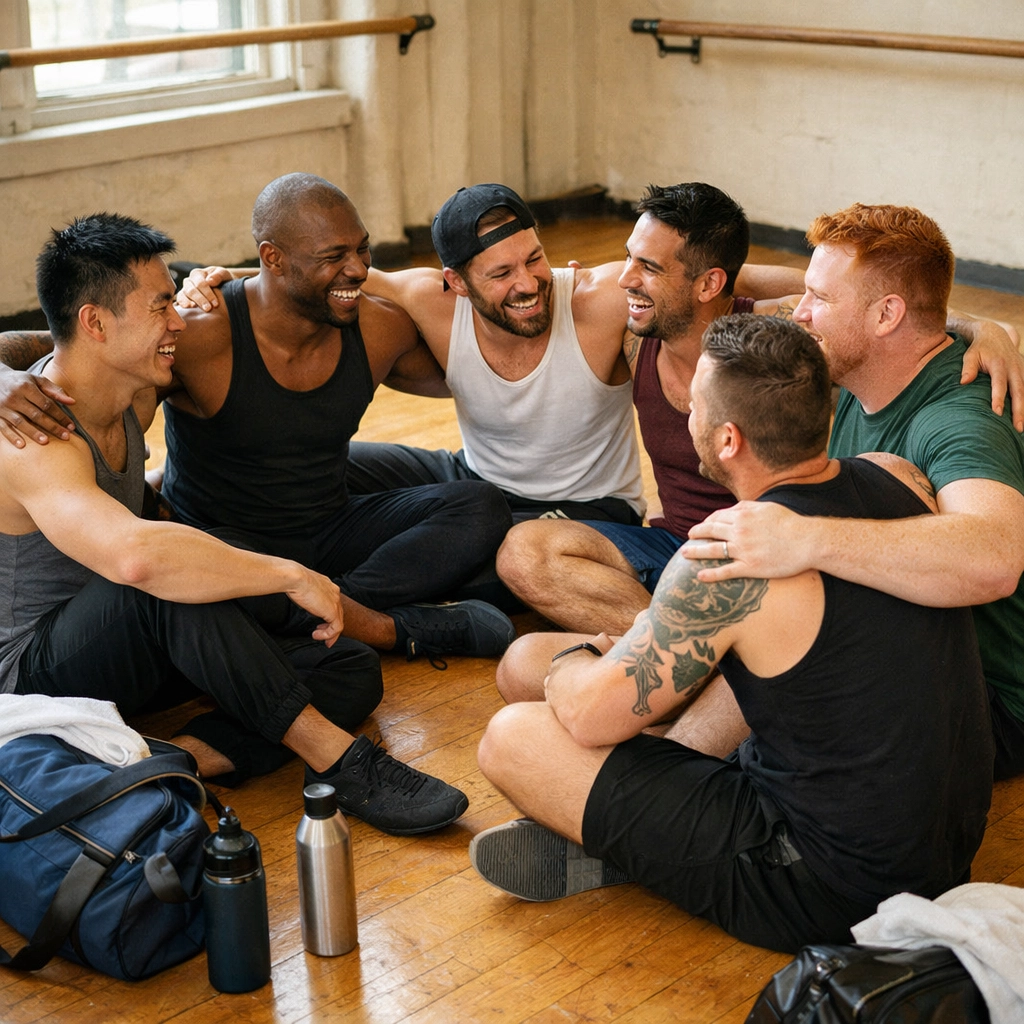
Dance studios and companies that actively encourage male participation through inclusive classes and competitions are doing crucial work. Programs like "Men Who Dance" festivals specifically explore gender roles and deconstruct stereotypes, creating spaces where male dancers: gay, straight, bi, trans, and everyone in between: can connect, learn, and challenge assumptions together.
Male dance teachers, particularly those who are openly gay, serve as powerful role models. Their presence normalizes male participation in dance and proves that there's no one way to be a man, a dancer, or a gay man. They embody the possibility that many young dancers desperately need to see.
The visibility of gay dancers in professional companies, on competition stages, and in commercial work matters tremendously. Every time a gay choreographer wins a major award, every time a same-sex partnership performs on a mainstream stage, every time a dancer speaks openly about their identity: it chips away at the stigma and opens doors for the next generation.
Beyond the Studio Walls
The impact of gay dancers breaking barriers extends far beyond the dance world itself. It contributes to larger conversations about masculinity, gender expression, and what it means to live authentically.
When straight men see gay dancers owning their space with confidence and skill, it challenges their own assumptions about masculinity. When young people questioning their identity see successful, proud gay dancers, it offers hope and possibility. When audiences witness performances that blend traditionally masculine and feminine movement qualities seamlessly, it expands everyone's understanding of human expression.
This is the power of art: it doesn't just reflect culture, it shapes it. Gay dancers aren't waiting for permission to exist fully in their art form. They're claiming their space, telling their stories, and in the process, making the dance world: and the world at large: a more expansive, expressive place for everyone.
The Dance Continues
The work isn't finished. Stigma still exists. Stereotypes persist. Young gay dancers still face bullying, discrimination, and pressure to conform. But the momentum is undeniable.
Every plié, every leap, every hip roll that refuses to apologize for its existence is a small revolution. Gay dancers are proving that musicality and masculinity aren't opposing forces: they're partners in an ongoing collaboration that's redefining what's possible.
So next time you watch dance: whether it's ballet, contemporary, ballroom, hip-hop, or any other style: pay attention to who's moving and how. Notice the moments when performers break free from traditional constraints. Appreciate the courage it takes to be fully yourself in a world that often demands conformity.
And if you're a dancer yourself, or someone who's ever felt confined by narrow definitions of who you should be or how you should move, take inspiration from the gay dancers who've insisted that there's room for all of us: exactly as we are.
Looking for more stories of LGBTQ+ individuals breaking barriers and living authentically? Check out our curated collection of gay romance novels and LGBTQ+ ebooks at readwithpride.com, where every story celebrates love, courage, and the beauty of being yourself.
Follow us for more inspiring content:
- Facebook: Read with Pride
- Instagram: @read.withpride
- X/Twitter: @Read_With_Pride
#ReadWithPride #GayDancers #LGBTQArts #MMRomance #QueerFiction #GayLiterature #LGBTQCommunity #GayRomanceBooks #BreakingBarriers #GayBooks #MasculinityRedefined #DanceWorld #QueerVisibility #GayFiction #LGBTQRepresentation #MMRomanceBooks #AuthenticLiving #GayLoveStories #QueerArt #2026Pride

Leave a Reply
You must be logged in to post a comment.