

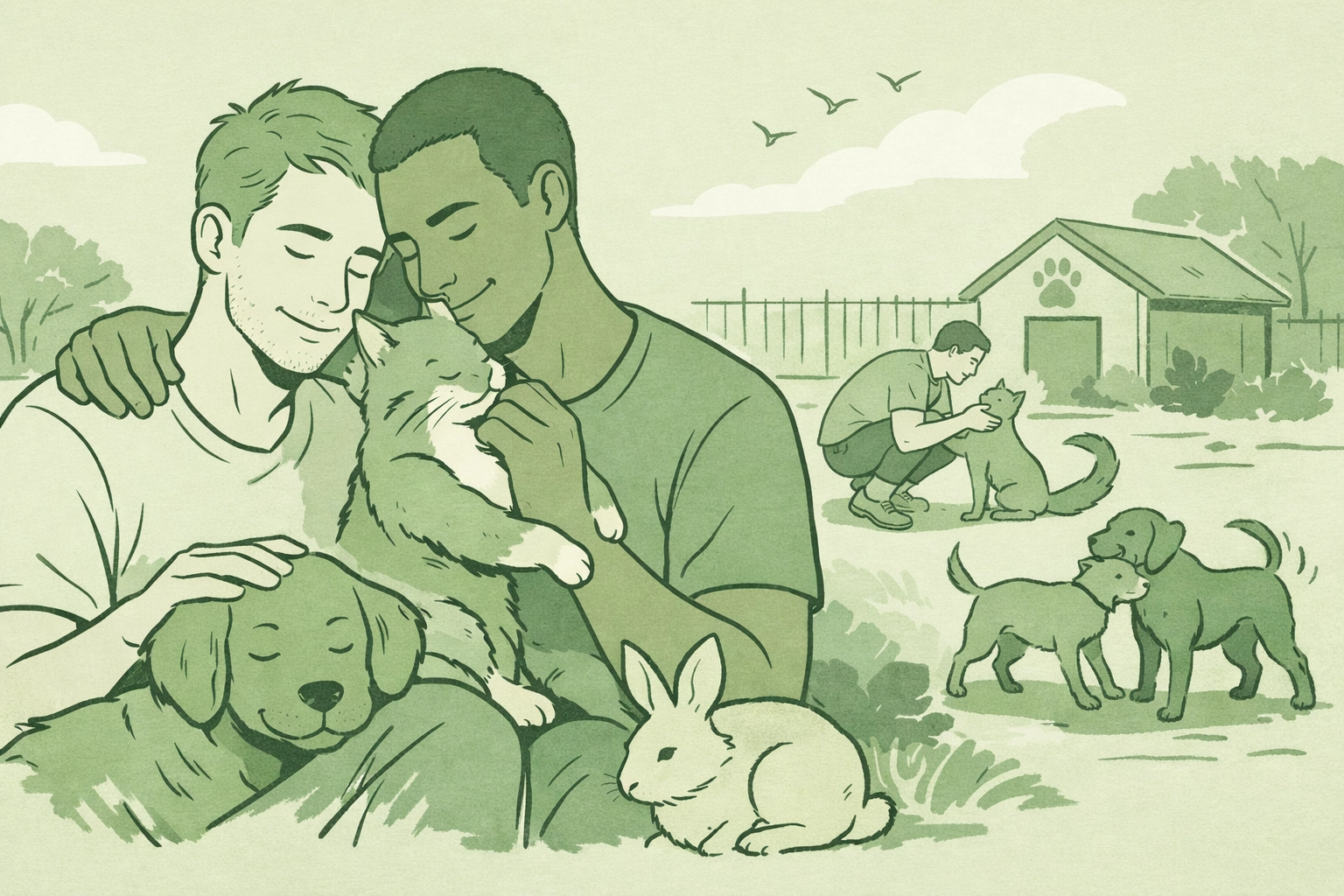
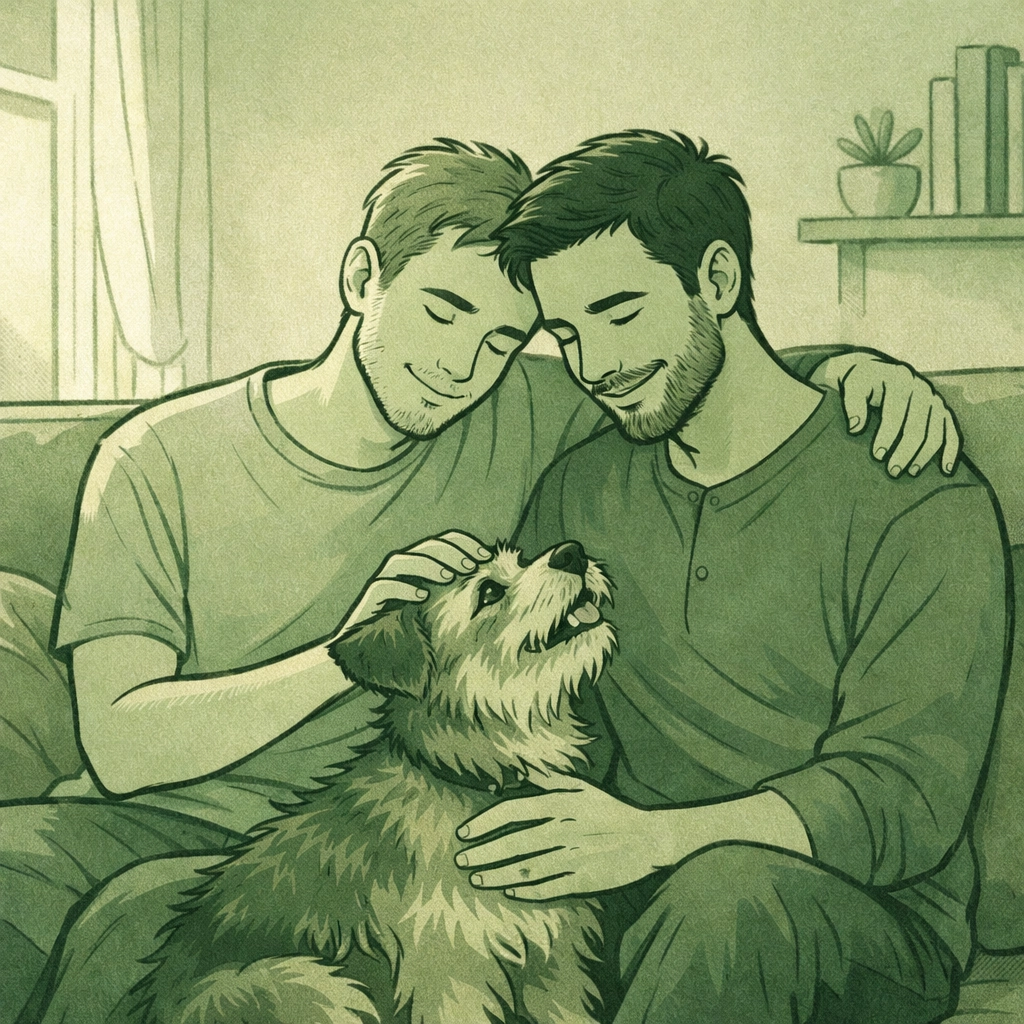
When Jake's five-year relationship ended abruptly last March, he found himself alone in their shared apartment: now his alone: with nothing but silence and memories. Like so many in the LGBTQ+ community who've faced heartbreak, he discovered that healing doesn't follow a straight path. What he didn't expect was that a scruffy terrier mix named Biscuit would become his lifeline back to himself.
The Intersection of LGBTQ+ Heartbreak and Animal Fostering
Gay men and lesbians often face unique challenges during breakups. Beyond the universal pain of lost love, many navigate limited dating pools, questions about chosen family, and the emotional toll of relationships that sometimes existed in partial secrecy. Research shows that interacting with animals reduces cortisol (stress hormone) while boosting serotonin and dopamine: neurochemicals that plummet during emotional trauma.
Animal fostering offers something profound: unconditional acceptance without judgment. Your foster dog doesn't care about your relationship status, your coming out journey, or whether you're ready to date again. They simply need you, exactly as you are, right now.
Why Animal Care Creates Measurable Healing
When you care for a vulnerable animal, your body undergoes physiological changes that counteract heartbreak's effects:
Hormonal Reset: Physical contact like petting or cuddling releases oxytocin (the "bonding hormone"), which counteracts stress chemicals flooding your system after relationship loss. Just 10 minutes of petting an animal can significantly lower blood pressure and heart rate.
Restored Purpose: When your identity and future plans have been upended, being needed by another living being provides essential meaning. Daily care routines: feeding, walking, bathing: create structure and anchoring points that prevent the emotional dissolution following traumatic loss.
Interrupted Rumination: Pets break the cycle of replaying painful memories. When your mind spirals into "what if" territory, your foster cat's immediate needs pull you back to the present moment, naturally practicing mindfulness.
The Foster-to-Heal Pipeline in the Gay Community
LGBTQ+ animal rescue organizations have noticed a pattern: many volunteers and foster parents arrive during transitional life moments. They're healing from something: a breakup, family rejection, professional setback: and they're seeking purpose.
Marcus, a bisexual man from Manchester, started fostering senior dogs after his partner moved abroad. "I wasn't ready for another relationship," he explains. "But I could handle a dog who needed me for a few months. It gave me something to focus on besides my broken heart."
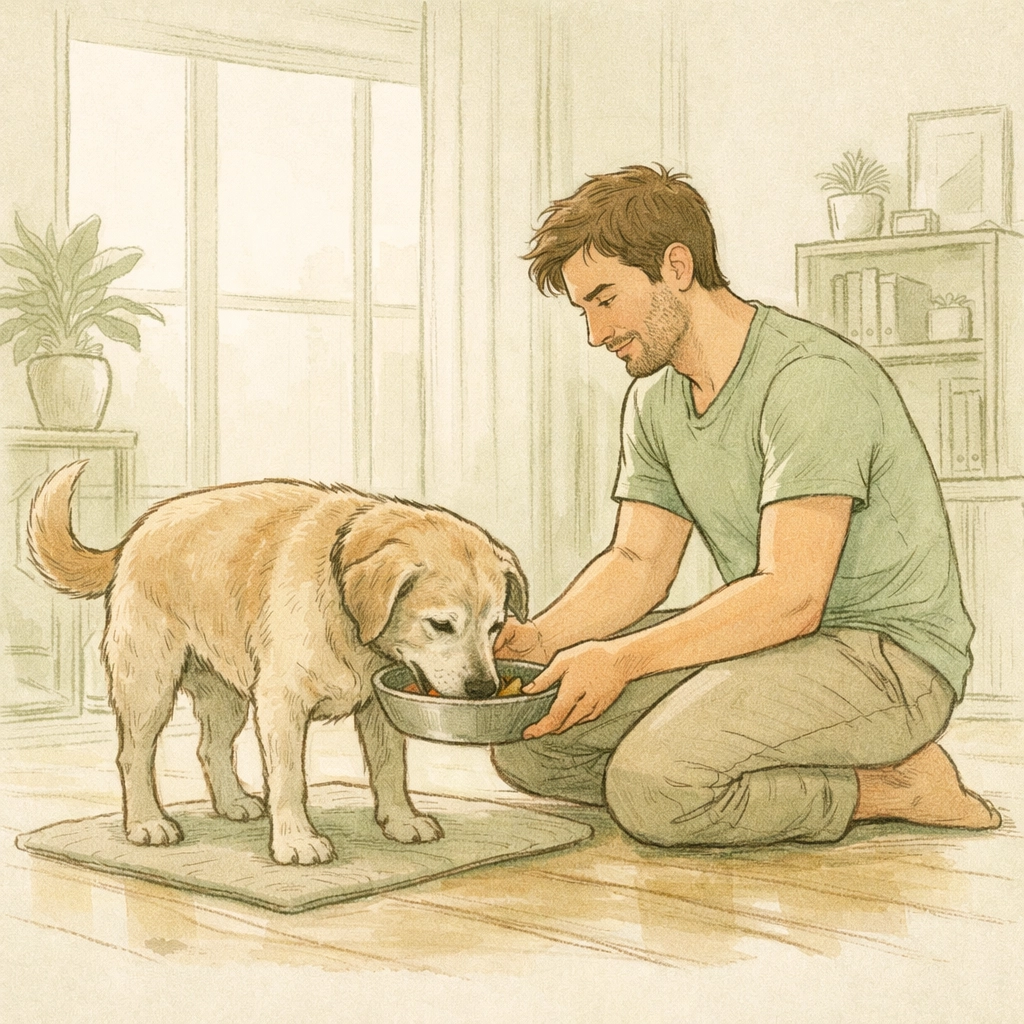
The fostering structure offers something relationships can't: a defined timeline with clear expectations. You know this animal needs temporary care. You know they'll eventually find their forever home. This bounded commitment feels manageable when your emotional capacity for human connection feels depleted.
Breaking Isolation Through Animal Advocacy
The LGBTQ+ community understands chosen family. When you become a foster parent, you join a network of people united by compassion. You attend adoption events, connect with other fosters, coordinate transport chains, and share updates in Facebook groups.
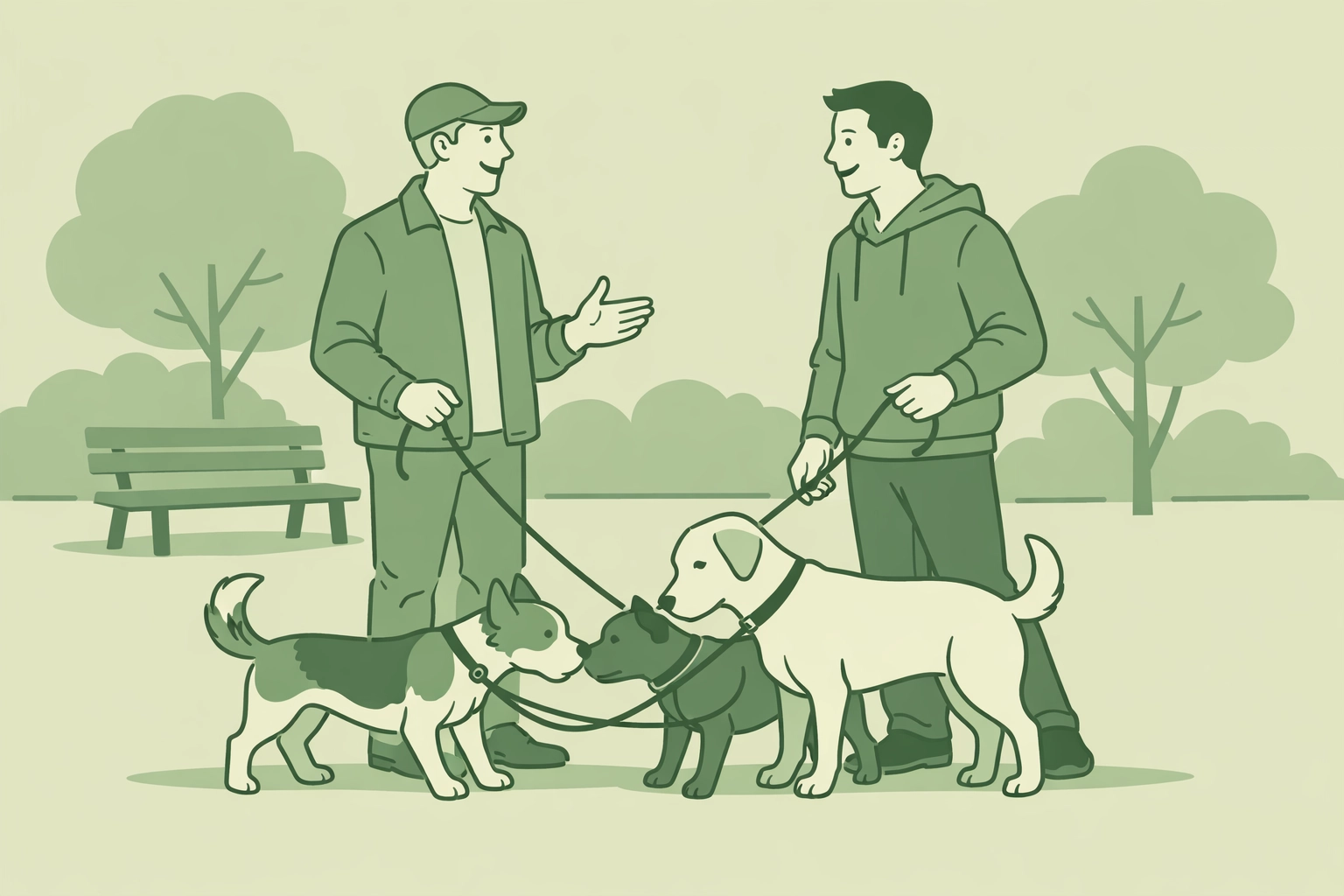
These low-pressure social opportunities rebuild confidence. Walking your foster dog creates chance encounters with other pet owners: casual conversations that don't require emotional vulnerability. You're not ready to discuss your ex at parties, but you can absolutely chat about your foster's progress with house training.
Many gay romance novels explore themes of healing and found family. Discover MM romance books exploring emotional recovery that mirror real-life experiences of rebuilding after loss. Stories like The Silent Heartbeat capture how unexpected connections: whether with people or animals: can restore hope.
The Practical Side: Getting Started with Fostering
Research LGBTQ+-Friendly Rescues: Organizations like LGBTQ+ Saves and Rainbow Animal Rescues exist nationwide, creating explicitly welcoming spaces for queer foster parents.
Start Small: If a dog feels overwhelming, consider fostering cats, rabbits, or even senior animals who need less intensive care.
Create Structure: Use feeding schedules, walking routines, and training sessions to build daily anchors. These consistent touchpoints create forward momentum when grief makes you feel stuck.
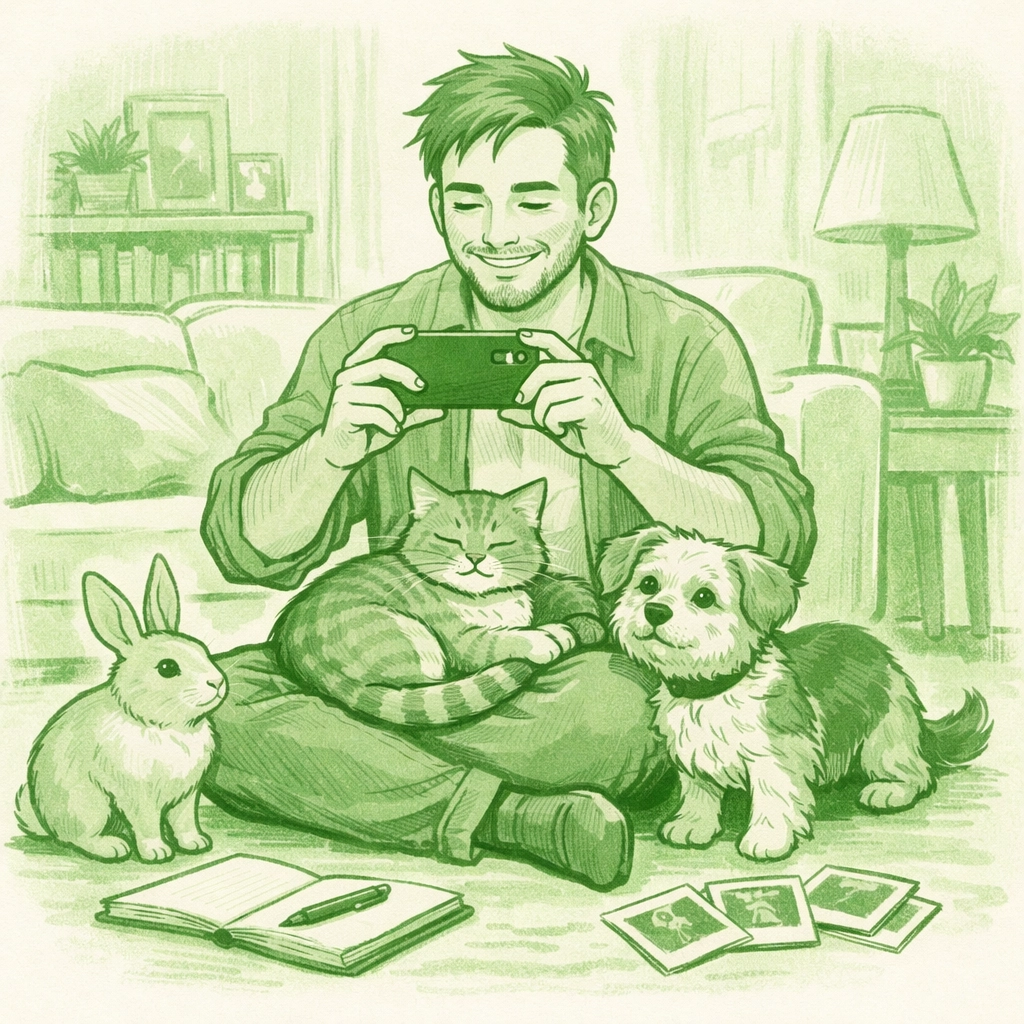
Document the Journey: Many fosters find healing in photographing their foster animals, sharing updates on social media, and creating adoption profiles. This creative outlet provides purpose and connection.
When Fostering Becomes Forever
Sometimes foster relationships become permanent. Alex, a gay man from Brighton, fostered three dogs before he met Pepper, a nervous rescue with separation anxiety. "We healed each other," he says. "She needed someone patient who understood trauma. I needed someone who wouldn't leave."
The phenomenon called "foster failure": keeping your foster animal: isn't really failure. It's recognizing when a healing relationship should become permanent. For many LGBTQ+ people rebuilding after heartbreak, that first foster becomes a bridge to opening their hearts again.
Stories of Transformation: Love Comes in Many Forms
The queer community has always understood that love transcends conventional boundaries. Fostering animals reinforces this truth: healing happens when we open ourselves to unexpected connections.
Literary MM romance and gay fiction frequently explore themes of redemption, second chances, and unconventional families. Explore our collection of heartfelt gay fiction featuring characters who discover that healing begins when they allow themselves to be vulnerable again: whether with another person or, sometimes, with a four-legged friend who sees past their wounds.
Books like The Phoenix of Ludgate and On a Steady Course demonstrate how gay men navigate recovery and rebuild their capacity for trust. These aren't just romance novels: they're roadmaps for emotional healing that resonate with anyone who's experienced loss.
The Charity Pride Connection
Many LGBTQ+ individuals channel their fostering work into broader animal advocacy. Pride events increasingly feature animal rescue booths, fundraising for LGBTQ+-friendly shelters, and calendar sales featuring queer volunteers with their foster animals.
This intersection of animal welfare and LGBTQ+ activism creates powerful community bonds. When you foster, you're not just healing yourself: you're contributing to a compassionate ecosystem that saves lives and builds chosen family networks.
Supporting animal charities during Pride season becomes an extension of queer identity: showing up for vulnerable beings who can't advocate for themselves, just as the LGBTQ+ community advocates for its most vulnerable members.
Moving Forward: From Broken to Whole
Six months after Biscuit entered Jake's life, the terrier found his forever home. Jake cried dropping him off: but they were different tears than the ones he'd shed over his breakup. These were tears of gratitude and readiness.
"Biscuit taught me I could love again," Jake reflects. "He taught me my heart wasn't as broken as I thought. And when he left for his new family, I didn't feel empty: I felt ready to foster again. Ready to date again. Ready for whatever came next."
That's the magic of fostering during heartbreak: it proves your capacity for love didn't die with your relationship. It simply needs redirection toward beings who need it desperately.
Start Your Healing Journey Today
Whether you're recovering from a breakup, navigating family rejection, or simply seeking purpose, animal fostering offers tangible healing. The gay and bisexual community has always created alternative families and found love in unexpected places.
Ready to explore stories of healing and hope? Visit Read with Pride for MM romance novels and LGBTQ+ fiction exploring emotional recovery and second chances. Our collection includes gay love stories featuring characters who rebuild their lives after loss: often with furry companions by their side.
Follow our community: Connect with readers who understand that healing happens in many forms. Share your fostering journey and discover gay romance books that reflect your experiences.
Follow us on social media:
📸 Instagram: @dickfergusonwriter
🐦 X/Twitter: @DickFergus94902
👥 Facebook: Dick Ferguson Writer
📚 Read with Pride: www.readwithpride.com
#ReadWithPride #LGBTQebooks #MMromance #GayRomance #QueerFiction #GayFiction #FosterLove #AnimalRescue #GayHealing #LGBTQPride #MMNovels #GayLoveStories #LGBTQFiction #GayLiterature #EmotionalMMBooks #HeartfeltGayFiction #GayBookClub #QueerAuthors #GayContemporaryRomance #ReadingWithPride #GayBookRecommendations #LGBTQReading #MMAuthors #GayRomanceBooks #2026GayBooks

Leave a Reply
You must be logged in to post a comment.