

DISCOVER LGBTQ+ STORIES – Explore authentic gay historical romance and MM fiction at Read with Pride. Shop our complete collection at dickfergusonwriter.com/collections/all.
Victorian Drinking Culture and Hidden Queer Spaces
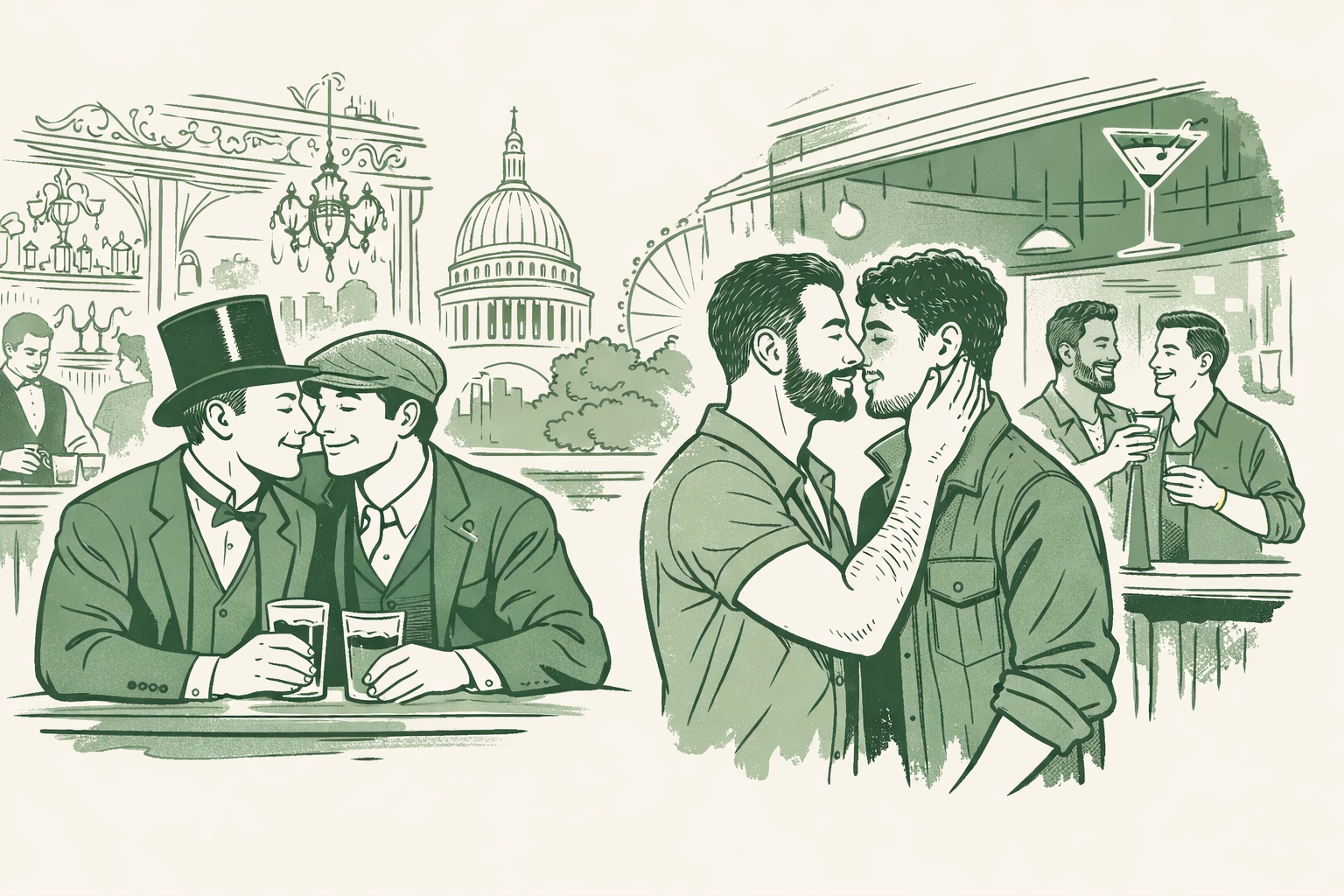
London's drinking establishments have served as sanctuary, meeting place, and haven for the LGBTQ+ community for over three centuries. The journey from clandestine molly houses to today's openly gay craft cocktail bars reveals a remarkable evolution in both queer visibility and cocktail culture.
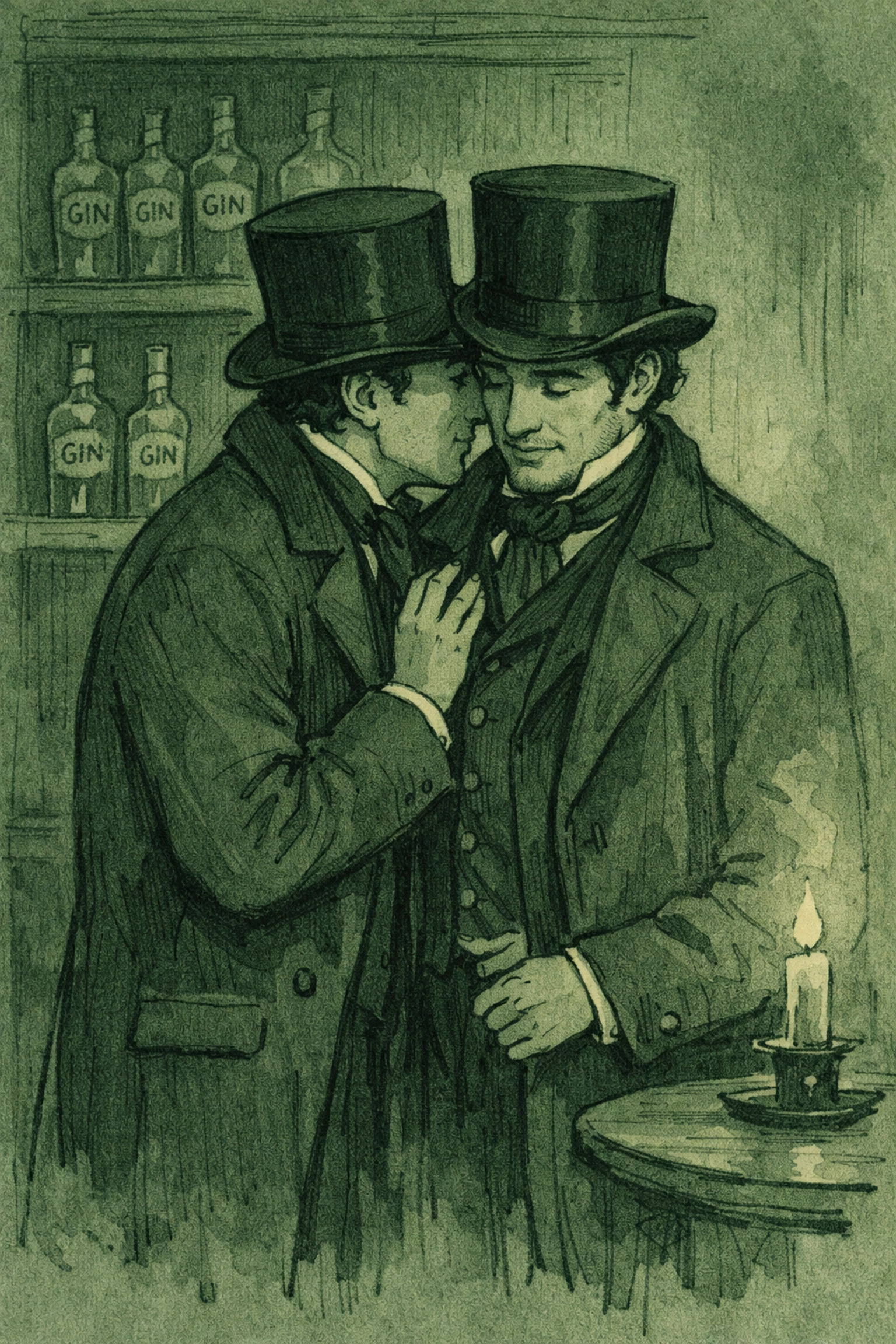
The story begins in the 1720s, when establishments like Julius Caesar Taylor's venue on Tottenham Court Road operated as "molly houses" – coded spaces where gay men gathered under the guise of ordinary taverns. Visitors received female names and sipped gin while navigating the constant threat of arrest. These early queer drinking spaces relied on gin's accessibility and affordability, serving London's working-class gay community.
The Rise of Gin Palaces
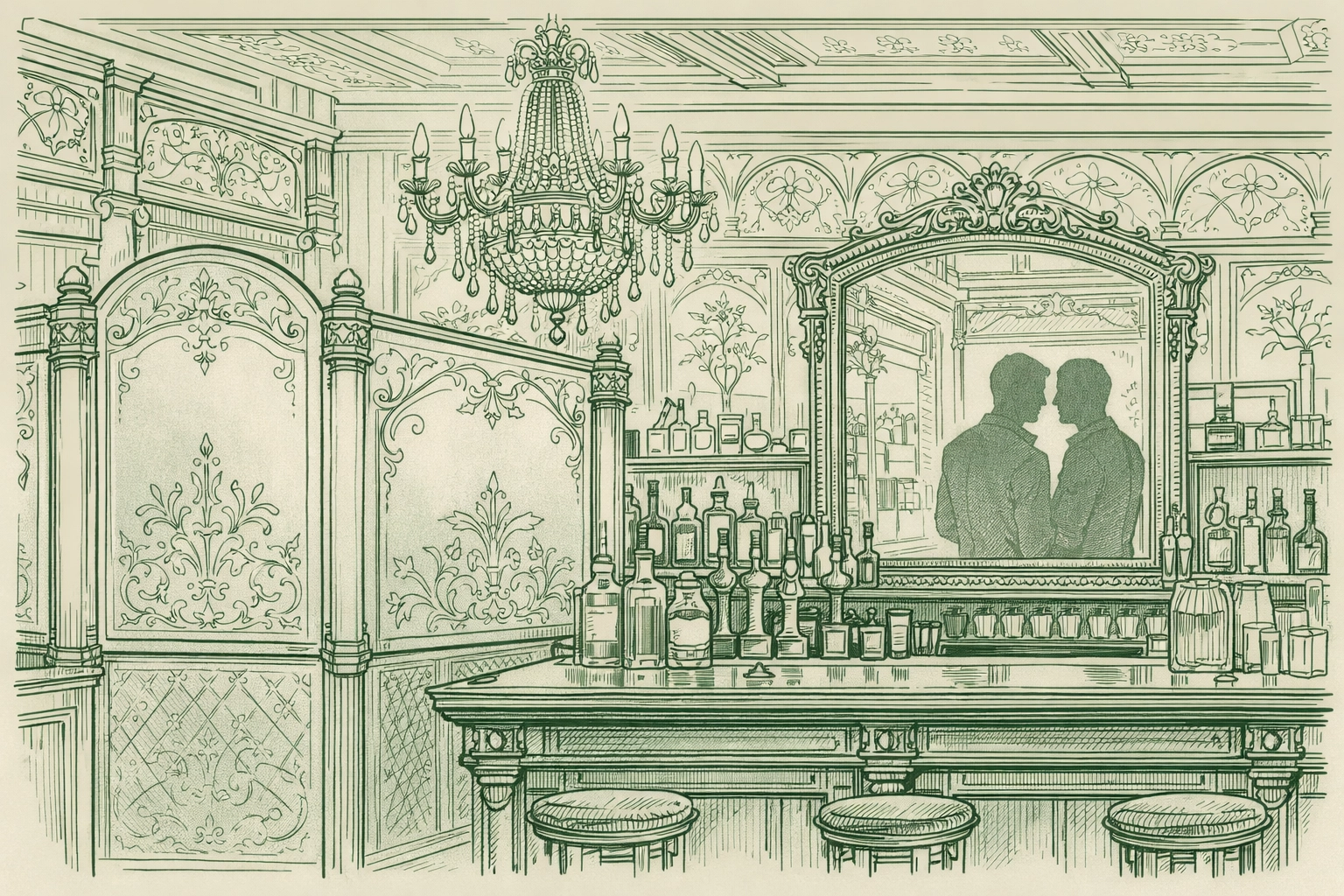
By the 1830s, gin palaces transformed London's drinking landscape entirely. Thompson and Fearon's in Holborn and Weller's in Old Street pioneered this architectural revolution, featuring ornate chandeliers, etched glass windows, intricate mosaics, polished mirrors, and mahogany paneling. Female bartenders in elegant dress served customers in spaces designed for all social classes.
The genius of gin palace design lay in its privacy features: snob-screens, frosted glass partitions, and separate entrances allowed patrons to drink discreetly. For London's queer community, these architectural elements provided essential cover. Men could meet in lavish surroundings without drawing unwanted attention.
BROWSE HISTORICAL MM ROMANCE – Experience authentic period settings in The Phoenix of Ludgate and The Berlin Companions. Historical gay fiction with emotional depth.
The Interwar Period and Creative Freedom
The Shim Sham Club opened in 1935 as London's premier members-only establishment where queer, Black, Jewish, and creative Londoners danced until dawn. This era marked a shift toward designated queer spaces, even as they operated under membership requirements and careful discretion.
Bath's Garrick's Head pub established "The Green Room" by the 1930s – a side bar exclusively for gay clientele. These dedicated spaces represented progress, allowing queer patrons to socialize with reduced fear of prosecution, though raids and arrests remained constant threats.
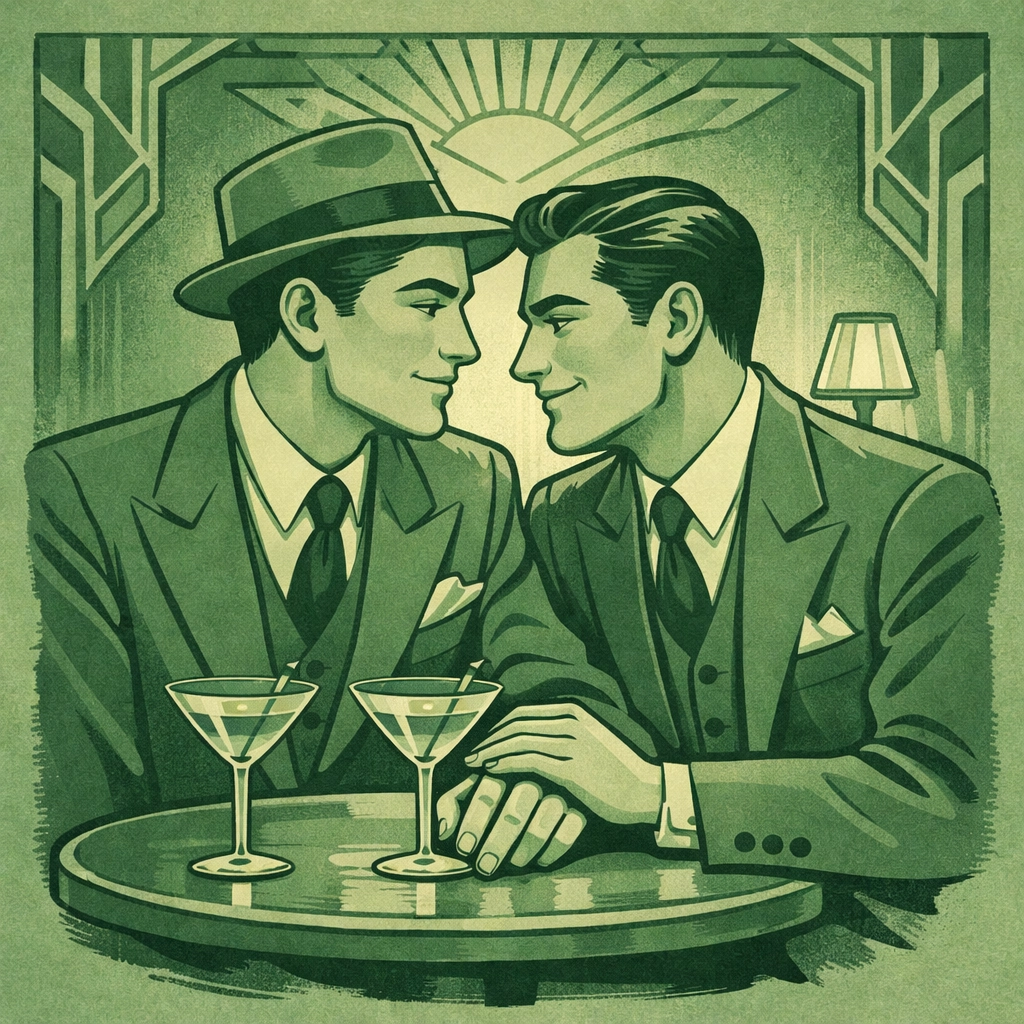
Cocktail culture during this period embraced sophistication and theatricality. Martinis, sidecars, and champagne cocktails became symbols of cosmopolitan identity. For gay men navigating a hostile legal environment, adopting this refined drinking culture offered both cover and community.
Post-War Pubs and the Path to Liberation
London's gay pub culture solidified in the decades following World War II. Establishments in Soho, King's Cross, and Earl's Court became known gathering spots, though police surveillance remained intense through the 1960s. Men developed elaborate signals and coded language to identify one another safely.
The 1967 Sexual Offences Act partially decriminalized homosexual acts in England and Wales, yet discrimination persisted. Gay bars operated in legal grey areas, frequently raided and subject to licensing restrictions. Drinks remained simple – beer, wine, spirits with mixers. Elaborate cocktails were rare outside West End establishments catering to theatrical crowds.
EXPLORE CONTEMPORARY MM ROMANCE – Modern love stories featuring authentic queer experiences. Shop MM romance books and gay contemporary fiction at dickfergusonwriter.com.
The 1980s and 1990s: Community and Crisis
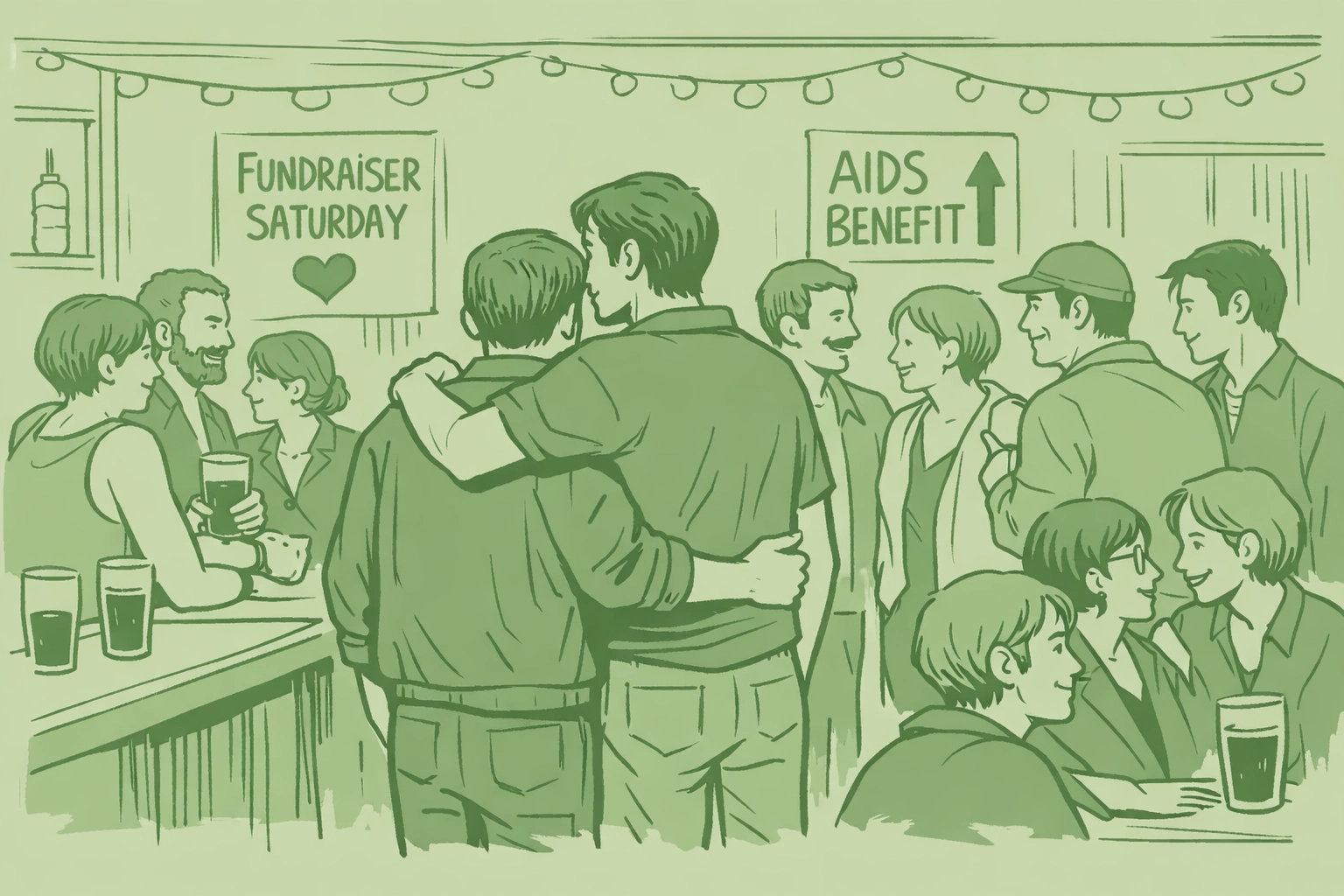
The AIDS crisis devastated London's gay community while simultaneously strengthening bonds within queer spaces. Pubs and bars became centers for activism, fundraising, and mutual support. Drinking culture took on deeper meaning as these establishments served as headquarters for advocacy organizations.
During this period, London's gay bars remained functional rather than fashionable. The focus centered on creating safe spaces rather than craft cocktails. Cheap drinks, dark corners, and community solidarity mattered more than mixology innovation.
Meanwhile, broader London cocktail culture experienced revival. The 1990s saw renewed interest in classic cocktails and bartending as craft. This movement remained largely separate from gay nightlife, which continued emphasizing dance clubs, circuit parties, and traditional pub culture.
The Craft Cocktail Revolution and Queer Visibility
The 2000s brought dramatic transformation. As LGBTQ+ legal rights expanded and social acceptance increased, London's queer drinking scene evolved. Gay bars began prioritizing quality over quantity, atmosphere over anonymity.
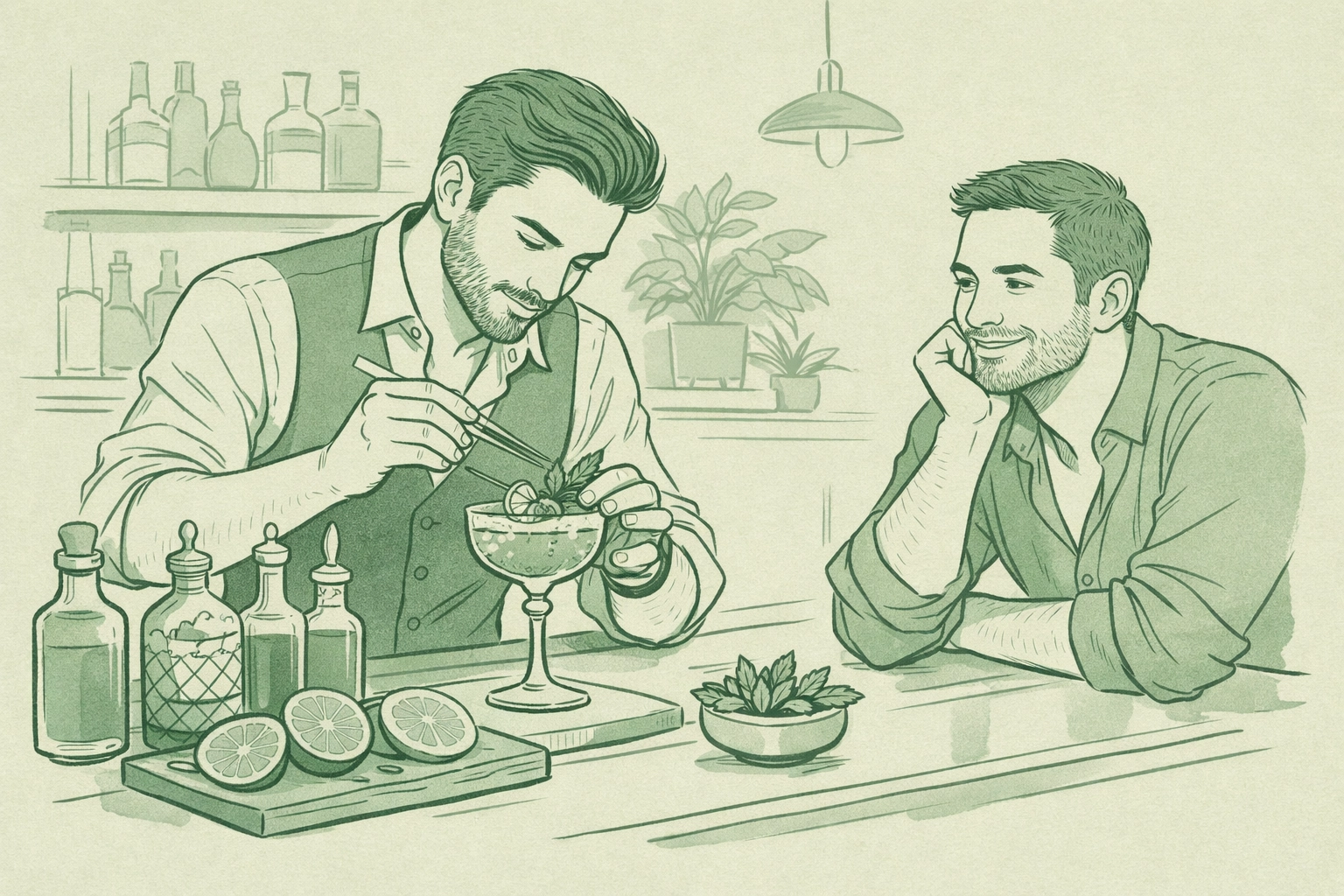
The craft cocktail movement, which exploded in London during the 2010s, found enthusiastic adoption in LGBTQ+ spaces. Bars like The Yard in Soho and The Glory in Haggerston combined queer identity with mixology expertise. Bartenders experimented with house-made syrups, artisanal spirits, and molecular gastronomy techniques.
SHOP GAY FICTION COLLECTION – Literary MM romance and LGBTQ+ ebooks featuring London settings and bar culture. Browse bestselling gay romance books at Read with Pride.
Champagne Culture and Queer Celebration
Champagne has long held special significance in LGBTQ+ culture, symbolizing celebration, luxury, and defiance. From the champagne cocktails of 1920s Parisian salons where queer expatriates gathered, to the prosecco brunches that define contemporary gay social life, sparkling wine represents freedom and festivity.
London's modern queer bars have elevated champagne service considerably. Venues offer extensive champagne lists, elaborate champagne cocktails, and champagne-focused events. The ritualistic pop of a cork signals celebration – of pride, of survival, of community.
This champagne culture extends beyond bars into London's LGBTQ+ social calendar. Pride events, charity galas, and community fundraisers feature champagne receptions. The drink has become synonymous with queer joy and visibility.
Today's Landscape: Integration and Innovation
Contemporary London showcases remarkable diversity in queer drinking establishments. Traditional gay pubs coexist with upscale cocktail lounges, queer-owned craft beer bars, and LGBTQ+ wine bars. Many venues have abandoned the "gay bar" label entirely, operating as queer-friendly spaces welcoming all identities.
The craft cocktail scene has fully integrated LGBTQ+ bartenders, owners, and patrons. Award-winning mixologists create drinks celebrating queer history, naming cocktails after LGBTQ+ icons and incorporating ingredients significant to queer culture.
Venues like She Soho and Dalston Superstore demonstrate this evolution, offering sophisticated cocktail programs alongside drag performances and queer club nights. The distinction between "gay bar" and "cocktail bar" has blurred considerably.
The Journey Forward
From clandestine gin in molly houses to champagne cocktails in Soho rooftop bars, London's LGBTQ+ drinking culture reflects broader social progress. Each era's beverages tell stories of survival, community, and celebration.
Today's craft cocktail movement benefits enormously from queer creativity and innovation. LGBTQ+ bartenders, distillers, and venue owners shape London's drinking culture at every level. The journey from hiding to pride, from gin palaces to craft cocktails, represents hard-won freedom.
COMPLETE YOUR COLLECTION – Discover gay love stories, MM novels, and LGBTQ+ fiction exploring queer history and culture. Visit dickfergusonwriter.com and readwithpride.com.
Follow us on social media:
- Instagram: @dickfergusonwriter
- X/Twitter: @DickFergus94902
- Facebook: Dick Ferguson Writer
- Website: www.readwithpride.com
#ReadWithPride #LGBTQEbooks #GayBooks #MMRomance #GayRomance #QueerFiction #GayLiterature #MMFiction #GayHistoricalRomance #LGBTQHistory #LondonGayHistory #QueerHistory #CocktailCulture #GayBarCulture #LGBTQReading #GayContemporaryRomance #ReadingWithPride #WriteWithPride #GayAuthors #QueerAuthors #MMAuthors #2026GayBooks #LiteraryMMRomance #HeartfeltGayFiction #EmotionalMMBooks #GayBookClub

Leave a Reply
You must be logged in to post a comment.