

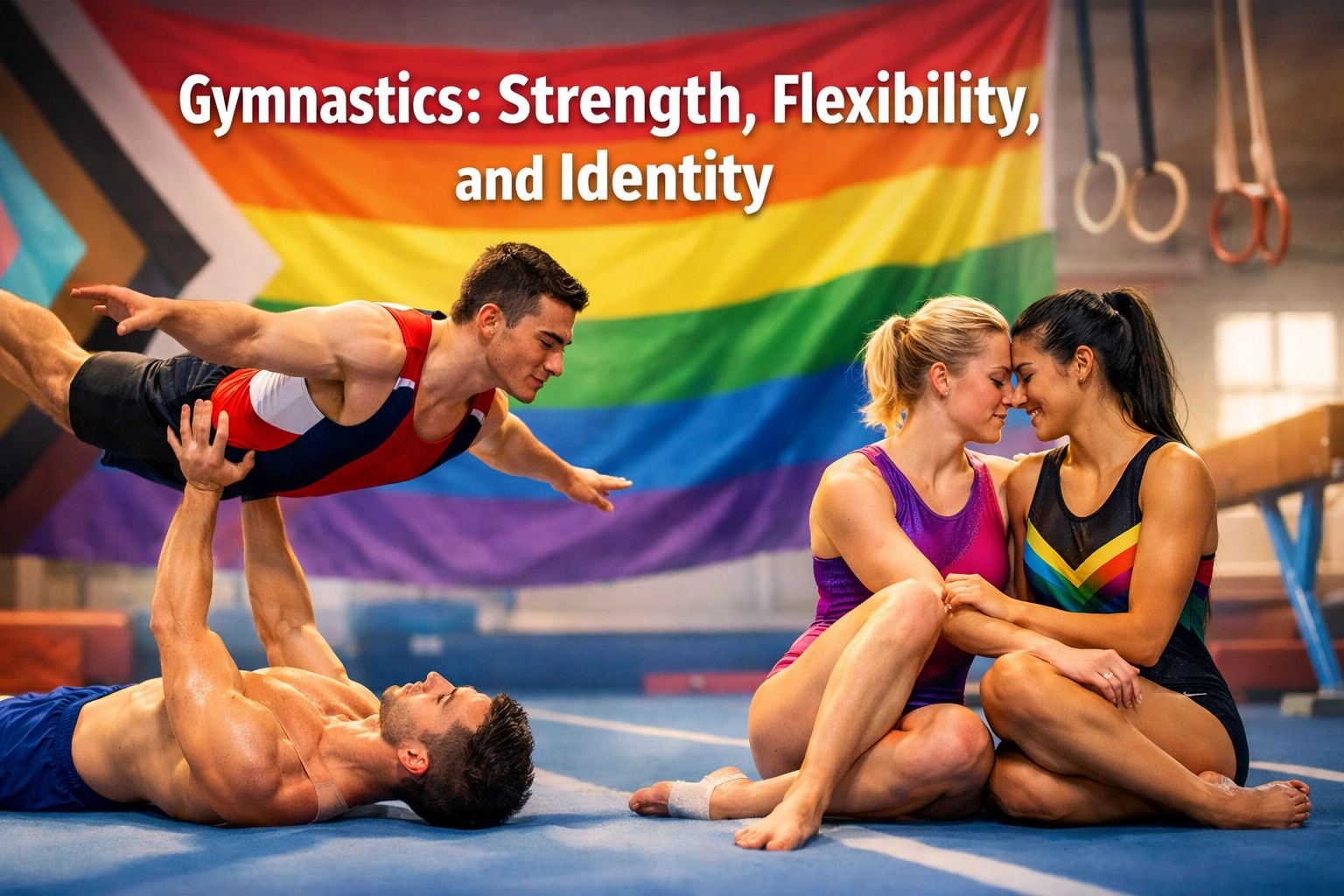
There's something undeniably captivating about watching a gymnast in motion. The explosive power of a vault, the controlled grace of a floor routine, the impossible-looking strength holds on the rings: gymnastics is where raw athletic ability meets artistic expression. And for many in the LGBTQ+ community, it's also become a space where identity, authenticity, and self-expression collide in the most beautiful ways.
Whether you're a casual fan who tunes in every four years during the Olympics or someone who grew up with chalk dust on your hands, there's no denying that gymnastics demands something special. It's not just about being strong or flexible: it's about the unique intersection of both, combined with mental fortitude, artistic expression, and the courage to be unapologetically yourself.
Building Strength: More Than Muscle
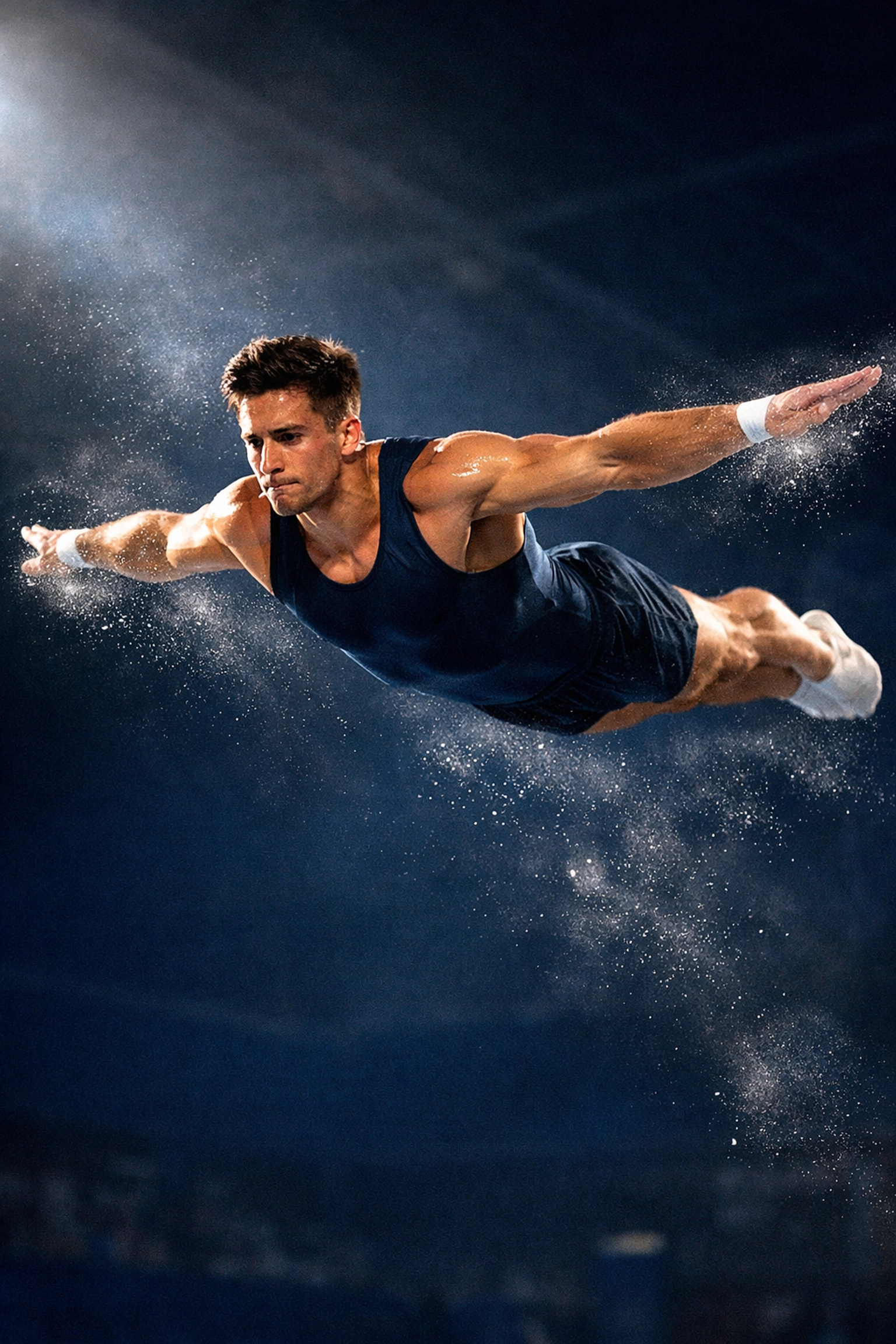
When we talk about strength in gymnastics, we're not just talking about biceps and six-packs (though those definitely come with the territory). Gymnastic strength is comprehensive, functional, and honestly, pretty badass. Every movement: from handstands to iron crosses: requires multiple muscle groups working in perfect harmony.
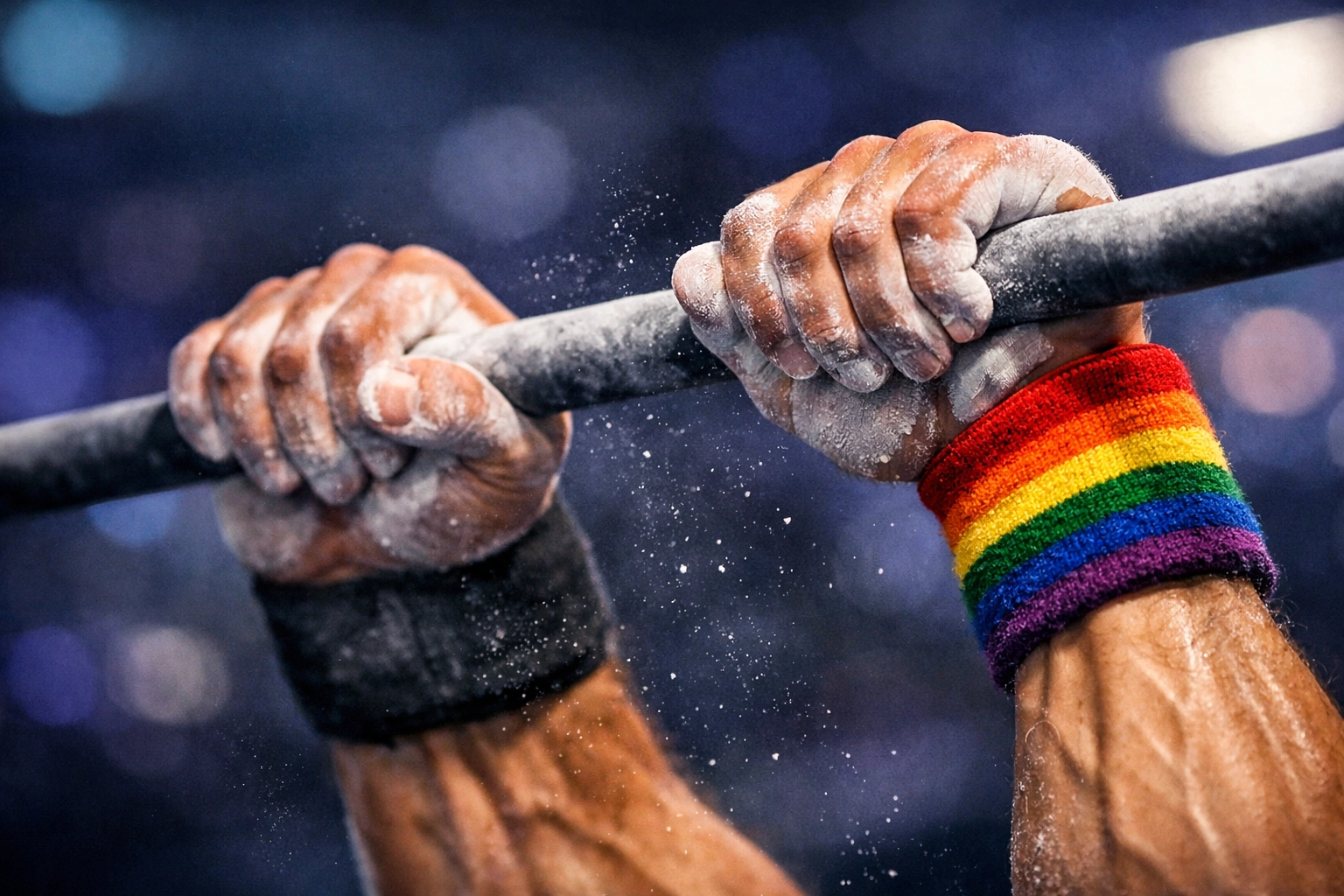
The upper body strength needed for bars and rings work is legendary. Gymnasts develop shoulders, wrists, and forearms that can support their entire body weight through dynamic movements. Core strength isn't just important: it's absolutely fundamental. Your core is what allows those gravity-defying flips, precise landings, and those holds that make audiences gasp.
But here's what makes gymnastics strength unique: it's not just about how much you can lift. It's about control, precision, and the ability to move your body through space with intention. It's functional strength that translates to real life: better posture, easier daily movements, and the kind of body awareness that makes you feel powerful in your own skin.
For many LGBTQ+ athletes, finding that physical strength has been transformative. There's something deeply affirming about discovering what your body can do, about building strength on your own terms, and about excelling in a sport that celebrates both power and artistry.
The Art of Flexibility
If strength is the foundation of gymnastics, flexibility is what makes it poetry. Those splits, backbends, and bridges aren't just impressive to watch: they represent hours of dedicated stretching, patience, and the kind of persistence that only comes when you're truly committed to your craft.
Flexibility training in gymnastics is comprehensive. It targets the shoulders, hips, spine, and pretty much every joint in between. There's active flexibility: the kind you need for split leaps and high kicks, where your muscles are doing the work. And there's passive flexibility: the ability to hold stretched positions with grace and control.
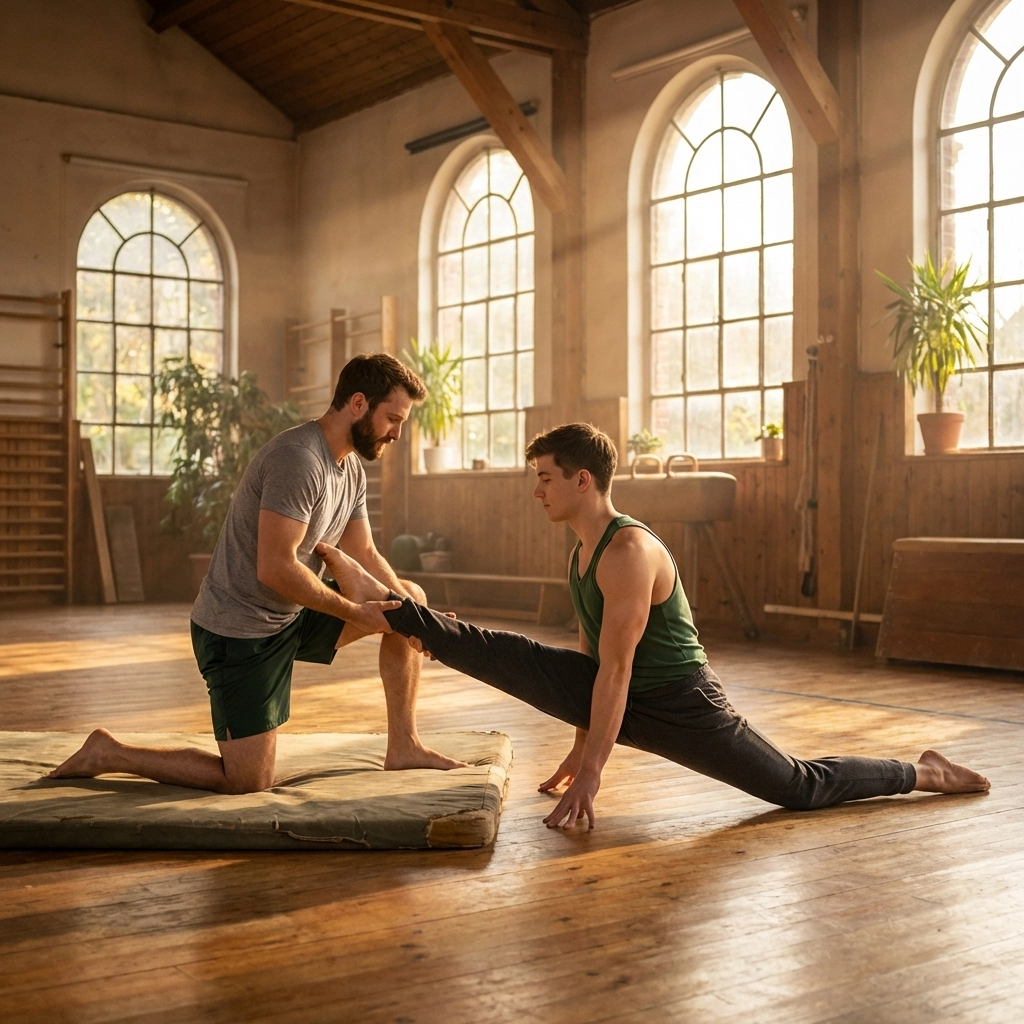
Beyond the aesthetic appeal, flexibility serves crucial practical purposes. It reduces injury risk, allows for greater range of motion, and enables those fluid, seamless movements that separate good gymnastics from truly great gymnastics. It's also about mobility: the functional ability to move your body through its full range of motion in daily life.
The parallel here to personal growth isn't subtle. Flexibility isn't just physical: it's about adaptability, resilience, and the willingness to stretch beyond your comfort zone. For queer athletes navigating spaces that haven't always been welcoming, that kind of flexibility: both literal and metaphorical: becomes essential.
Identity, Expression, and Authenticity
Here's where gymnastics gets really interesting: it's one of the few sports where artistic expression is literally part of the scoring criteria. Floor routines require music interpretation, personality, and showmanship. Beam work demands confidence and presence. Even on the more "technical" apparatuses like bars and rings, there's an element of style, of making difficult skills look effortless and, dare we say, beautiful.
This space for self-expression has made gymnastics particularly meaningful for LGBTQ+ athletes. It's a sport where grace isn't weakness, where artistic interpretation is valued, and where you're encouraged to bring your whole self to your performance. While the sport has historically had its share of rigidity and conformity pressures, we're seeing more athletes: at all levels: bringing authentic identity to their routines.
The choreography, music choices, costume decisions: all of these become opportunities for self-expression. Some gymnasts lean into classic elegance, others embrace bold contemporary moves, and some blend genres in ways that feel uniquely their own. Sound familiar? It's not unlike the diversity you'll find in MM romance books, where every love story brings its own flavor, style, and perspective.
The Mental Game
Let's be real: gymnastics is absolutely terrifying. You're launching yourself into the air, twisting multiple times, and trusting that you'll land safely. You're balancing on a four-inch beam suspended four feet in the air. You're holding your entire body weight in positions that defy anatomy textbooks.
The mental strength required is immense. It's about visualization, focus, managing fear, and the ability to perform under pressure. It's about getting back up after a fall, literally and figuratively. It's about perfectionism balanced with self-compassion, because you'll never nail every routine every time.
For queer athletes, there's an additional layer of mental fortitude required. Many have had to navigate unsupportive environments, deal with discrimination, or hide aspects of their identity to feel safe in their sport. The resilience developed through gymnastics training: the persistence, the problem-solving, the ability to keep pushing when things get hard: becomes invaluable in navigating life as an LGBTQ+ person.
Representation and Progress
Gymnastics has made strides in LGBTQ+ representation, though like most sports, there's still work to do. We're seeing more openly queer gymnasts at various levels, more discussions about creating inclusive training environments, and more recognition that diversity makes the sport stronger and more interesting.
The sport's emphasis on individual expression rather than rigid conformity to gender stereotypes has created more space for athletes to be themselves. And as younger generations enter the sport with more freedom to be open about their identities from the start, we're watching gymnastics evolve into a more welcoming space.
This mirrors the evolution we're seeing in LGBTQ+ fiction and gay romance books, where authentic representation has grown from subtext and coded language to bold, unapologetic love stories that center queer joy and experiences.
Parallels to MM Romance
Stay with me here, because the connection between gymnastics and MM romance novels is actually perfect. Both require strength: physical strength in gymnastics, emotional strength in navigating love and relationships. Both demand flexibility: literal in one case, metaphorical in the other. Both are about performance and authenticity, about finding the balance between meeting external expectations and staying true to yourself.
The best gymnastics routines, like the best gay romance books, tell a story. They take you on a journey, build tension, deliver satisfying resolutions, and leave you feeling something. Whether you're watching a floor routine or reading a forced proximity romance, you're looking for that perfect combination of technical skill and emotional resonance.
And let's not forget: both gymnastics and reading MM fiction require dedication. Those hours in the gym parallel the hours curled up with a good book, getting lost in characters who feel real, relationships that resonate, and stories that remind you why representation matters.
Finding Your Own Expression
Whether you're a gymnast, a former gymnast, someone who wishes they'd tried it, or just an appreciative fan, there's something universally appealing about a sport that celebrates both power and grace, strength and flexibility, technical skill and artistic expression.
For LGBTQ+ folks, watching athletes who excel at gymnastics can be deeply affirming. It's a reminder that our bodies are capable of amazing things, that strength comes in many forms, and that there's beauty in combining discipline with authentic self-expression.
And when you need a break from your own training: whether that's physical training, emotional work, or just navigating daily life: there's always a great book waiting. Check out the collection at Read with Pride for gay fiction, MM romance books, and LGBTQ+ ebooks that celebrate queer strength, flexibility, and identity in all their forms.
Because ultimately, both gymnastics and great queer fiction remind us of the same truth: we're at our best when we're strong, adaptable, and unapologetically ourselves.
Follow Read with Pride:
- Facebook: Read with Pride
- Instagram: @read.withpride
- X: @Read_With_Pride
- Website: www.readwithpride.com
#Gymnastics #LGBTQAthletes #MMRomance #ReadWithPride #GayRomanceBooks #QueerFiction #LGBTQBooks #GayBooks #StrengthAndFlexibility #MMBooks #GayFiction #LGBTQIdentity #QueerAthletes #MMRomanceBooks #GayLoveStories #2026 #LGBTQReading #AuthenticityInSports #GayNovels #QueerRepresentation

Leave a Reply
You must be logged in to post a comment.