

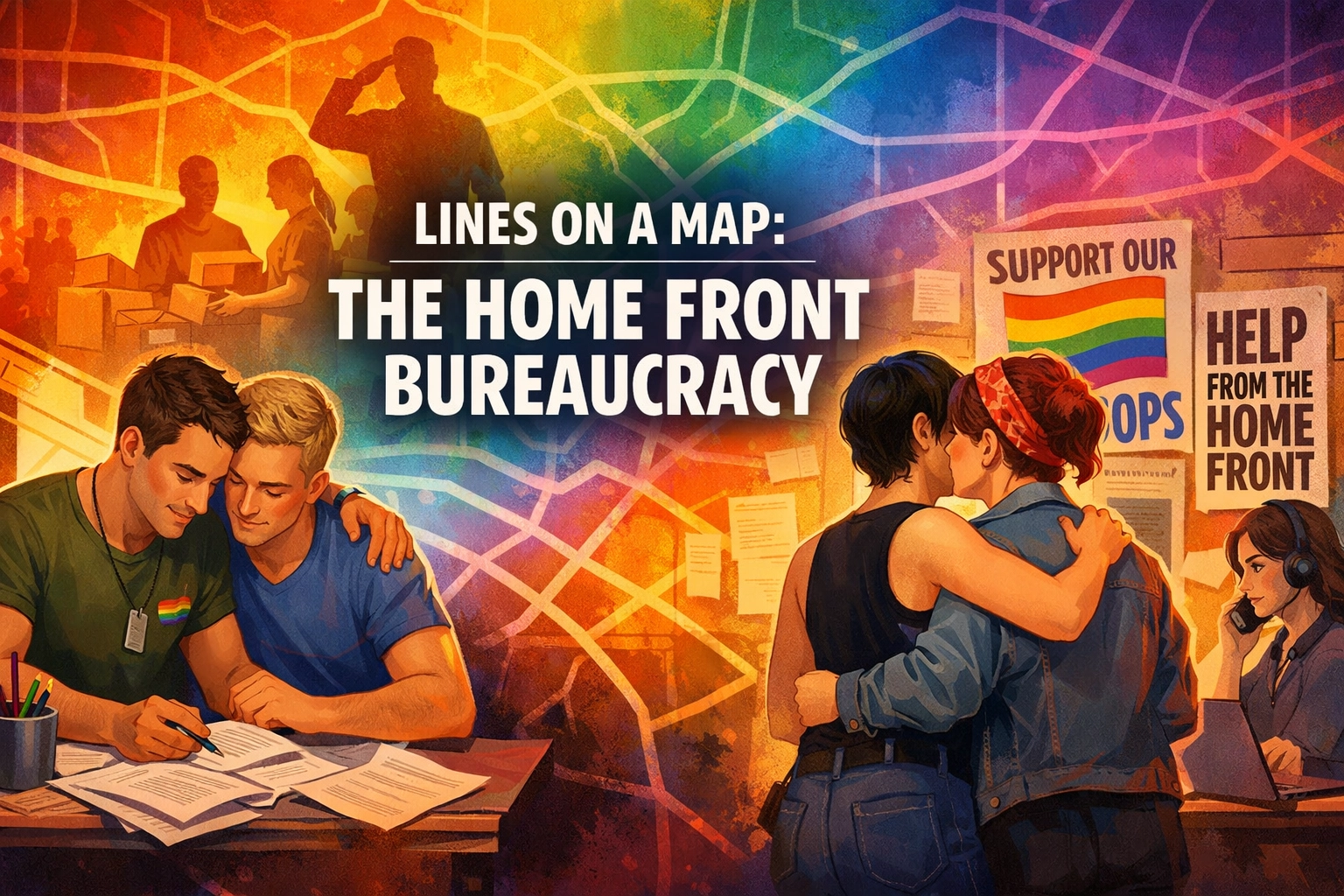
Not every war story involves trenches and battlefields. Some of the most compelling, and quietly dangerous, romances unfolded in rooms filled with maps, typewriters, and the constant click-clack of bureaucracy in motion. While soldiers fought on foreign soil, another kind of battle played out in propaganda offices and map-making departments across wartime capitals.
These were the men who drew the lines that would shape campaigns, who crafted the messages that would rally nations, who worked with classified information that could change the course of history. And among them, hidden in plain sight, were relationships that had to remain as classified as the intelligence reports they handled daily.
The Cartographers of Desire
Map rooms during both World Wars were fascinating microcosms of military strategy and civilian expertise colliding. Young men with degrees in geography and graphic design found themselves working alongside career military officers, charting supply routes, marking enemy positions, and updating battle lines with colored pins and careful pencil marks.
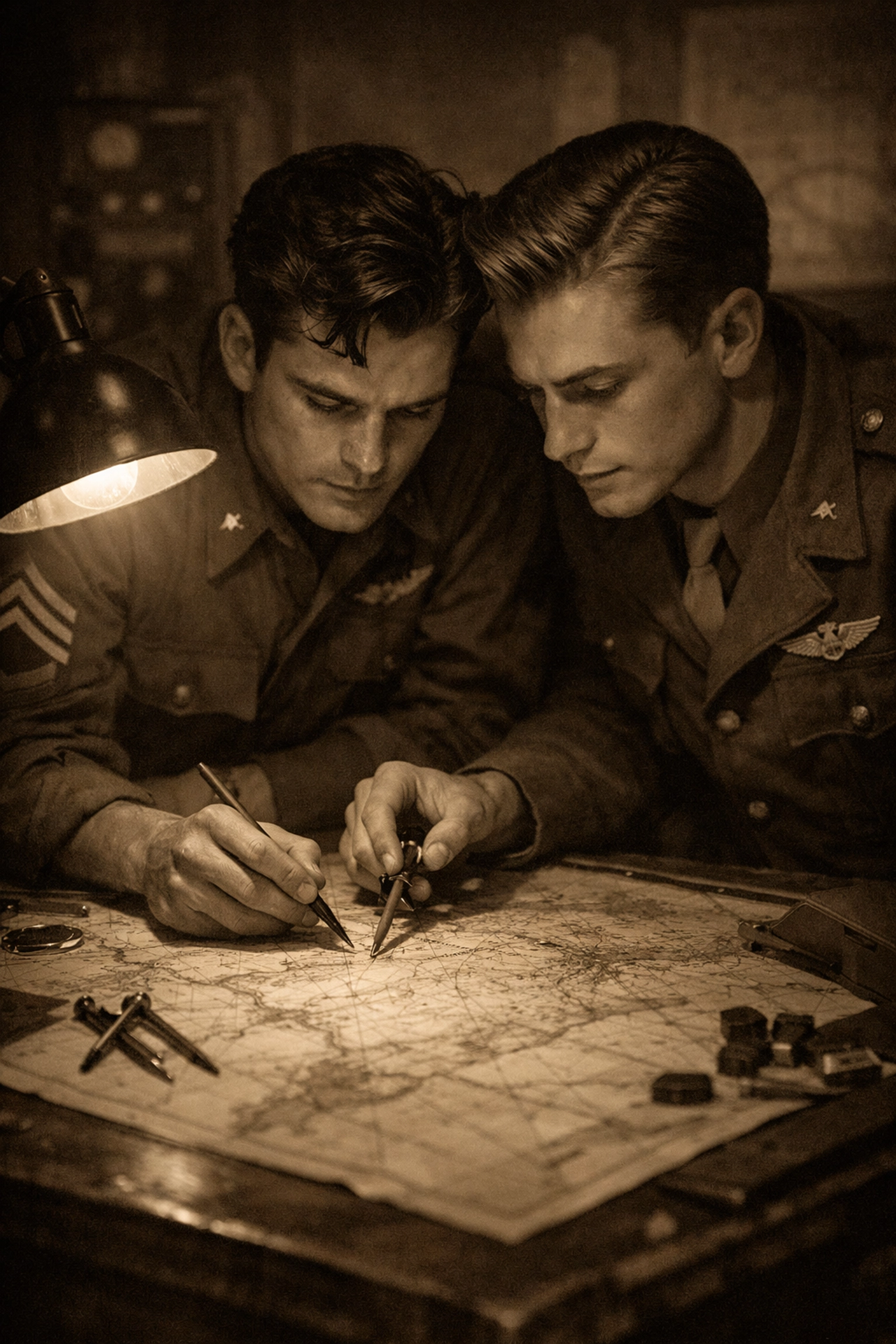
The work was meticulous, demanding long hours bent over drafting tables under inadequate lighting. Teams worked in shifts, sometimes through the night when intelligence came in from the front. The intensity created bonds, professional at first, then deepening into friendship, and occasionally, into something more profound that neither man could name aloud.
In London's War Office, Washington's Pentagon precursor offices, or Berlin's command centers, these relationships developed in whispered conversations during cigarette breaks, in lingering glances across map tables, in the brush of hands while reaching for the same compass or ruler. The very nature of their classified work created a bubble of secrecy that paradoxically provided cover for another kind of secret entirely.
Propaganda and the Performance of Normalcy
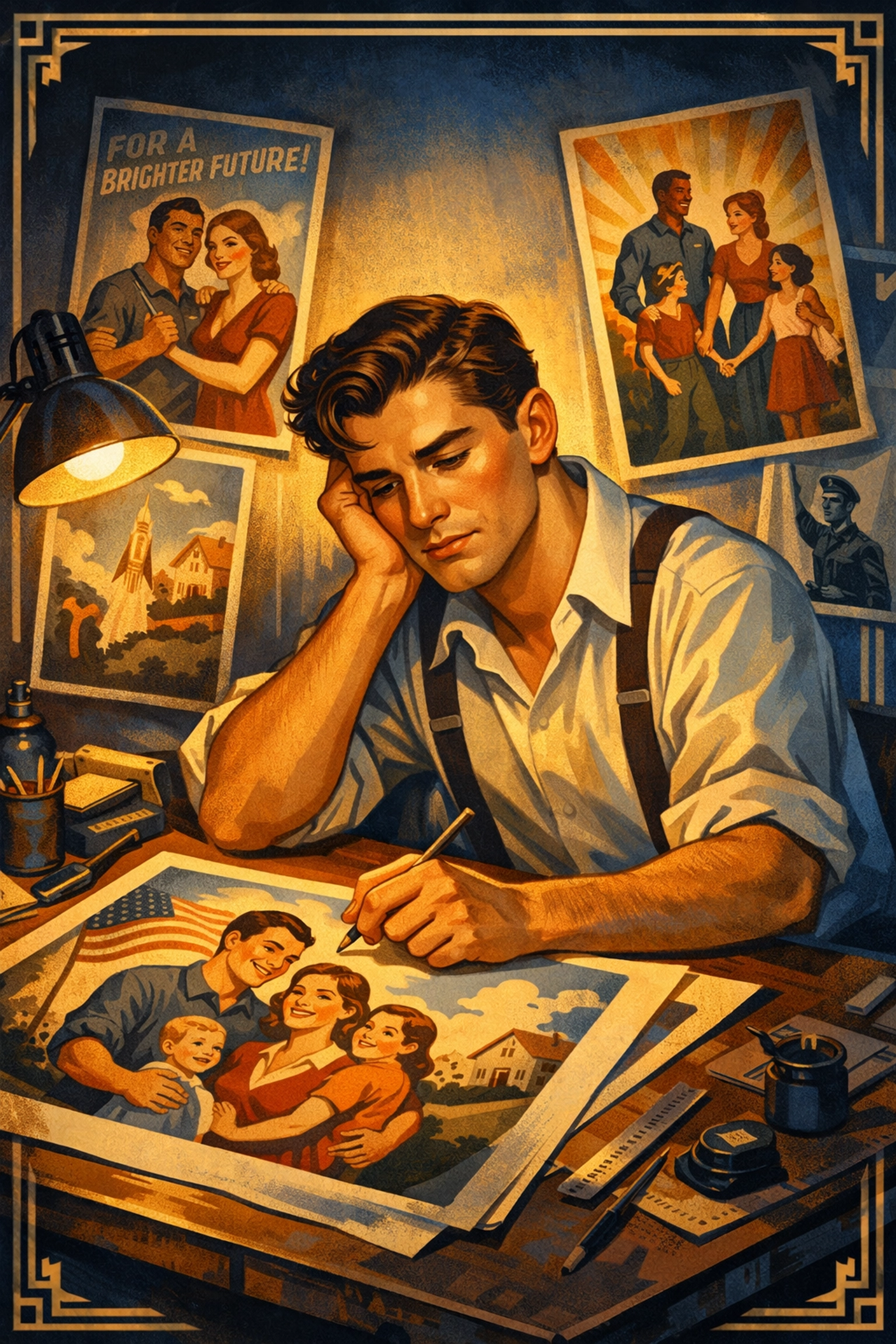
The propaganda departments offered a different kind of challenge. Here, men crafted the narrative of the war, designing posters that urged women to join the workforce, that encouraged bond purchases, that painted the enemy as monstrous and the home front as virtuous and unified.
The irony wasn't lost on those who had to hide fundamental parts of themselves while selling an idealized vision of society. Creating images of happy heterosexual families returning to suburban bliss after victory, knowing you'd never see yourself reflected in that future. Writing copy about defending "our way of life" when that same way of life criminalized your very existence.
Yet within these departments, creative men often found kindred spirits. The artistic temperament, the attention to aesthetics, the ability to read between lines, these became a kind of code. A carefully chosen compliment about someone's design work, a recommendation to see a particular film or read a certain book, an invitation to discuss "artistic matters" over drinks. Each interaction was a careful dance, testing the waters while maintaining plausible deniability.
Some of the most affecting gay historical romance stories emerge from this tension, men who had to be hypervigilant about their presentation while their actual work involved persuasion and psychology. They understood performance because they performed normalcy every single day.
The Safety of Secrets
Paradoxically, working with classified information sometimes provided unexpected protection. Everyone in these offices understood the importance of discretion. Loose lips sink ships, after all. This culture of secrecy extended beyond military intelligence to personal matters.
If you were seen leaving work late with a colleague, well, you were obviously working on classified projects. If you shared lodgings with another man, it was simply practical: wartime housing shortages affected everyone. If you seemed particularly close with someone at the office, you'd clearly developed the kind of professional trust essential for handling sensitive information.
The bureaucracy itself, with its endless forms and procedures, its hierarchies and chains of command, created a kind of protective maze. As long as you filled out your reports correctly, met your deadlines, and maintained security protocols, your personal life remained largely your own business. The system cared about outcomes, not private arrangements.
Personal Battles Far From the Front
But make no mistake: these men faced their own kind of warfare. The psychological toll of leading a double life while managing the stress of wartime work was immense. Reading casualty reports while worrying about a relationship that could end both your careers if discovered. Drafting propaganda about national unity while feeling fundamentally alienated from the society you served.
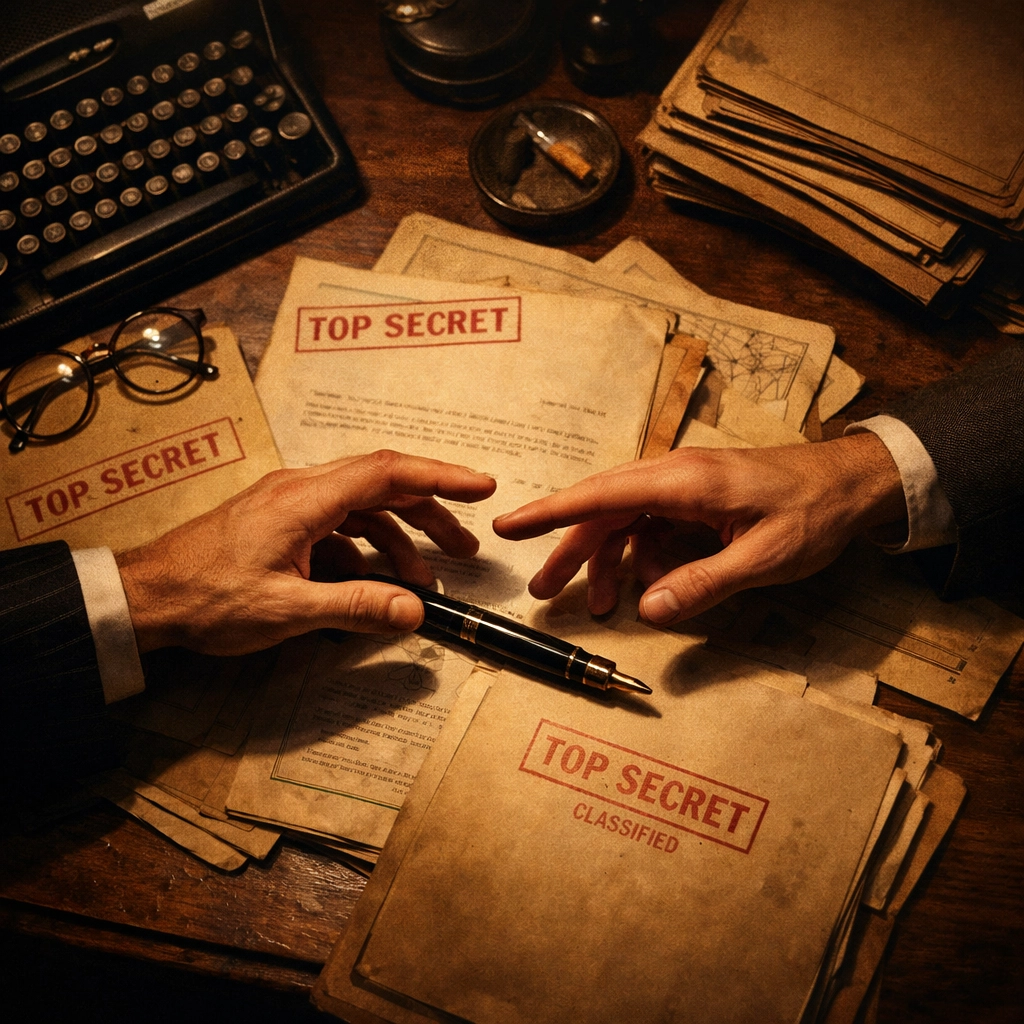
There were the near misses: a superior officer walking in at an inopportune moment, a jealous colleague making veiled comments, the constant fear that a relationship discovered might be misconstrued as a security risk. Some men faced blackmail attempts. Others were quietly reassigned if suspicions arose, their careers derailed without official explanation.
And then there were the genuine security concerns. Homosexuality was considered a vulnerability that enemy intelligence might exploit. The tragic irony was that this very attitude: the criminalization and stigmatization: created the vulnerability in the first place. Men who could have served openly instead lived in fear, the threat of exposure hanging over them like a sword.
Love Letters in Coded Language
Communication between the home front and active duty was heavily censored. Letters were read, redacted, sometimes never delivered at all. This created its own challenges for men trying to maintain relationships across distances.
The solution? Layers of code within code. A map-maker might reference specific coordinates that meant something only to the recipient. A propaganda writer might employ turns of phrase that echoed private conversations. References to shared books, music, or inside jokes became stand-ins for declarations that couldn't be written plainly.
Some of the most heart-wrenching documents from this era are these carefully crafted letters that read as mundane to censors but carried deep emotional weight to their intended recipients. The MM romance narratives inspired by this period often capture this bittersweet reality: love expressed through inference and implication, passion contained in seemingly ordinary words.
The Post-War Reckoning
When the wars ended, many of these men faced a new challenge. The tight-knit wartime offices disbanded. The shared purpose that had sustained them evaporated. Some relationships that had developed in the pressure-cooker environment of wartime bureaucracy couldn't survive peacetime scrutiny.
Others did endure, though they had to find new ways to exist. Former colleagues might set up graphic design firms together, or continue working in civil service, or relocate to more tolerant urban centers where they could live more openly, if still not entirely without fear.
The men who'd drawn lines on maps during the war now had to draw new lines around their own lives: boundaries between public and private, professional and personal, safety and authenticity.
Finding These Stories Today
At Read with Pride, we're passionate about preserving and celebrating these untold stories through gay historical romance. Our collection includes narratives that explore the complexity of wartime relationships, the bureaucratic machinery of conflict, and the personal courage it took to love under such circumstances.
These aren't just stories about the past: they're about resilience, about finding connection in impossible circumstances, about the universal human need for intimacy and recognition. The MM historical romance genre allows us to reimagine these experiences, to give voice to relationships that had to remain silent, to honor the men who fought personal battles while nations fought global wars.
Whether you're drawn to the tension of forbidden office romances, the poignancy of coded correspondence, or the bittersweet reality of post-war reunions, there's a gay romance novel that captures this particular slice of history. The map-makers and propagandists deserve their love stories too.
Discover more historical MM romance books at Readwithpride.com
Follow us for daily recommendations:
📘 Facebook
🐦 Twitter/X
📸 Instagram
#MMRomance #GayHistoricalRomance #ReadWithPride #LGBTQBooks #HistoricalRomance #GayRomanceBooks #QueerFiction #MMHistoricalRomance #WartimeRomance #GayLiterature #LGBTQFiction #MMBooks #GayNovels #HistoricalMMRomance #QueerHistory #GayRomance2026 #LGBTQReading #RomanceBooks #GayLoveStories

Leave a Reply
You must be logged in to post a comment.