

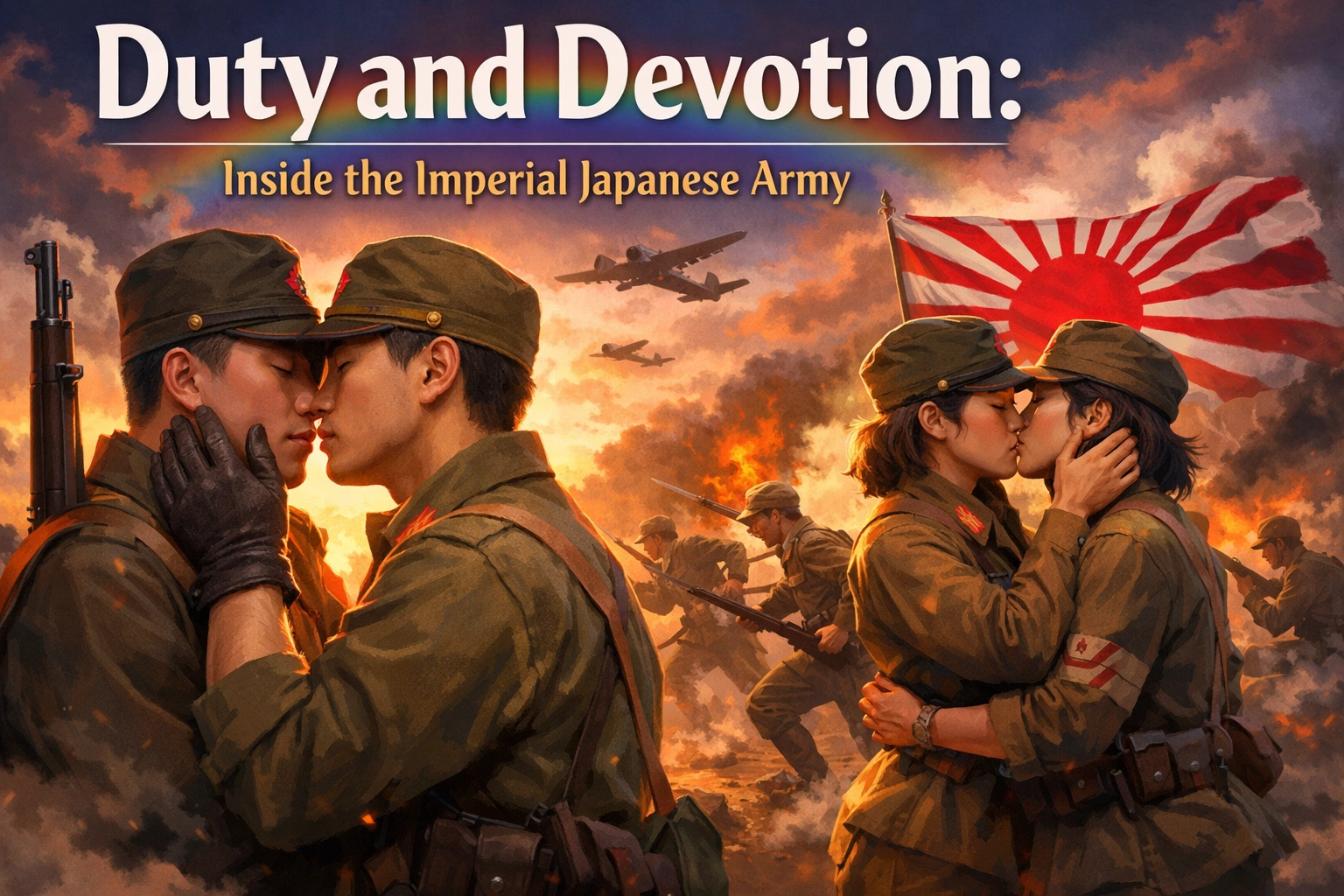
History rarely tells the whole story. And when it comes to LGBTQ+ lives during wartime, the silence is deafening.
We've been digging deep into Read with Pride's historical MM romance collection, exploring stories that imagine what life was like for queer men in some of history's most challenging periods. Today, we're looking at a particularly complex and often overlooked chapter: same-sex relationships within the Imperial Japanese Army during World War II.
This isn't an easy story to tell. It requires us to hold two truths at once: acknowledging the horrific reality of war and military aggression while also honoring the hidden experiences of LGBTQ+ individuals who existed in those spaces, often invisibly.
The Weight of Tradition
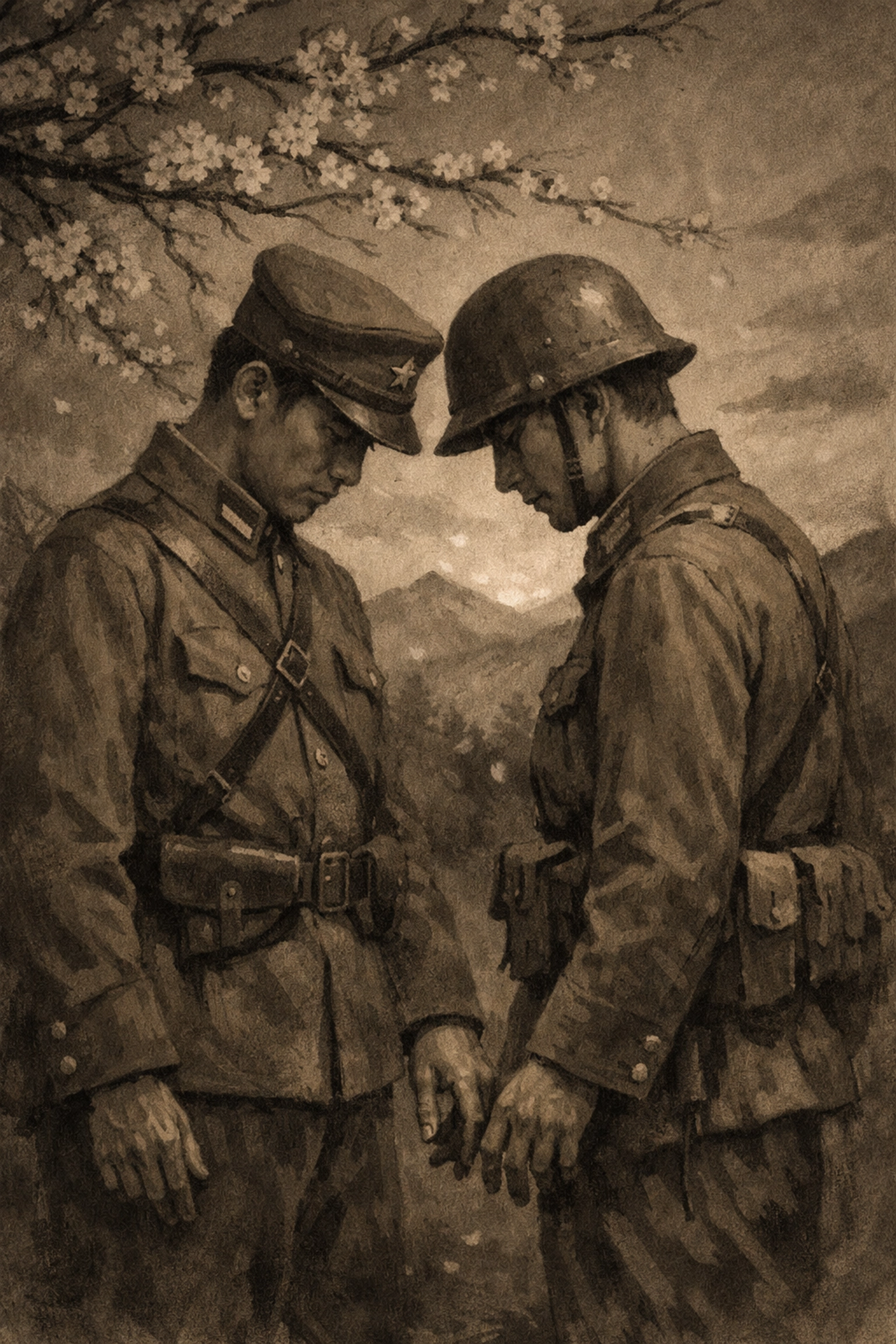
In pre-war and wartime Japan, duty wasn't just important: it was everything. The concept of giri (duty or obligation) versus ninjō (human feelings) created an impossible tension that defined entire lives.
For soldiers in the Imperial Japanese Army, this tension was amplified to breaking point. Military culture demanded absolute obedience, self-sacrifice, and devotion to the Emperor. Personal desires, especially those that fell outside rigid social norms, were to be completely suppressed.
But here's the thing about human emotion: it doesn't disappear just because it's forbidden.
Same-sex relationships and encounters existed in Japanese military contexts, just as they have in armies throughout history and across cultures. These weren't the romanticized stories we enjoy in MM romance novels: they were complicated, often clandestine, and shaped by extreme circumstances that tested every bond.
Historical Context: What We Know
The historical record is frustratingly sparse when it comes to documenting LGBTQ+ experiences in the Imperial Japanese Army. This isn't surprising. In an environment where deviation from strict codes could mean death, who would document such relationships?
What we do know is that Japan had a complex history with same-sex relationships long before the war. The samurai tradition included shudō (wakashudō), the practice of age-structured same-sex relationships that was once considered an important part of warrior culture. However, by the early 20th century, Western influences and modernization had pushed these practices underground.
The military structure of the IJA created intense male bonds. Soldiers lived, trained, fought, and often died together. In such environments, emotional and sometimes physical intimacy developed: though always within the shadow of severe punishment if discovered.
Historical accounts suggest that relationships between soldiers were handled differently depending on rank, circumstances, and how discreetly they were conducted. Some were overlooked as long as they didn't interfere with military effectiveness. Others were brutally punished as threats to discipline and morale.
The Impossible Balance
Imagine being a soldier who must choose between survival: both in combat and within your own ranks: and honoring feelings that society, your family, and your military command would consider shameful or treasonous.
Every glance held too long becomes a risk. Every moment of vulnerability, a potential exposure. The person you trust most in the world: your fellow soldier who covers you in battle, who knows your fears, who shares your rations: might also be the person you can never fully reveal yourself to.
This is the landscape where MM historical romance set in military contexts draws its tension. The forbidden nature of the relationship isn't just about social stigma: it's life or death in multiple ways.
Fiction vs. Reality: Why These Stories Matter
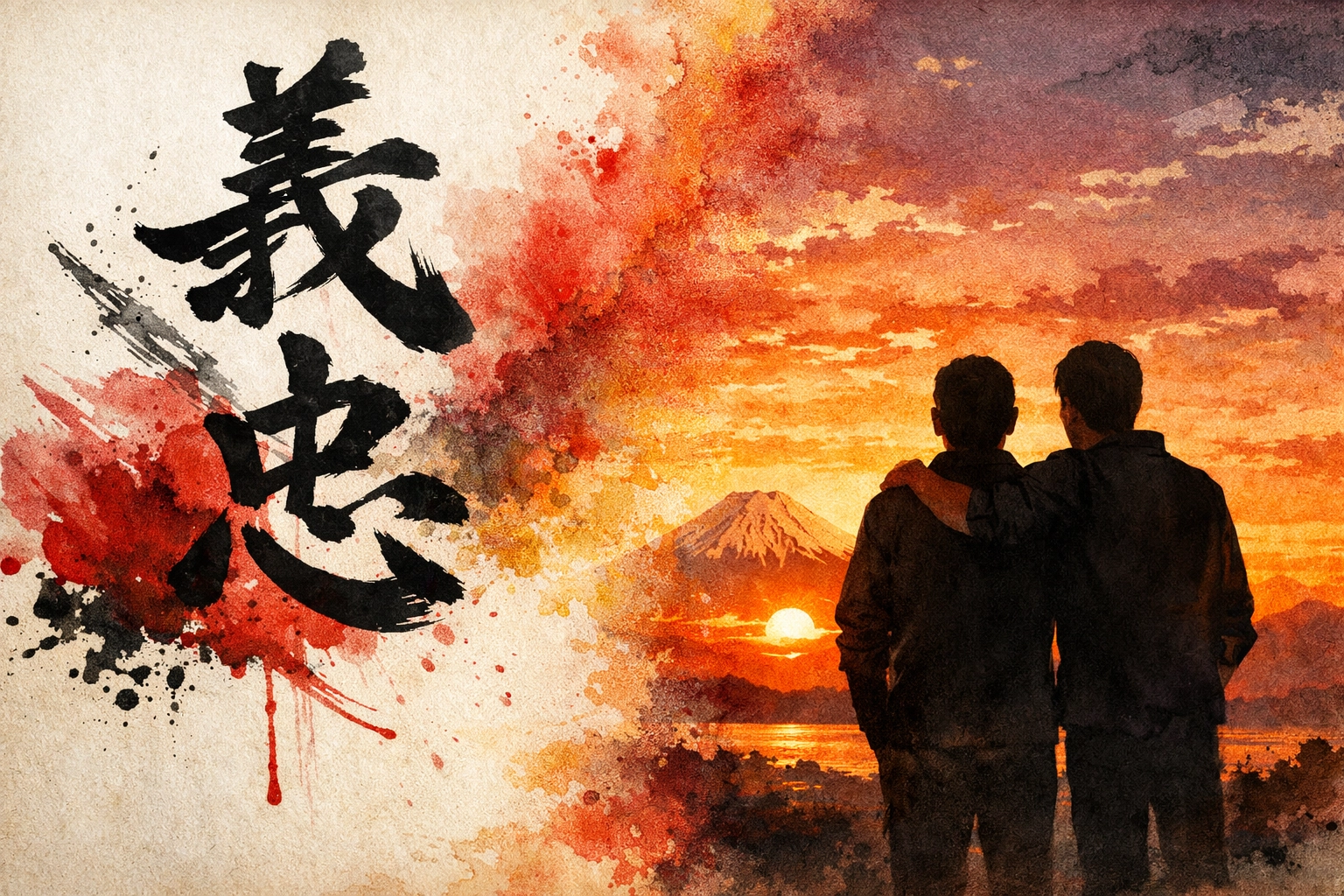
Let's be crystal clear: MM romance novels set in this period are fiction. They're not documentaries, and they shouldn't be read as such.
But they serve an important purpose.
Historical fiction allows us to imagine the inner lives of people who left no records, wrote no letters that survived, and told no stories that were preserved. It gives voice to experiences that were systematically erased.
When we read gay romance books set during wartime, we're not glorifying war or ignoring its atrocities. We're acknowledging that LGBTQ+ people existed in all times and places: including the darkest chapters of history. We're saying: your stories matter, even when they were dangerous to tell.
The Readwithpride.com collection of historical MM romance explores various military settings and time periods, always with respect for the real human experiences that inspired these fictional narratives.
The Universal Story of Hidden Love
What makes stories set in the Imperial Japanese Army: or any military context during wartime: so compelling is the universal truth at their core.
LGBTQ+ people have always had to navigate the gap between who we are and who the world demands we be. That navigation looks different across cultures, time periods, and circumstances, but the fundamental experience connects us across generations.
A soldier in 1940s Japan facing the choice between duty and devotion experiences something not entirely different from a queer person today deciding whether to come out in a conservative workplace or family. The stakes may vary dramatically, but the internal conflict: giri versus ninjō, duty versus desire: remains achingly familiar.
Reading with Sensitivity and Context
When exploring MM historical romance set in military contexts, especially involving armies that committed war crimes, it's important to approach these stories with appropriate context.
Good historical fiction in this space will:
- Acknowledge the broader historical reality without romanticizing war
- Focus on individual human experiences rather than glorifying military institutions
- Explore the specific cultural context that shaped LGBTQ+ experiences
- Respect the real victims of wartime atrocities
- Balance authentic historical detail with the emotional truth of the narrative
The best gay historical romance doesn't erase the difficult parts of history: it situates love stories within them, showing how people found connection even in impossible circumstances.
Finding These Stories
If you're interested in exploring MM romance set in World War II or other challenging historical periods, the Read with Pride collection offers carefully curated options that handle these complex topics with care.
Look for gay fiction that treats historical settings with nuance, that doesn't shy away from the difficulties of the period, but still centers the emotional journey of its characters. The best LGBTQ+ fiction reminds us that even in humanity's darkest hours, love: in all its forms: persisted.
Why We Tell These Stories
Historical MM romance serves as both entertainment and reclamation. For too long, LGBTQ+ experiences were edited out of history books, dismissed as irrelevant or shameful. Every time we read or write a queer story set in the past, we're pushing back against that erasure.
We're saying: we were there. In every war, every era, every culture. We loved, we fought, we survived, we existed.
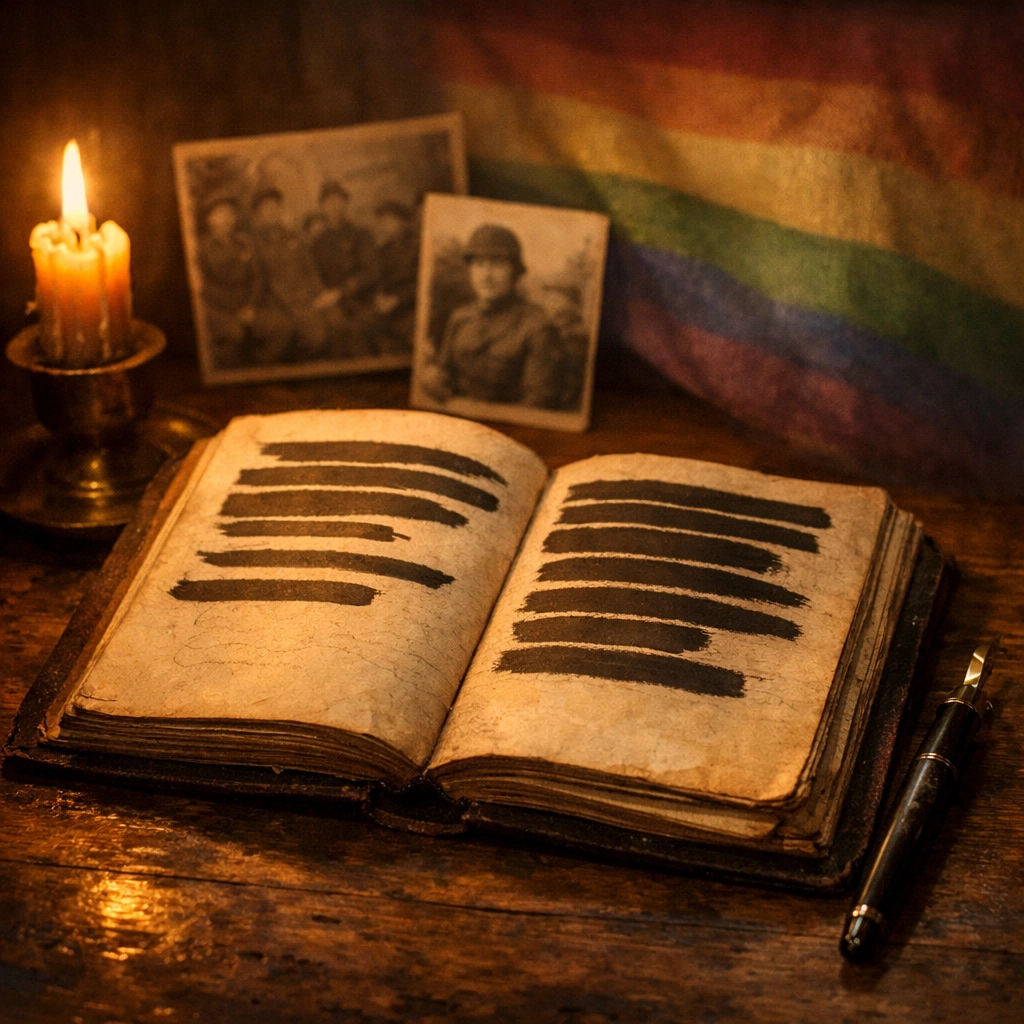
The soldiers who balanced impossible duties with hidden devotion may not have left letters or diaries. They couldn't risk it. But their experiences live on in the stories we tell now, in the MM novels that imagine what their inner lives might have been like, in the collective memory we're building of LGBTQ+ history.
Explore more compelling historical MM romance at Readwithpride.com, where every story honors the hidden histories of LGBTQ+ love across time.
Follow us for more LGBTQ+ content: Facebook | Instagram | X/Twitter
#MMRomance #HistoricalRomance #LGBTQFiction #GayRomanceBooks #ReadWithPride #QueerHistory #GayHistoricalRomance #HistoricalFiction #MMBooks #GayFiction #LGBTQBooks #QueerLiterature #GayNovels #MLMRomance #HistoricalMMRomance #GayLoveStories #QueerReads #LGBTQHistory #MilitaryRomance #WarTimeRomance

Leave a Reply
You must be logged in to post a comment.