

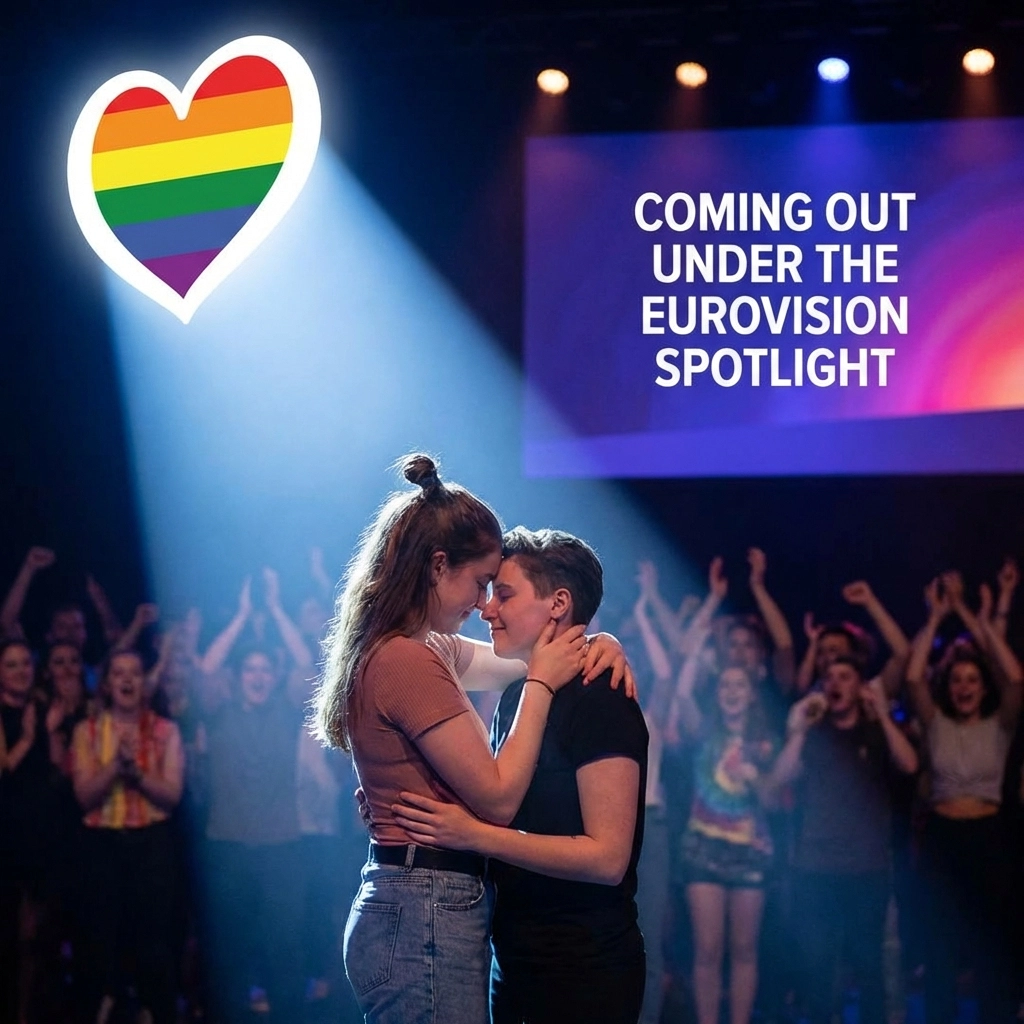
There's something magical about Eurovision week. The glitter, the drama, the absolutely bonkers staging choices: and increasingly, the heartfelt coming-out announcements. If you've been following the contest over the years, you've probably noticed a trend: artists using Eurovision's massive platform to share their authentic selves with the world. But why Eurovision? What is it about this gloriously camp, wonderfully queer spectacle that makes it the perfect moment for so many performers to say, "Hey world, this is who I really am"?
Let's dive into this beautiful tradition and explore why the Eurovision stage has become one of the most powerful coming-out platforms in entertainment history.
The Early Days: Performing in Shadows
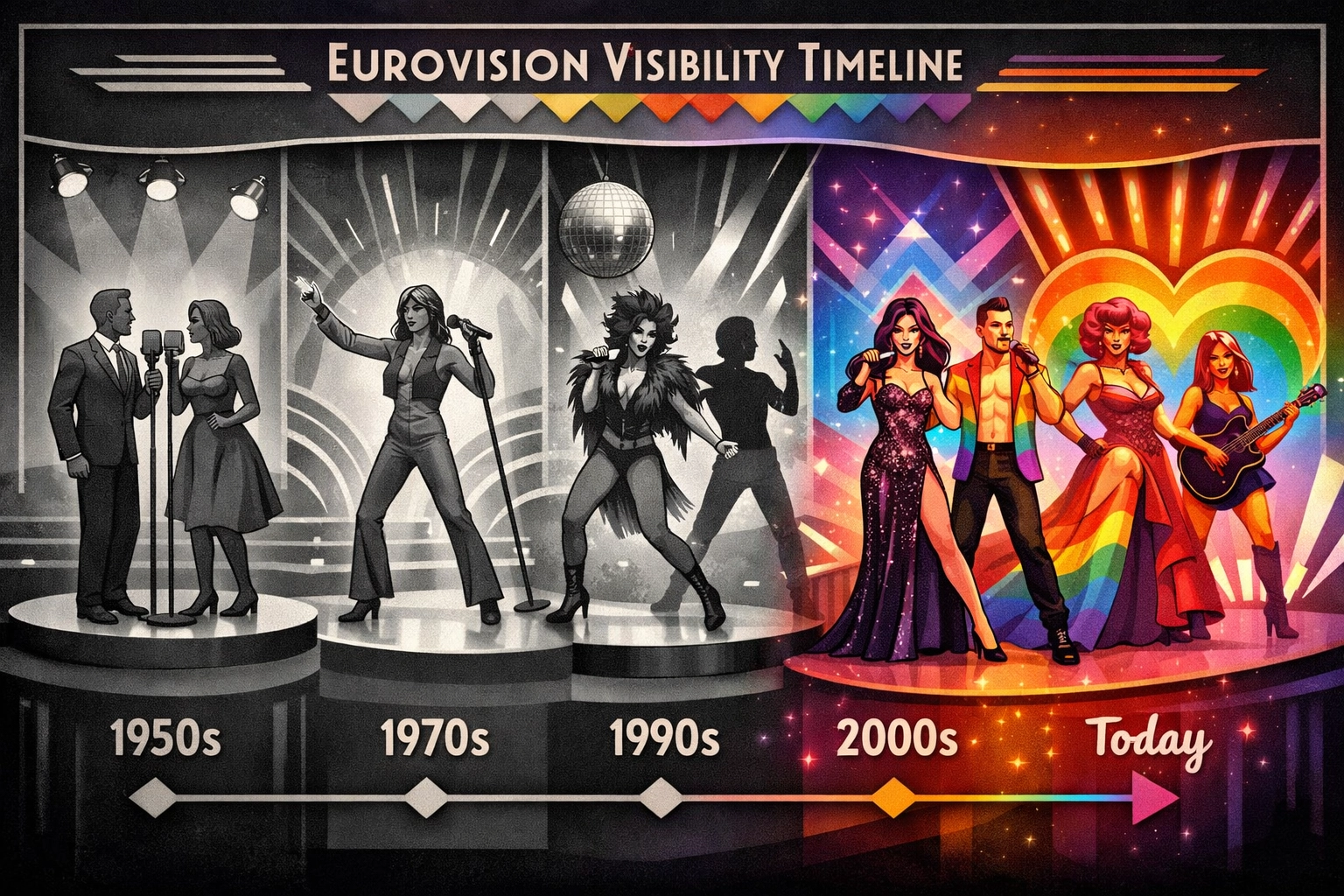
Eurovision wasn't always the beacon of LGBTQ+ visibility it is today. For decades, queer performers graced the stage while keeping their identities carefully hidden. Take Bob Benny, who represented Belgium in 1959 and 1961. He didn't publicly come out until 2001: four decades after his Eurovision appearances. The contest was there, the queer talent was there, but the world wasn't quite ready yet.
The breakthrough came in 1997 when Paul Oscar from Iceland became Eurovision's first openly gay contestant, performing "Minn Hinsti Dans." He finished 20th, but honestly? That placement doesn't matter. What matters is that he showed up, openly and proudly, when doing so was still considered risky.
The Watershed Moment
Then came 1998, and everything changed. Dana International represented Israel with "Diva" and didn't just compete: she won. As the first openly transgender performer and first trans artist to win Eurovision, Dana's victory arrived at a pivotal moment: Eurovision's first year using 100% public voting across all countries. European audiences literally voted for authenticity, for visibility, for a trans woman to take home the crown.
That's when the world noticed: Eurovision wasn't just tolerating queer performers. The audience was celebrating them.
Why Eurovision Week? The Perfect Storm
So what makes Eurovision the ideal moment for these announcements? It's not just about timing: it's about the unique ecosystem the contest creates.
The Global Stage: Eurovision reaches nearly 200 million viewers worldwide. That's a massive audience, sure, but it's also the right audience. Eurovision fans are predominantly LGBTQ+-friendly, celebrating diversity, camp, and authenticity. Coming out at Eurovision means coming out to people who are already on your side.
The Protection of Community: Unlike isolated album releases or random interviews, Eurovision surrounds artists with a built-in support system. You're part of something bigger: a tradition, a family, a moment in cultural history. When Conchita Wurst won in 2014 as the first drag queen and openly gay man to claim victory, she wasn't just representing Austria. She was representing everyone who'd ever felt different, everyone who'd ever been told they were "too much."
The Celebration Factor: Eurovision isn't a serious, stuffy awards show. It's a party. It's about joy, excess, and being unapologetically yourself. That atmosphere makes it easier to share vulnerable truths. When you're surrounded by pyrotechnics, wind machines, and dancers in LED suits, saying "I'm gay" or "I'm non-binary" doesn't feel heavy: it feels like part of the celebration.
The Timing Is Strategic: Eurovision week is intense. There are rehearsals, press conferences, social media buzz, and constant media attention. Artists can control the narrative, share their stories on their terms, and ride the wave of positive Eurovision energy. It's brilliant PR, honestly, but more importantly, it's emotionally strategic.
Recent Stories: A Growing Tradition
Since 2001, every single year has featured at least one openly queer contestant. That's consistency you can set your calendar by. And the victories keep coming:
Duncan Laurence won for the Netherlands in 2019 as the first openly bisexual victor. Nemo made history in 2024 as the first openly non-binary artist to win for Switzerland. Loreen, who won for Sweden in both 2012 and 2023, came out as bisexual in 2017: between her two victories. Her story shows how Eurovision creates a safe space to evolve publicly, to share new chapters of your identity journey.
But not everyone comes out before their Eurovision moment. Marija Šerifović won for Serbia in 2007 and came out publicly as a lesbian six years later in 2013. Salvador Sobral, Portugal's 2017 winner, recently revealed he's intersex. These post-Eurovision announcements carry their own power: they show that the contest's impact lingers, that the community remains supportive, that there's no expiration date on authenticity.
The Ripple Effect Beyond the Stage
What's particularly beautiful about this tradition is how it extends beyond the artists themselves. When millions of viewers watch someone come out on the Eurovision stage, when they see that person celebrated rather than rejected, it changes hearts and minds. Kids watching at home see role models. Parents see that LGBTQ+ people aren't something to fear. Countries with oppressive laws see their citizens voting for queer artists, creating tiny cracks in the foundation of discrimination.
At Read with Pride, we understand this power of visibility. Just like Eurovision gives artists a platform to share their authentic selves, we're dedicated to amplifying LGBTQ+ voices through stories that matter. Whether it's MM romance books that celebrate gay love stories or LGBTQ+ fiction that explores the complexity of queer identity, representation matters: on stage and on the page.
The Numbers Tell the Story
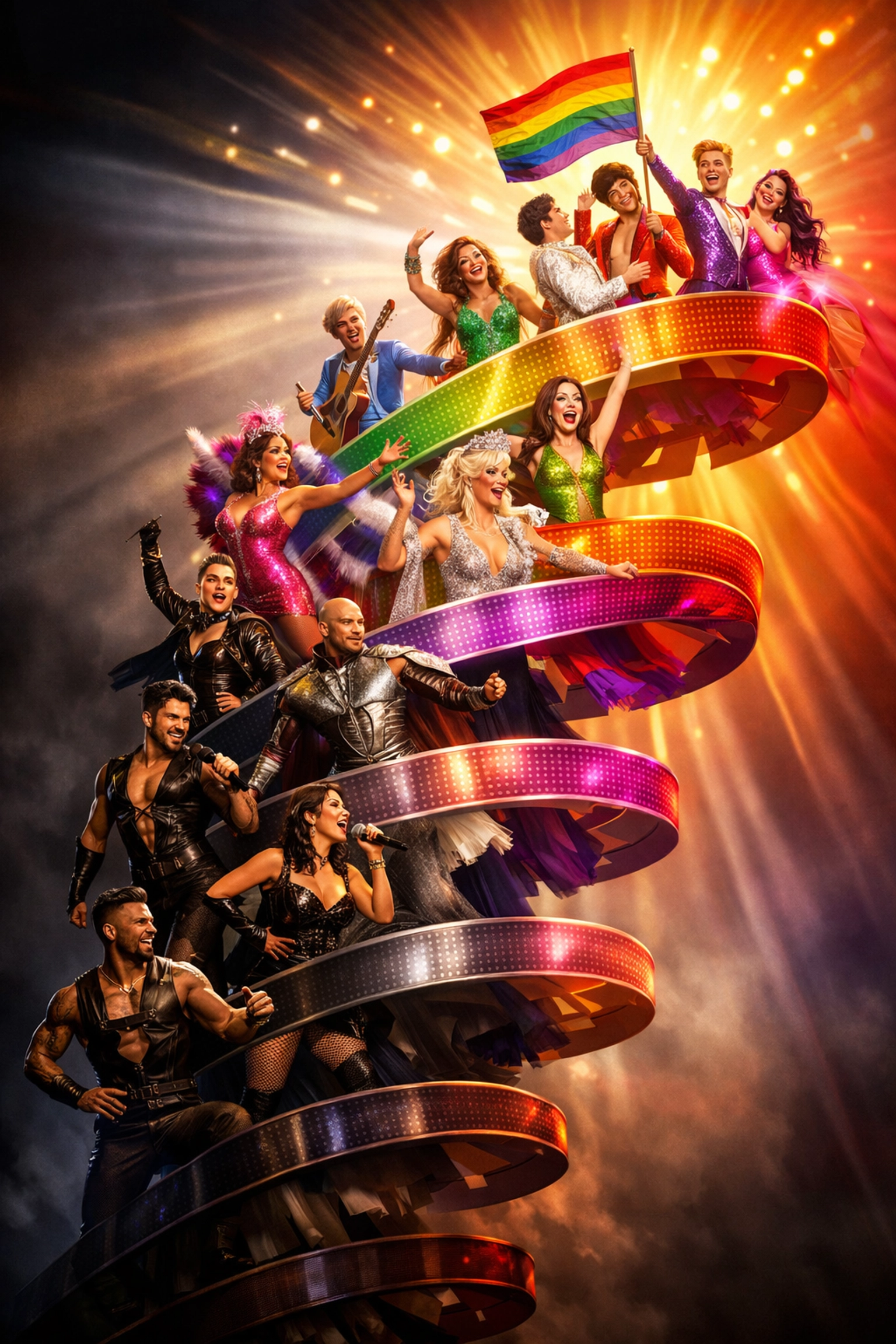
The growth has been exponential. In 2016, 2021, and 2024, eight countries each year were represented by openly queer artists. Eight! That's nearly a fifth of the competition. Eurovision has evolved from having one brave soul like Paul Oscar stand alone to having entire lineups that reflect the beautiful diversity of the LGBTQ+ community.
This isn't tokenism. This isn't pandering. This is genuine cultural shift, powered by artists who refuse to hide and audiences who refuse to accept anything less than authenticity.
What This Means for the Future
The tradition continues to evolve. We're seeing more non-binary artists, more trans representation, more intersex visibility. The conversations are getting deeper, more nuanced. It's not just about being "out" anymore: it's about celebrating the full spectrum of LGBTQ+ identities in all their complexity.
And here's the thing: every artist who comes out during Eurovision week makes it easier for the next one. They're building a legacy, creating a tradition that says, "This is a safe space. This is where you can be yourself. This is where the world will celebrate you, not despite who you are, but because of it."
The Bottom Line
Eurovision's coming-out tradition isn't an accident. It's the natural result of a contest that's always been a little bit queer, a little bit rebellious, and a whole lot fabulous. It's what happens when you create a space that celebrates authenticity, when you give artists a global platform and an audience ready to embrace them.
So the next time you're watching Eurovision and an artist shares their truth during the broadcast week, remember: you're witnessing something bigger than a singing competition. You're watching history being made, one authentic moment at a time.
Want more stories celebrating LGBTQ+ culture, history, and love? Follow us on Instagram, Facebook, and X for daily doses of queer joy. And check out our collection of gay romance novels and MM fiction at readwithpride.com: because everyone deserves love stories that reflect their truth.
#Eurovision #LGBTQHistory #ComingOut #QueerVisibility #ReadWithPride #MMRomance #GayRomance #LGBTQFiction #QueerCulture #Representation #AuthenticityMatters #EurovisionHistory #TransVisibility #NonBinaryPride #GayBooks #LGBTQBooks #QueerStories #PrideMonth #LoveIsLove #BeYourself

Leave a Reply
You must be logged in to post a comment.