

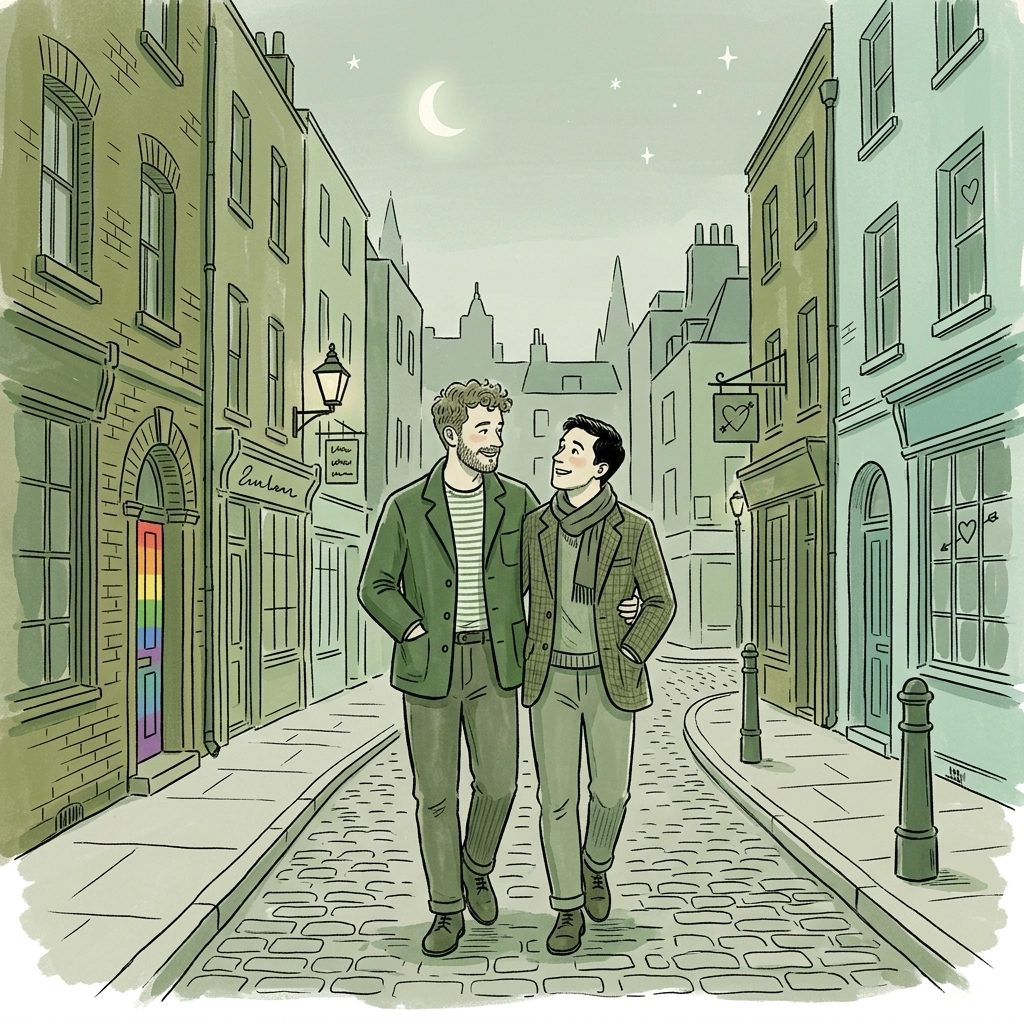
If you’ve ever spent a Saturday night in Soho, you know the vibe. The neon lights of Old Compton Street, the thumping bass from the bars, and the sheer, unapologetic energy of the crowd. It feels like the heart of queer London because, well, it is. But if you think Soho’s history started with the opening of Comptons in the 80s, you’re only seeing the surface.
Beneath the pavement of this square mile lies a history of defiance, secret codes, and narrow escapes. Understanding the secret queer history of Soho doesn't just give you cool trivia for your next pub crawl; it fundamentally changes the way you see the city. It transforms London from a collection of cold monuments into a living, breathing map of resilience.
Coming Out Later in Life: Stories of Courage and Discovery
Before we dive deep into the 18th-century "Molly Houses" or the jazz-soaked underground of the 1930s, I want to talk about something that connects the past to the present: Coming Out Later in Life: Stories of Courage and Discovery.
In many of our favorite MM romance novels, we see young protagonists finding themselves in their twenties. But Soho has always been a sanctuary for those whose journey took a little longer. Historically, Soho was the place where men who had spent decades living "traditional" lives: perhaps with wives and children in the suburbs: would come to find the pieces of themselves they’d kept hidden.
Imagine a man in the 1950s, arriving at Charing Cross, heart hammering, walking toward the dimly lit basement clubs of Soho. For him, coming out wasn’t a public announcement; it was a quiet discovery in a smoke-filled room. These stories of courage are etched into the very bricks of the district. It reminds us that it is never too late to seek your truth, a theme we love to explore in M/M books that prioritize emotional depth and the "better late than never" discovery of love.

The 1700s: The Era of the Molly Houses
If you think the "gay scene" is a modern invention, think again. As far back as the 1700s, London had a thriving network of "Molly Houses." These were private rooms in taverns or private homes where men could meet, socialize, and express their identity.
One of the most famous (or infamous) was Mother Clap’s Molly House in Holborn, but the spirit of these gatherings quickly migrated toward the edges of Soho. In these spaces, men created their own language and rituals. They weren't just "finding partners"; they were building a culture. When you walk past a modern-day pub in Soho, try to imagine it three hundred years ago: curtains drawn, a fiddle playing, and a group of men finally feeling safe enough to be themselves in a world that wanted them silenced.
Oscar Wilde and the Shadow of the Law
No conversation about Soho’s queer history is complete without mentioning Oscar Wilde. While he lived a flamboyant life that eventually led to his tragic downfall, his presence in Soho: specifically at places like Kettner’s on Romilly Street: cemented the area as a hub for the bohemian and the "transgressive."
Wilde’s story is a reminder of the high stakes involved in being a queer man in London. It wasn’t all parties and poetry; it was a constant dance with the legal system. This tension is what makes gay historical romance so compelling. The danger was real, but the love was even more potent because of it. When you look at the blue plaques around Soho today, you’re looking at a map of survival.

The Secret Jazz Age: The Caravan Club and Beyond
Fast forward to the 1930s. Soho was the place to be if you wanted to escape the rigid morality of the era. The "Caravan Club" on Endell Street was a basement club described by police as a "sink of iniquity." In reality, it was a place where men could dance together: something that was technically illegal and frequently resulted in raids.
What’s fascinating about this era is how the queer scene intersected with the burgeoning jazz scene. Soho became a melting pot. It was gritty, it was dangerous, and it was beautiful. For a man coming out later in life during this period, these clubs offered a sensory overload of freedom. The music, the illegal gin, and the sight of other men in each other's arms offered a vision of a life they might never have thought possible.
The Resilience of the 90s and the Admiral Duncan
To understand Soho, you have to understand its pain as well as its joy. In 1895, the Admiral Duncan on Old Compton Street became the target of a horrific hate crime. A neo-Nazi nail bomb attack killed three people and injured dozens more.
But look at Soho today. The community didn't run. They didn't hide. The Admiral Duncan remains a cornerstone of the community. That resilience is why we read with pride. It’s why we support queer fiction and gay novels that don't shy away from the struggles of the past while celebrating the triumphs of the present.
Understanding this event changes how you walk down Old Compton Street. It’s no longer just a place for a fun night out; it’s a place of reclaimed territory. Every flag flying from a balcony is a tribute to those who stood their ground.

Why This History Matters for Readers and Writers
As a publisher at eBooks by Dick Ferguson, I often see how history informs the stories we tell today. Whether it’s a gay thriller set in the dark alleys of 1950s London or a gay contemporary romance set in a modern Soho flat, the "ghosts" of the past are always there.
When you understand the secret history of Soho:
- The settings become characters: You realize that a basement bar isn't just a room; it’s a fortress.
- The stakes feel higher: You understand the weight of a public kiss when you know the history of the men who were arrested for it.
- The community feels larger: You realize you aren't just a reader; you are part of a lineage of people who have found solace in these stories for centuries.
Finding Your Own Story in Soho
London is a city that hides its best secrets in plain sight. Next time you’re in the West End, take a moment to look past the modern storefronts. Think about the Molly Houses, the underground jazz clubs, and the men who paved the way for the freedoms we enjoy today.
If you’re looking for more stories that capture the heart and soul of the queer experience: from steamy MM romance to heartfelt gay fiction: you’re in the right place. Our collection at Read with Pride is dedicated to bringing you the best in LGBTQ+ ebooks, celebrating everything from historical courage to modern-day love stories.
Check out our latest releases and find your next favorite read at our store: https://readwithpride.com/e-book-store/dickfergusonwriter/
Soho’s history belongs to all of us. It’s a story of discovery, courage, and the enduring power of being exactly who you are.
Follow us on social media
Keep up with the latest in MM romance and queer literature:
- Instagram: https://www.instagram.com/dickfergusonwriter
- X (Twitter): https://www.x.com/DickFergus94902
- Facebook: https://www.facebook.com/profile.php?id=61572869844598
- Website: www.readwithpride.com
#ReadWithPride #LGBTQBooks #MMRomance #QueerHistory #SohoLondon #GayFiction #GayLiterature #Writewithpride #ReadingWithPride
Daily Blog Post Options for Dick Ferguson:
- Option 1: The Evolution of the "Grumpy x Sunshine" Trope in MM Romance – An exploration of why this dynamic remains a fan favorite and how modern authors are subverting expectations.
- Option 2: Hidden Gems: 5 MM Historical Novels Set in Victorian London – A curated list for fans of the era, focusing on the atmospheric settings and the "forbidden love" stakes.
- Option 3: Why Representation Matters: The Rise of Neurodivergent Characters in Queer Fiction – A look at how expanding the "Reader Profile" to include diverse mental and emotional experiences is enriching the MM genre.

Leave a Reply
You must be logged in to post a comment.