

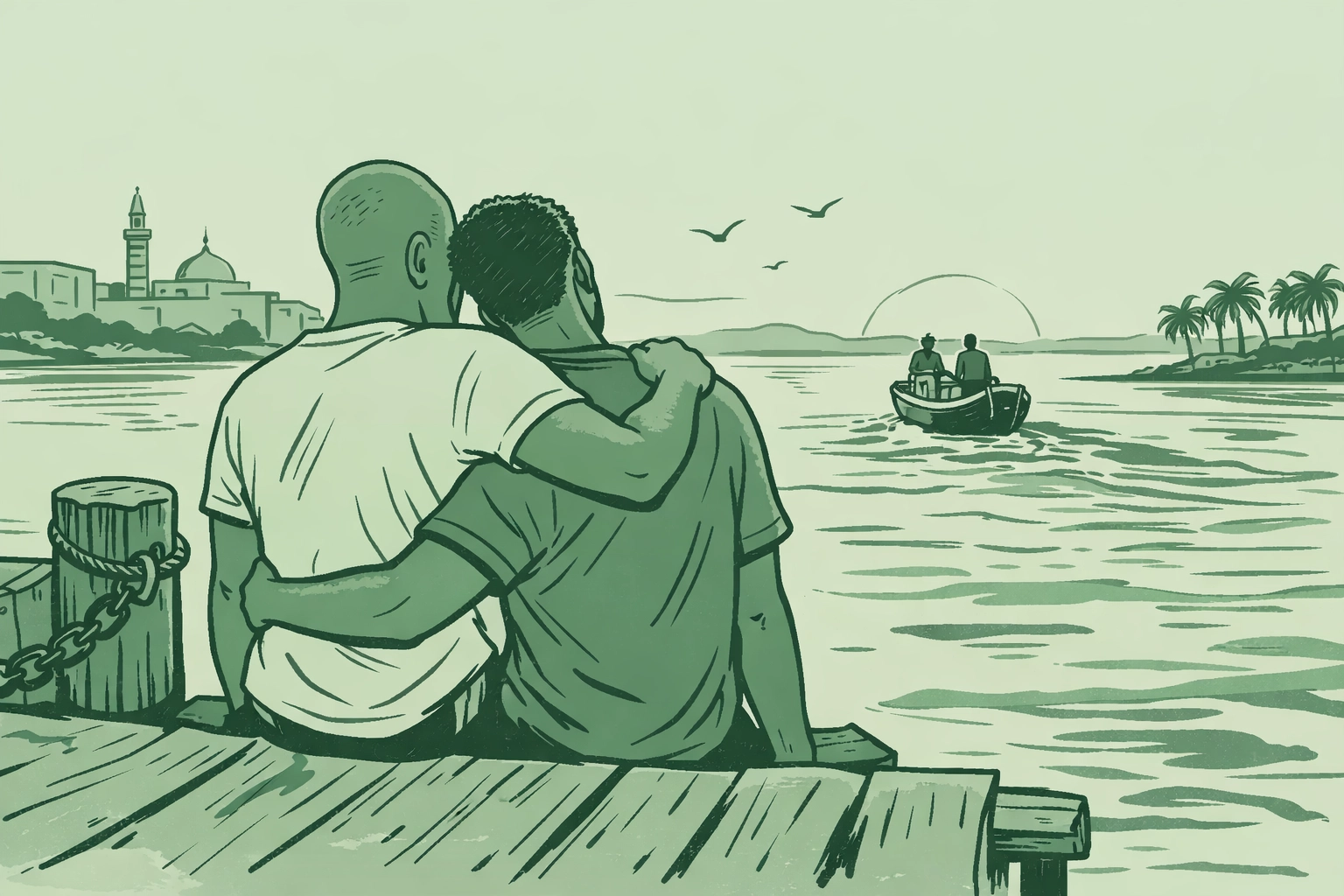
The Reality of Fleeing Persecution
Over 60 countries still criminalize same-sex intimacy. In The Gambia, being LGBTQ+ carries a prison sentence of up to 14 years. Over 71 million LGBTQ+ people live in nations where their identity is against the law. This isn't history: this is happening right now, in 2026.
For many gay men and women in Banjul, the capital of The Gambia, survival means escape. It means leaving everything behind: family, friends, language, culture: to reach a place where simply existing isn't a crime.
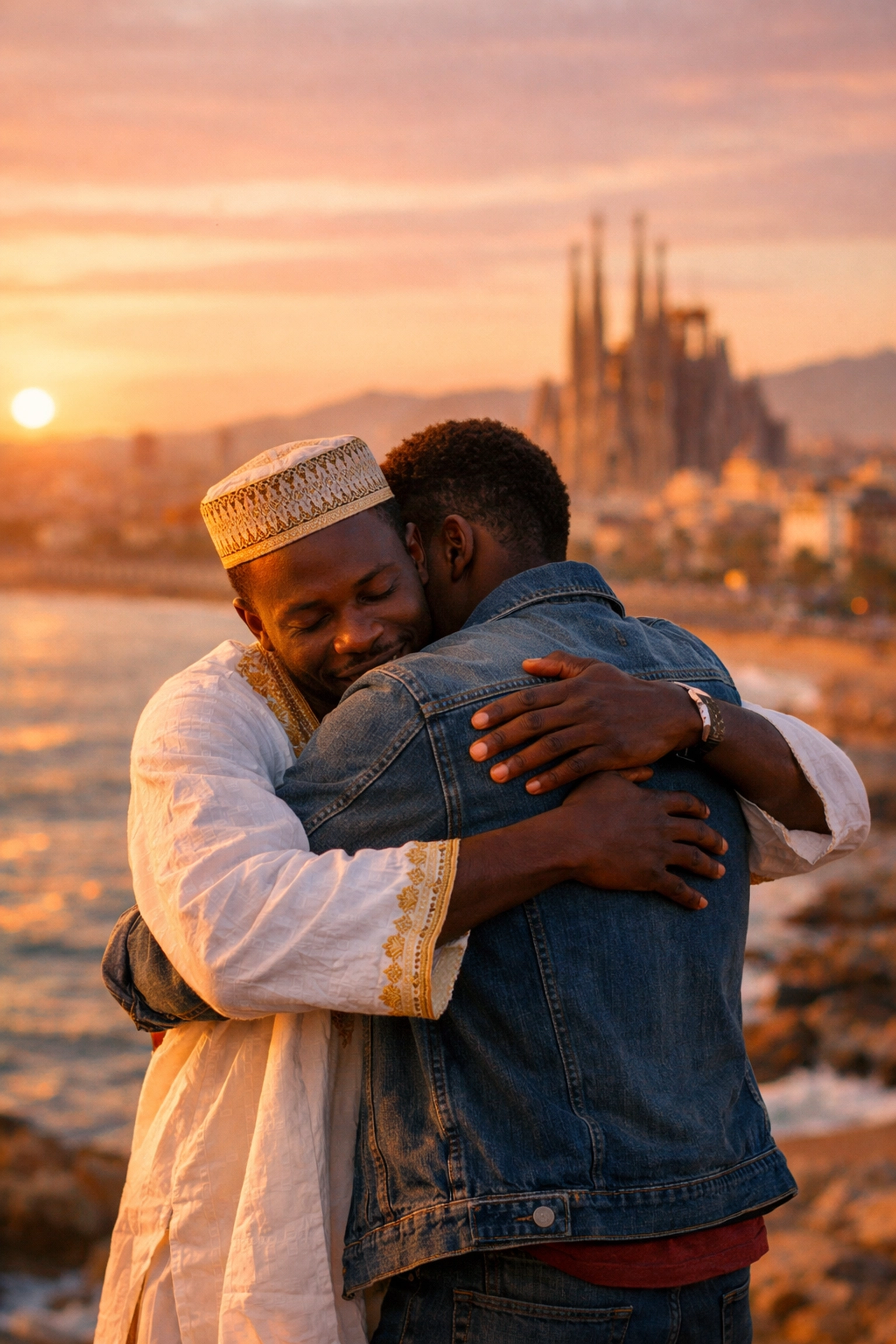
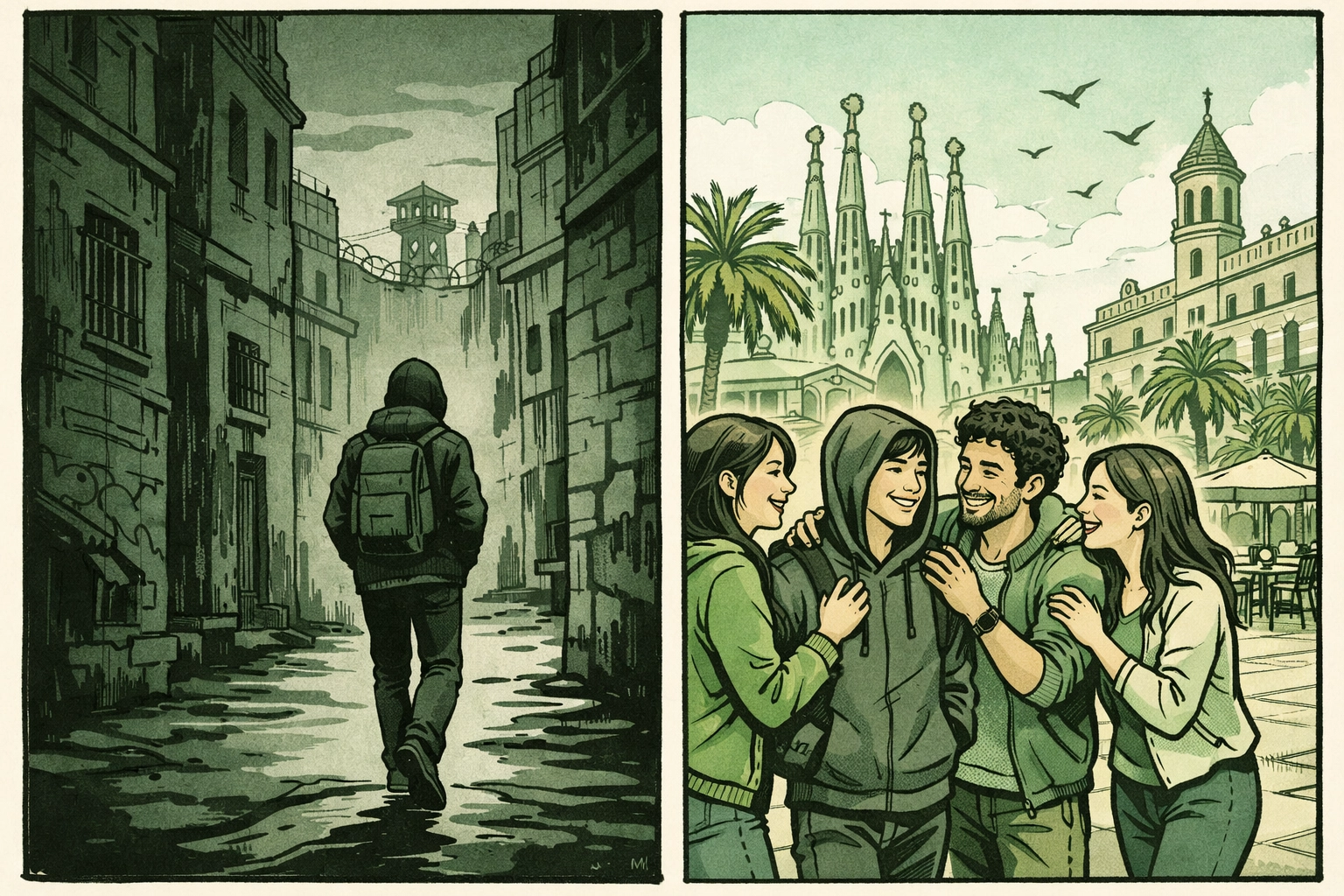
One Journey from Banjul to Barcelona
Mamadou's story mirrors thousands of others. At 24, he worked as a teacher in Banjul. He kept his identity hidden, dated women publicly, and lived in constant fear. When a former partner threatened to expose him to authorities, he had 48 hours to decide: face imprisonment and violence, or flee.
He chose Barcelona. Not because he knew the city. Not because he spoke Spanish. But because local LGBTQ+ NGOs had established pathways for asylum seekers from West Africa.
The journey took three months. Bus routes through Senegal and Mali. A dangerous Mediterranean crossing. Detention in Spain. Interviews with immigration officials who questioned whether his fear was "legitimate enough."
The Barcelona Lifeline
Barcelona has become a sanctuary city for LGBTQ+ refugees. Organizations like ACATHI (Catalan Association of Support to LGBTI Immigrants) and Fundació Surt provide legal assistance, housing support, language classes, and psychological counseling.
These NGOs don't just process paperwork. They rebuild lives.
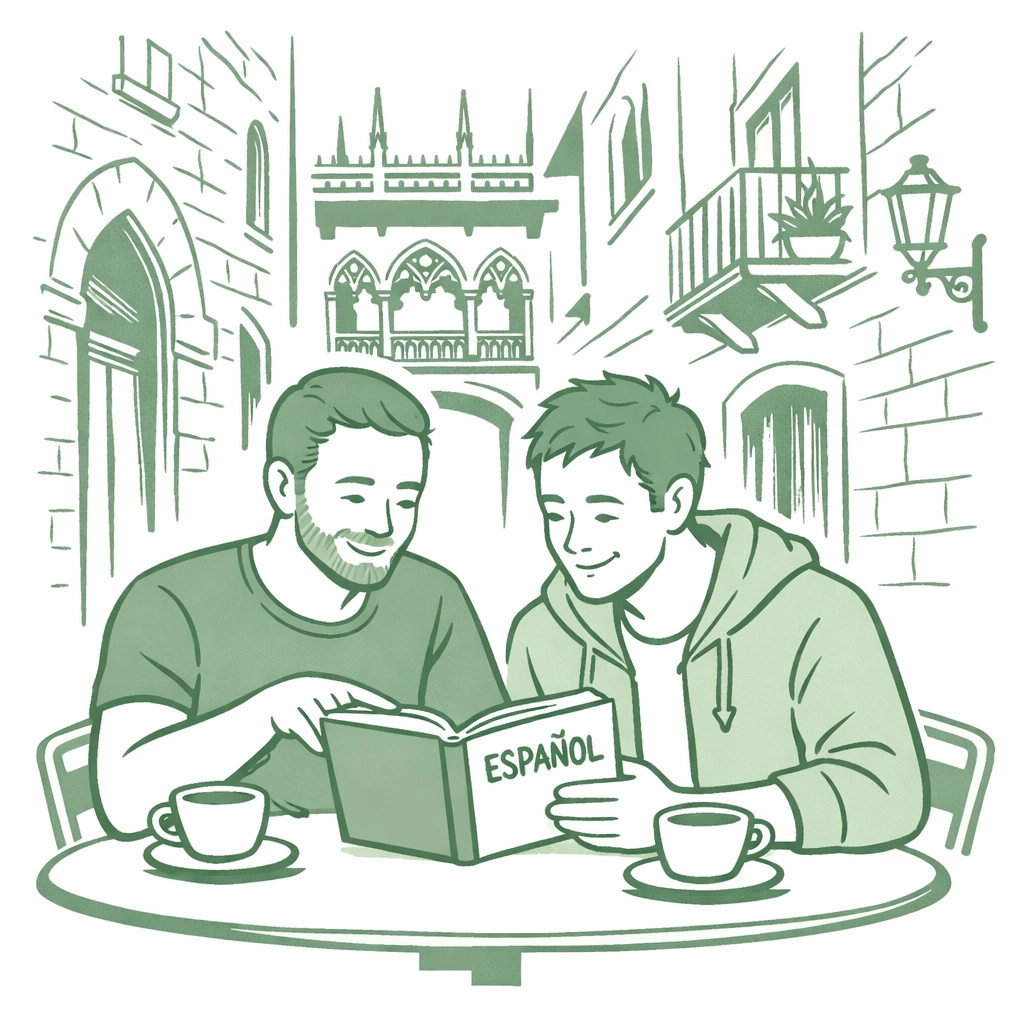
For Mamadou, ACATHI connected him with a shared flat in the Raval neighborhood. They enrolled him in Spanish classes. They found him a volunteer position teaching English to other refugees. Within six months, he had a support network: other gay men from Nigeria, Uganda, Morocco, and Mauritania who understood his journey without explanation.
The Legal Maze of Asylum
Securing asylum based on sexual orientation remains complicated. Applicants must "prove" their identity to immigration officials: a process that can feel invasive and retraumatizing. Many countries require evidence that may not exist: photographs, social media posts, witness statements from partners.
Spain, to its credit, has improved its asylum process for LGBTQ+ applicants. The country granted protection to 72% of sexual orientation-based asylum claims in 2025: one of the highest rates in Europe. Barcelona's municipal government actively supports these applications through legal aid programs.
Still, the wait averages 18-24 months. During this time, asylum seekers exist in limbo: unable to work legally, dependent on NGO support, uncertain of their future.
Building Community from Scratch
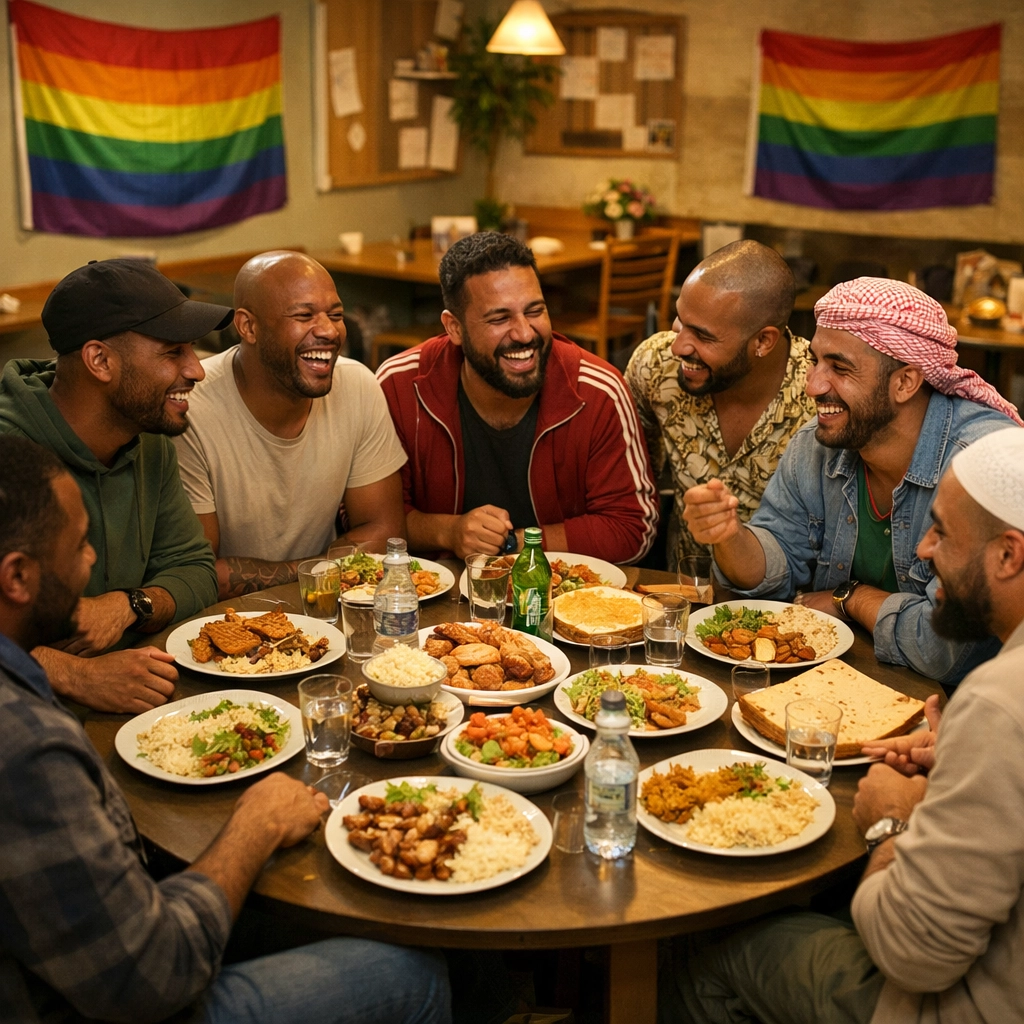
The human spirit proves remarkably resilient. In Barcelona's Gaixample neighborhood: the city's historic gay district: refugee support groups meet weekly at the Casal Lambda community center.
Here, men share meals, practice Spanish, and simply exist without fear. They attend Pride Barcelona together: for many, their first experience of public LGBTQ+ visibility. They celebrate each other's asylum approvals. They mourn together when applications get denied.
Mamadou now volunteers at Casal Lambda, helping newer arrivals navigate the system. He's learned Catalan alongside Spanish. He's working toward official teaching credentials. He's dating openly for the first time in his life.
"In Banjul, I survived," he explains. "In Barcelona, I'm finally living."
The Global Crisis Continues
The Gambia represents just one piece of a global crisis. Russia expanded its anti-LGBTQ+ laws in 2025. Uganda's death penalty provisions for "aggravated homosexuality" remain in effect. Iran, Saudi Arabia, Yemen, Nigeria, Somalia, and Mauritania continue executing LGBTQ+ individuals.
Even in countries without death penalties, state-sanctioned violence flourishes. Police raids on LGBTQ+ gatherings. Forced "conversion therapy." Mob violence encouraged by government rhetoric. Family rejection backed by legal frameworks.
The result: a constant flow of refugees seeking safety. Mediterranean routes remain deadly: over 2,800 migrants died attempting the crossing in 2025 alone. Land routes through Eastern Europe expose LGBTQ+ refugees to violence from both authorities and fellow migrants.
How NGOs Make the Difference
Organizations like ACATHI operate on limited budgets, often funded by municipal governments and private donations. They provide:
- Emergency housing for newly arrived refugees
- Legal representation during asylum proceedings
- Language and job skills training
- Mental health support for trauma
- Community building programs
- Advocacy work to improve asylum policies
These services cost money. A single asylum case requires 60-80 hours of legal work. Housing support runs €400-600 monthly per person. Language courses, therapy sessions, and skills training add to costs.
Yet these NGOs transform lives. Success rates for legally represented asylum seekers exceed 80%. Refugees with housing support show 70% lower rates of depression and anxiety. Language programs enable 65% of participants to find employment within two years.
The Publishing Connection
Stories like Mamadou's deserve wider recognition. The Private Self: A Guide to Honoring Your Truth in Your Own Time and Beyond the Closet Door: A Gay Man's Coming Out Plan provide context for the journeys LGBTQ+ individuals undertake: whether coming out in hostile environments or rebuilding lives in new countries.
LGBTQ+ literature plays a crucial role in documenting these experiences. Gay fiction, MM romance, and queer memoirs preserve stories that might otherwise disappear. They create empathy across borders. They remind readers in safe countries that freedom remains conditional for millions worldwide.
What You Can Do
Supporting LGBTQ+ refugees doesn't require moving to Barcelona or working for an NGO. Practical actions include:
- Donating to organizations like Rainbow Railroad, ACATHI, or the UNHCR's LGBTI refugee programs
- Supporting LGBTQ+ literature that tells refugee stories
- Advocating for improved asylum policies in your country
- Amplifying refugee voices on social media
- Volunteering with local refugee support organizations
Every contribution matters. €50 provides a week of emergency housing. €100 funds ten hours of legal representation. €500 covers a complete language course.
Barcelona's Example
Barcelona demonstrates what's possible when cities prioritize refugee welfare. The municipal government allocated €3.2 million to refugee support services in 2025. The city provides free Catalan classes, subsidized housing, and direct financial assistance during asylum processing.
This investment pays returns. Former refugees contribute to Barcelona's economy, culture, and social fabric. They open businesses, work in schools and hospitals, and enrich the city's diversity. They prove that providing sanctuary isn't charity: it's an investment in shared humanity.
Mamadou now mentors five new arrivals from West Africa. He's writing about his experience: documenting the journey from Banjul to Barcelona for others who might follow. He's building a life that seemed impossible three years ago.
"Barcelona gave me more than safety," he reflects. "It gave me the chance to become who I always was."
The Ongoing Struggle
The fight for LGBTQ+ rights remains global. While Barcelona celebrates Pride and Madrid hosts Europride 2026, people in Banjul still fear for their lives. While bookstores in London and New York stock MM romance and gay fiction, LGBTQ+ literature remains banned in dozens of countries.
The chains of persecution persist. But so does the resilience of those who escape them. Every successful asylum claim. Every refugee who rebuilds a life. Every NGO that provides support. These represent victories worth celebrating and supporting.
Explore more LGBTQ+ stories and perspectives at Read with Pride and discover our full collection of gay romance books, MM fiction, and queer literature at dickfergusonwriter.com.
Follow us on social media:
- Instagram: @dickfergusonwriter
- X/Twitter: @DickFergus94902
- Facebook: Dick Ferguson Writer
#ReadWithPride #LGBTQRefugees #GayRights #MMRomance #QueerFiction #GayBooks #LGBTQEbooks #HumanRights #AsylumSeekers #BarcelonaPride #GayLiterature #LGBTQSupport #RefugeeStories #ReadingWithPride #GayFiction #QueerLiterature #LGBTQCommunity #MMFiction #GayNovels

Leave a Reply
You must be logged in to post a comment.