

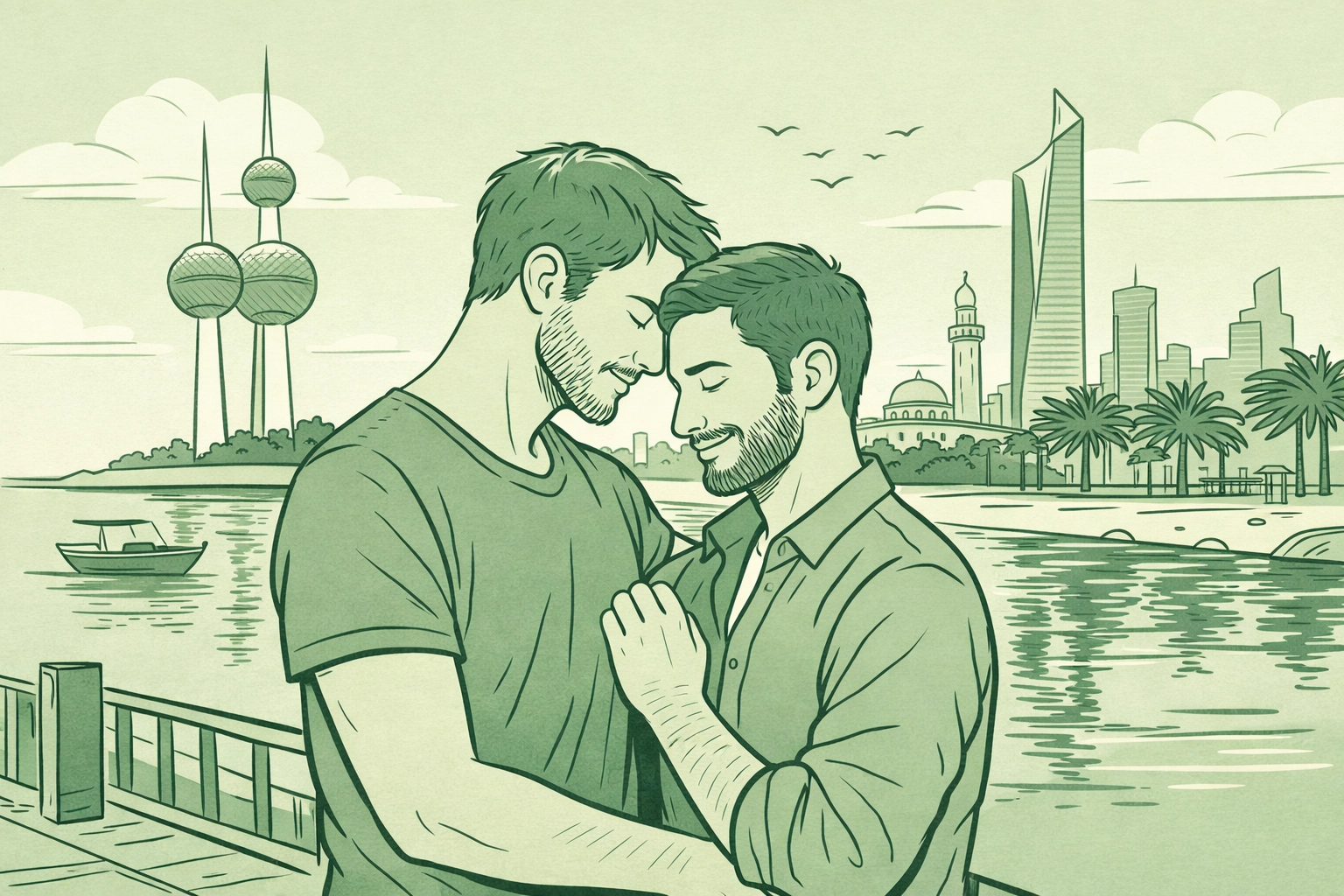
When Your Life Depends on a VPN
Article 193 of Kuwait's Penal Code criminalizes same-sex intimacy with up to seven years imprisonment. For Ahmad, not his real name, this wasn't just a legal statute. It was the reason he checked his phone's screen brightness before opening certain apps. The reason he never saved photos. The reason he lived two entirely separate lives in the same body.
Kuwait City gleams with modern architecture and ambitious cultural projects like Al Shaheed Park, but beneath the polished exterior exists a parallel reality for LGBTQ+ individuals. Ahmad knew the Mirror House, that remarkable private residence covered entirely in mirror mosaics, but he could never truly reflect himself in public. His real identity existed only in encrypted messages and carefully curated online spaces where he could finally breathe.
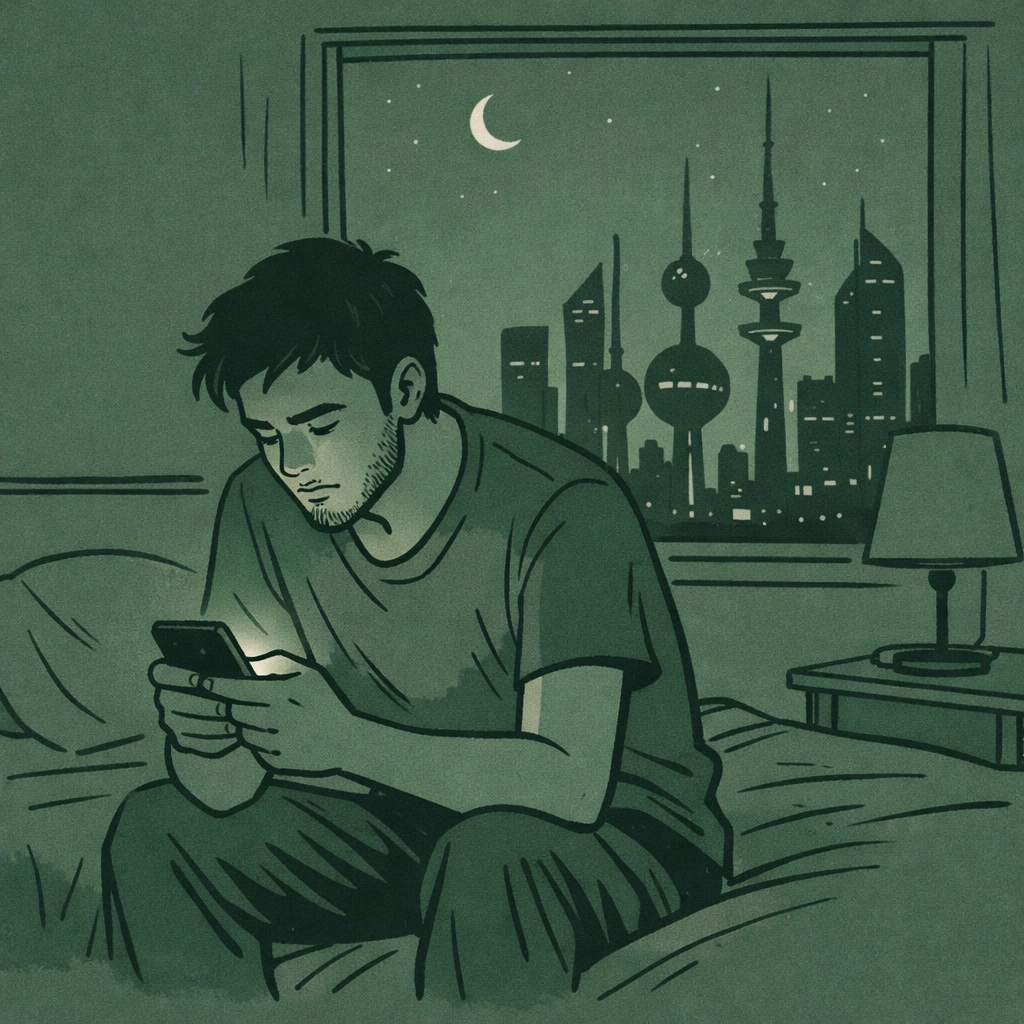
The Digital Lifeline
For queer Kuwaitis, the internet isn't entertainment, it's survival infrastructure. Ahmad discovered Reddit forums at 19, then Telegram groups, then carefully vetted Discord servers where Gulf region LGBTQ+ people shared information about everything from which VPN services actually worked to which foreign embassies were sympathetic to asylum cases.
Every conversation carried risk. Kuwait's government monitors online activity. Police have posed as gay men on dating apps to entrap and arrest users. Ahmad learned to recognize the patterns, profiles that seemed too eager, too perfect, asking to meet too quickly. He memorized which coffee shops had security cameras pointed at outdoor seating. He never, ever used geolocation services.
But the digital world also showed him what freedom looked like. YouTube videos of Pride parades in Chicago. Instagram accounts of openly gay couples sharing mundane morning coffee photos, the kind of ordinary life that felt extraordinary when you'd never witnessed it. TikTok creators discussing their coming out stories with their families, something unimaginable in Kuwait where family honor killings, though illegal, still occur.
Planning in Silence
Ahmad worked as a graphic designer for an advertising agency. Professional. Respected. Completely closeted. His coworkers invited him to family gatherings and kept suggesting single women they knew. He smiled and deflected, building his secret exit strategy one encrypted file at a time.
The planning took fourteen months. He researched asylum laws in the United States, Canada, and several European countries. He saved money in ways that wouldn't trigger questions, canceling subscriptions, eating simply, avoiding the shopping culture that defines much of Gulf social life. He couldn't tell anyone. Not his sister, who he was close to. Not his university friends. Certainly not his parents.
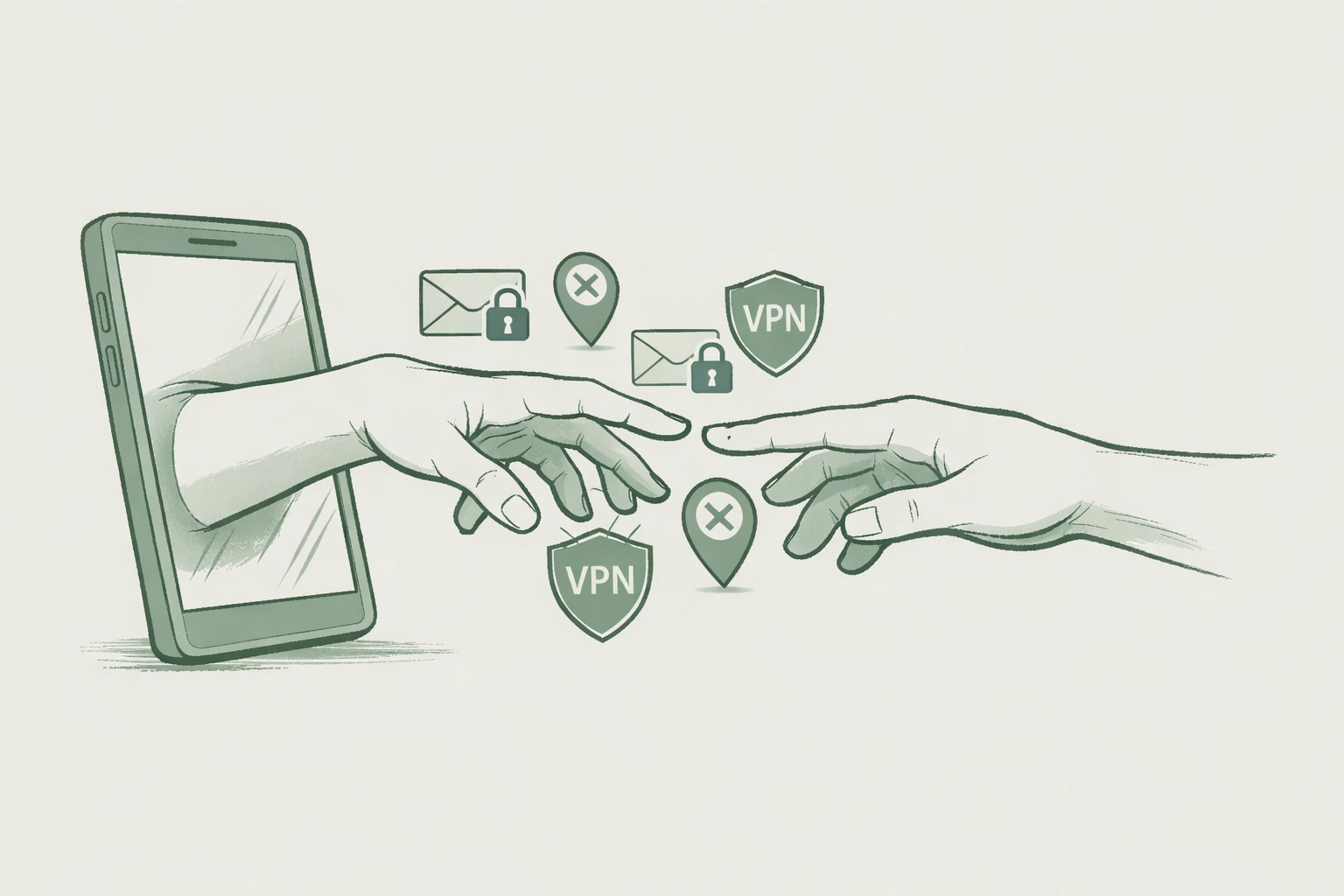
Online forums taught him the terminology: "credible fear interview," "asylum application," "supporting documentation." Other escapees shared their timelines, how long they waited in airports, which airports had the most sympathetic immigration officials, what questions to expect. The information was crowdsourced survival.
He chose Chicago for practical reasons. The city had established LGBTQ+ support organizations specifically for asylum seekers. Illinois had strong anti-discrimination protections. And crucially, several members of his online support network had successfully settled there and offered to help newcomers navigate housing, employment, and the overwhelming bureaucracy of building a new legal identity.
The Day Everything Changed
Ahmad bought his one-way ticket to Chicago through a travel agency, booking it as a business trip for a supposed design conference. He packed lightly, one suitcase that wouldn't raise suspicions. He told his family he'd be back in two weeks.
The night before his flight, he visited his favorite spot in Kuwait City, the quiet gardens of Tareq Rajab Museum, where Islamic art and cultural treasures told stories of a heritage he loved but couldn't fully claim as long as it demanded his erasure. He memorized the calligraphy patterns, knowing he was saying goodbye to more than a country. He was leaving his entire previous life behind.
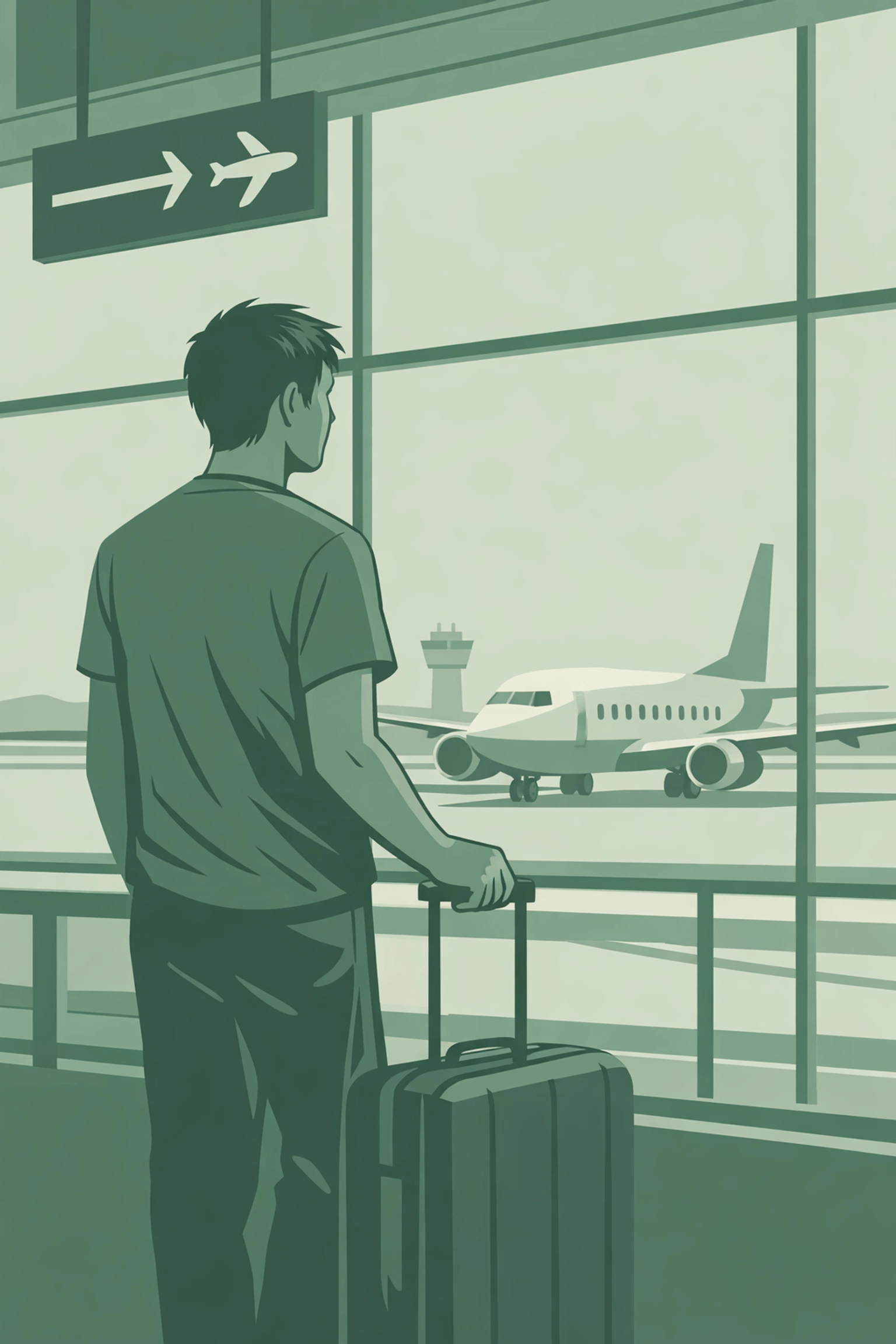
At Kuwait International Airport, he moved through security with carefully practiced calm. Every checkpoint felt like an eternity. What if they searched his phone despite the factory reset? What if they asked too many questions? His asylum research was memorized, not written down, but paranoia whispered that somehow they'd know.
The flight attendant's announcement: "Welcome aboard our flight to Chicago O'Hare": hit differently than any words he'd heard before. As the plane lifted off Kuwaiti soil, Ahmad experienced something he'd only read about in those online forums: the overwhelming, terrifying, liberating realization that he was free.
Arrival and Aftermath
O'Hare International Airport processes thousands of international travelers daily. Ahmad joined the asylum seekers' line, his memorized statement ready. The interview lasted hours. He presented his case: documentation of Kuwait's anti-LGBTQ+ laws, screenshots (carefully anonymized) of online harassment, evidence of the risks he faced.
The immigration officer asked direct questions: "Why can't you be discreet?" "Have you actually been arrested?" These questions reveal a fundamental misunderstanding: that persecution only counts if it's already destroyed you, not if you've successfully hidden long enough to escape it.
Ahmad was granted temporary protected status and released to await his asylum hearing. Members of his online network met him outside the airport. They'd been in his exact position months or years earlier. They took him to a studio apartment they'd helped arrange, showed him how to apply for a work permit, introduced him to the Center on Halsted: one of the Midwest's largest LGBTQ+ community centers.
His first weeks in Chicago felt surreal. He could walk down Boystown holding another man's hand. He could say "my boyfriend" without dropping his voice. He could exist on dating apps without fear of arrest. The ordinariness of it: the beautiful, simple ordinariness: sometimes made him cry.
The Price of Freedom
Ahmad's asylum case took nineteen months to process. During that time, his family in Kuwait discovered why he'd never returned. His mother stopped answering his calls. His father sent one message: "You are not my son." His sister sends occasional brief texts, but she's under pressure not to communicate.
This is the bargain. Safety in exchange for family. Freedom to exist openly in exchange for everyone and everything you knew before. Ahmad doesn't regret his choice: he's alive, himself, building a real life: but the loss is permanent and profound.
He works now as a freelance designer, specializing in branding for LGBTQ+ businesses. He volunteers with Rainbow Railroad and similar organizations that help LGBTQ+ people escape persecution. He shares his story carefully, anonymously, on the same types of forums that once saved him, so others planning their own escapes can learn from his experience.
The Digital Underground Continues
There are thousands more like Ahmad still in Kuwait, in Saudi Arabia, in Iran, in the seventy-plus countries where being LGBTQ+ remains criminalized. They're reading this kind of story right now, through VPNs and encrypted browsers, gathering information and hope in equal measure.
The digital world remains their window. Online communities provide not just information but proof that escape is possible, that people do make it out, that life beyond criminalization exists. Every success story shared: carefully, anonymously: becomes a lifeline for someone else still living under the radar.
Stories of LGBTQ+ resilience, courage, and survival matter. At Read with Pride and eBooks by Dick Ferguson, we believe in centering queer voices and experiences: including those still fighting for the basic right to exist safely. Explore our collection of gay romance, MM fiction, and LGBTQ+ literature that celebrates queer lives in all their complexity.
Follow us on social media:
Instagram: @dickfergusonwriter
X/Twitter: @DickFergus94902
Facebook: Dick Ferguson Writer
Website: www.readwithpride.com
#ReadWithPride #LGBTQRefugees #GayRights #MMRomance #QueerFiction #LGBTQBooks #GayLiterature #PrideMatters #LGBTQAsylum #QueerStories #GayBooks #LGBTQFiction #ReadingWithPride #MMNovels #GayRomanceBooks #QueerAuthors #LGBTQCommunity #GayLoveStories

Leave a Reply
You must be logged in to post a comment.