

Finding Freedom After Fear: One Man's Journey from Addis Ababa to Seattle
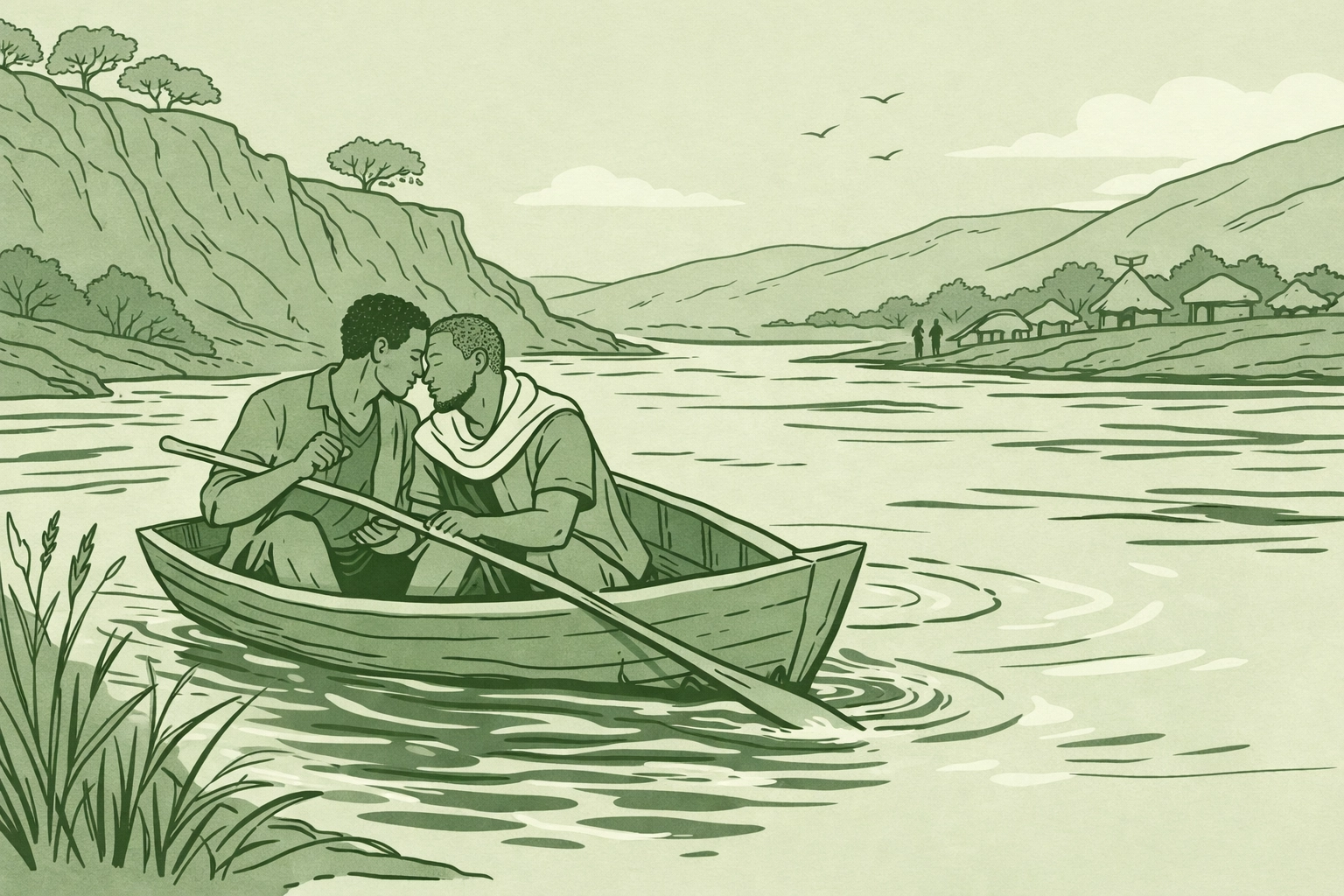
For Dawit, crossing the Abay River wasn't the hardest border he'd ever navigate. The real crossing happened eight thousand miles away, when he stepped off a plane in Seattle and realized, for the first time in his twenty-eight years, that he could breathe.
In Ethiopia, Article 629 of the Criminal Code criminalizes "homosexual acts" with imprisonment ranging from one to fifteen years. For Dawit, this wasn't abstract legal text. It was the reality that shaped every moment of his existence in Addis Ababa, where a single glance held too long, a friendship that looked too close, or a neighbor's suspicion could destroy everything.
The Weight of Living in Hiding
Over 71 million LGBTQ+ people worldwide live in nations where their identity is criminalized. In Ethiopia specifically, being gay isn't just socially stigmatized, it's a criminal offense that can result in lengthy prison sentences. The psychological toll of this reality cannot be overstated.
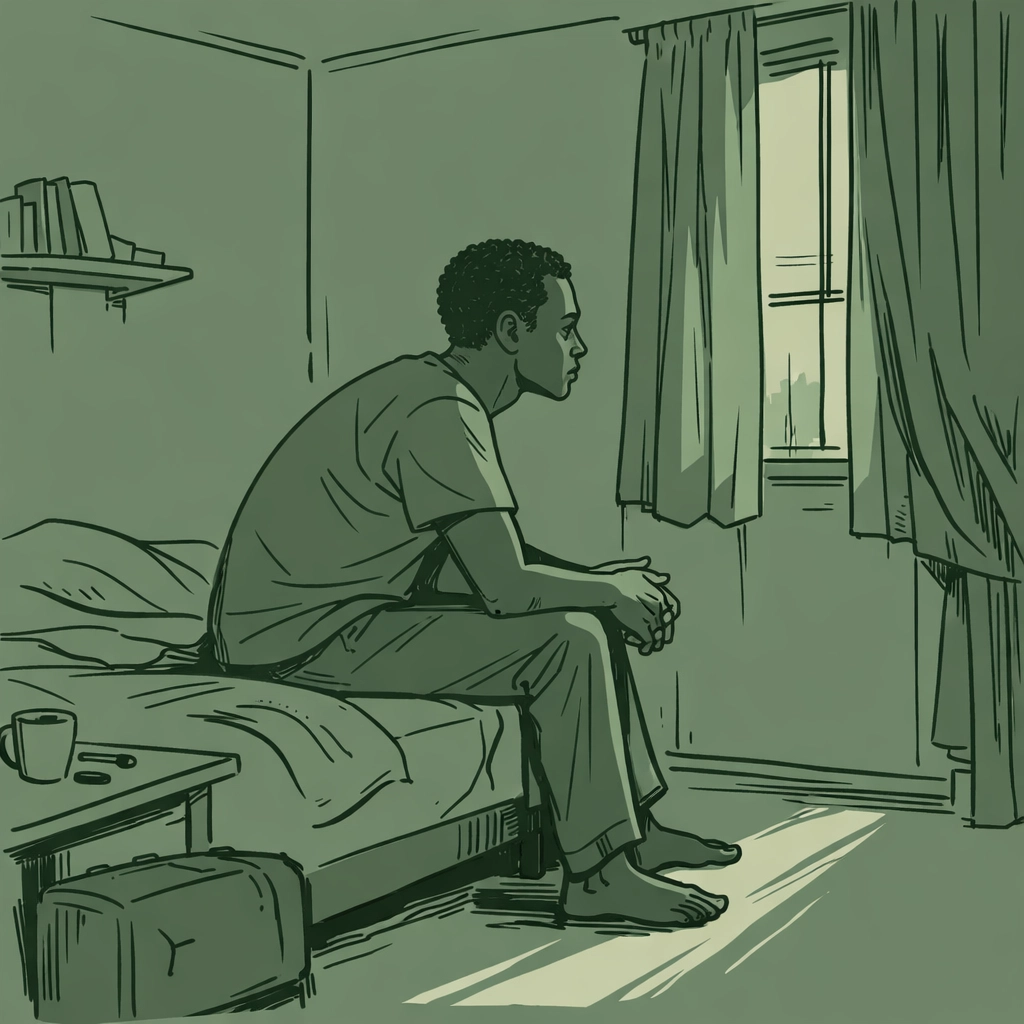
Dawit describes his life in Addis Ababa as "constantly performing." Every conversation was calculated. Every friendship maintained careful distance. Dating was impossible. The simple act of existing as himself felt like a crime waiting to be discovered.
"I woke up every morning and put on a mask," he recalls. "Not just for strangers, but for my family, my colleagues, everyone. The exhausting part wasn't just hiding who I was, it was forgetting who I was."
The fear wasn't paranoia. In Ethiopia, family members have turned in their own children. Employers have reported employees. Neighbors have called authorities based on suspicion alone. The threat was real, constant, and inescapable.
The Breaking Point
For Dawit, the decision to flee came after a close friend was arrested. The charges were vague, "immoral behavior", but everyone understood what it meant. His friend disappeared into Ethiopia's prison system, and Dawit knew he could be next.
"That's when I realized I had two choices," he says. "Stay and eventually face arrest, or risk everything to reach somewhere I could actually live."
The journey to safety took fourteen months of planning, saving, and navigating the complex asylum process. Ethiopia doesn't just criminalize being gay, it also makes leaving difficult for those seeking refuge based on LGBTQ+ persecution.
Arriving in Seattle: The Psychological Shift
The moment Dawit landed at Seattle-Tacoma International Airport, something shifted. Not immediately, not dramatically, but slowly, like ice melting after a long winter.
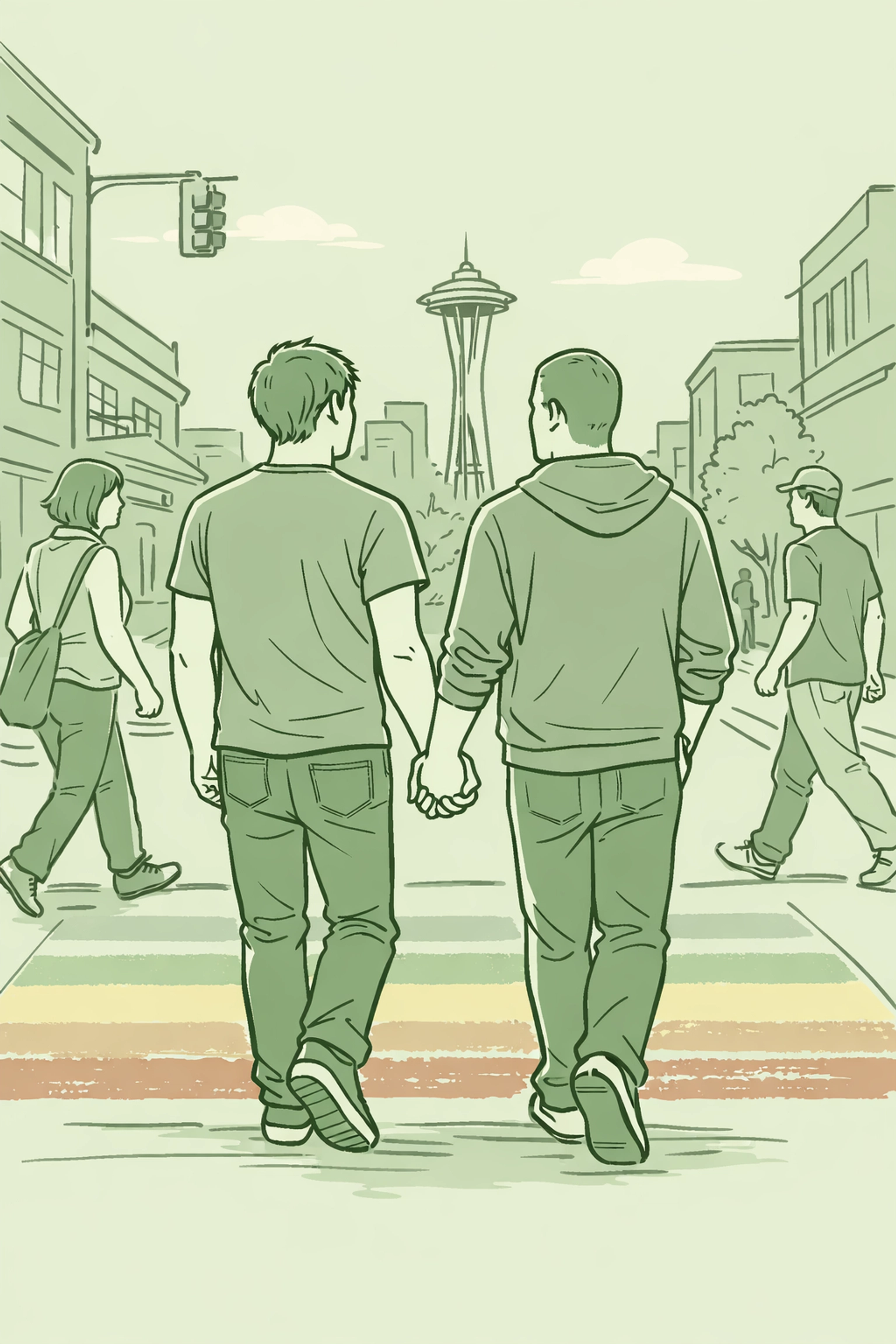
"The first week, I kept waiting for something terrible to happen," he explains. "I'd see two men holding hands on the street and my heart would race, expecting police to appear. But nothing happened. They just walked by. And nobody cared."
Seattle, with its strong LGBTQ+ protections and active queer community, became more than a destination, it became a place where Dawit could begin the process of psychological recovery.
The Relief of Legal Protection
In Washington State, comprehensive anti-discrimination laws protect LGBTQ+ individuals in employment, housing, and public accommodations. Marriage equality is guaranteed. Conversion therapy is banned. These aren't just laws, they represent a fundamental shift in how Dawit experiences daily existence.
"In Ethiopia, the government was my enemy," he says. "Here, the government protects my rights. That reversal is profound."
Research on LGBTQ+ refugees shows that legal protection in host countries significantly impacts mental health outcomes. The knowledge that police won't arrest you for existing, that employers can't fire you for being gay, that neighbors can't report you, this legal framework provides the foundation for psychological healing.
Rebuilding Identity After Survival Mode
One unexpected challenge Dawit faced in Seattle was rediscovering who he actually was. After years of suppression and performance, he'd lost touch with his authentic self.
"I realized I didn't know what I liked, who I was attracted to, what made me happy," he says. "I'd spent so long just trying to survive that I'd never had the space to actually be a person."
This process of identity reconstruction is common among LGBTQ+ refugees. Therapists working with this population describe it as "waking up from survival mode", a gradual process of reconnecting with suppressed desires, interests, and aspects of self that were too dangerous to acknowledge in home countries.
For readers interested in stories exploring identity, self-discovery, and coming out, The Private Self: A Guide to Honoring Your Truth in Your Own Time offers valuable perspectives on navigating personal authenticity.
The Guilt of Safety
Dawit also carries what many refugees describe as "survivor's guilt." He made it to safety, but millions haven't. His friend remains imprisoned in Ethiopia. Other LGBTQ+ Ethiopians continue living in fear, lacking the resources or opportunity to escape.
"I'm grateful every day," he says. "But that gratitude comes with grief. I think about everyone still there, still hiding, still afraid. It's complicated."
This emotional complexity, relief mixed with guilt, freedom tinged with loss, is a common experience among LGBTQ+ refugees from criminalized countries.
Building Community in a New Country
Seattle's Capitol Hill neighborhood became Dawit's introduction to visible queer community. Pride flags hanging from apartment windows. Gay bars operating openly. Rainbow crosswalks. These visible markers of LGBTQ+ presence represented something he'd never experienced: the possibility of community.
"In Addis Ababa, finding other gay people meant secret meetings, coded language, constant fear," he explains. "Here, I can just walk into a community center. I can go to events. I can meet people without risk. It's revolutionary."
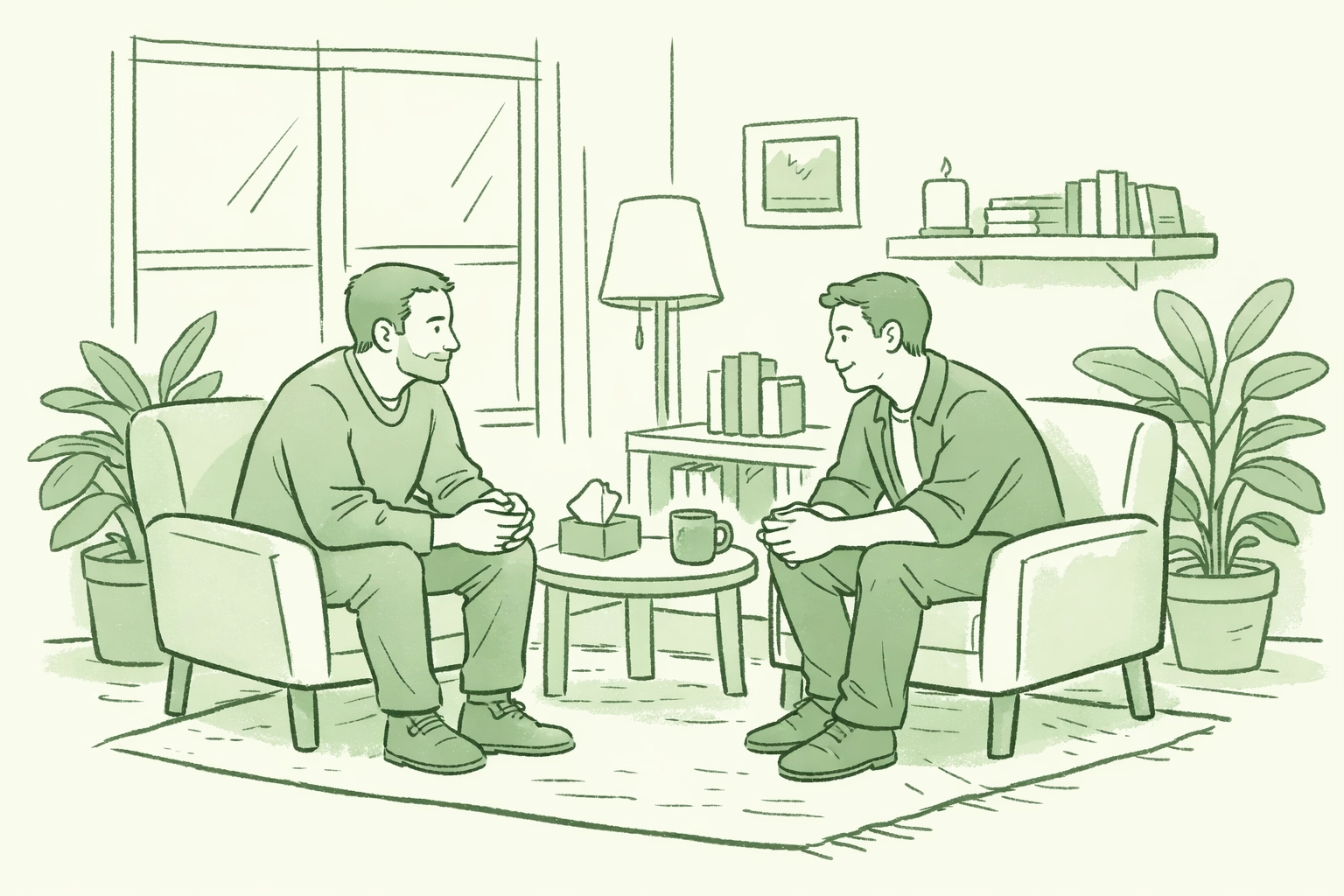
Community connection plays a crucial role in refugee integration and mental health. Studies show that LGBTQ+ refugees who build social connections in host countries report better psychological outcomes and faster adaptation.
For those interested in exploring stories of LGBTQ+ connection and community, explore the collection at Read with Pride.
The Long Road to Healing
Two years after arriving in Seattle, Dawit is still adjusting. He's learning that escape from physical danger doesn't immediately erase psychological impact. The hypervigilance remains. The instinct to hide still surfaces. The trauma of years spent in fear doesn't disappear overnight.
"I still catch myself editing what I say, monitoring how I move," he admits. "My therapist says it's normal, that my brain is still catching up to the fact that I'm safe now."
Trauma recovery specialists working with LGBTQ+ refugees emphasize that healing is gradual. The body and mind need time to recalibrate after years of sustained threat. Dawit's experience reflects this reality, safety is the beginning of healing, not the completion.
Why Stories Like This Matter
Dawit's journey from Addis Ababa to Seattle represents one of millions of LGBTQ+ migration stories happening worldwide. As over 60 countries continue criminalizing same-sex intimacy, these escapes from persecution to protection continue.
These stories matter because they remind us that LGBTQ+ rights aren't abstract political debates, they're questions of survival, safety, and basic human dignity. They also highlight the ongoing global crisis of LGBTQ+ persecution and the vital importance of asylum protections.
For readers seeking MM romance and LGBTQ+ fiction that explores themes of identity, survival, and finding home, visit dickfergusonwriter.com for a full collection of engaging gay novels and queer fiction.
Looking Forward
Today, Dawit works as a volunteer with LGBTQ+ refugee organizations in Seattle, helping others navigate the asylum process he survived. He's building the life he couldn't have in Ethiopia, slowly, carefully, but authentically.
"I don't take anything for granted," he says. "Being able to hold my boyfriend's hand in public. Putting a photo on my desk at work. Using 'he' pronouns when talking about dating. These tiny things are everything."
His story is one of escape, yes; but more importantly, it's a story of arrival. Of finding not just legal protection, but psychological space to exist. Of crossing borders both geographical and internal. Of discovering that safety, after years of fear, feels like coming home.
Explore more LGBTQ+ stories, gay romance books, and MM fiction at Read with Pride and dickfergusonwriter.com.
Follow us on social media:
- Instagram: @dickfergusonwriter
- X/Twitter: @DickFergus94902
- Facebook: Dick Ferguson Writer
#ReadWithPride #LGBTQRefugees #GayRights #MMRomance #QueerFiction #LGBTQBooks #GayLiterature #ReadingWithPride #GayNovels #LGBTQRights #RefugeeStories #EthiopianLGBTQ #SeattlePride #LGBTQAsylum #GayFiction #QueerStories #HumanRights #LGBTQActivism #GayBooks #PrideReading

Leave a Reply
You must be logged in to post a comment.