

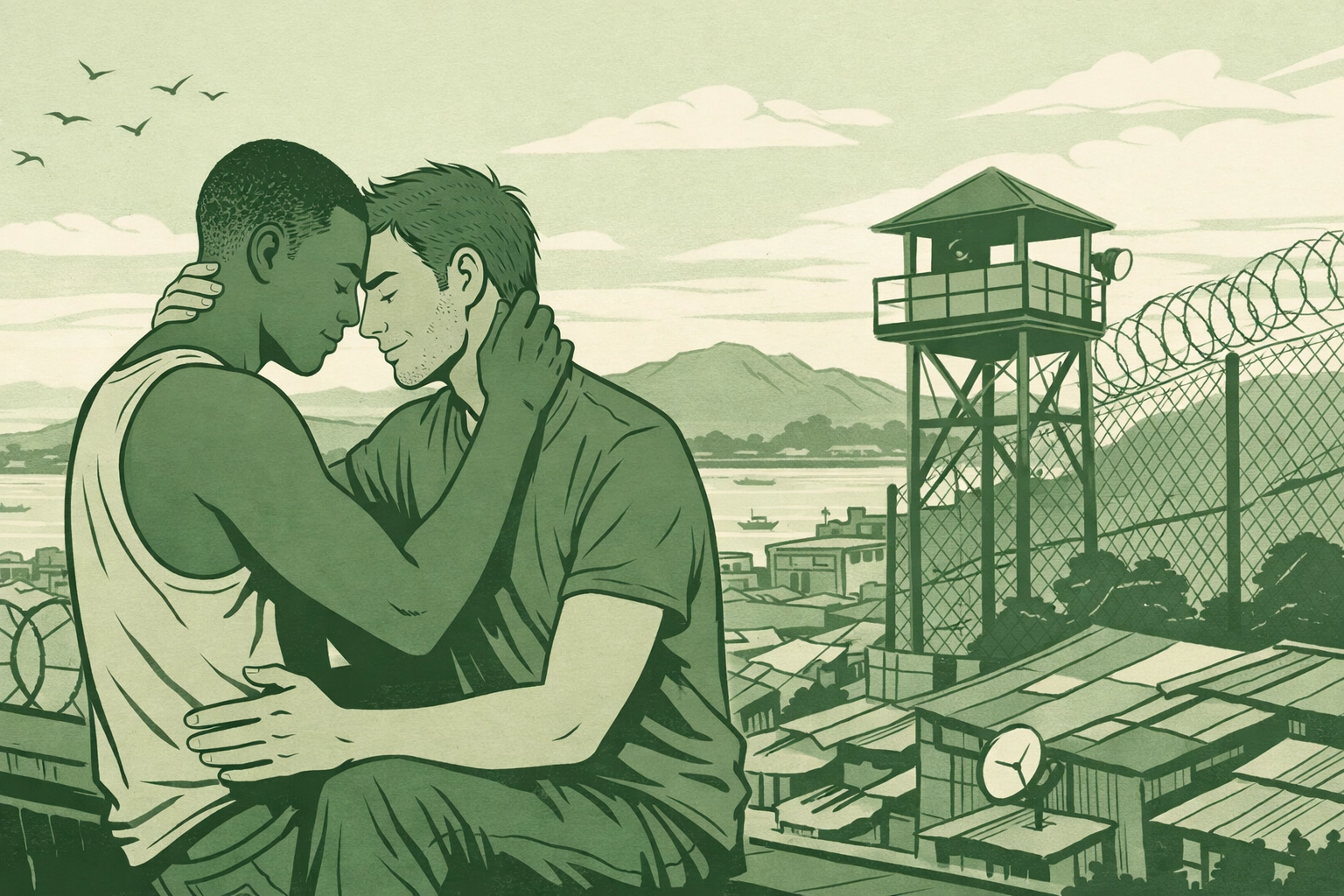
Over 71 million LGBTQ+ people worldwide live in countries where their identity is criminalized. In the Democratic Republic of the Congo, same-sex relationships can result in imprisonment, violence, and death. This is the story of those who escaped: and found healing through art in Paris.
The Reality of LGBTQ+ Life in Kinshasa
The Democratic Republic of the Congo criminalizes same-sex intimacy. Penalties include imprisonment ranging from three months to five years, alongside substantial fines. Beyond legal consequences, LGBTQ+ individuals face systematic persecution: family rejection, mob violence, extortion by police, and attacks from religious groups.
Kinshasa, the capital city, offers no safe harbor. Community members report constant surveillance, threats, and the impossibility of living openly. Many hide their identity completely, living in what survivors describe as "a cage of silence."
The Dangerous Journey Out
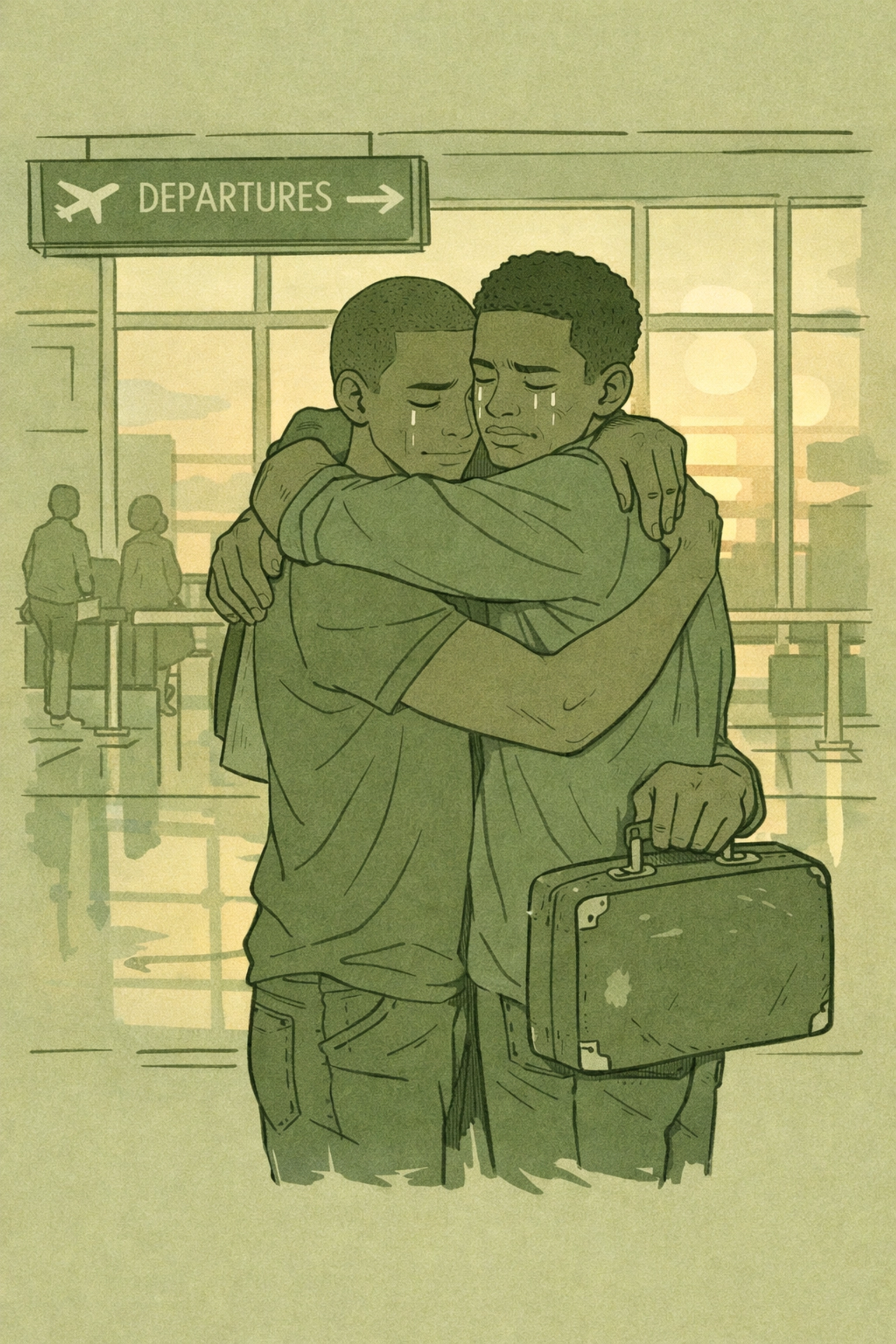
Leaving Kinshasa presents life-threatening challenges. Air travel remains the primary escape route, though flights can be suspended during unrest. The UK Foreign Office warns it cannot guarantee evacuation assistance during periods of violence.
River routes carry severe risks. The ferry between Kinshasa and Brazzaville stops running in late afternoon and closes Sundays: offering limited windows for escape. Congo River travel faces dangers including poorly maintained vessels, overloading, strong currents, and shifting sandbanks that have caused numerous fatal accidents.
Land borders close without warning. Overland travelers encounter roadblocks where armed groups posing as officials rob and assault refugees. Night travel proves particularly hazardous.
For LGBTQ+ refugees, these physical dangers compound with the constant fear of discovery. Many travel with falsified documents, risking arrest if authorities detect their sexual orientation or gender identity.
Finding Sanctuary in Paris
France has become a destination for Congolese LGBTQ+ refugees. Paris, with its established queer community and legal protections, offers what Kinshasa could not: the possibility of living openly.
Yet arrival brings new challenges. Asylum seekers face lengthy application processes, language barriers, housing insecurity, and unemployment. The trauma of persecution doesn't disappear at border crossings.
Many refugees struggle with PTSD, depression, and survivor's guilt. They've left behind families who may never speak to them again, communities that condemned them, and friends still trapped in danger.
Art as Healing: The Paris Response
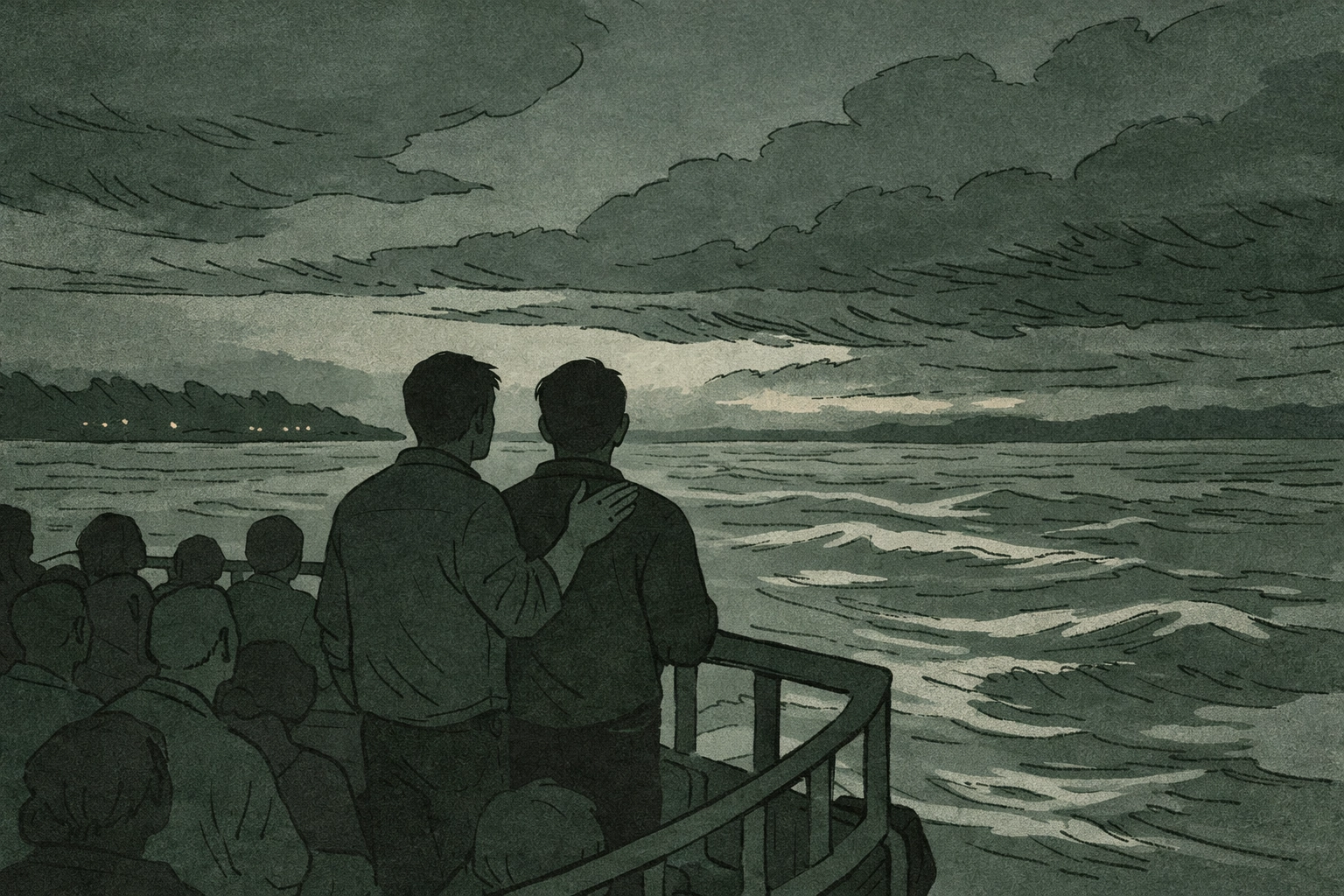
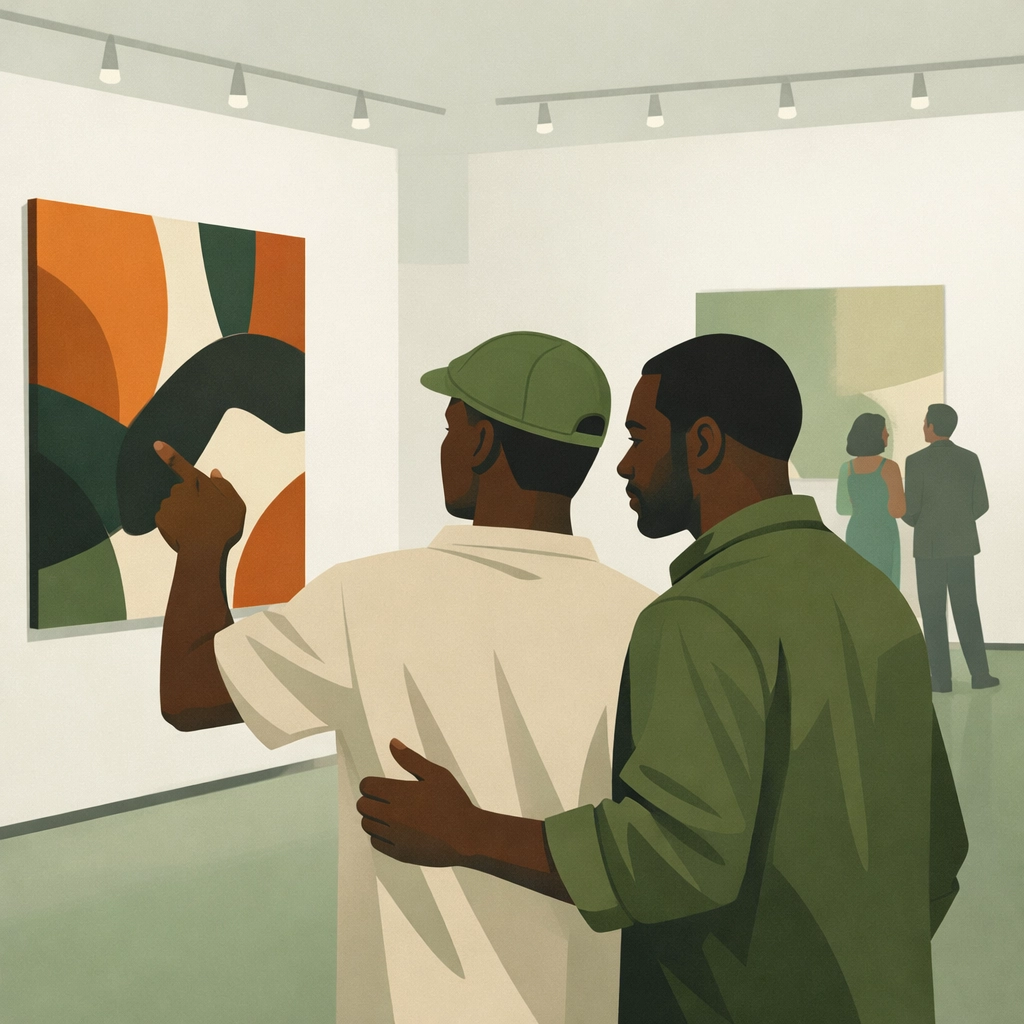
Paris's art community has become an unexpected sanctuary for Congolese LGBTQ+ refugees. Community centers in the Marais and Belleville districts offer art therapy programs specifically designed for trauma survivors.
Visual art provides non-verbal processing of experiences too painful for words. Painting, sculpture, and mixed media allow refugees to express the inexpressible: the violence witnessed, the families lost, the identities finally claimed.
Theatre workshops create safe spaces for refugees to literally embody their stories. Performance becomes a tool for reclaiming narrative control from persecution's silencing effects.
Writing programs help refugees document their journeys. These testimonies serve multiple purposes: processing trauma, educating French citizens about global LGBTQ+ persecution, and creating historical records of survival.
Music brings together refugees from multiple African nations facing similar persecution. Collaborative composition builds community among those who've been isolated and atomized by violence.
The Power of Community Art Projects
Collective art installations have become powerful advocacy tools. A 2025 exhibition at the Maison des Métallos featured works by Central African LGBTQ+ refugees, drawing international attention to ongoing persecution.
These projects transform personal trauma into public witness. Gallery visitors confront the reality of criminalization through the refugees' own artistic expressions: making abstract statistics viscerally real.
Art sales provide crucial income for asylum seekers navigating France's complex employment restrictions. Several refugees have established themselves as professional artists, achieving financial independence while continuing their healing work.
Building New Identity Through Creation
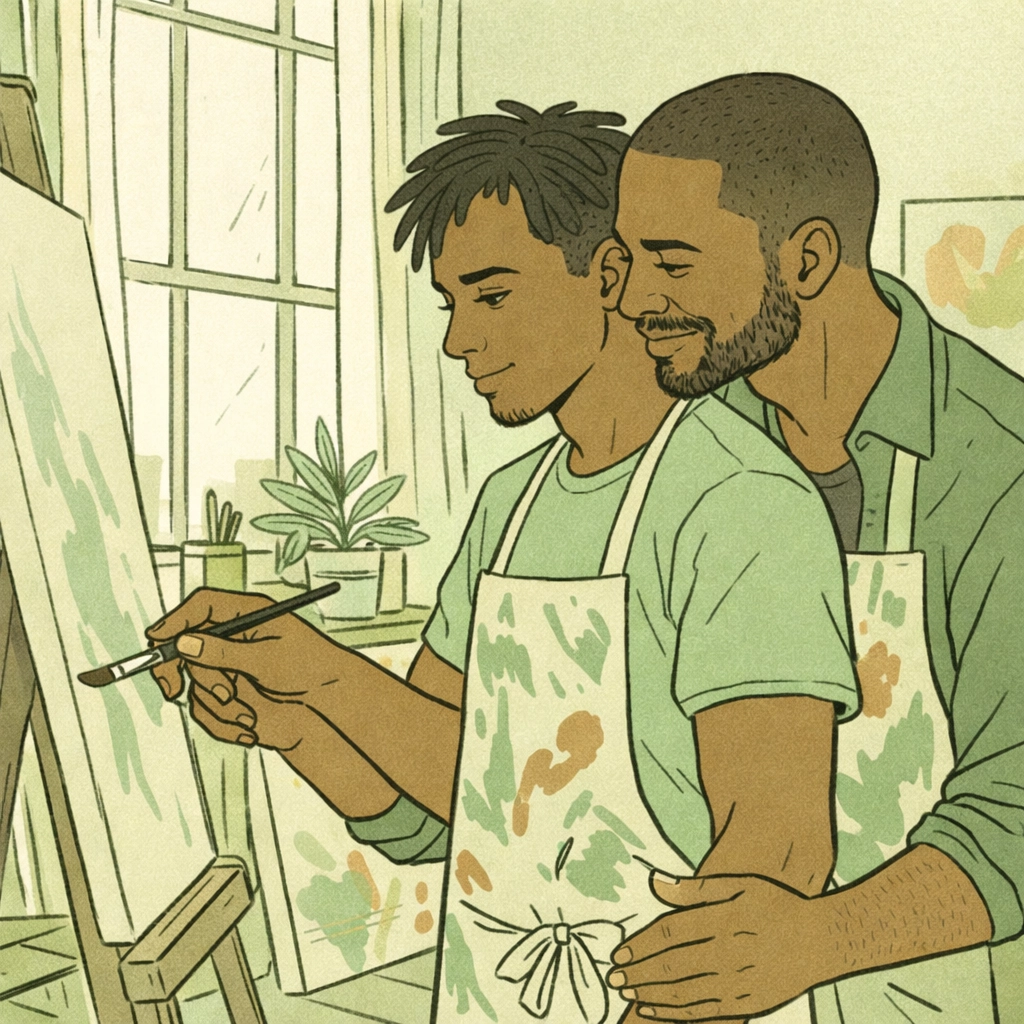
Creating art in safety allows refugees to explore identities that were criminalized in Congo. Many describe finally being able to create work that honestly reflects their orientation, relationships, and experiences.
The Paris art scene offers mentorship unavailable in Kinshasa. Established French artists provide technical training, professional connections, and validation that affirming LGBTQ+ art has value and market.
Group exhibitions featuring refugee artists alongside French creators challenge xenophobia while demonstrating the universal language of artistic expression. These shows attract collectors, critics, and importantly: other refugees seeking community.
The Stories Behind the Canvas
Individual accounts reveal art's transformative power. One refugee describes painting as "learning to breathe again after years of holding my breath." Another calls sculpting "giving physical form to the person I could never be in Congo."
Theatre performances re-enact persecution: but with different endings. Refugees write conclusions where they survive, thrive, and find love. These alternative narratives become templates for actual futures.
Writing groups produce manuscripts documenting the refugee experience. Several have published memoirs that educate French readers about the deadly reality of LGBTQ+ criminalization worldwide. These books join the growing collection of queer literature and gay novels that bear witness to persecution and resilience.
Connecting to Broader LGBTQ+ Narratives
Stories of LGBTQ+ people fleeing persecution appear across multiple media. Books like The Berlin Companions and The Divided Sky explore historical contexts of queer survival under oppressive regimes.
Understanding these refugee narratives enriches readers' engagement with MM romance and LGBTQ+ fiction. The freedom to read and write gay love stories represents a privilege denied to millions worldwide.
What Readers Can Do
Support organizations providing art therapy for LGBTQ+ refugees. Purchase work by refugee artists. Educate yourself about the 60+ countries criminalizing same-sex relationships.
Read and share refugee testimonies. Amplify voices of those who've survived persecution. Support publishers and authors creating gay fiction that documents these realities.
Advocate for asylum policies that recognize LGBTQ+ persecution as grounds for refugee status. Contact representatives about supporting international LGBTQ+ rights initiatives.
The Ongoing Crisis
While some find safety in Paris, millions remain trapped in criminalizing nations. The crisis continues. Every day, LGBTQ+ people in Congo and dozens of other countries face violence for their identity.
Art created by those who've escaped serves as testimony and warning. These works document persecution that continues unabated, demanding international response.
The creative healing happening in Paris's studios represents both individual recovery and collective resistance. Every painting, performance, and poem asserts: we survived, we're here, and our stories matter.
Resources and Reading
Explore more stories of LGBTQ+ resilience and love at Read with Pride. Discover gay romance books and MM novels that celebrate queer lives and relationships.
Understanding the persecution faced by LGBTQ+ people globally deepens appreciation for the freedom to read, write, and celebrate gay love stories openly.
Follow us on social media:
Instagram: @dickfergusonwriter
X/Twitter: @DickFergus94902
Facebook: Dick Ferguson Writer
Visit: Read with Pride | Dick Ferguson Writer
#ReadWithPride #LGBTQRefugees #MMRomance #GayFiction #QueerLiterature #LGBTQRights #RefugeeStories #ArtAsHealing #GayBooks #LGBTQEbooks #MMNovels #GayRomance #QueerFiction #CongoleseLGBTQ #AsylumSeekers #ReadingWithPride #GayRomanceBooks #LGBTQAdvocacy #HumanRights #GayLoveStories

Leave a Reply
You must be logged in to post a comment.