

FEATURED COLLECTION: Explore stories of resilience and courage in our LGBTQ+ fiction collection. Use code PRIDE15 for 15% off all titles.
When Home Becomes the Danger Zone
Over 71 million LGBTQ+ people worldwide live in countries where their identity is criminalized. In Russia, the escalation of anti-LGBTQ+ legislation has transformed daily life into a calculation of risk. The 2013 "gay propaganda" law was just the beginning. By 2020, constitutional amendments banned same-sex marriage. By 2023, the government labeled the "international LGBT movement" as extremist.
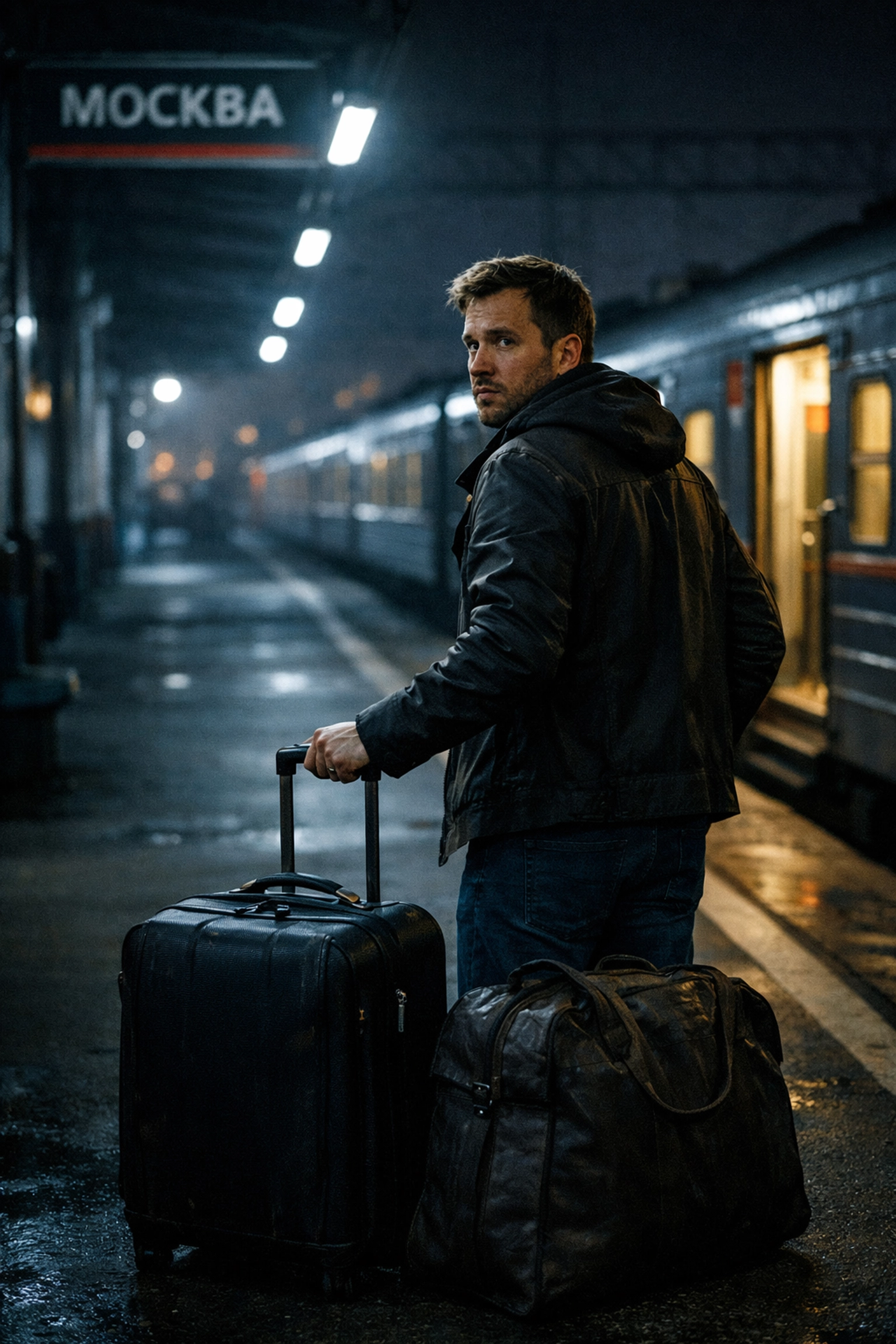
For Dmitri Volkov, a 34-year-old software engineer in Moscow, the tipping point came when colleagues began distancing themselves. Former friends stopped returning calls. His apartment building's residents filed complaints about "suspicious activity." His crime? Existing as a gay man in an increasingly hostile nation.
DISCOVER MORE: Read The Divided Sky: Secrets of a Secret Love – a story exploring forbidden love under oppressive regimes.
The Mathematics of Survival
Dmitri's decision wasn't impulsive. LGBTQ+ asylum seekers face complex calculations: Which countries accept asylum claims based on sexual orientation? Where can you rebuild a career? How much money do you need? Can you get documentation without alerting authorities?
Prague emerged as his destination. The Czech Republic, while not perfect, offers legal recognition of same-sex partnerships and a thriving LGBTQ+ community. More importantly, it's within the European Union, providing pathways to legal residence and eventual citizenship.
The escape route required precision:
- Booking a train ticket weeks in advance to avoid suspicion
- Withdrawing money gradually to prevent bank flags
- Telling no one – not family, not colleagues, not friends
- Packing only what fits in two bags
- Leaving behind 34 years of life
The Career That Was
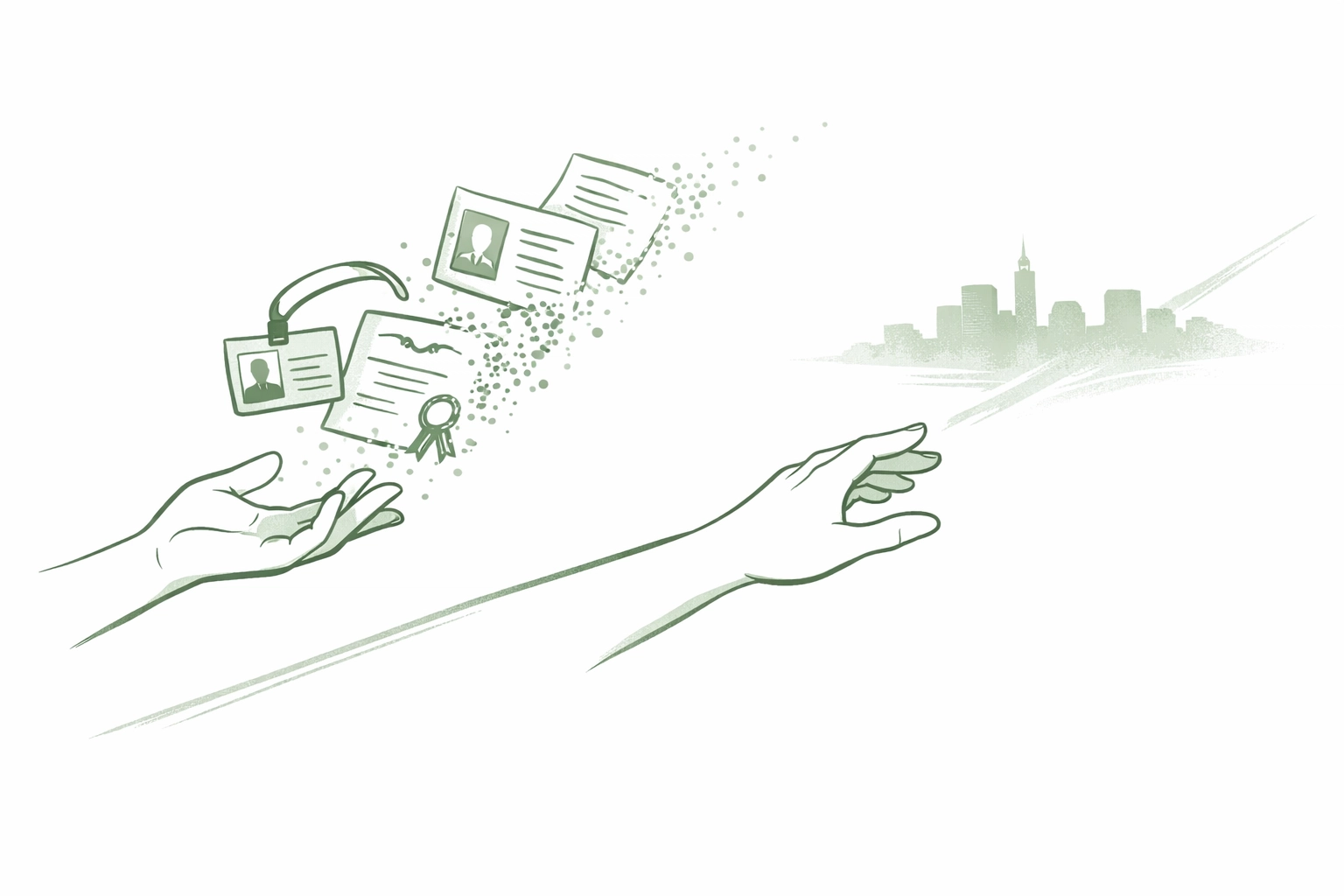
Dmitri spent a decade building his reputation as a senior developer at a Moscow tech firm. He mentored junior programmers, spoke at conferences, contributed to open-source projects. His salary afforded a comfortable apartment near Gorky Park. He had status, recognition, financial security.
None of it mattered when survival became the priority.
READ SIMILAR STORIES: The Berlin Companions explores themes of displacement and finding community in unfamiliar cities.
Crossing Borders, Losing Everything
The overnight train from Moscow to Prague takes approximately 30 hours. For Dmitri, those hours represented the dissolution of his former life. Every kilometer increased the distance between who he was and who he would have to become.
At the border, guards examined his passport. Standard procedure, they said. His heart hammered. Did they know? Had someone reported him? The stamps came down. The train moved forward.
Prague's Hlavní Nádraží station welcomed him with indifference – the perfect reception for someone trying to disappear.
Starting at Zero in a Foreign Language
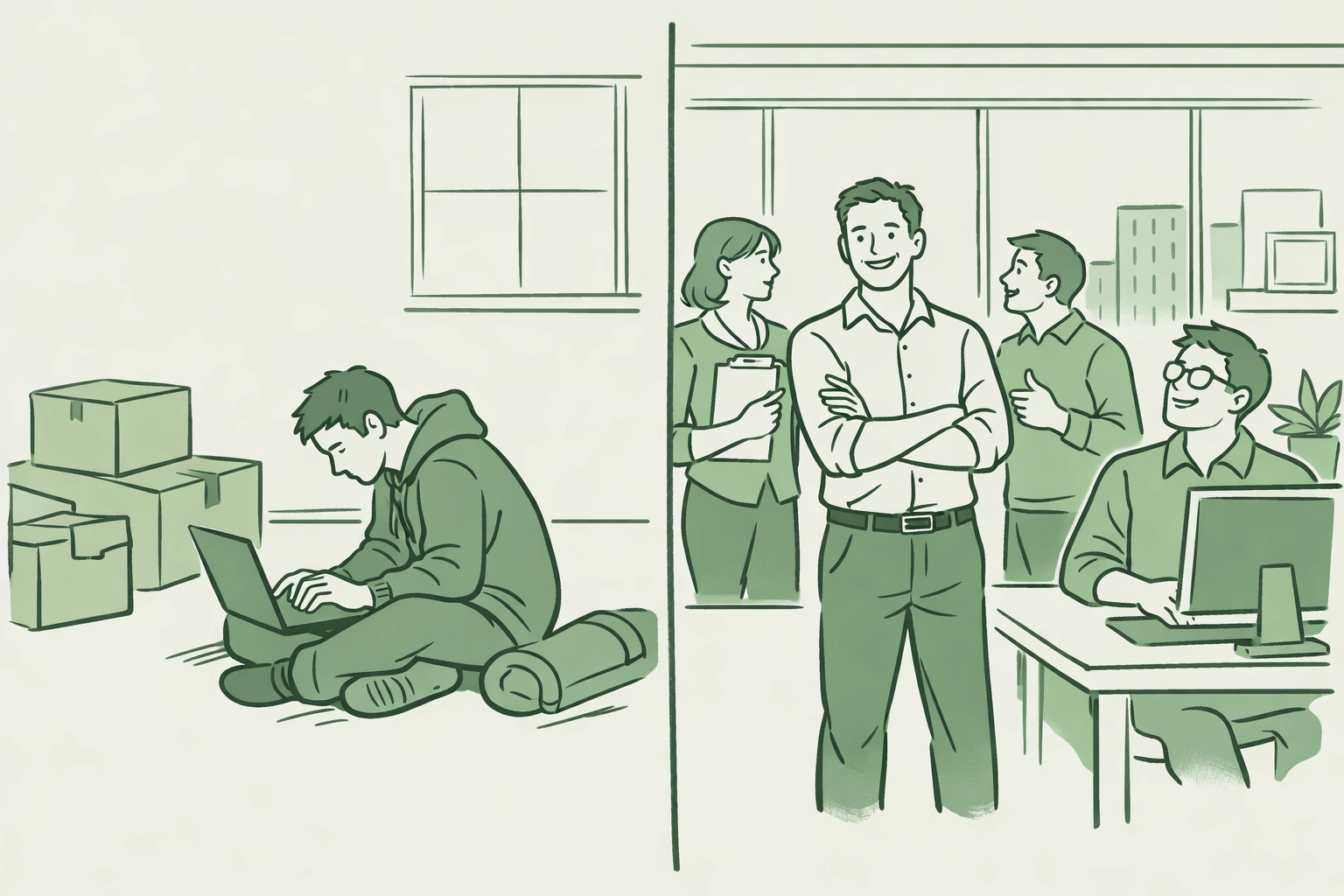
The Czech language became Dmitri's first obstacle. His English was functional; his Czech was nonexistent. Job applications went unanswered. His Moscow credentials meant little without local references or work permits.
He took a job washing dishes at a restaurant in Vinohrady, Prague's gayborhood. The irony wasn't lost on him – from conference speaker to kitchen staff. But the restaurant owner, herself a refugee from Poland, understood. She paid cash while his asylum claim processed.
EXPLORE OUR CATALOGUE: Stories of reinvention and resilience available at Read with Pride. Subscribe to our newsletter for exclusive releases and 20% off your first purchase.
The Slow Rebuild
Asylum claims based on sexual orientation require proof – a cruel bureaucratic requirement asking people to document their persecution or demonstrate their identity. Dmitri submitted social media messages showing threats, photos from LGBTQ+ events in Moscow, testimony from others who fled.
Six months later, his refugee status was approved.
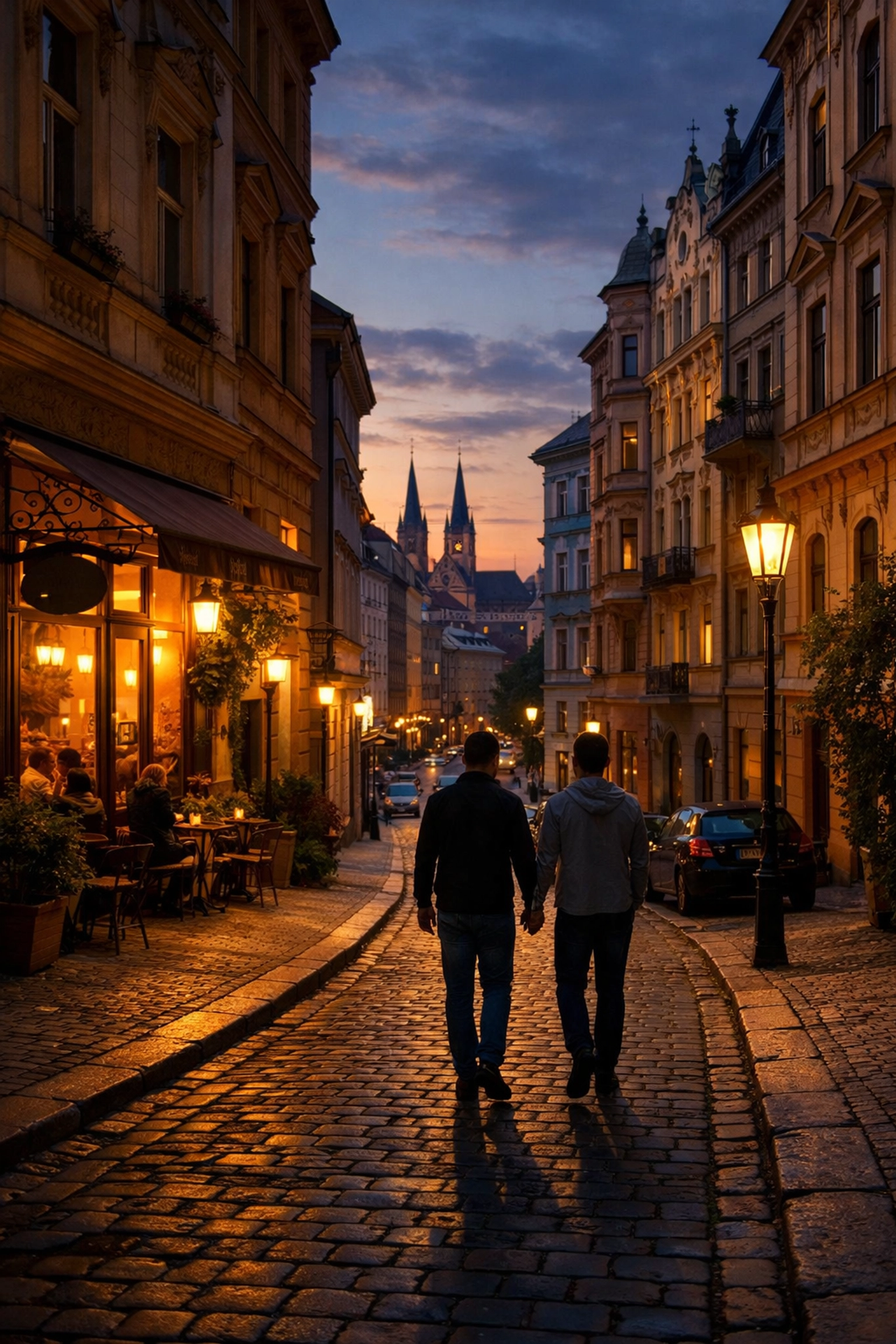
The real work began: learning Czech intensively, networking with Prague's tech community, accepting contract work below his skill level. A startup eventually hired him as a junior developer – a humbling step backward that represented forward momentum.
Three years later, Dmitri leads a development team at a Prague-based company. He speaks Czech fluently. He has Czech friends, a Czech boyfriend, a Czech life. But he cannot return home. His mother's voice on monthly phone calls grows older. His father refuses to speak to him.
The Global Reality of LGBTQ+ Displacement
Dmitri's story is one of millions. Currently, 64 countries criminalize same-sex intimacy. Eleven impose the death penalty. The numbers tell only part of the story:
- In Chechnya, reports document systematic persecution and extrajudicial killings
- Uganda's 2023 Anti-Homosexuality Act imposes life imprisonment for same-sex acts
- In Iran, public executions continue
- Afghanistan under Taliban rule has reinstituted death penalties for homosexuality
- Saudi Arabia, Yemen, and Somalia maintain capital punishment for LGBTQ+ people
RECOMMENDED READING: The Phoenix of Ludgate examines themes of survival and transformation against historical persecution.
What Civilized Countries Can Do
Nations accepting LGBTQ+ asylum seekers provide more than safety – they offer the chance to rebuild. Canada, Germany, the Netherlands, Sweden, and the United Kingdom have established frameworks specifically recognizing sexual orientation and gender identity as grounds for asylum.
But acceptance isn't universal, and resources are limited. Asylum seekers often wait years for claim processing. They cannot work legally during waiting periods. Mental health support is inadequate. Community organizations fill gaps that governments leave open.
The Price of Being Yourself
Dmitri calculates the cost regularly: his mother's aging face he sees only in video calls, his father's rejection, his career reset, his accent that marks him as foreign, the friends he left behind, the life he might have had.
He also calculates the alternative: prison, violence, potentially death. The midnight train from Moscow saved his life, but survival came at the cost of everything familiar.
SIGN UP NOW: Join our mailing list at dickfergusonwriter.com for stories exploring LGBTQ+ experiences worldwide. First-time subscribers receive 20% off their initial purchase.
Stories That Need Telling
The LGBTQ+ publishing community plays a crucial role in documenting these experiences. MM romance, gay fiction, and LGBTQ+ literature provide both escape and recognition – showing readers they are not alone, that others have survived, that love persists despite persecution.
Browse our complete collection of gay romance books, MM novels, and LGBTQ+ fiction at Read with Pride.
Follow us on social media for daily stories celebrating LGBTQ+ resilience:
📸 Instagram: @dickfergusonwriter
🐦 X/Twitter: @DickFergus94902
👥 Facebook: Dick Ferguson Writer
📚 Website: www.readwithpride.com
#ReadWithPride #ReadingWithPride #LGBTQRefugees #GayAsylum #MMRomance #GayFiction #LGBTQLiterature #QueerFiction #GayBooks #LGBTQEbooks #GayLoveStories #MMNovels #GayRomanceBooks #LGBTQRights #PridePublishing #GayAuthors #QueerAuthors #ContemporaryGayRomance #LGBTQAsylum #HumanRights #LoveIsLove #ReadwithPride #GayLiterature #MMFiction #2026GayBooks

Leave a Reply
You must be logged in to post a comment.