

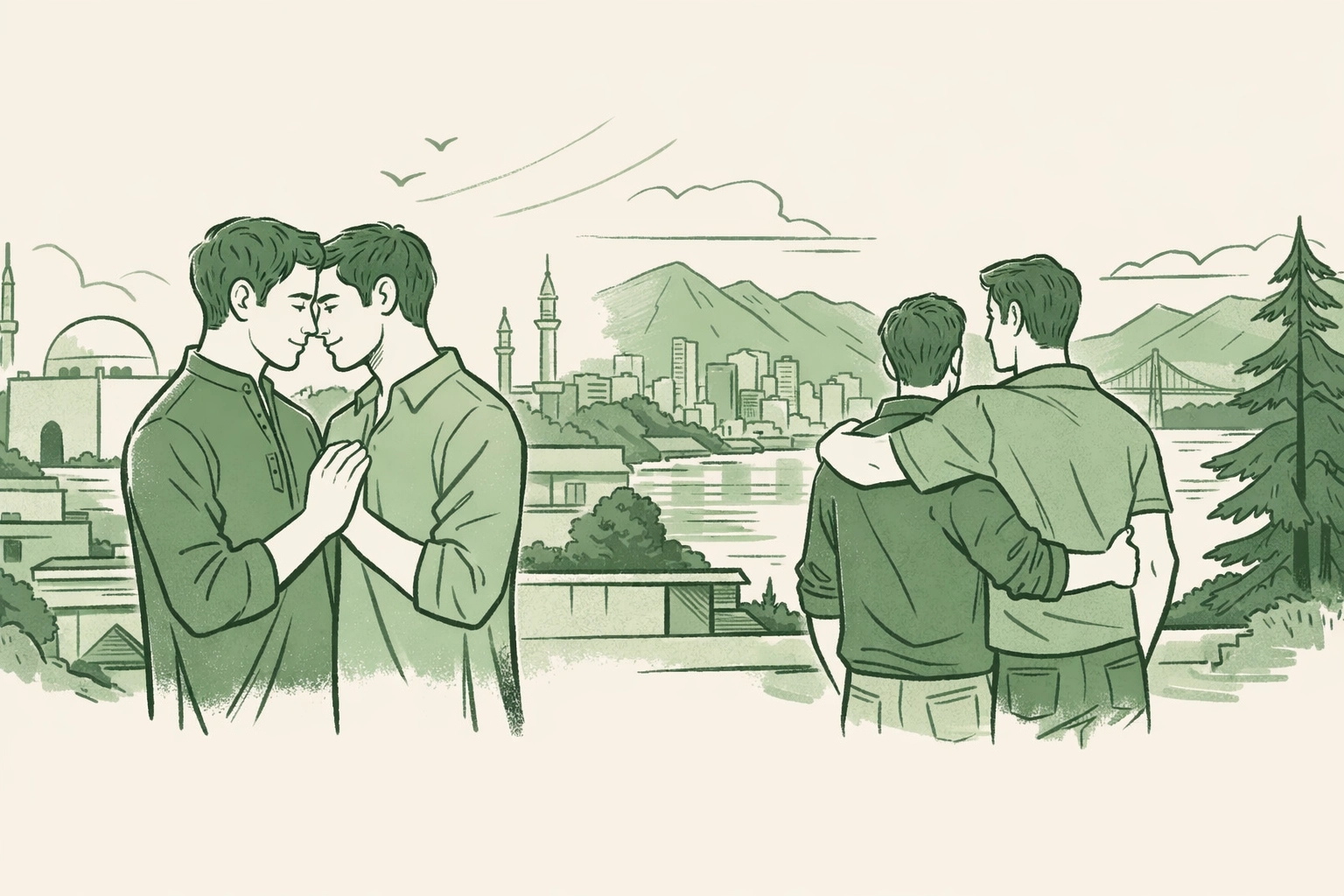
Leaving Everything Behind
In Pakistan, Section 377 of the Penal Code criminalizes same-sex intimacy with penalties ranging from two years to life imprisonment. For Amir, a 28-year-old software engineer from Karachi, this wasn't just a law, it was a death sentence waiting to happen. After a colleague discovered messages on his phone and threatened to report him to authorities, Amir had 48 hours to make a choice: face persecution or flee.
The decision cost him everything. A one-way ticket from Karachi to Vancouver through Turkish Airlines ran $765 USD, more than two months' salary. He left behind his family, his career, his entire life. But he was leaving toward something too: freedom.
The Weight of 71 Million Lives
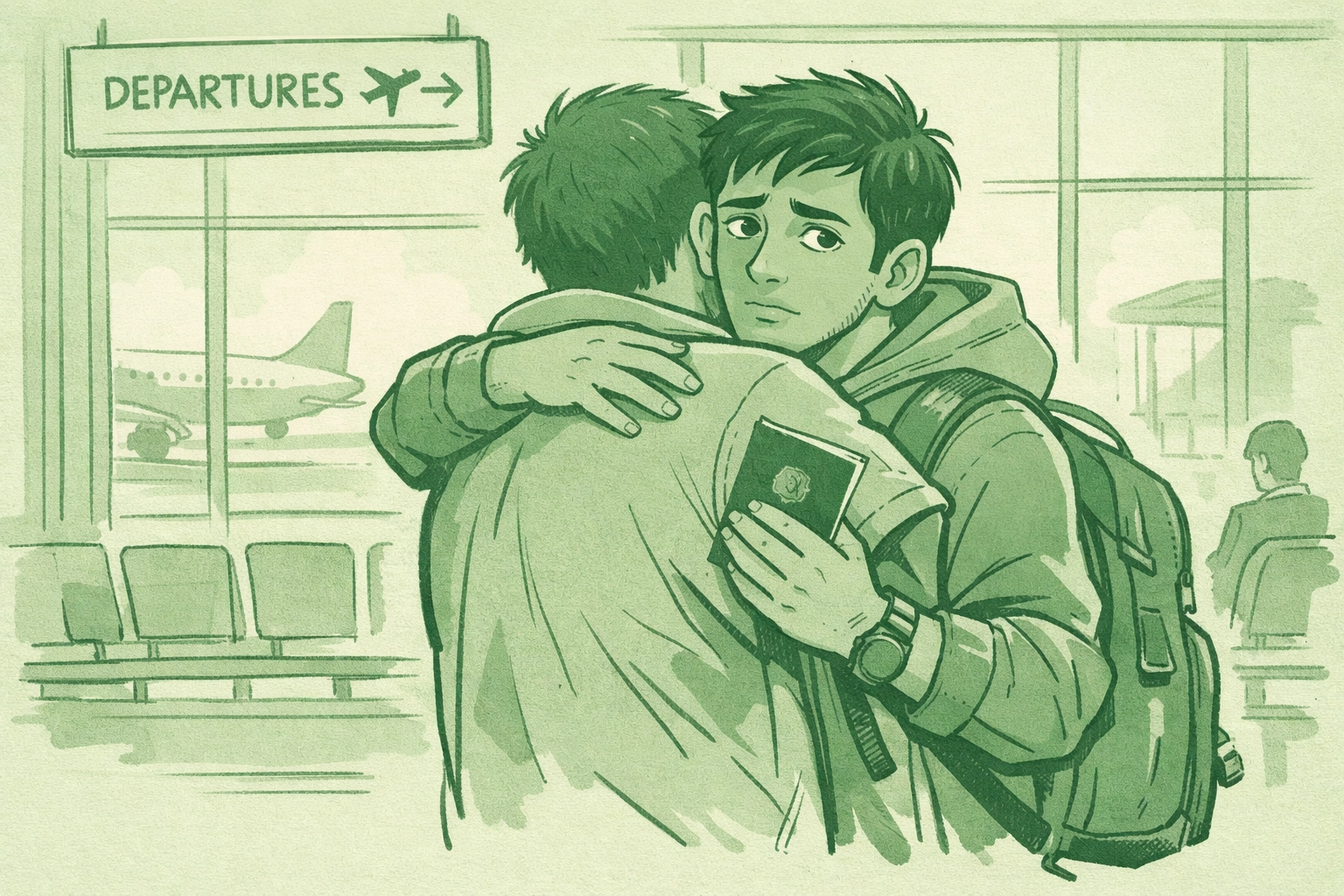
Amir's story is one of over 71 million LGBTQ+ people living in nations where their identity is criminalized. In 64 countries worldwide, same-sex relationships remain illegal. In 11 of these nations, the penalty is death. Pakistan sits in the middle, not executing gay citizens, but imprisoning them, allowing mob violence against them, and creating an environment where fear becomes a permanent resident in every moment.
The numbers are staggering. According to global human rights organizations, thousands of LGBTQ+ individuals seek asylum annually, fleeing nations across the Middle East, Africa, Asia, and the Caribbean. They're not economic migrants. They're refugees running from state-sanctioned violence, imprisonment, and death.
For those seeking stories that explore LGBTQ+ persecution and resilience, The Divided Sky: Secrets of a Secret Love examines forbidden love during the Cold War when being gay meant imprisonment or worse.
Landing in a Different World
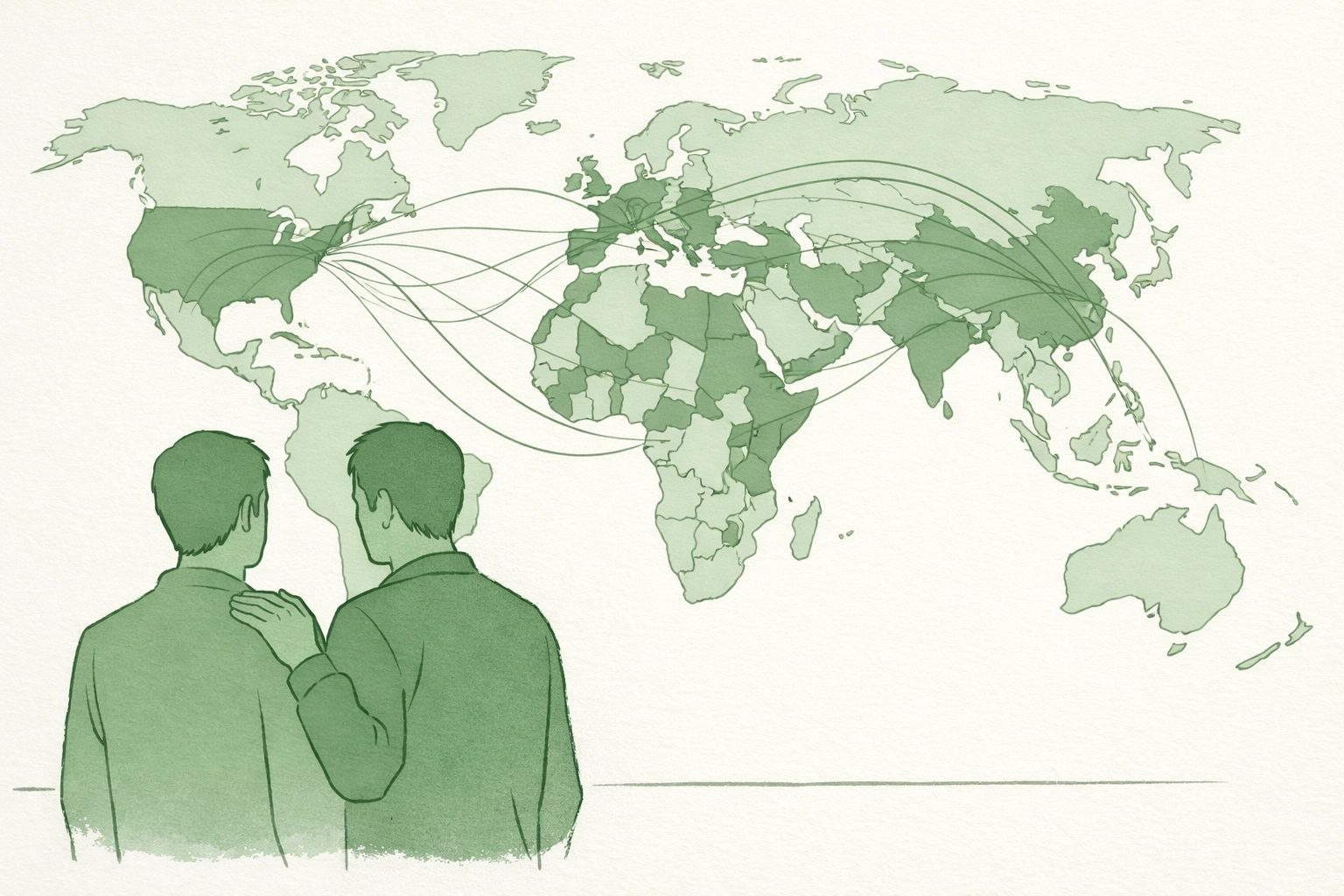
Amir arrived at Vancouver International Airport on a grey February morning in 2024. The refugee process had already begun online, Canada accepts LGBTQ+ asylum claims, recognizing sexual orientation and gender identity as grounds for protection. But paperwork doesn't prepare you for the psychological whiplash.
In Karachi, he'd perfected the art of invisibility. Never make eye contact too long. Never stand too close. Never, ever touch another man in public. Every interaction was calculated risk management.
In Vancouver, he saw two men holding hands outside the airport. Just…holding hands. Walking. Talking. Existing. He stood frozen for ten minutes, unable to process what he was seeing.
Finding Community at Read with Pride
The first three months were survival mode. Navigating the asylum system. Finding temporary housing. Learning that winter in Canada meant something entirely different than winter in Pakistan. But Amir discovered resources designed specifically for LGBTQ+ refugees, community centers in Vancouver's West End, support groups, connections to others who'd made similar journeys.
Someone at a support group mentioned the upcoming Pride parade. "You should go," they said. "It changes everything."
Amir was terrified.
The First Pride Parade
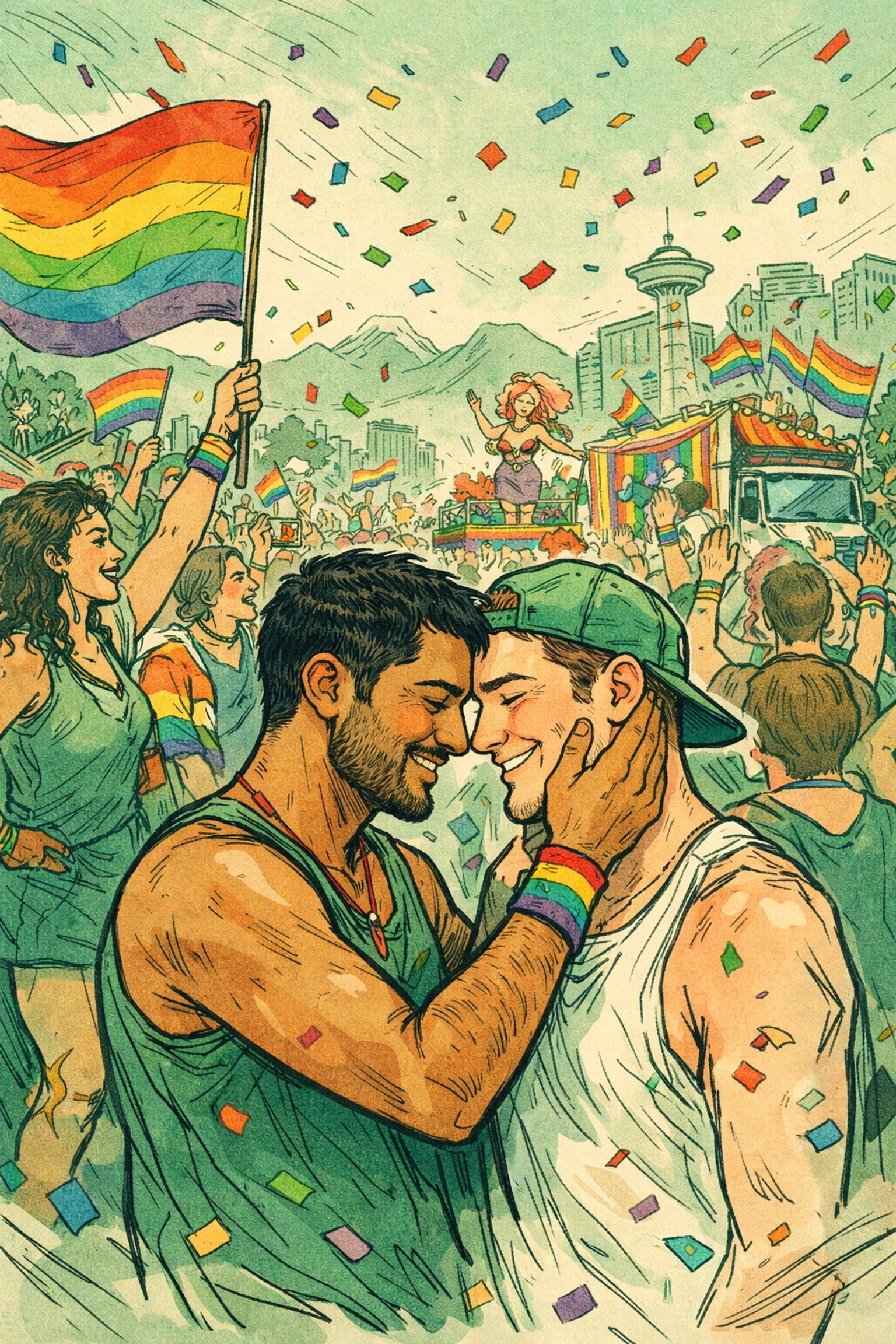
Vancouver Pride 2024 took place on August 4th. Nearly 700,000 people lined the streets. Amir positioned himself at Robson and Thurlow, surrounded by rainbow flags, families with children, elderly couples, teenagers, every demographic imaginable. The parade began with the roar of motorcycles, Dykes on Bikes leading the procession.
Then came the floats. Corporate sponsors, yes, but also community groups, refugee organizations, Indigenous two-spirit groups, trans rights activists. The noise was overwhelming: music, cheering, air horns, laughter. So much laughter.
Amir watched a float pass carrying South Asian LGBTQ+ immigrants. They were dancing. Celebrating. Someone was waving a Pakistani flag alongside a rainbow flag. He felt something crack open inside his chest: something that had been sealed shut for 28 years.
A stranger next to him, an older man with grey hair and kind eyes, noticed him crying. "First Pride?" he asked.
Amir nodded.
"Welcome home," the man said.
Understanding What Freedom Actually Means
The parade lasted three hours. Amir stayed for all of it, then walked through the street festival afterward, surrounded by thousands of people being openly, joyfully, fearlessly queer. No police harassment. No violence. No one scanning the crowd for threats.
This was the same planet as Pakistan. The same species. But a completely different universe.
For readers interested in stories about finding freedom and identity, Beyond the Closet Door: A Gay Man's Coming Out Plan offers perspectives from diverse experiences across different walks of life.
The Price of Geography
Amir's asylum claim was approved six months later. He has a work permit now, a small apartment in the West End, a job with a tech company that has LGBTQ+ employee resource groups. He video calls his mother weekly: she knows he's in Canada but not why. The distance protects her from having to choose between her son and her community.
Sometimes he calculates what his freedom cost: $765 for the flight. $3,000 in legal fees. His relationship with his father, who hasn't spoken to him since he left. His career trajectory: he's starting over. His home, his language dominance, his cultural fluency.
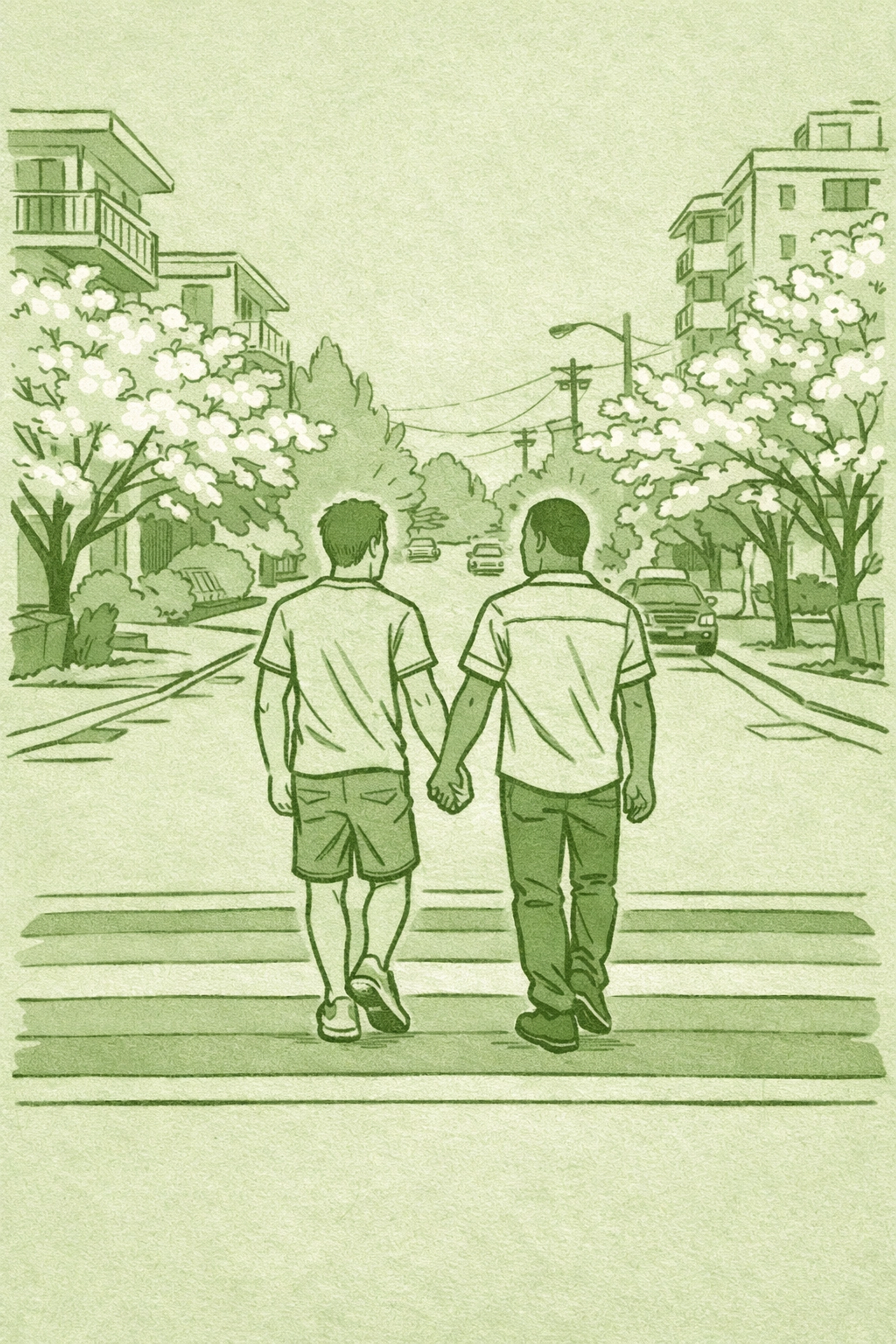
But then he walks through Davie Village and sees rainbow crosswalks painted permanently into the streets. He holds hands with someone he's dating. He exists without fear.
The math works out.
Why This Matters for Everyone
LGBTQ+ persecution isn't a distant problem. It's happening right now in 64 countries. It affects 71 million people who wake up every day knowing their love is classified as criminal. Many can't escape. They don't have $765 for a flight. They don't have job skills that translate internationally. They have families who depend on them. They're trapped.
Canada, along with countries like the UK, Germany, France, and several others, recognizes LGBTQ+ persecution as grounds for asylum. But the process is complex, often taking years. Many die waiting. Many die trying.
Stories That Honor These Journeys
At Read with Pride, we publish LGBTQ+ fiction, gay romance books, and MM romance that reflects the full spectrum of queer experiences: including those shaped by persecution, displacement, and the search for safety. Browse our collection of LGBTQ+ eBooks featuring gay novels, queer fiction, and MM books that center authentic representation.
For those drawn to historical persecution and resilience, The Berlin Companions explores gay life in Nazi Germany when being discovered meant death camps.
What You Can Do
Support organizations working with LGBTQ+ refugees. Rainbow Railroad, Rainbow Refugees, and local LGBTQ+ asylum support groups need funding and volunteers. Vote for politicians who support refugee protections. Share stories like Amir's.
And if you're someone reading this from a country where being yourself is illegal: you're not alone. 71 million people share your reality. Thousands have escaped and rebuilt lives in safety. Resources exist. Communities are waiting to welcome you.
Your identity isn't criminal. The laws are criminal.
Follow Read with Pride
Stay connected for more LGBTQ+ stories, gay romance recommendations, and MM fiction highlights:
📚 www.readwithpride.com
🏠 dickfergusonwriter.com
📷 Instagram: @dickfergusonwriter
🐦 X/Twitter: @DickFergus94902
👍 Facebook
#ReadWithPride #ReadingWithPride #LGBTQRefugees #GayRomanceBooks #MMRomance #QueerFiction #LGBTQBooks #GayFiction #MMBooks #GayNovels #LGBTQRights #PrideMatters #RefugeeStories #VancouverPride #LGBTQAsylum #HumanRights #GayLiterature #QueerAuthors #LGBTQEbooks #GayRomance #MMFiction #LoveIsNotACrime #PakistanLGBTQ #CanadaPride #ReadingWithPride

Leave a Reply
You must be logged in to post a comment.