

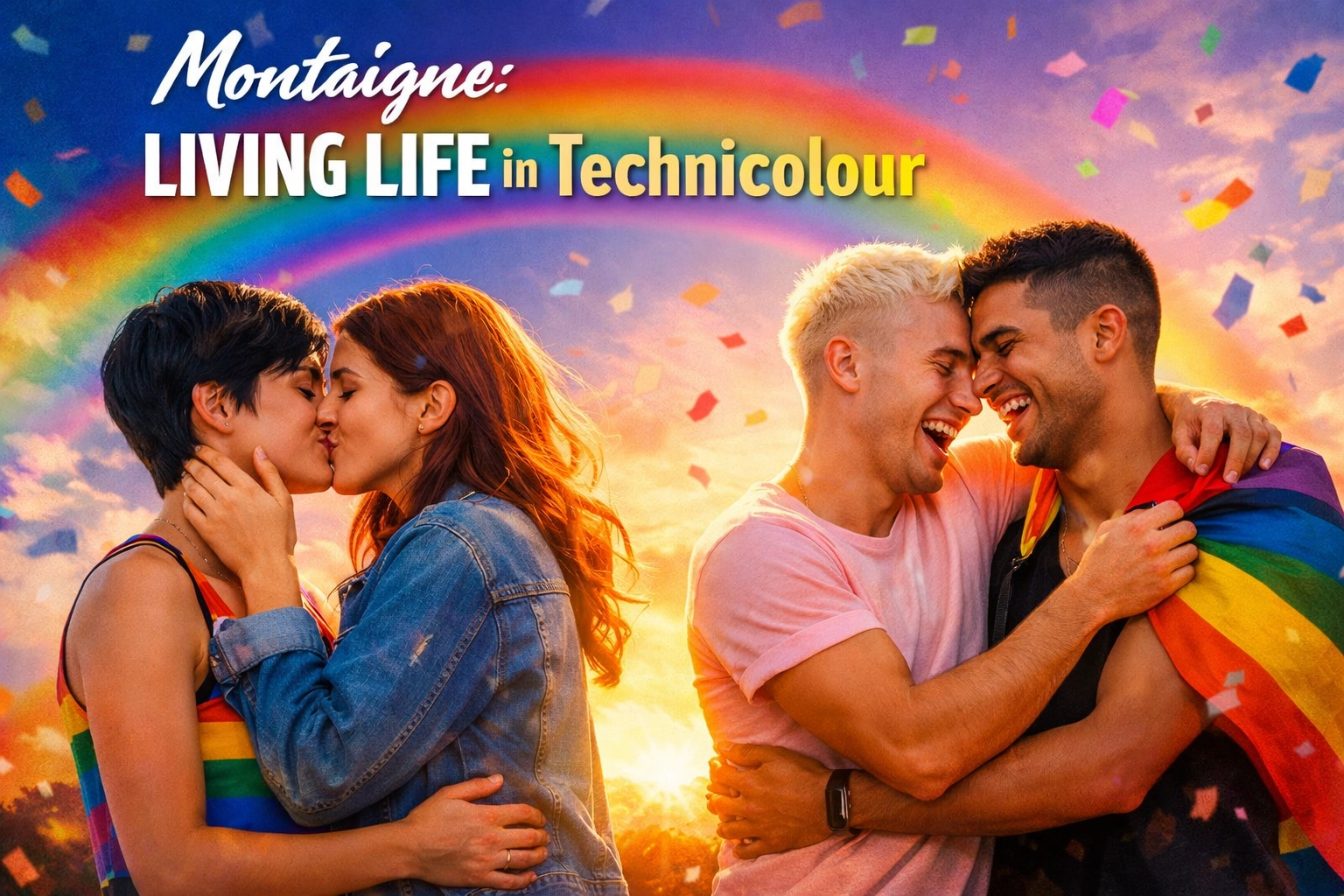
When Australia sent Montaigne to Eurovision 2021 with "Technicolour," they didn't just send a song: they sent a whole vibe. A kaleidoscopic explosion of queer joy, artistic fearlessness, and the kind of authentic energy that makes Eurovision the cultural phenomenon it is. And honestly? We're still not over it.
Who is Montaigne?
Born Jessica Cerro, Montaigne is the Australian art-pop artist who's been challenging conventions since they burst onto the scene. Non-binary, unapologetically queer, and blessed with a voice that can shift from ethereal whispers to powerhouse belting in a heartbeat, Montaigne represents everything that makes modern pop music exciting.
Their style is eclectic, experimental, and entirely their own. Think theatrical vocals meets electronic production meets absolute fearlessness. Before Eurovision, Montaigne had already won an ARIA Award and captured Australian hearts with tracks like "Because I Love You" and "For Your Love." But "Technicolour" was something else entirely: a love letter to authenticity wrapped in the brightest packaging imaginable.
The Song That Painted Eurovision Rainbow
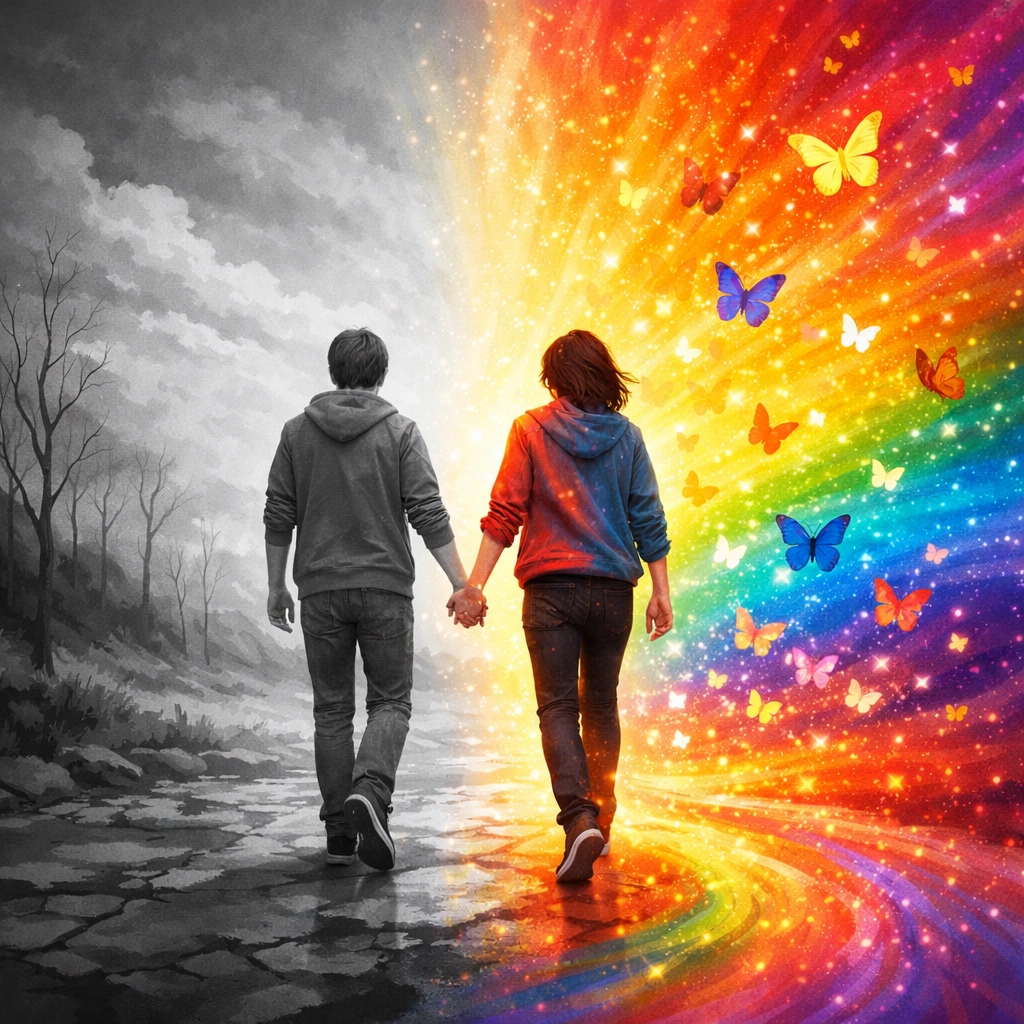
"Technicolour" isn't subtle, and thank goodness for that. From the first synth-heavy beats, the song announces itself as a celebration of living authentically and embracing every shade of who you are. The lyrics speak directly to the queer experience of self-discovery and acceptance: "I used to live in monochrome / But now I see in technicolour."
It's impossible not to connect these words to the journey so many LGBTQ+ people experience: moving from a world that feels muted and constrained to one that's vibrant and full of possibility. That moment when you stop hiding parts of yourself and start living in full color? That's what Montaigne captured in three glorious minutes.
The production is maximalist in the best way. There are orchestral swells, electronic flourishes, dramatic key changes, and Montaigne's voice soaring through it all like they're conducting a symphony of self-love. It's camp, it's sincere, it's everything Eurovision should be.
Eurovision 2021: The Performance That Almost Wasn't
Here's where things get complicated: and where Montaigne's story becomes even more impressive. Eurovision 2021 took place during the COVID-19 pandemic, and Australia, being on the other side of the world, faced unique challenges. While European artists could potentially travel to Rotterdam, Montaigne couldn't.
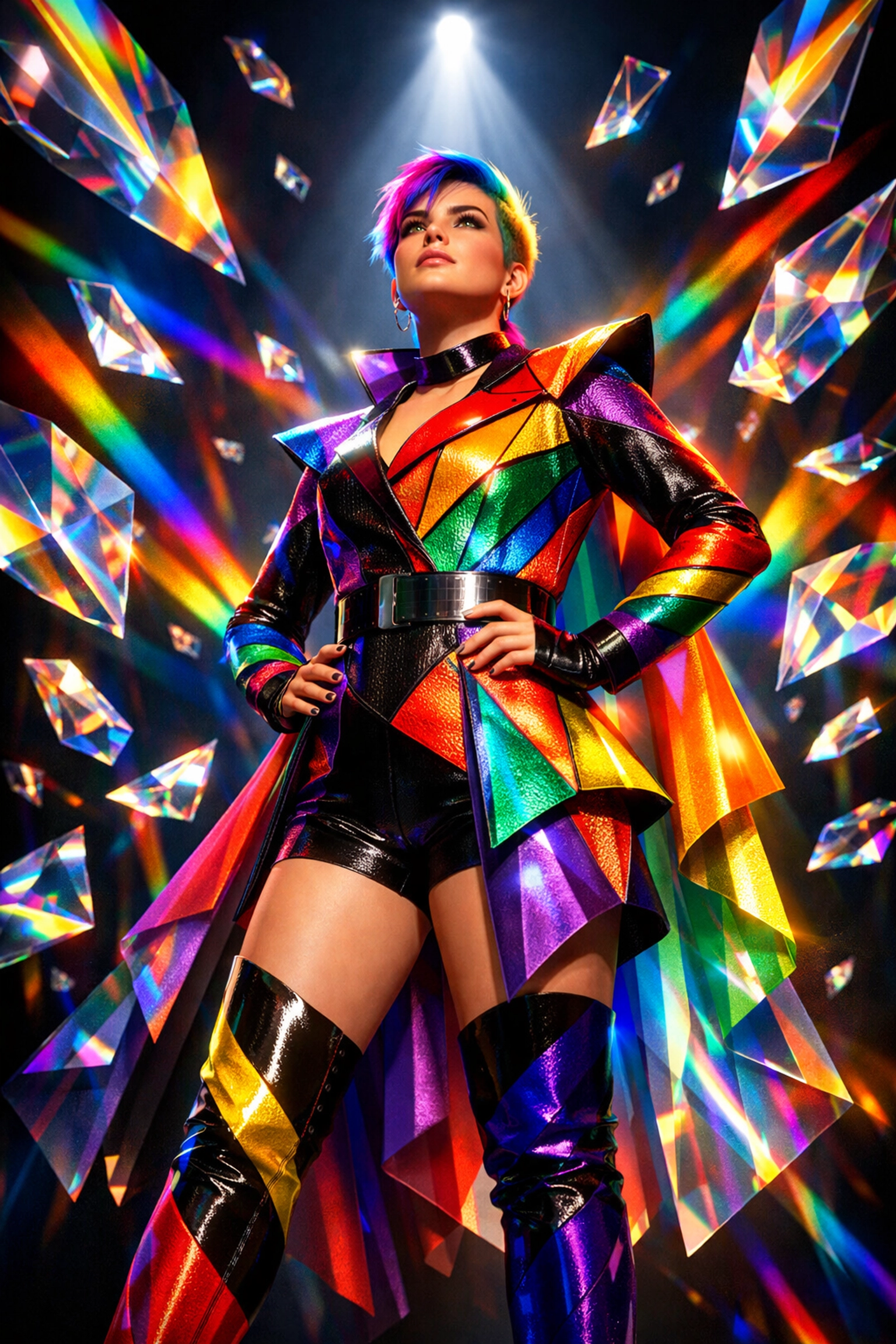
The solution? A pre-recorded performance filmed in Australia. But this wasn't just some static video: Montaigne and their team created something visually stunning that matched the song's energy. The staging featured bold colors, dynamic camera work, and Montaigne performing in an outfit that can only be described as "futuristic rainbow royalty."
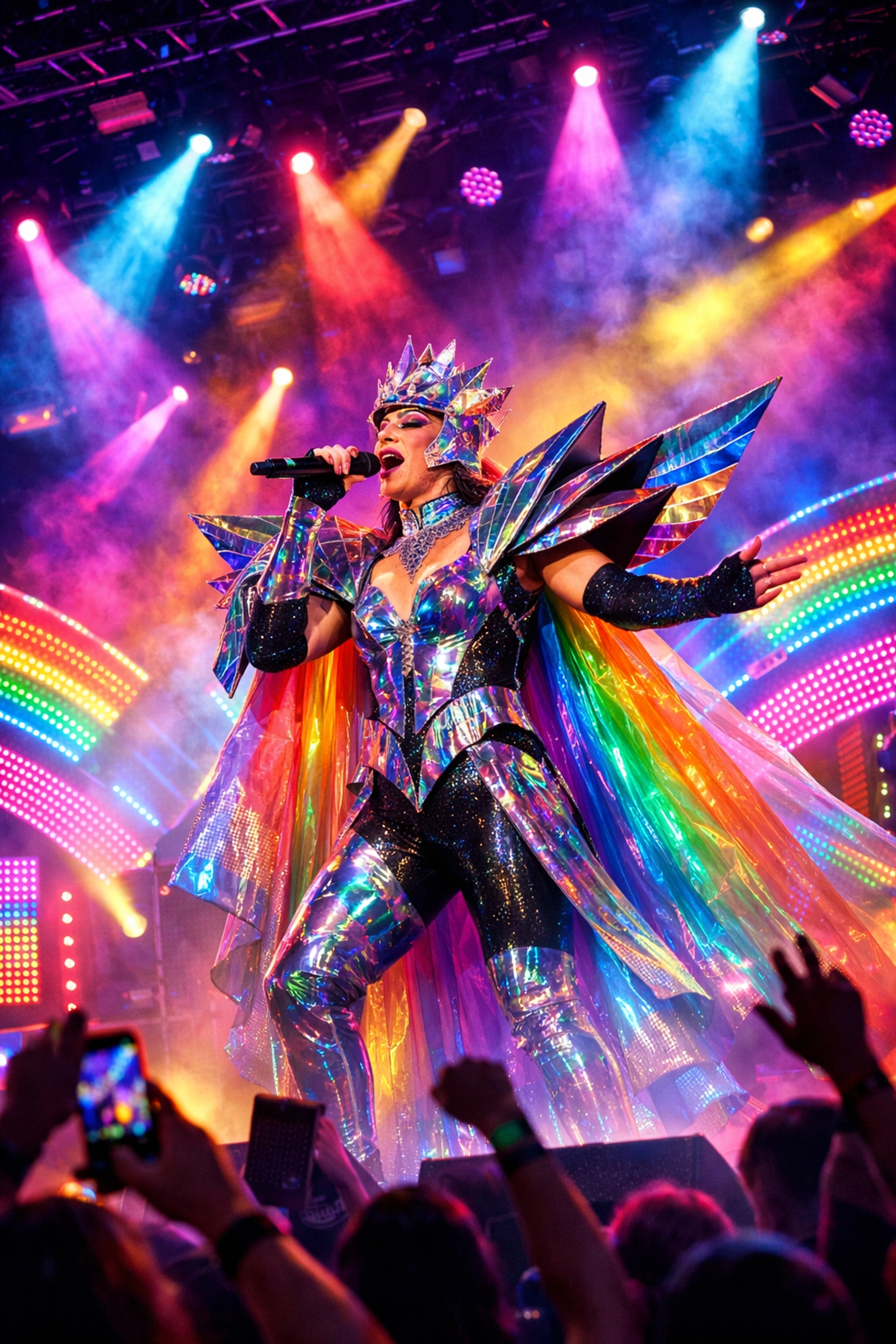
The performance showcased Montaigne in various looks and settings, each more vibrant than the last. There were holographic effects, LED panels creating kaleidoscopic backgrounds, and costume changes that would make RuPaul proud. It was a masterclass in how to create visual spectacle even when you can't be in the room.
Did it have the same impact as a live performance would have? That's debatable. Montaigne finished 14th in the semi-final and didn't qualify for the grand final: a result that disappointed many fans who felt the song deserved better. But the circumstances were unprecedented, and Montaigne handled them with grace and creativity.
Queer Representation Done Right
What makes Montaigne's Eurovision journey so significant for LGBTQ+ culture is the authentic representation they brought to the stage. This wasn't rainbow-washing or performative allyship: this was a queer artist being completely themselves on one of the world's biggest stages.
Montaigne's non-binary identity, their refusal to conform to gender norms in their presentation, and their openness about their queerness sent a powerful message to LGBTQ+ youth watching around the world. You don't have to fit into a box. You can be weird, wonderful, colorful, and completely yourself.
The artist has been vocal about their identity and experiences, using their platform to advocate for LGBTQ+ rights and visibility. In interviews around Eurovision, Montaigne spoke about the importance of authentic representation and how "Technicolour" reflected their personal journey of self-acceptance.
The Legacy of Living in Technicolour
While Montaigne didn't win Eurovision (and let's be honest, the voting is always a wild ride), their impact on the contest's queer legacy is undeniable. They joined a long line of LGBTQ+ artists and performances that have made Eurovision the gay cultural touchstone it is today.
"Technicolour" became an anthem for many queer fans, a reminder that life gets so much better when you stop living for others' expectations and start embracing your authentic self. The song's message resonates beyond the Eurovision bubble: it's about the universal queer experience of coming into your own.
Since Eurovision, Montaigne has continued to create music that pushes boundaries and celebrates individuality. They remain an important voice in Australian music and a role model for young queer artists who see themselves reflected in Montaigne's fearless authenticity.
Why Eurovision Needs Artists Like Montaigne
Eurovision has always been a safe space for queer expression, even when the rest of the world wasn't ready. From Dana International's historic win to Conchita Wurst's unforgettable triumph, the contest has a proud tradition of celebrating LGBTQ+ artists and stories.
Montaigne fits perfectly into this tradition while also pushing it forward. Their art-pop sensibility, gender non-conforming presentation, and uncompromising authenticity represent the evolution of queer visibility. It's no longer enough to simply be present: queer artists are shaping the artistic direction of pop culture, and Eurovision is a perfect stage for that revolution.
The contest thrives when it embraces bold, colorful, unapologetically queer performances. Montaigne delivered exactly that with "Technicolour," creating a moment that felt both deeply personal and universally relatable.
Living Your Truth in Full Color
At Read with Pride, we celebrate stories of authenticity and self-discovery: whether they come from the pages of MM romance books or the Eurovision stage. Montaigne's journey reminds us that living authentically is an act of courage, and that embracing every shade of who you are is always worth celebrating.
"Technicolour" might not have won Eurovision, but it won something more important: hearts. It gave queer kids permission to be themselves in full color. It showed that you don't have to dim your light to be accepted. And it proved that some of the most powerful moments in pop culture come from artists who refuse to compromise their vision.
So here's to Montaigne, to technicolour living, and to every queer person who's ever decided to paint their world in rainbow hues. Keep shining bright. The world needs your colors.
Want more stories celebrating LGBTQ+ culture and authentic queer voices? Follow us on Facebook, Instagram, and Twitter for daily inspiration, gay romance book recommendations, and celebrations of queer artistry. Discover your next favorite LGBTQ+ fiction at Readwithpride.com.
#Eurovision #Montaigne #Technicolour #QueerArtists #LGBTQPride #ReadWithPride #QueerCulture #Eurovision2021 #NonBinary #QueerJoy #LivingAuthentically #MMRomance #LGBTQBooks #GayRomance #QueerFiction #PrideMonth #LGBTQRepresentation #ArtPop #QueerMusic #EurovisionHistory

Leave a Reply
You must be logged in to post a comment.