

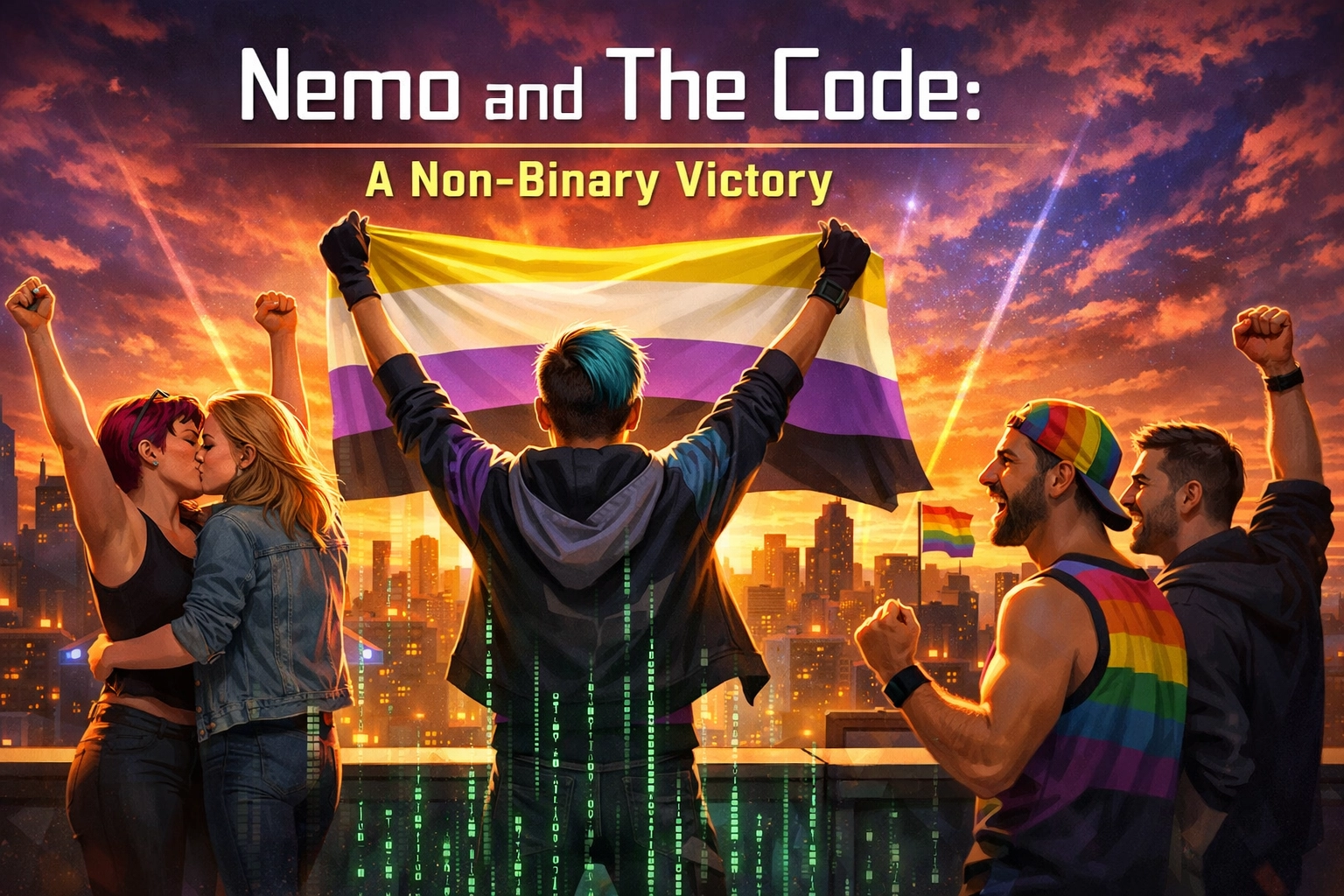
May 2024 will forever be etched in Eurovision history: not just because Switzerland finally won after 36 years, but because of who brought home that trophy. Nemo, a 24-year-old non-binary powerhouse, didn't just win the 68th Eurovision Song Contest. They shattered expectations, broke barriers, and gave the world a masterclass in authenticity with their genre-defying anthem "The Code."
And honestly? It was about damn time.
Breaking the Binary, Breaking the Stage
Let's talk about "The Code" for a second. This isn't your standard Eurovision ballad or upbeat pop anthem. This is opera meets rave meets drum n' bass meets rap: a musical Frankenstein that somehow works brilliantly. It's chaotic, it's beautiful, it's theatrical, and it's unapologetically Nemo.
The song chronicles Nemo's personal journey toward self-acceptance, and the title itself is a stroke of genius. Binary code. The code we've all been expected to fit into. Male or female. One or zero. Nemo broke that code wide open.
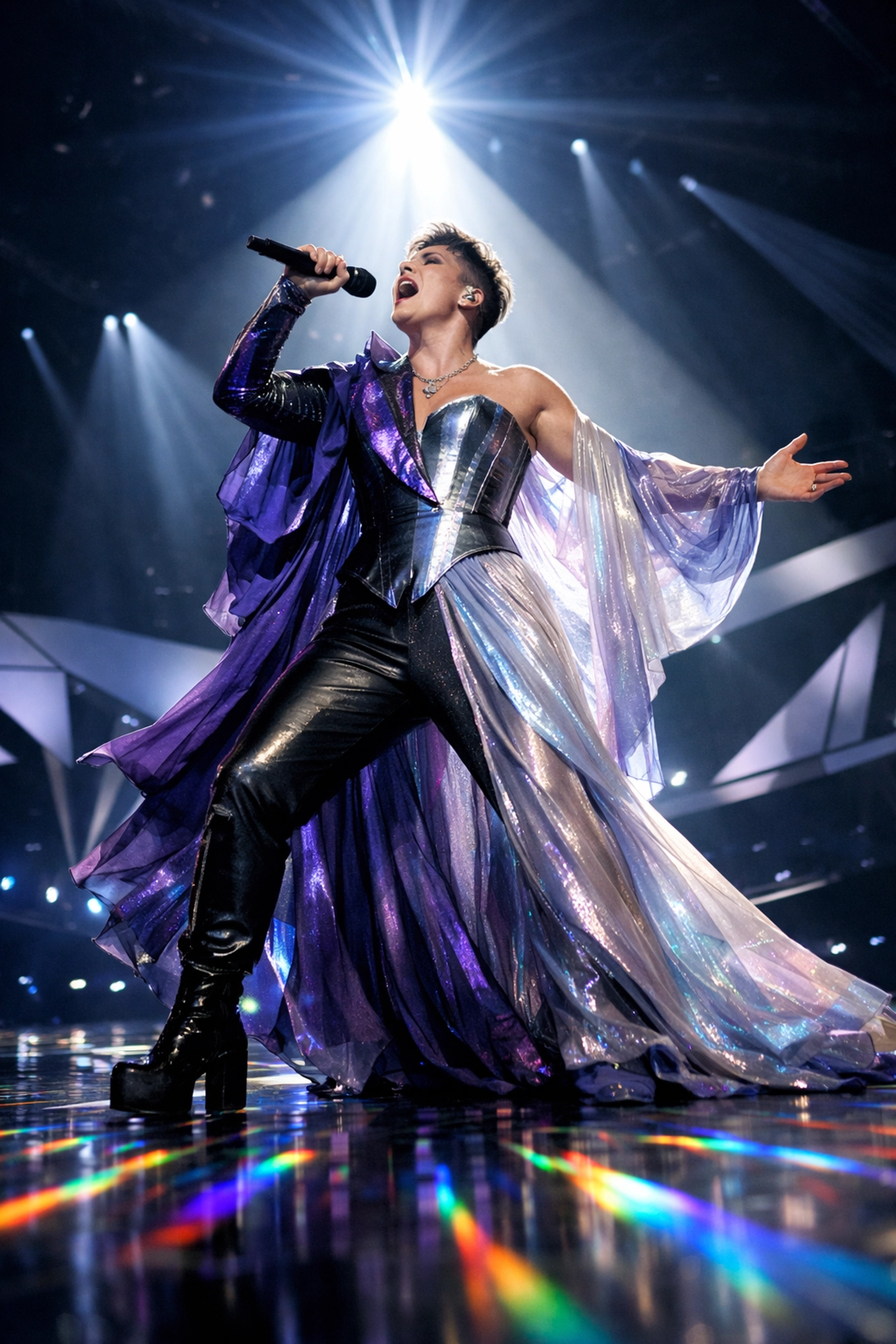
When Nemo sings, "I went to hell and back to find myself on track; I broke the code," it hits different. This isn't metaphorical fluff: this is someone who genuinely struggled with societal expectations and came out the other side saying, "Actually, I don't fit in your boxes, and that's perfectly fine."
The chorus reference to ammonites (those spiral fossils that took millions of years to form) is particularly poetic. Like those ancient creatures, understanding and accepting one's identity takes time. You can't rush self-discovery. You can't force yourself into a mold that doesn't fit. And when Nemo declares they "found paradise," you believe every word.
The Performance That Changed Everything
Eurovision performances are known for being extra: it's practically a requirement. But Nemo brought something beyond glitter and pyrotechnics. They brought raw vulnerability wrapped in fierce confidence, delivered through a gender-fluid outfit that was as much a statement as the song itself.
The staging was minimalist in the best way, letting Nemo's vocal acrobatics do the heavy lifting. Switching effortlessly between operatic belting and rapid-fire rap verses, they proved that you don't need to fit into one category: not musically, not personally.
And the voters noticed. Nemo secured the highest votes from both international juries and viewers, defeating Croatia's Baby Lasagna by 44 points. They received 22 sets of maximum 12 points. That's not just winning: that's dominating.
More Than a Trophy
Here's where Nemo's victory transcends Eurovision glitter and becomes genuinely important for queer representation. This wasn't just Switzerland's first win since Celine Dion took home the trophy in 1988 (no pressure, right?). This was the first time an openly non-binary artist won Eurovision. Full stop.
Let that sink in. In 2024, after decades of the competition showcasing queer artists and camp aesthetics, we finally had a non-binary winner. It's embarrassing it took this long, but at least we got there.
In the post-contest press conference, Nemo dedicated their win to "everyone out there who's non-binary, gender fluid, transgender… people that are daring to be themselves." It's the kind of moment that makes young queer kids watching at home realize they're not alone. They're not wrong. They're not broken.

And Nemo didn't stop at gracious acceptance speeches. They've since challenged Swiss leadership to recognize a third gender option officially. Because winning a singing competition is great, but using that platform to advocate for systemic change? That's iconic.
The Backlash Brigade
Of course, not everyone was thrilled. Conservative political figures came crawling out of the woodwork faster than you can say "identity crisis" (theirs, not Nemo's). Some criticized the victory outright, while others threw around accusations of Eurovision having "double standards" regarding political messaging: because apparently, existing as non-binary is somehow political rather than just… existing.
The irony of people complaining about "politics" in Eurovision while simultaneously making someone's gender identity a political issue is lost on exactly no one with functioning brain cells. Nemo didn't make a political statement. They sang a song about their own journey. If that threatens you, that's a you problem.
Why This Matters for LGBTQ+ Representation
Eurovision has always had a complicated relationship with queer culture. The competition thrives on camp aesthetics, queer fanbases, and performers who push boundaries: but actual LGBTQ+ recognition has been slower to catch up. We've celebrated drag aesthetics while the artists themselves faced discrimination. We've embraced the "gay anthem" energy while some countries banned LGBTQ+ visibility entirely.
Nemo's win represents a shift. It's not just tolerance or allyship or performative acceptance. It's genuine recognition that non-binary and gender-diverse people deserve space, celebration, and trophies.
For readers discovering queer stories and MM romance books through platforms like Read with Pride, this moment connects to a larger narrative. Whether it's contemporary gay romance novels, queer fiction exploring identity, or real-world moments like Nemo's victory, we're living through a time when authentic LGBTQ+ stories are finally getting their due.
The Music That Moves Us Forward
"The Code" works because it's deeply personal yet universally resonant. You don't have to be non-binary to understand the feeling of not fitting in, of struggling against expectations, of finally finding your own paradise. That's what great queer art does: it speaks to specific experiences while creating space for everyone to find themselves in the story.
At Read with Pride, we celebrate these authentic voices. Whether you're exploring gay romance novels, diving into MM fiction, or discovering queer literature that reflects real experiences, the goal is the same: stories that honor who we really are, not who we're expected to be.
Looking Forward
Nemo's victory won't magically fix systemic issues or eliminate prejudice. One trophy doesn't undo decades of erasure. But it matters. It matters to the non-binary kid watching Eurovision and seeing themselves celebrated on a global stage. It matters to the gender-fluid teenager who's been told they're "just confused." It matters to every person who's ever felt like they had to choose between authenticity and acceptance.
Switzerland waited 36 years for another Eurovision win. The non-binary community has been waiting far longer for this kind of visibility. "The Code" didn't just break musical conventions: it broke through barriers that should never have existed in the first place.
And if that's not worth celebrating, I don't know what is.
Discover more LGBTQ+ stories and celebrate authentic voices at Read with Pride. Follow us on Instagram, Facebook, and Twitter for daily queer content and book recommendations.
#NemoEurovision #TheCode #NonBinaryPride #EurovisionSongContest #ReadWithPride #LGBTQRepresentation #QueerVisibility #NonBinaryVisibility #EurovisionHistory #QueerCulture #GenderFluid #TransRights #MMRomance #QueerFiction #LGBTQBooks #GayRomance #AuthenticStories #QueerJoy #Pride2026 #BeYourself

Leave a Reply
You must be logged in to post a comment.