

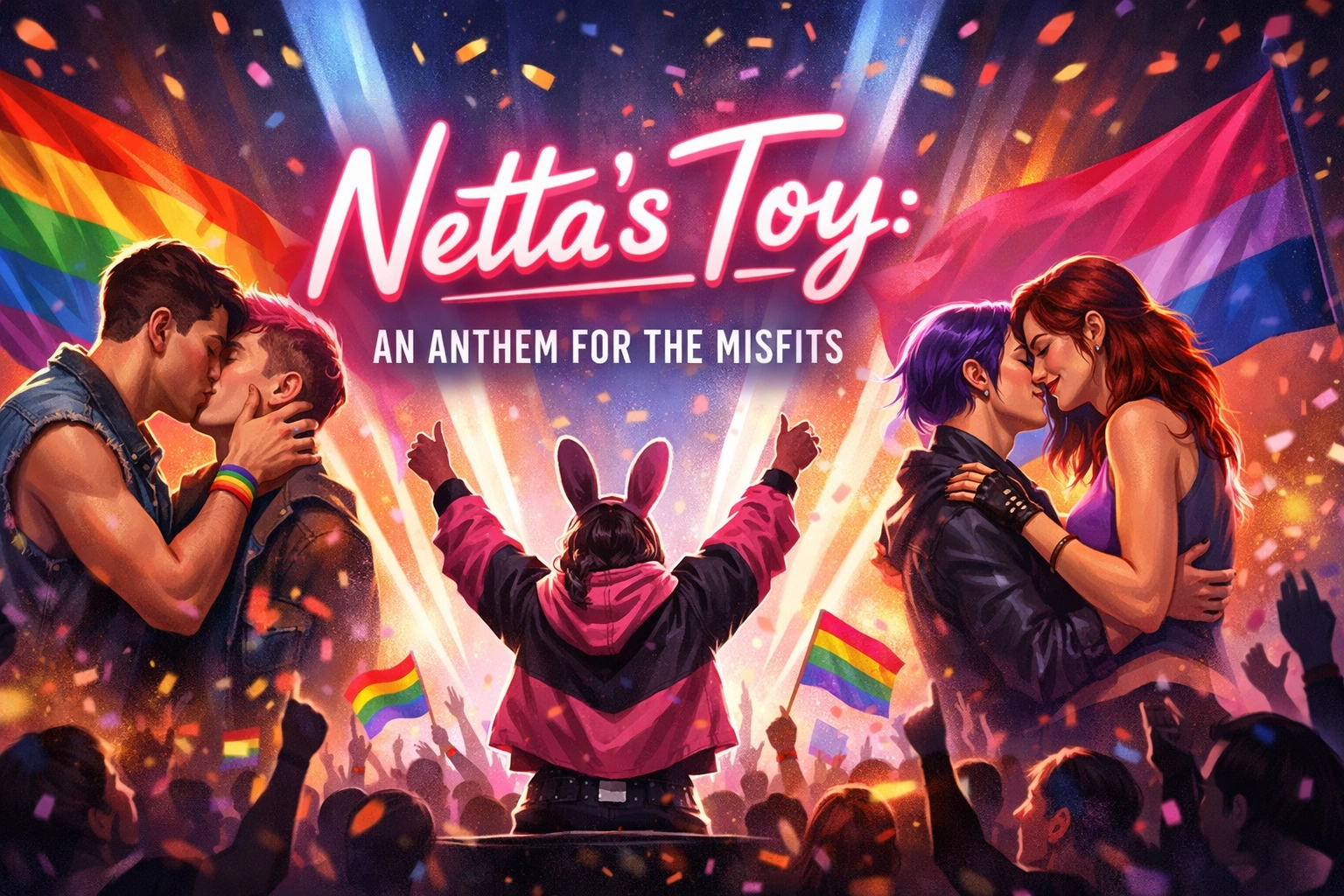
If you've ever felt like you don't quite fit the mold, whether it's at work, with family, or just in the world at large, then Netta Barzilai's 2018 Eurovision winner "Toy" might just be your unofficial anthem. And if you're part of the LGBTQ+ community, you've probably already claimed it as such.
The Israeli singer didn't just win Eurovision that year in Lisbon. She delivered something far more powerful: a celebration of everyone who's ever been told to sit down, shut up, and play the role assigned to them. Spoiler alert, she said no, and she did it with chicken sounds, looping beats, and enough attitude to fill an entire arena.
Breaking the Doll
At the heart of "Toy" lies a simple but revolutionary phrase in Hebrew: "Ani lo buba", I'm not a doll. It's a rejection of being manipulated, controlled, or molded into someone else's idea of who you should be. While the song was initially inspired by the #MeToo movement and resonated deeply with women fighting harassment and objectification, Netta herself has emphasized that its message stretches far beyond any single experience.
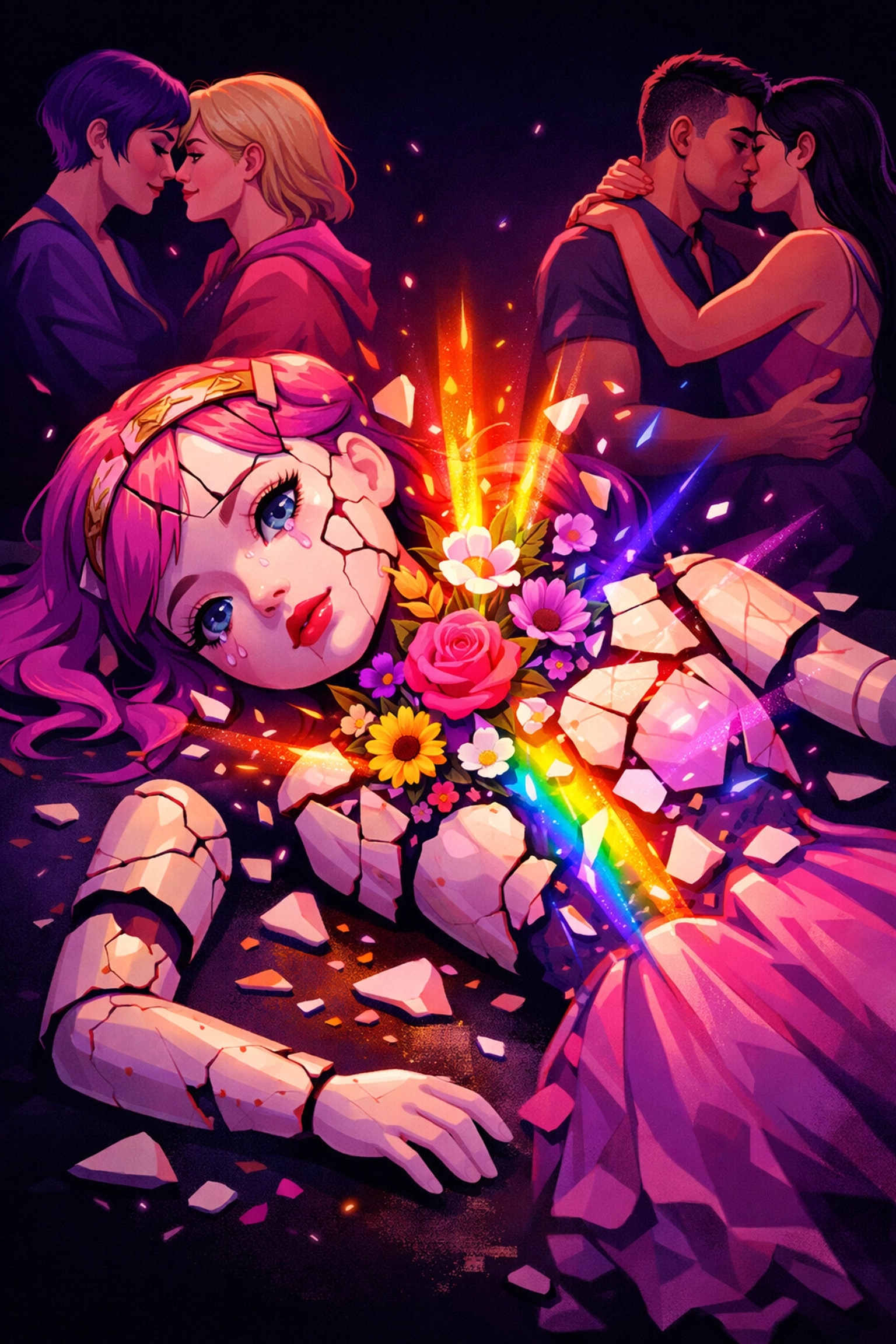
In her own words, Netta describes "Toy" as "an empowerment song in general for everybody, for everybody who has been struggling to be themselves, struggling with their bosses, with the government, somebody stepping on them." That universal framing is precisely what makes it such a powerful queer anthem. Because let's be real, how many of us in the LGBTQ+ community have spent our lives resisting the pressure to be someone we're not?
Whether it's coming out to family who expects you to fit their heteronormative vision, navigating workplaces that don't understand non-binary identities, or simply existing in a world that still tries to stuff us into boxes labeled "acceptable," the message hits home. We're not your toys. We're not here to make you comfortable.
The Power of Unconventional Performance
What made Netta's Eurovision performance so iconic wasn't just the song itself, it was the entire package. She arrived on that stage with red hair, a kimono-style outfit adorned with Japanese characters, and an energy that screamed "I'm doing this my way." There were no traditional ballad tears, no safe pop princess moves. Instead, we got looping beats she created live, playful chicken sounds (yes, really), and choreography that felt more like joyful chaos than polished perfection.

For queer audiences, this kind of unapologetic weirdness feels like home. The LGBTQ+ community has always celebrated the unconventional, the theatrical, the gloriously extra. We've turned drag into high art, created entire vocabularies of self-expression, and built safe spaces where being different isn't just accepted, it's the whole point.
Netta's performance embodied all of that. She wasn't trying to be palatable or fit into Eurovision's typical mold of what a winner "should" look like. She brought her full self to that stage, and in doing so, gave permission to everyone watching to do the same.
Why "Toy" Resonated with the Queer Community
Beyond the obvious message of autonomy, "Toy" connected with LGBTQ+ audiences on multiple levels. First, there's the choice to make empowerment fun. Netta deliberately created an upbeat, dance-worthy track instead of a somber ballad. She understood that reclaiming your power doesn't have to be a tragedy, it can be a celebration.
This mirrors how queer culture has historically used joy and creativity as resistance. From Pride parades to ballroom culture, we've learned that sometimes the most revolutionary act is refusing to be miserable about who we are. "Toy" captures that spirit perfectly.
Second, the song speaks to the specific experience of limiting yourself to meet expectations. Netta talks about people "pursuing a job that they don't even like… just to like make money just to be okay just to like for mommy to be proud." For many LGBTQ+ individuals, this hits painfully close. How many of us have stayed in the closet at work? Dated people we weren't attracted to? Pursued "safe" careers instead of following our dreams? All to make someone else comfortable or proud?
"Toy" says: Stop. You get to choose. The world will try to limit you, but you don't have to limit yourself.
Eurovision's Queer Legacy
"Toy" didn't happen in a vacuum. Eurovision has long been a haven for queer expression, even when host countries themselves weren't particularly welcoming. The contest's history is filled with gender-bending performances, same-sex backup dancers, and artists who've used the platform to make statements about identity and freedom.
Netta's win came just a year after Salvador Sobral's emotional ballad and a few years after Conchita Wurst's groundbreaking 2014 victory. Each represented different facets of challenging norms, Conchita explicitly as a bearded drag queen, Sobral by rejecting Eurovision's typical spectacle, and Netta by embracing chaos and unconventionality.
For queer viewers around the world, Eurovision has become more than a song contest. It's a yearly reminder that there's an entire community out there celebrating difference, creativity, and the courage to be yourself. When Netta won, it felt like validation for everyone who's ever been called "too much," "too weird," or "too different."
The Misfit Anthem We Needed
What makes "Toy" particularly powerful as a misfit anthem is its refusal to apologize. Netta isn't asking for permission to be herself, she's announcing it. The energy isn't "please accept me" but rather "I'm doing this whether you like it or not."
This confidence is crucial for LGBTQ+ empowerment. For too long, our narratives have been about seeking acceptance from straight society, asking nicely to be included, hoping people will tolerate us. "Toy" flips that script. It centers the experience of the person breaking free, not the opinions of those trying to hold them back.
The song acknowledges struggle: "everybody who has been struggling to be themselves": but it doesn't dwell in victimhood. Instead, it transforms that struggle into fuel for celebration. You've fought to be yourself? Good. Now dance about it.
Finding Your Voice
At Read with Pride, we believe in the power of stories that celebrate authentic LGBTQ+ experiences. Whether it's through MM romance novels that explore queer love without apology, or articles like this one that highlight cultural moments of queer empowerment, we're here for the full spectrum of our community's expression.
Netta's "Toy" reminds us that empowerment comes in many forms. Sometimes it's the quiet courage of coming out. Sometimes it's the bold declaration that you won't be controlled. And sometimes, it's standing on a stage in front of 200 million viewers and making chicken sounds while refusing to be anyone's doll.
The song's legacy continues to inspire. Years after that 2018 victory, "Toy" still shows up at Pride events, queer parties, and anywhere people gather to celebrate not fitting in. Because here's the truth: being a misfit isn't a flaw. It's a superpower.
So whether you're navigating family expectations, workplace challenges, or just the daily grind of existing in a world that doesn't always get you: remember Netta's message. You're not a toy. You're not here to make others comfortable. You're here to be gloriously, unapologetically yourself.
And if you can do it while making chicken sounds? Even better.
Discover more stories celebrating LGBTQ+ culture and empowerment at Read with Pride. Follow us on Facebook, Instagram, and Twitter/X for daily inspiration, book recommendations, and celebrations of queer excellence.
#ReadWithPride #LGBTQCommunity #Eurovision #QueerEmpowerment #NettaToy #MisfitAnthem #QueerCulture #LGBTQStories #BeYourself #BreakTheMold #QueerJoy #PrideAndPower #AuthenticVoices #MMRomance #QueerFiction #ReadwithPride

Leave a Reply
You must be logged in to post a comment.