

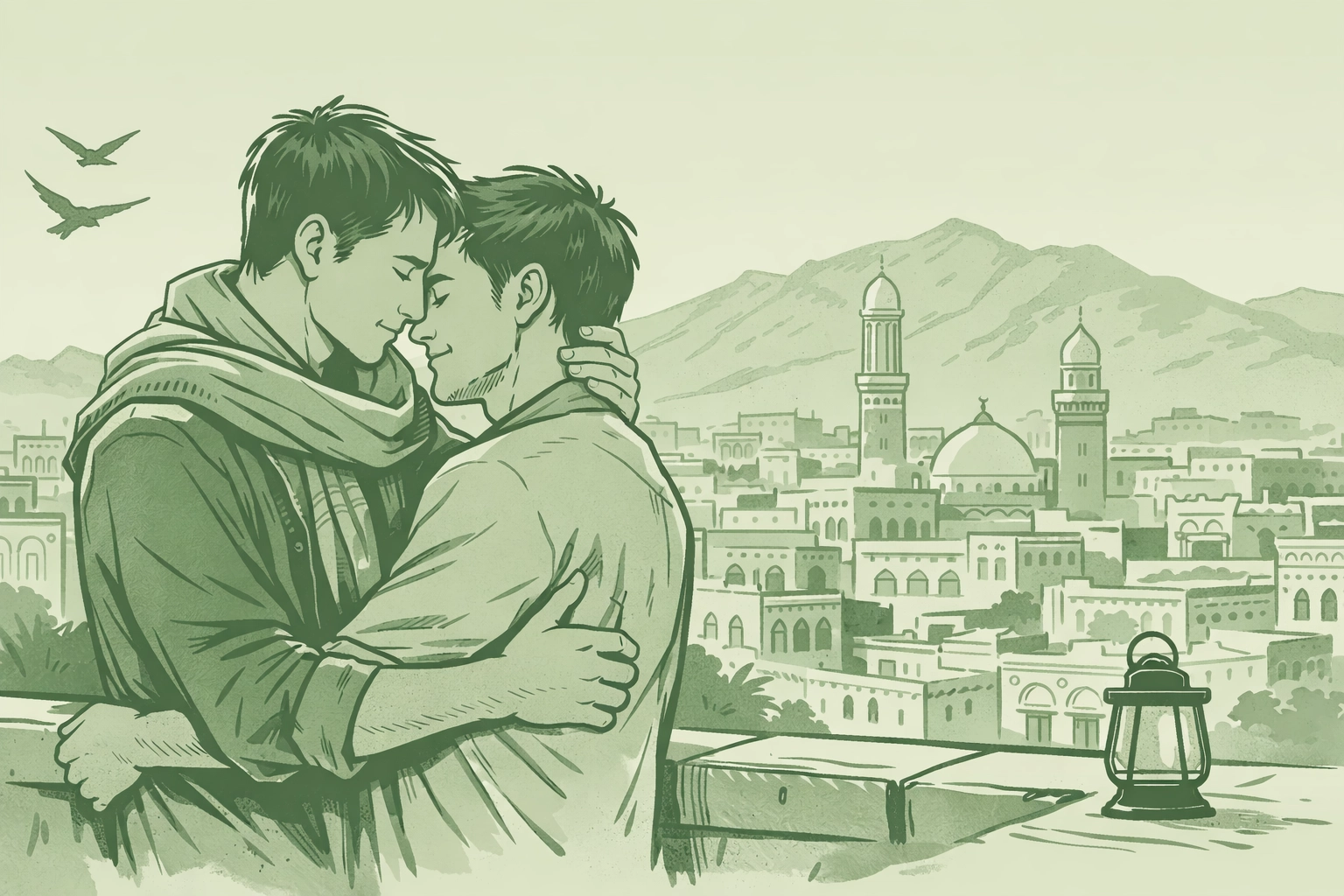
The Hidden Crisis in Yemen's Capital
Over 71 million LGBTQ+ people worldwide live in nations where their identity is criminalized. In Yemen, being gay isn't just illegal: it can be a death sentence. The capital city of Sana'a, already devastated by years of civil war, holds an additional terror for its LGBTQ+ residents: the constant threat of discovery, imprisonment, and execution under Sharia law.
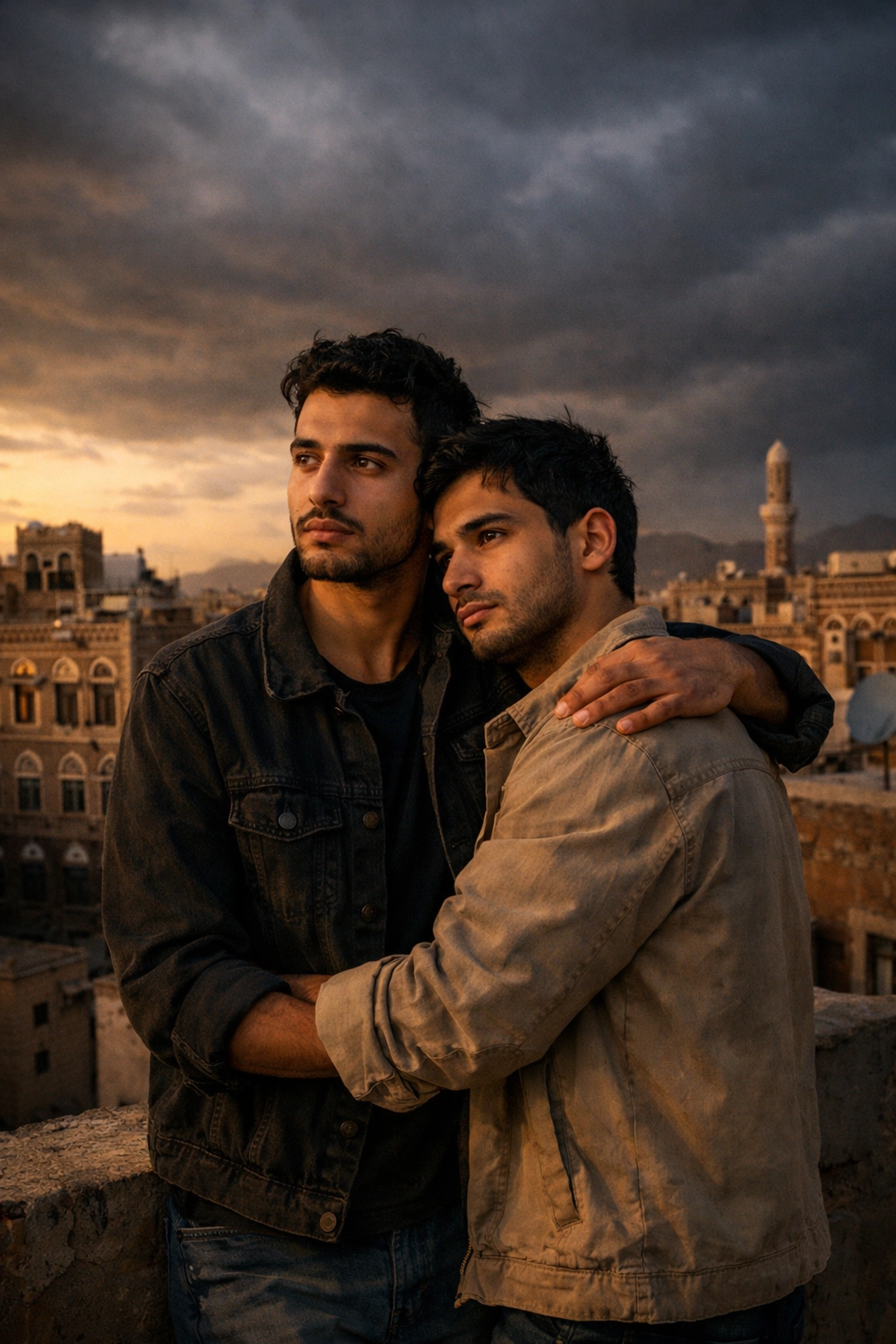
Yemen's legal system prescribes death by stoning for same-sex intimacy. This isn't theoretical: it's enforced. For gay men living in Sana'a, every day brings a dual trauma: surviving a war zone while hiding their authentic selves from family, neighbors, and armed militias who patrol the streets.
Living Under Double Persecution
The situation in Yemen represents one of the most dangerous environments for LGBTQ+ individuals globally. Over 60 countries still criminalize same-sex relationships, but Yemen's combination of civil conflict and strict interpretation of religious law creates a uniquely perilous landscape.
Consider the daily reality: checkpoints controlled by various armed groups, where personal phones are searched. Neighbors reporting "suspicious behavior" to local authorities. Family members becoming enforcers of social codes that demand marriage and children. The war has made everyone desperate, and desperate people sometimes turn on the most vulnerable among them.
For those seeking to escape, the challenges multiply. Yemen's borders are largely controlled by warring factions. Exit visas are difficult or impossible to obtain. Travel documents for LGBTQ+ refugees become targets for blackmail and exploitation.
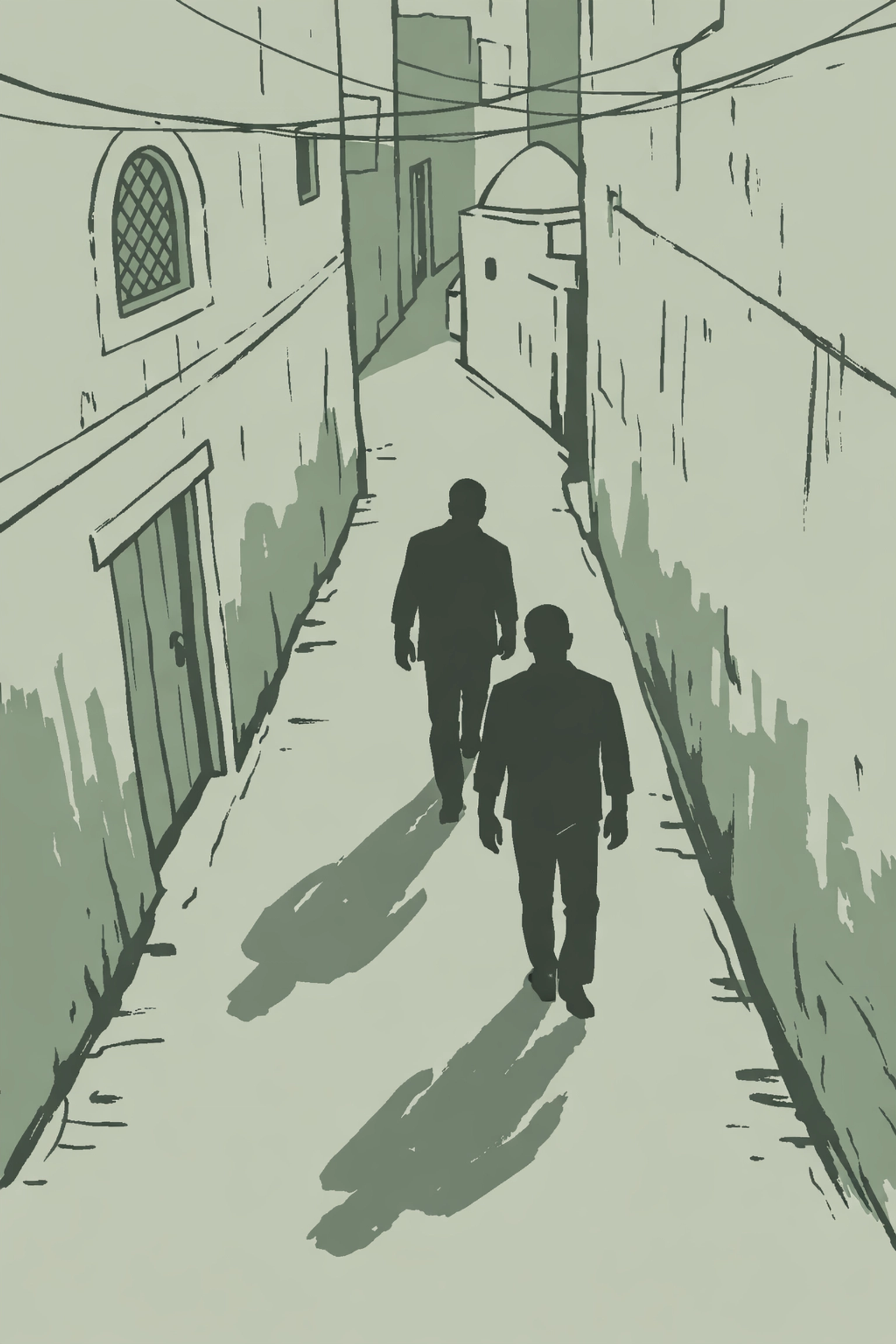
The Journey to Oslo: A Path Through Shadows
Norway has established itself as one of Europe's most welcoming destinations for LGBTQ+ asylum seekers. Oslo, with its robust support systems and progressive laws protecting sexual minorities, represents safety: but the journey from Sana'a to Oslo spans continents, bureaucracies, and countless dangers.
The typical escape route involves multiple stages. First, leaving Yemen itself, often through Oman or Djibouti, where smugglers charge exorbitant fees and offer no guarantees. Then, reaching a country where asylum applications can be filed: often Egypt, Jordan, or Turkey. Finally, the lengthy asylum process itself, which can take years.
Throughout this journey, LGBTQ+ refugees face specific vulnerabilities. Refugee camps and temporary housing aren't safe spaces for openly gay individuals. Many face harassment, assault, or worse from fellow refugees or local populations. The psychological burden of remaining closeted continues even after leaving the most immediate danger.
Norway's Asylum Framework for LGBTQ+ Refugees
Norway recognizes sexual orientation and gender identity as valid grounds for asylum under international refugee law. The Norwegian Directorate of Immigration (UDI) has developed specific protocols for assessing LGBTQ+ asylum claims, acknowledging that traditional forms of evidence often don't apply.
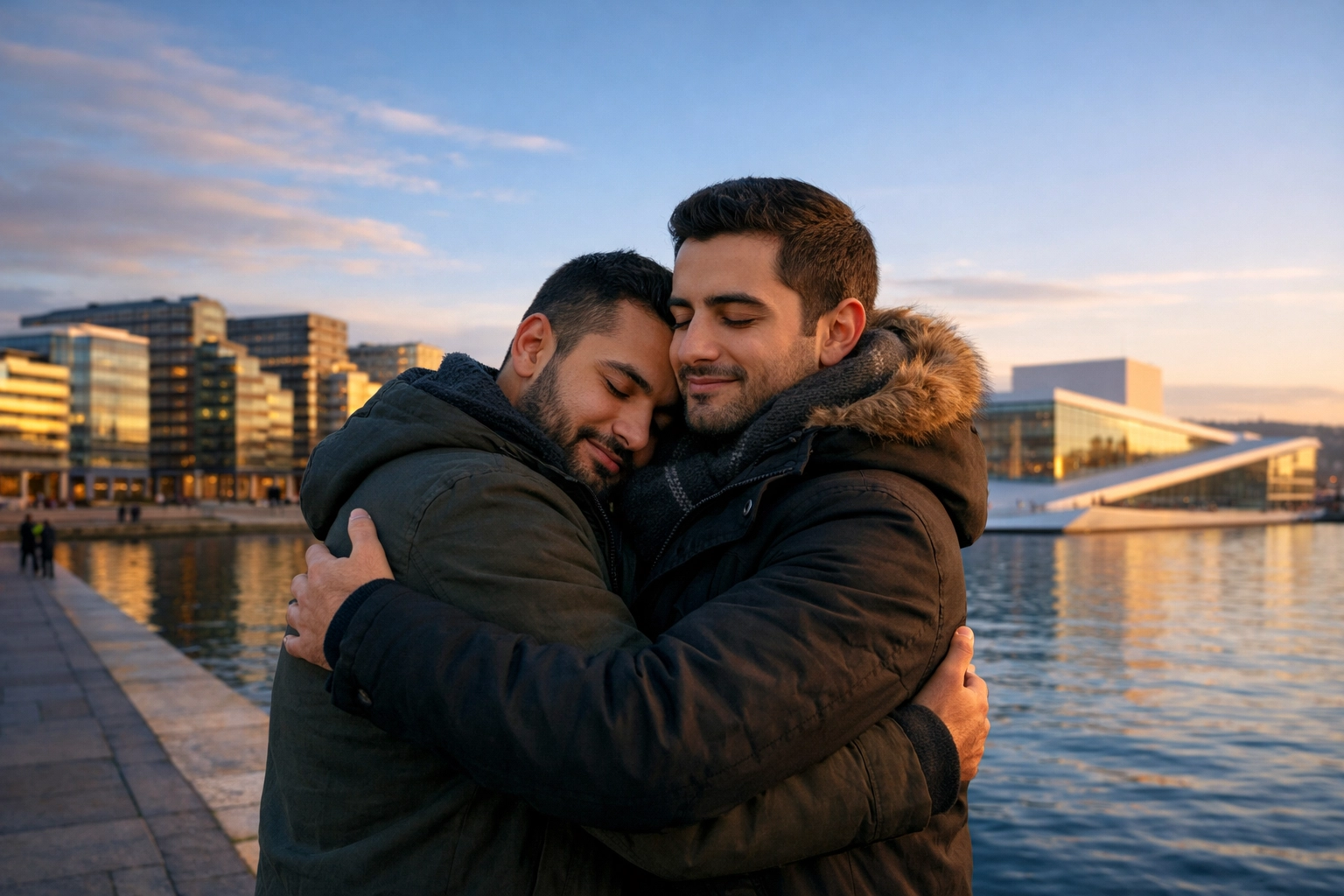
Successful asylum seekers in Oslo find comprehensive support systems. Organizations like SKEIV VERDEN (Queer World) provide assistance with housing, language learning, job placement, and community integration. Oslo's established LGBTQ+ community offers social networks that help combat the isolation many refugees experience.
The process isn't simple. Asylum applicants must demonstrate credible fear of persecution. For LGBTQ+ Yemenis, this involves sharing deeply personal stories with immigration officials, often through interpreters. The trauma of what they've experienced or witnessed must be articulated clearly enough to meet legal standards.
Stories of Resilience
The exact number of LGBTQ+ refugees who have escaped from Yemen to Norway isn't publicly documented: for good reason. Many remain in contact with family members still in Yemen, and visibility could endanger those left behind.
What's documented is the transformation that safety allows. After years of hypervigilance, of monitoring every word and gesture, of living in constant fear: safety permits something revolutionary: the possibility of authenticity.
In Oslo, former refugees from countries like Yemen, Iran, and Afghanistan have built new lives. They work, study, form relationships, and gradually heal from years of trauma. Some become advocates, working with organizations to help others navigate the asylum process.
The Broader Crisis of Criminalization
Yemen is far from unique. Across the Middle East, North Africa, and parts of Asia and Africa, over 60 countries maintain laws criminalizing same-sex intimacy. The penalties vary: imprisonment in some nations, corporal punishment in others, death sentences in several.
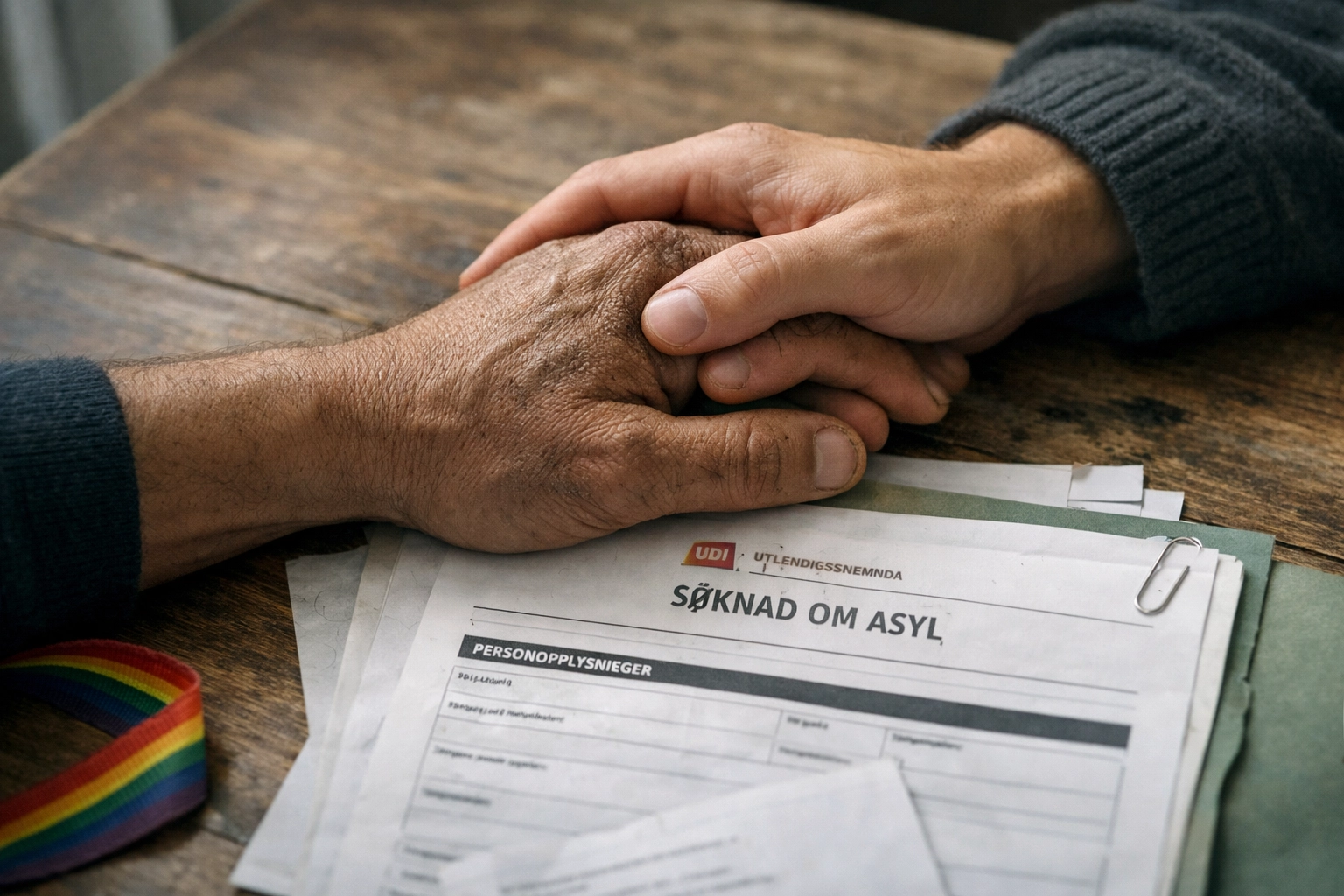
This global crisis of criminalization forces impossible choices. Stay and risk discovery, living in perpetual fear? Or attempt escape, leaving behind family, culture, language, and everything familiar?
For those interested in understanding these stories more deeply, literature provides powerful insights. Works exploring LGBTQ+ experiences across cultures can build empathy and awareness. The collection at Read with Pride includes MM romance and gay fiction that honors diverse experiences and perspectives.
What Safety Means
For someone who has escaped Sana'a to reach Oslo, safety isn't just physical: it's psychological, emotional, and social. It's the ability to walk down the street without calculating every interaction for threat potential. It's forming relationships without fearing that intimacy could lead to imprisonment or death.
It's also the freedom to be visible. To attend Pride celebrations. To introduce a partner to new friends without fear. To simply exist without the exhausting labor of constant concealment.
Yet safety doesn't erase trauma. Many refugees grapple with survivor's guilt, grief over abandoned families and futures, and the complex process of building identity in a new cultural context. Mental health support becomes crucial, as does connection with others who understand the specific challenges of LGBTQ+ asylum.
Supporting LGBTQ+ Refugees
For those reading from safe countries, awareness is the first step toward action. Understanding that over 71 million LGBTQ+ people live under criminalization contextualizes the refugee crisis differently. These aren't abstract statistics: they're individuals facing state-sanctioned persecution for simply existing.
Support can take many forms: donating to organizations assisting LGBTQ+ refugees, advocating for asylum-friendly policies, volunteering with refugee integration programs, or simply educating others about the realities of criminalization worldwide.
Stories matter too. Reading and sharing narratives about LGBTQ+ experiences: both fictional and documented: builds the empathy and understanding necessary for social change. Visit dickfergusonwriter.com for gay romance and MM fiction that celebrates diverse LGBTQ+ lives and loves.
Moving Forward
The journey from Sana'a's shadows to Oslo's safety represents extraordinary courage. Each successful escape story offers hope for others still trapped in dangerous circumstances. Yet the broader solution requires systemic change: decriminalization of LGBTQ+ identities worldwide, enforcement of international refugee protections, and global commitment to human rights regardless of sexual orientation or gender identity.
Until that world exists, cities like Oslo will continue receiving refugees fleeing persecution. And individuals will continue making the harrowing choice to leave everything behind in pursuit of the fundamental right to live authentically and safely.
Follow us on social media for more stories about LGBTQ+ experiences worldwide:
Instagram: @dickfergusonwriter
X/Twitter: @DickFergus94902
Facebook: Dick Ferguson Writer
Explore more LGBTQ+ stories: www.readwithpride.com
#ReadWithPride #LGBTQRights #GayRefugees #MMRomance #LGBTQBooks #QueerFiction #GayLiterature #HumanRights #LGBTQAsylum #GayRomanceBooks #QueerStories #LGBTQFiction #ReadingWithPride #GayBooks #MMBooks #LGBTQCommunity #RefugeeStories

Leave a Reply
You must be logged in to post a comment.