

When Home Becomes the Most Dangerous Place
In over 60 countries worldwide, being LGBTQ+ isn't just frowned upon: it's criminalized. More than 71 million queer individuals live in nations where their very existence is against the law, where loving someone of the same gender can mean imprisonment, violence, or death. Bangladesh is one of these countries, where Section 377 of the Penal Code criminalizes same-sex relations with penalties including life imprisonment.
For Rahman, a 26-year-old activist from Dhaka, this wasn't abstract policy. It was the reality that took his friends, destroyed families, and forced him onto the longest flight of his life.
The Price of Visibility
Rahman had always known he was different. Growing up in Dhaka's bustling Mirpur district, he watched other boys with an intensity he couldn't name. By university, he'd found his community: a small, careful network of LGBTQ+ individuals who met in private homes, who used coded language, who lived double lives.
"We weren't asking for much," Rahman recalls. "Just the right to exist without fear. To love without looking over our shoulders."
He became involved in quiet advocacy work, helping connect vulnerable LGBTQ+ youth with resources, documenting abuses, providing safe spaces for community gatherings. The work was dangerous but necessary.
Then came the crackdown.
In 2016, two prominent LGBTQ+ activists were brutally murdered in Dhaka. Rahman lost two friends in those attacks. The message was clear: visibility equals death. Many in the community went deeper underground. Some disappeared entirely. Rahman knew he had a choice to make.
Planning the Impossible
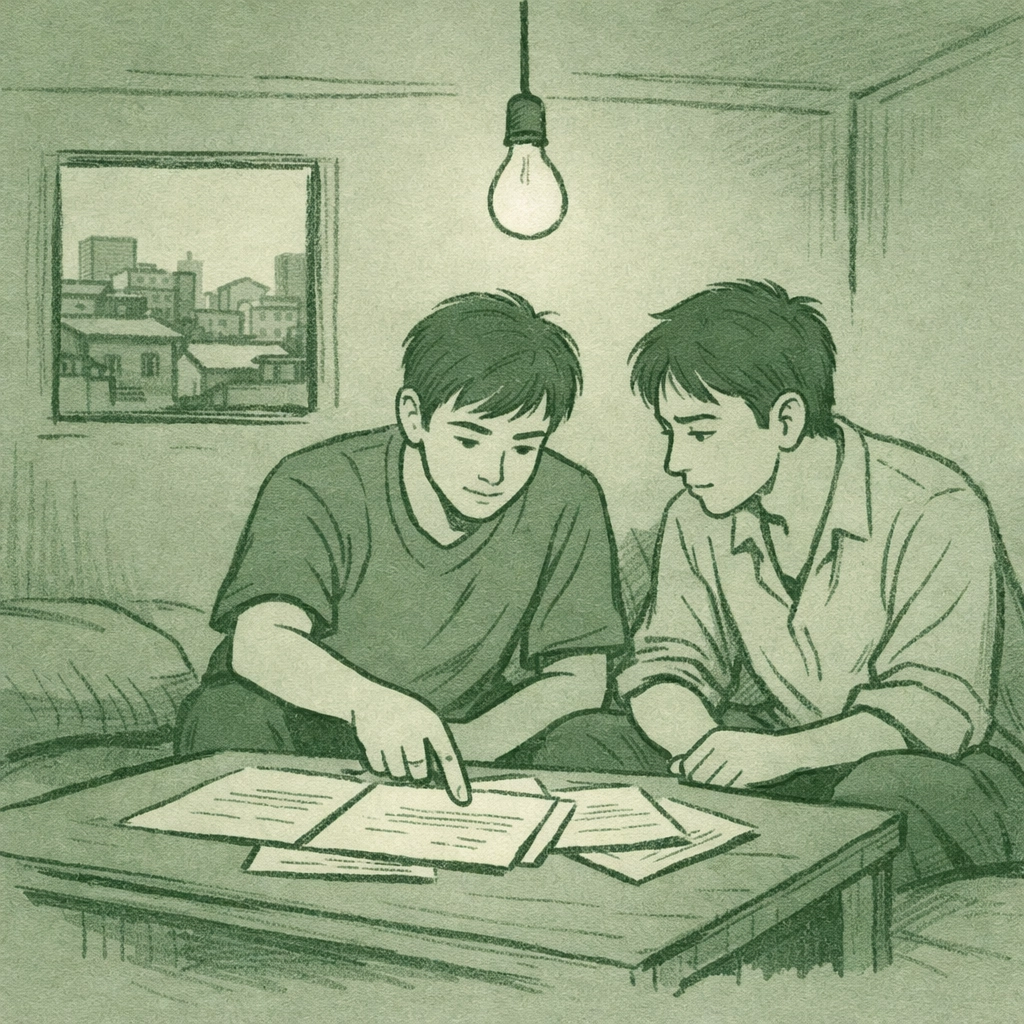
Leaving Bangladesh isn't simple, especially when you're fleeing persecution rather than traveling for tourism or work. The process of claiming asylum requires documentation, proof of threat, and a destination willing to accept you. Rahman spent eighteen months preparing, saving every taka he could, connecting with international LGBTQ+ organizations, and learning about countries with established asylum processes.
Finland emerged as his destination. The Nordic country has robust protections for LGBTQ+ refugees, a recognition that sexual orientation and gender identity constitute valid grounds for asylum, and established support systems for those fleeing persecution.
But first, he had to get there.
The Journey North
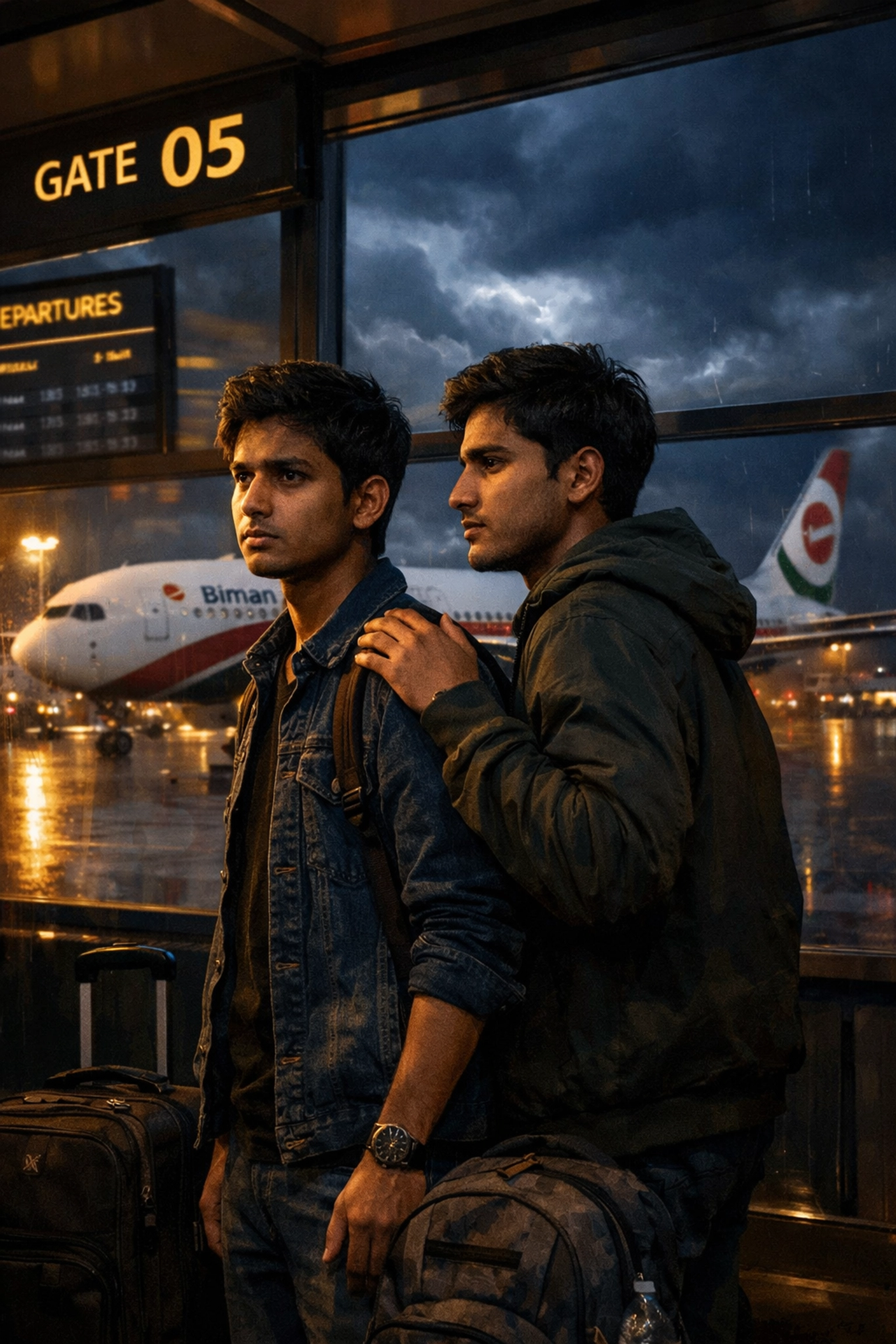
The flight from Dhaka typically requires connections: through Dubai, Istanbul, or European hubs. Each stop meant new border controls, new questions, new risks. Rahman carried minimal belongings: a backpack with clothes, documents sealed in plastic, and photographs of friends who hadn't made it out.
"I kept thinking about Tanvir and Faisal," he says, naming the friends murdered in 2016. "They were braver than me. They were visible when it cost everything. I was running, but I was also carrying their story with me."
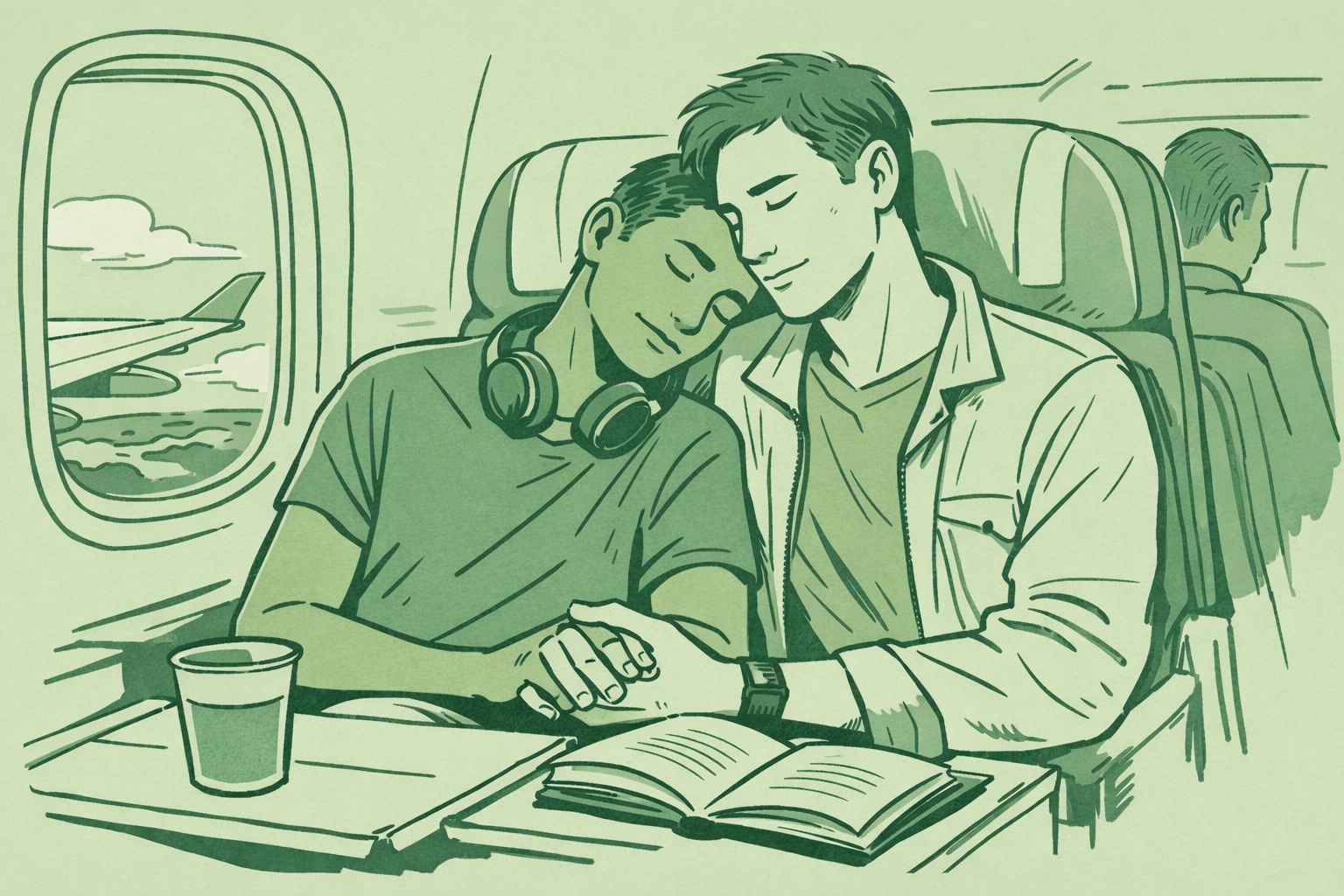
The longest leg was Dhaka to Istanbul: over eight hours watching Bangladesh disappear beneath clouds, knowing he might never return. In Istanbul's massive airport, during a seven-hour layover, Rahman experienced something he'd never known: casual visibility. He saw same-sex couples holding hands in the terminal, men greeting each other with affection, and for the first time in his life, no one seemed to care.
Arrival in Helsinki
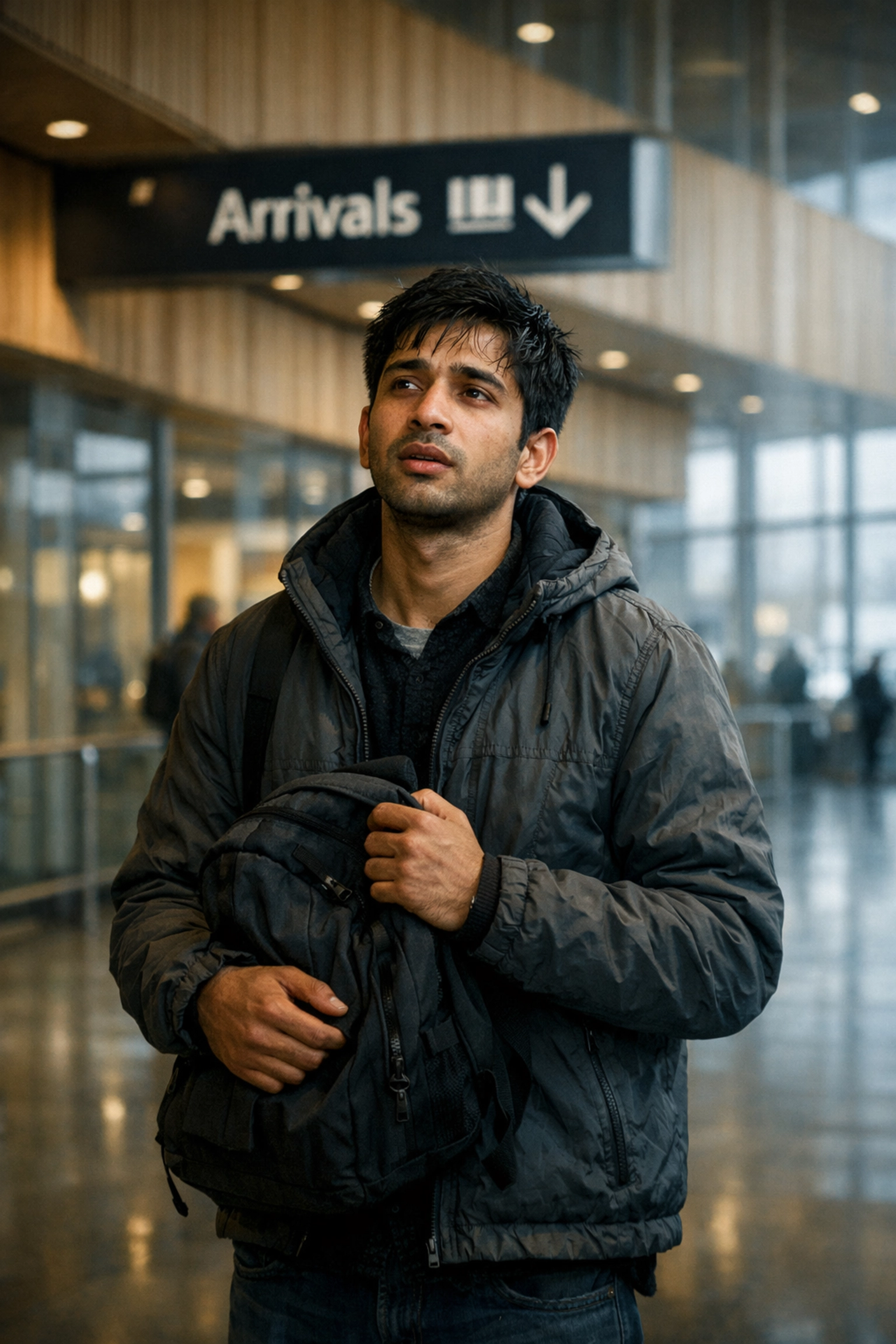
The final flight into Helsinki-Vantaa Airport landed on a grey March morning. Finland in winter bears no resemblance to Dhaka: the cold was shocking, the darkness overwhelming, everything foreign. Rahman presented himself immediately to border officials and declared his intention to seek asylum.
What followed were months of interviews, documentation reviews, and waiting. The Finnish Immigration Service requires substantial evidence of persecution. Rahman provided testimony, news articles about the murders, documentation of threats he'd received, and sworn statements from other Bangladeshi LGBTQ+ individuals.
The process was exhausting but ultimately successful. In contrast to the 71 million living under criminalization, Rahman became one of the fortunate few granted protection in a country where being gay isn't just legal: it's protected.
Building a New Life
Two years into his Finnish residency, Rahman works with asylum support organizations, helping other LGBTQ+ refugees navigate the complex integration process. He's learned Finnish to basic proficiency, found work in the service sector, and built a chosen family among other refugees and Finnish LGBTQ+ community members.
"Helsinki will never be Dhaka," he admits. "I miss the food, the language, the chaotic energy of home. But here, I can walk down the street holding another man's hand. I can say 'my boyfriend' without lowering my voice. That freedom is worth everything I lost."
His activism hasn't stopped: it's evolved. Rahman now documents the experiences of LGBTQ+ refugees for international human rights organizations, providing testimony to European Parliament committees, and maintaining connections with underground activists still in Bangladesh.
The Unfinished Journey
Rahman's story is one of survival, but it's also one of loss. His family in Bangladesh has minimal contact with him, fearing association will bring them trouble. The friends he made it out are scattered across Europe, Canada, and the United States: a diaspora of survival.
"People ask if I'm grateful to be here," Rahman reflects. "I am. But gratitude doesn't erase anger. I'm angry that we have to flee. I'm angry that 71 million people still wake up every day in places where their love is criminalized. I'm angry that some don't make it out."
The work of documenting LGBTQ+ persecution, of bearing witness, of speaking out: this has become Rahman's purpose. Organizations like Read with Pride work to amplify these stories, ensuring that the experiences of queer refugees aren't forgotten or diminished.
For those interested in understanding the full scope of LGBTQ+ experiences: from persecution to resilience, from exile to belonging: exploring queer literature offers invaluable perspective. Browse the LGBTQ+ fiction collection at eBooks by Dick Ferguson, where stories of survival, identity, and love reflect both historical struggles and contemporary realities.
Stories That Must Be Told
The long flight from Dhaka to Helsinki covered over 6,000 kilometers, but Rahman's journey is far from unique. Across the Middle East, Africa, Central Asia, and parts of the Caribbean and Pacific, LGBTQ+ individuals face impossible choices: hide forever, risk everything to stay visible, or flee.
These aren't abstract statistics. They're real people with families, careers, dreams, and loves: forced to abandon everything because 60+ countries have decided their identity is criminal.
Literature plays a crucial role in humanizing these experiences. Books like The Divided Sky explore forbidden love across divides, while works documenting real experiences help the world understand what's at stake.
Rahman continues speaking out, continues documenting, continues honoring friends who didn't survive. His message is clear: visibility matters, testimony matters, and the fight for universal LGBTQ+ rights is far from over.
Discover powerful LGBTQ+ stories and support queer voices at Read with Pride and Dick Ferguson Writer.
Follow us on social media:
- Instagram: @dickfergusonwriter
- X/Twitter: @DickFergus94902
- Facebook: Dick Ferguson Writer
#ReadWithPride #ReadingWithPride #LGBTQRefugees #GayRights #QueerFiction #MMRomance #GayLiterature #HumanRights #LGBTQAsylum #GayBooks #QueerStories #LGBTQActivism #BangladeshLGBTQ #RefugeeStories #LGBTQFiction #GayNovels #PrideStories #QueerAuthors #LGBTQCommunity #GayRomanceBooks

Leave a Reply
You must be logged in to post a comment.