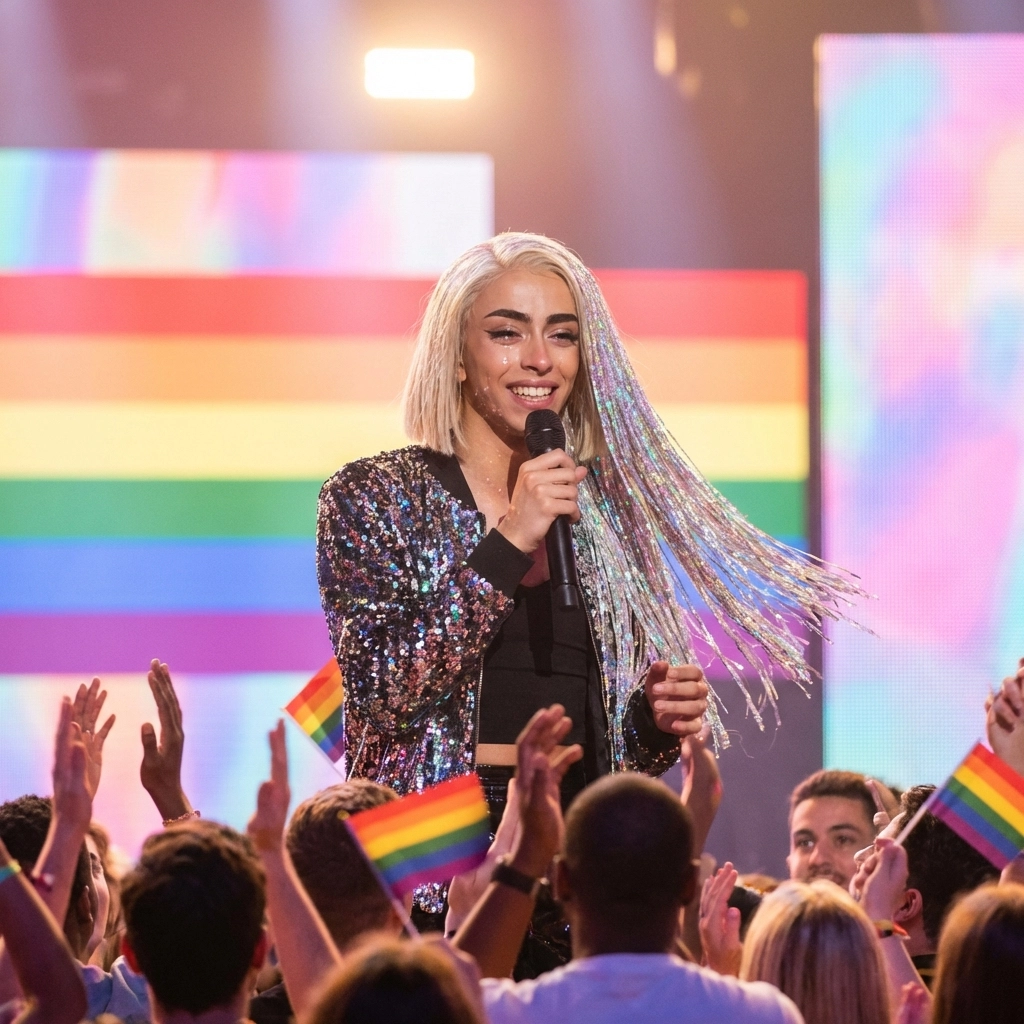
When France announced their 2019 Eurovision entry, they didn't just send a singer, they sent a statement. Bilal Hassani, a 19-year-old YouTube personality with spectacular wigs and an even more spectacular message, was about to show Europe what it meant to be unapologetically yourself. And honestly? The haters weren't ready.
The Boy Behind the Wig
Bilal Hassani wasn't your typical Eurovision contestant. Born to a Moroccan family in France, he'd already built a substantial following on YouTube before Eurovision came calling. But what really set him apart wasn't just his vocal talent, it was his fierce commitment to self-expression through fashion, makeup, and yes, those iconic wigs.
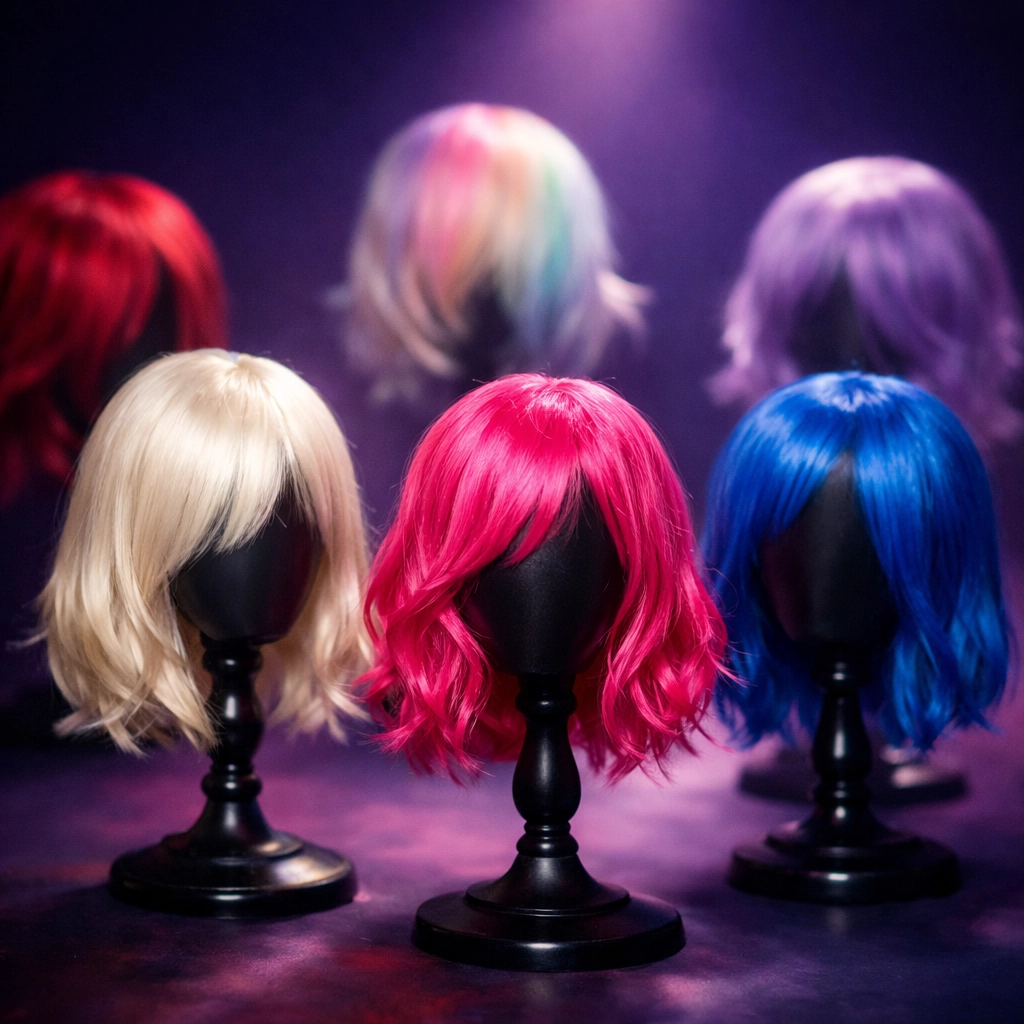
For Bilal, wigs weren't just accessories. They were armor, identity, and art all rolled into one fabulous package. "I just started putting them on and I was like wow…it makes me feel special and it makes me feel empowered and it makes me be myself even more," he explained in interviews. He even named his wigs: one called "Tel Aviv" after his first Eurovision performance, another simply called "Eurovision" to represent his artistic evolution.
This level of personal connection to his aesthetic wasn't superficial. It was rooted in childhood experiences of dressing up dolls and wanting to embody that same freedom of expression. In a world that constantly tells queer people to tone it down, shrink themselves, or hide their truth, Bilal's wigs became symbols of radical self-acceptance.
When the Hate Came Knocking
Here's where the story gets darker. Because when you're an openly gay Muslim artist from a Moroccan background wearing wigs on one of Europe's biggest stages, the bigots come out in full force. And they did.
After France selected Bilal to represent them at Eurovision, the backlash was immediate and vicious. Critics dismissed him as merely "an Arab in a wig": a reductive, racist, and homophobic characterization that completely missed the point. But it got worse. Much worse.
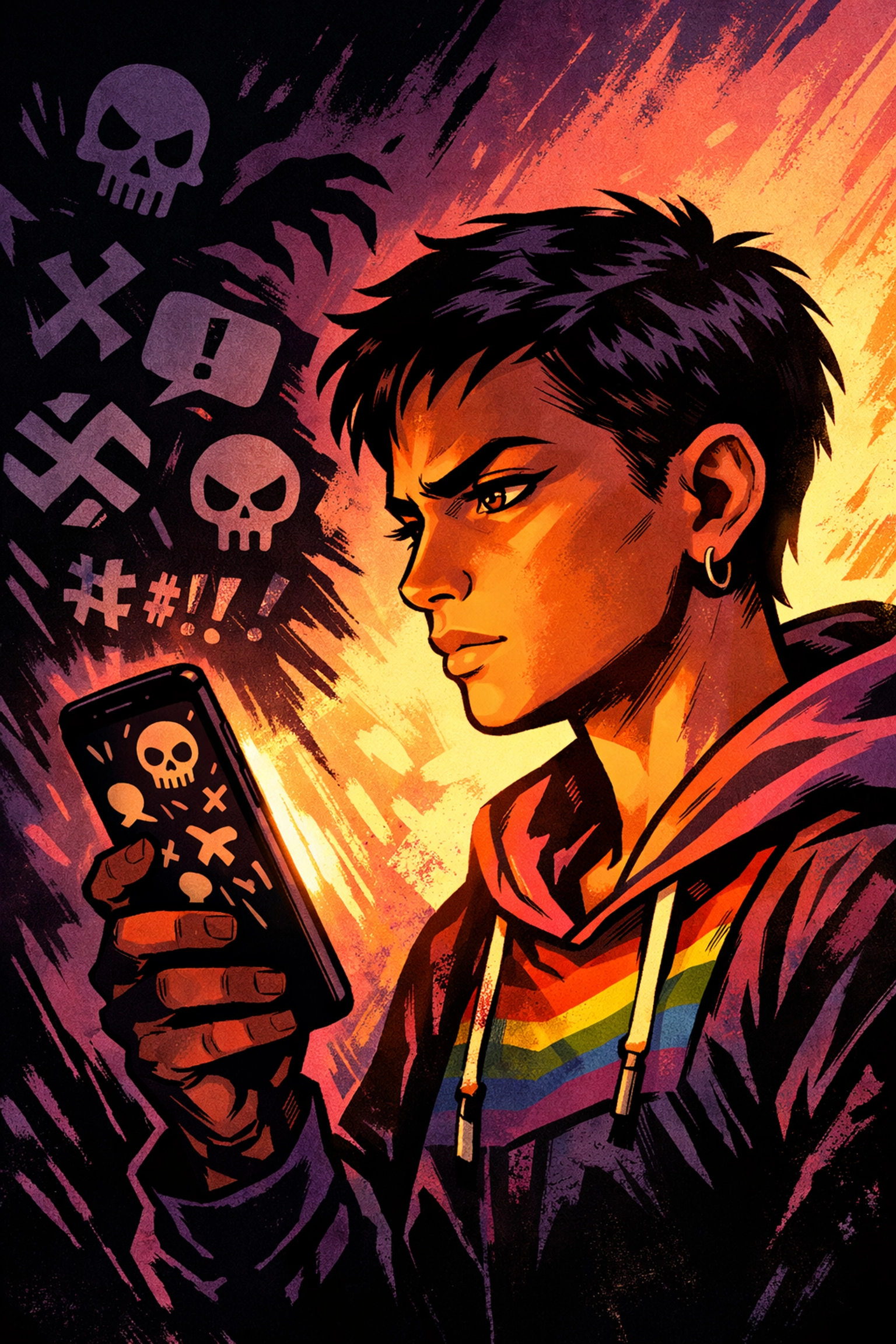
Bilal's lawyer reported that he received "thousands" of hateful messages. We're not talking about mild criticism or disagreement: this was full-blown incitement to hate and violence. The harassment was so severe that Bilal filed a formal complaint with French authorities, alleging "insults, incitation to hate and violence, and homophobic threats."
Think about that for a moment. A teenager, doing what he loved, expressing himself authentically, and facing death threats for it. This is the reality many queer artists still face in 2026, and it's exactly why visibility matters so much.
The King of His Kingdom
But here's the thing about Bilal Hassani: he didn't back down. His Eurovision song wasn't just called "Roi" (French for "King") by accident. It was a declaration, a manifesto, a middle finger to everyone who told him he should be less.
The lyrics were direct and powerful: "I am me and I know I will always be / I am free yes I make up my life." No ambiguity, no apologies. Just pure, unfiltered self-acceptance set to an infectious pop melody that had the whole Eurovision crowd on their feet.
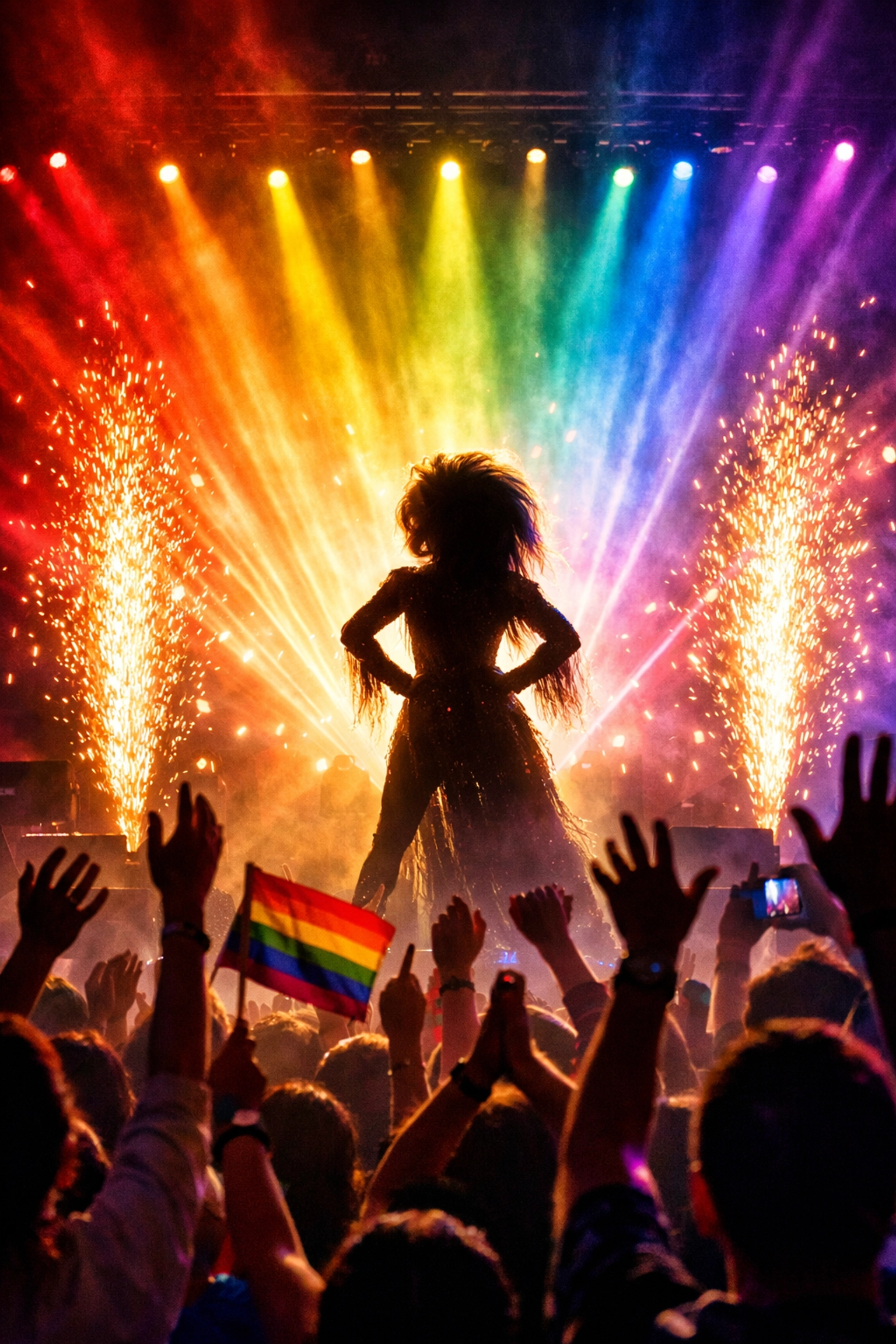
While Bilal acknowledged the very real dangers he faced: "for my safety I cannot really go all full-on extravagant in the street…because I don't want to put myself in danger": he refused to compromise his artistic vision or his identity. That's resilience. That's courage. That's what it means to Read with pride.
More Than Just a Contestant
Bilal's impact extended far beyond his Eurovision placement (he finished 16th, but honestly, the scoreboard doesn't tell the whole story). He became a symbol for young queer people, particularly those from Muslim or immigrant backgrounds, who rarely see themselves represented in mainstream media.
His visibility as an openly gay artist from a Moroccan family, combined with his message of self-love cultivated through his YouTube platform, made him a prominent queer icon. He showed that you don't have to choose between your cultural identity and your queer identity: you can embrace both, wigs and all.
For many in the LGBTQ+ community, especially those navigating intersecting identities, Bilal's journey offered something invaluable: permission to exist fully and visibly. He proved that authentic gay representation doesn't mean fitting into neat boxes or conforming to anyone's expectations.
The Legacy of a Wig
Looking back at Bilal's Eurovision journey now, it's clear that his impact transcends the competition itself. He sparked important conversations about homophobia, racism, and the intersection of the two. He challenged Eurovision fans: and the broader public: to examine their own prejudices.
His wigs, once the subject of mockery and hate, became symbols of empowerment for countless queer youth. They represented the right to take up space, to be seen, to be fabulous without asking permission. In a world that often demands conformity, Bilal's wigs were revolutionary acts.
The hate he faced also highlighted the ongoing challenges queer artists encounter, even in supposedly progressive spaces. Eurovision has long been a haven for the LGBTQ+ community, but Bilal's experience showed that acceptance isn't universal: and that visibility comes with risks as much as rewards.
Finding Your Crown
Bilal Hassani's story is ultimately one of resilience in the face of hatred. It's about a young artist who refused to dim his light, even when thousands of voices told him he was too much, too loud, too different. It's about finding power in authenticity and strength in self-expression.
For those of us at Readwithpride.com, stories like Bilal's remind us why representation matters. Whether it's in MM romance books, gay fiction, or on the Eurovision stage, seeing yourself reflected in art and media isn't just nice: it's essential. It tells you that you belong, that your story matters, that you too can be the king of your kingdom.
So here's to Bilal, to his wigs, and to every queer person who's ever been told they're too much. You're not too much. You're exactly enough. And like Bilal showed us in Tel Aviv, sometimes the most rebellious thing you can do is simply be yourself: crown and all.
Want more inspiring LGBTQ+ stories and queer fiction that celebrates authenticity? Follow us on Instagram, Facebook, and X/Twitter for daily doses of pride.
#BilalHassani #Eurovision2019 #QueerIcon #ReadWithPride #LGBTQRepresentation #MMRomance #GayRomanceBooks #QueerFiction #LGBTQBooks #GayLiterature #Pride2026 #EurovisionHistory #QueerHistory #AuthenticLiving #SelfExpression
Discover more empowering LGBTQ+ fiction and gay romance novels at www.readwithpride.com

Leave a Reply
You must be logged in to post a comment.