

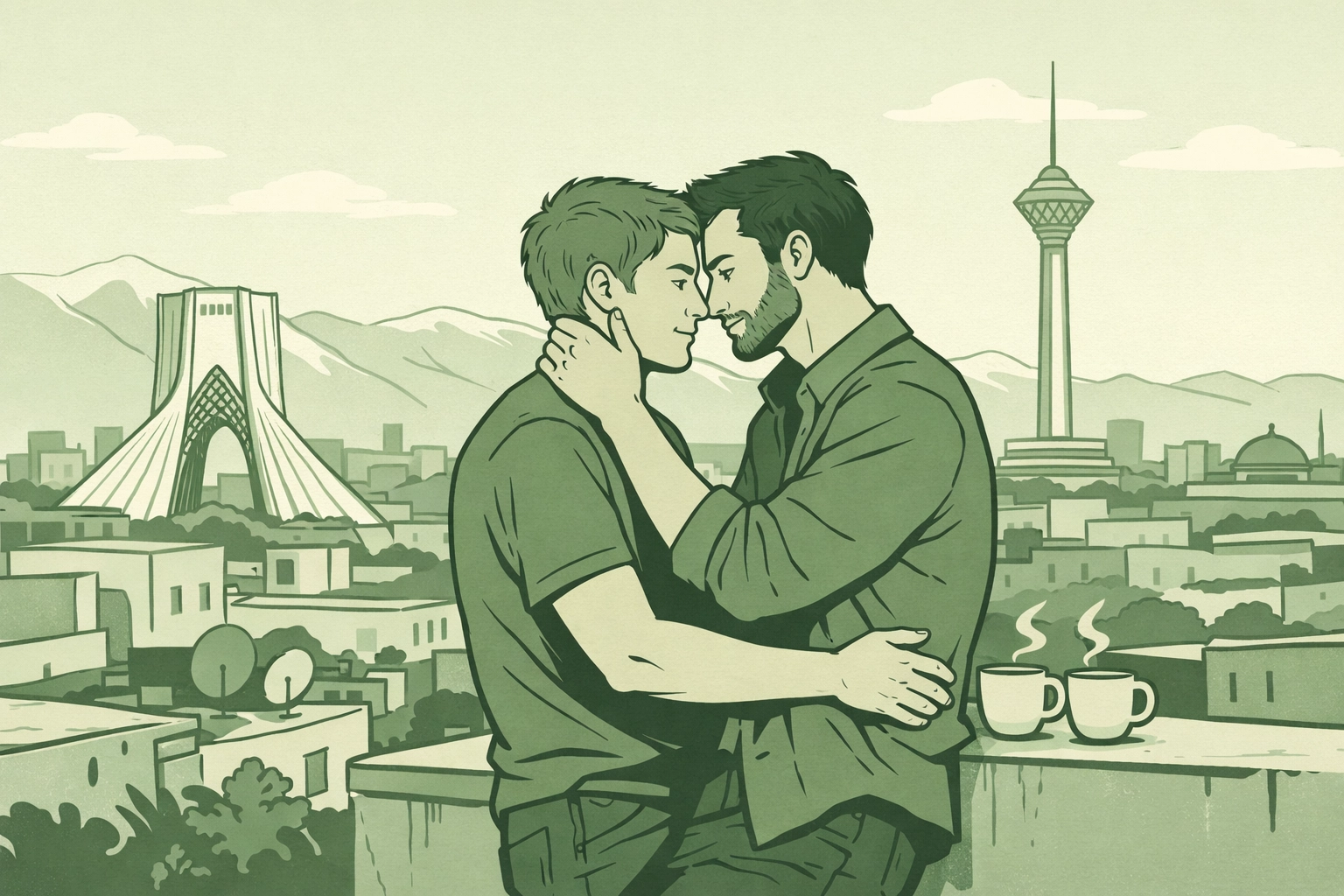
When Identity Becomes a Crime
Over 71 million LGBTQ+ people worldwide live in nations where their identity is illegal. Iran stands among the world's most dangerous countries for gay men, lesbians, and transgender individuals. Same-sex relationships can result in execution. This reality forces thousands to make an impossible choice: hide forever or escape.
The Weight of Silence in Tehran
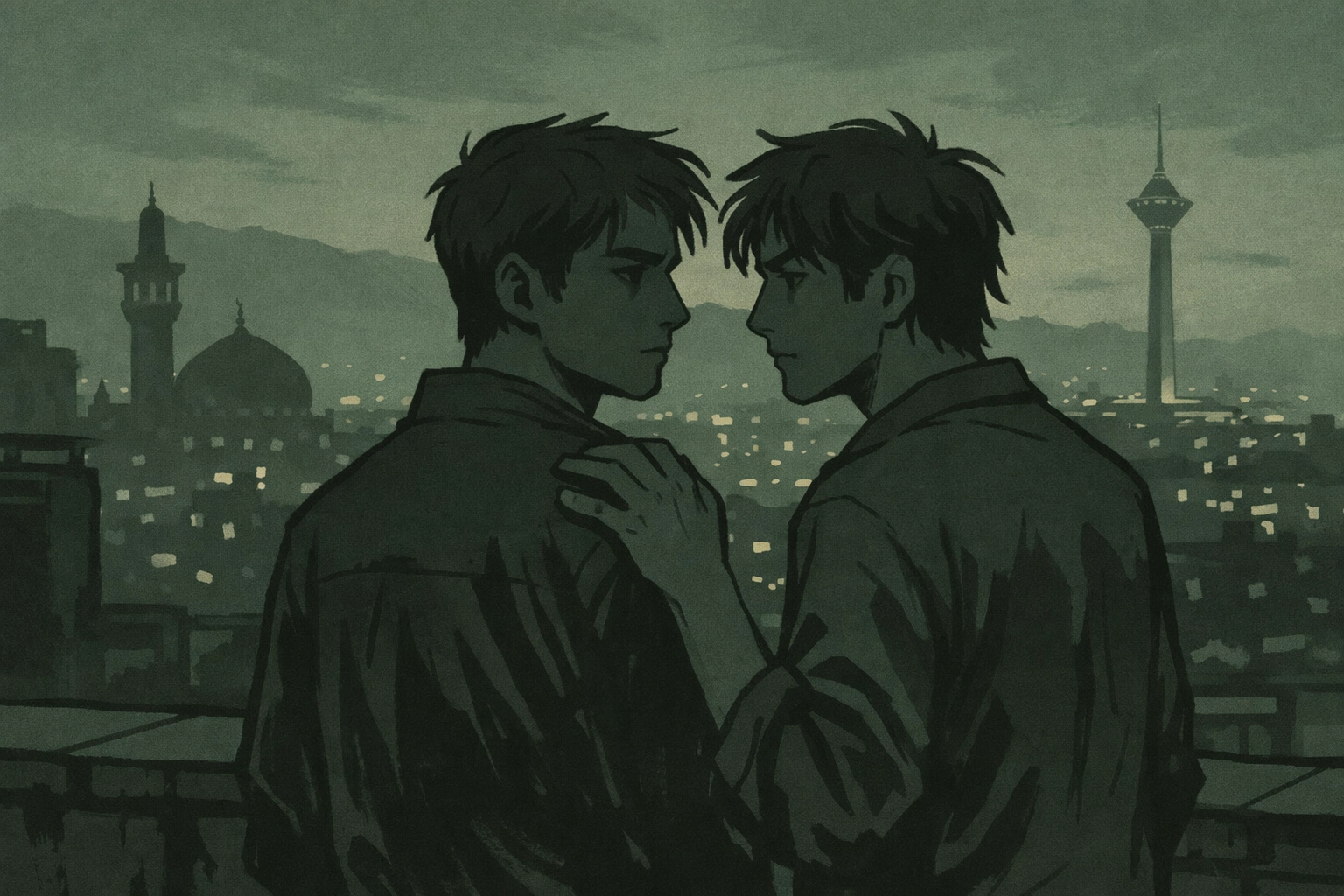
Living as an LGBTQ+ person in Iran means existing in constant fear. Every glance holds potential danger. Every friendship requires calculation. The Revolutionary Guard monitors social media. Informants operate within communities. One wrong word to the wrong person ends in arrest.
Gay men in Tehran develop survival instincts. They learn coded language. They memorize safe routes home. They delete messages immediately. They never speak freely, even to family. This psychological burden creates profound isolation. You live surrounded by millions yet utterly alone.
Iranian law prescribes death for homosexual acts between men. Lesbian relationships receive lashes. Transgender individuals face forced conversion therapy or execution. These aren't theoretical threats. Iran executes LGBTQ+ individuals regularly, though exact numbers remain hidden within broader criminal statistics.
Planning the Impossible
Escaping Iran requires meticulous preparation. Sweden offers asylum to LGBTQ+ refugees, but reaching safety spans thousands of dangerous kilometers. Turkish borders present the first challenge. Smugglers charge thousands of dollars. Many are criminals who abandon clients mid-journey or worse.
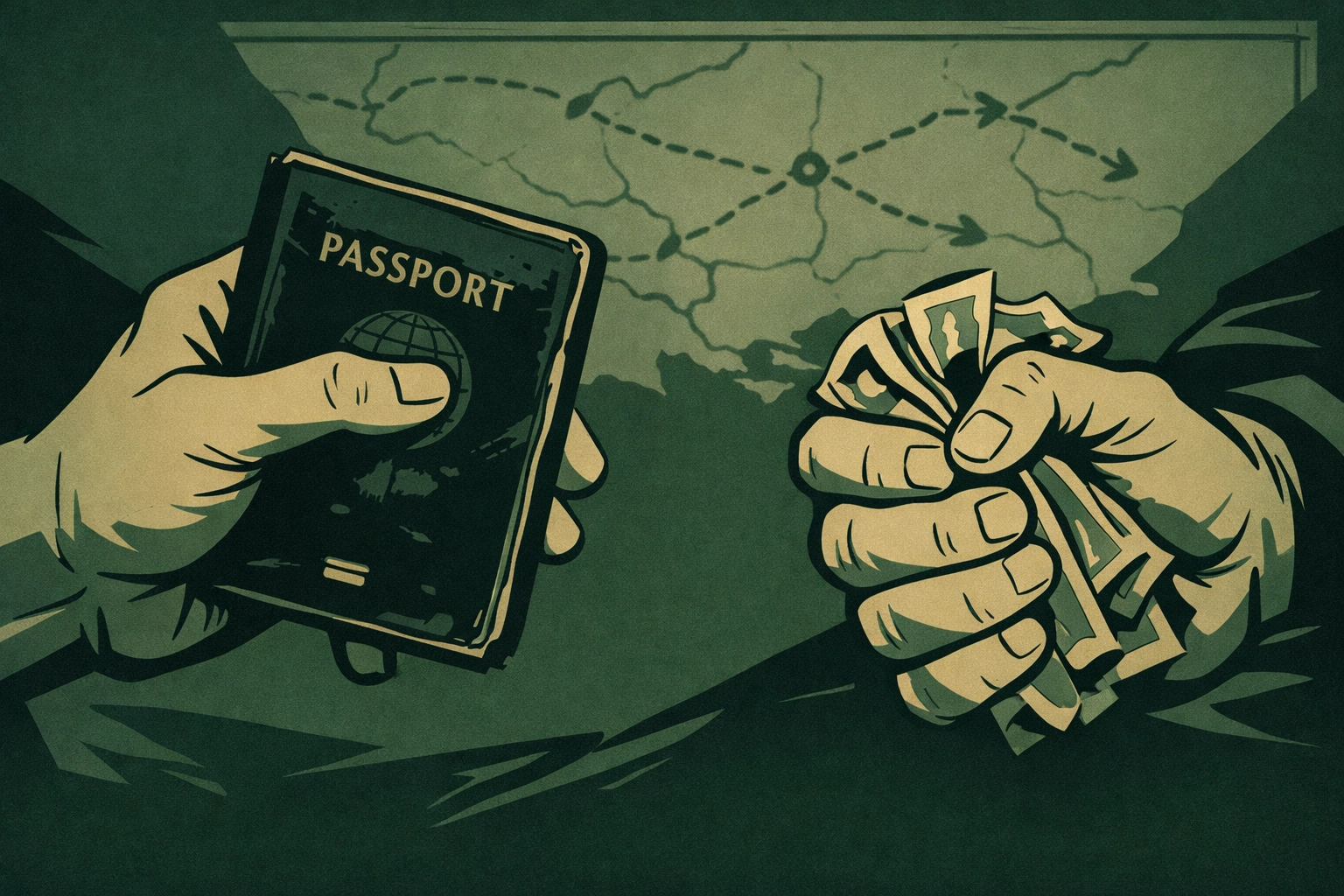
Financial preparation takes years. Gay Iranians save secretly, converting rials to dollars or euros slowly to avoid detection. Banking systems flag large withdrawals. Family members ask questions. Every transaction risks exposure.
Documentation presents another obstacle. Passport applications trigger scrutiny. Exit permits require explanations. Suspicious travel patterns alert authorities. Many flee without proper papers, knowing border crossings become exponentially more dangerous but staying guarantees eventual discovery.
The Internal War
The decision to flee tears individuals apart. Leaving means abandoning family forever. Iranian authorities punish families of escapees. Parents face interrogation. Siblings lose job opportunities. The guilt weighs heavily.
Many LGBTQ+ Iranians spend years attempting to change themselves. Religious conversion therapy claims to "cure" homosexuality. Some marry opposite-sex partners, living tortured double lives. Others retreat into complete isolation, hoping invisibility provides safety.
The moment someone decides to escape marks both liberation and devastation. Accepting you cannot change your identity brings relief. Accepting you must leave everyone you love brings grief. This internal struggle never fully resolves, even after reaching safety.
Crossing Borders, Crossing Worlds
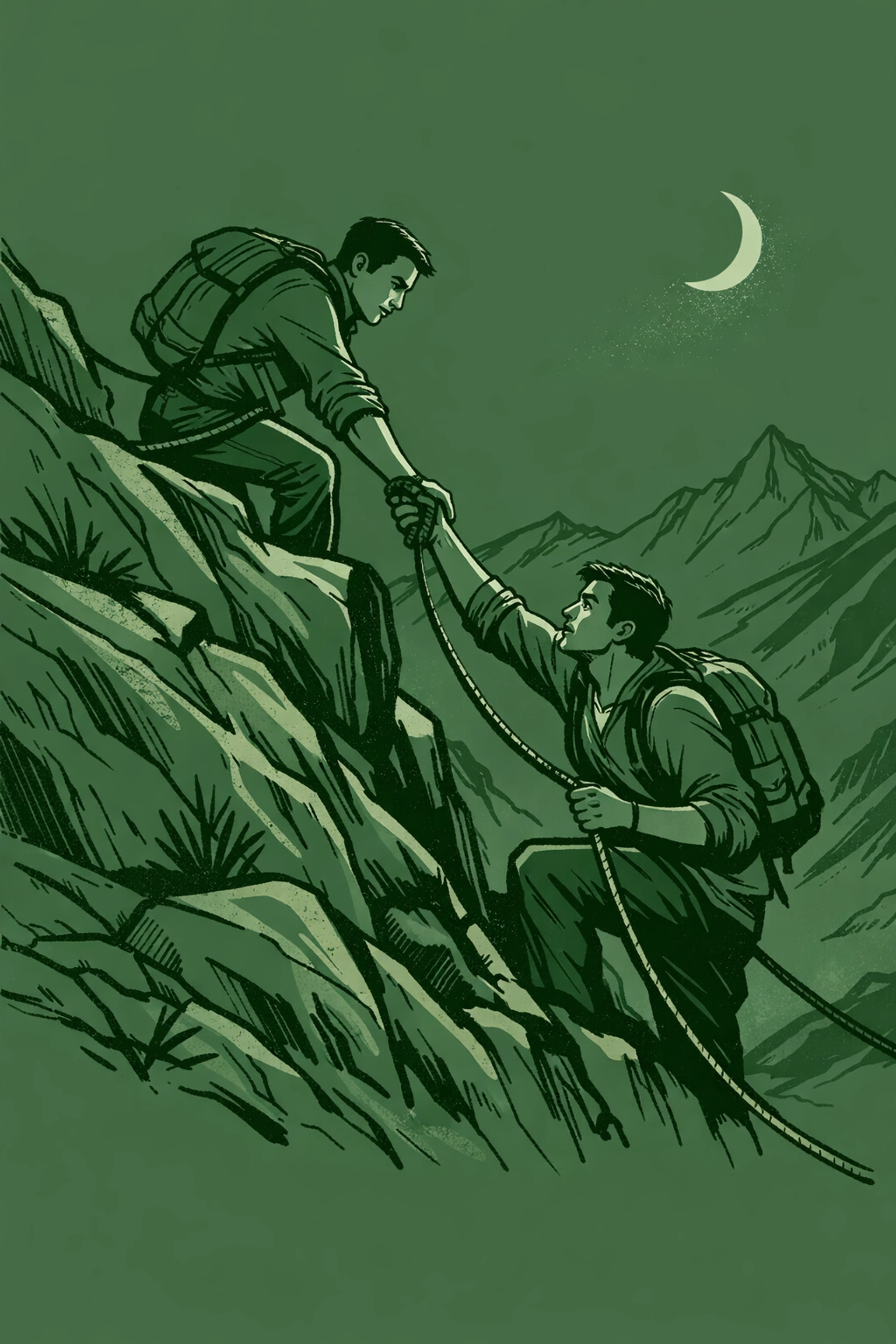
The physical journey from Tehran to Sweden typically routes through Turkey. Smugglers operate networks along the Iran-Turkey border. Border guards patrol constantly. Mountains offer treacherous terrain. Winter conditions kill unprepared travelers.
Those who reach Turkey face new challenges. Istanbul hosts thousands of LGBTQ+ refugees waiting for asylum processing. Living conditions are precarious. Work is illegal for asylum seekers. Money depletes rapidly. Turkish authorities conduct raids, detaining undocumented migrants.
Some wait months in Turkey. Others wait years. During this limbo, depression and trauma intensify. Suicide rates among LGBTQ+ refugees spike during this waiting period. Support networks operate underground, offering temporary housing and emotional support, but resources remain desperately limited.
The Swedish Hope
Sweden accepts approximately 80% of LGBTQ+ asylum applications from countries like Iran. This acceptance rate offers genuine hope. Swedish migration authorities recognize sexual orientation and gender identity as grounds for asylum. They understand the persecution is real.
The application process requires evidence. Applicants must prove their LGBTQ+ identity. They must demonstrate credible fear of persecution. They must show they cannot relocate safely within Iran. This burden of proof traumatizes already-traumatized individuals who've spent lifetimes hiding their identity.
Interviews probe intimate details. Officials ask explicit questions about sexual experiences, relationships, and community involvement. These interrogations intend to verify authenticity but often feel like violations. Many applicants struggle to suddenly articulate identities they've suppressed for decades.
Life After Escape
Reaching Sweden doesn't end the struggle. Asylum seekers live in refugee centers during processing. Swedish winters shock those from warmer climates. Language barriers isolate. Cultural differences compound loneliness. Depression remains epidemic among LGBTQ+ refugees.
Those granted asylum face integration challenges. Swedish requires years to master. Professional credentials from Iran rarely transfer. Doctors become cleaners. Engineers become delivery drivers. The psychological impact of this professional loss adds to existing trauma.
Yet safety itself proves transformative. Walking streets openly. Attending Pride events. Dating without fear. These simple freedoms represent miracles to those who escaped Iran. Many describe feeling reborn, discovering authentic selves for the first time.
The Ongoing Crisis
This isn't historical oppression. This happens now, today, in February 2026. Over 60 countries still criminalize same-sex relationships. Iran, Saudi Arabia, Yemen, Nigeria, and others enforce death penalties. Millions remain trapped.
LGBTQ+ organizations document increasing persecution. Social media makes detection easier. Governments grow more sophisticated in monitoring. The number seeking asylum rises annually. Host countries struggle to accommodate increasing applications.
Stories like these matter. Visibility creates pressure. International awareness forces diplomatic conversations. Economic sanctions can leverage change. Every shared story potentially saves lives.
Read With Pride
Understanding these struggles enriches our appreciation for LGBTQ+ literature. Gay romance books, MM novels, and queer fiction often explore themes of persecution, escape, and found family. These aren't just entertaining stories: they reflect real experiences of survival and resilience.
Explore authentic LGBTQ+ voices through quality gay fiction and MM romance books at Read With Pride. Discover heartfelt gay novels that honor these journeys at dickfergusonwriter.com.
Every book purchased supports LGBTQ+ storytelling. Every story shared amplifies voices that authoritarian regimes attempt to silence.
Follow us on social media:
Instagram: @dickfergusonwriter
X/Twitter: @DickFergus94902
Facebook: Dick Ferguson Writer
Visit www.readwithpride.com for more LGBTQ+ books and stories.
#ReadWithPride #LGBTQRefugees #IranLGBTQ #MMRomance #GayFiction #QueerStories #LGBTQBooks #GayRomanceBooks #ReadingWithPride #LGBTQLiterature #GayNovels #QueerFiction #MMNovels #LGBTQRights #RefugeeStories #HumanRights #PrideMonth #LGBTQCommunity #GayBooks #QueerReads

Leave a Reply
You must be logged in to post a comment.