

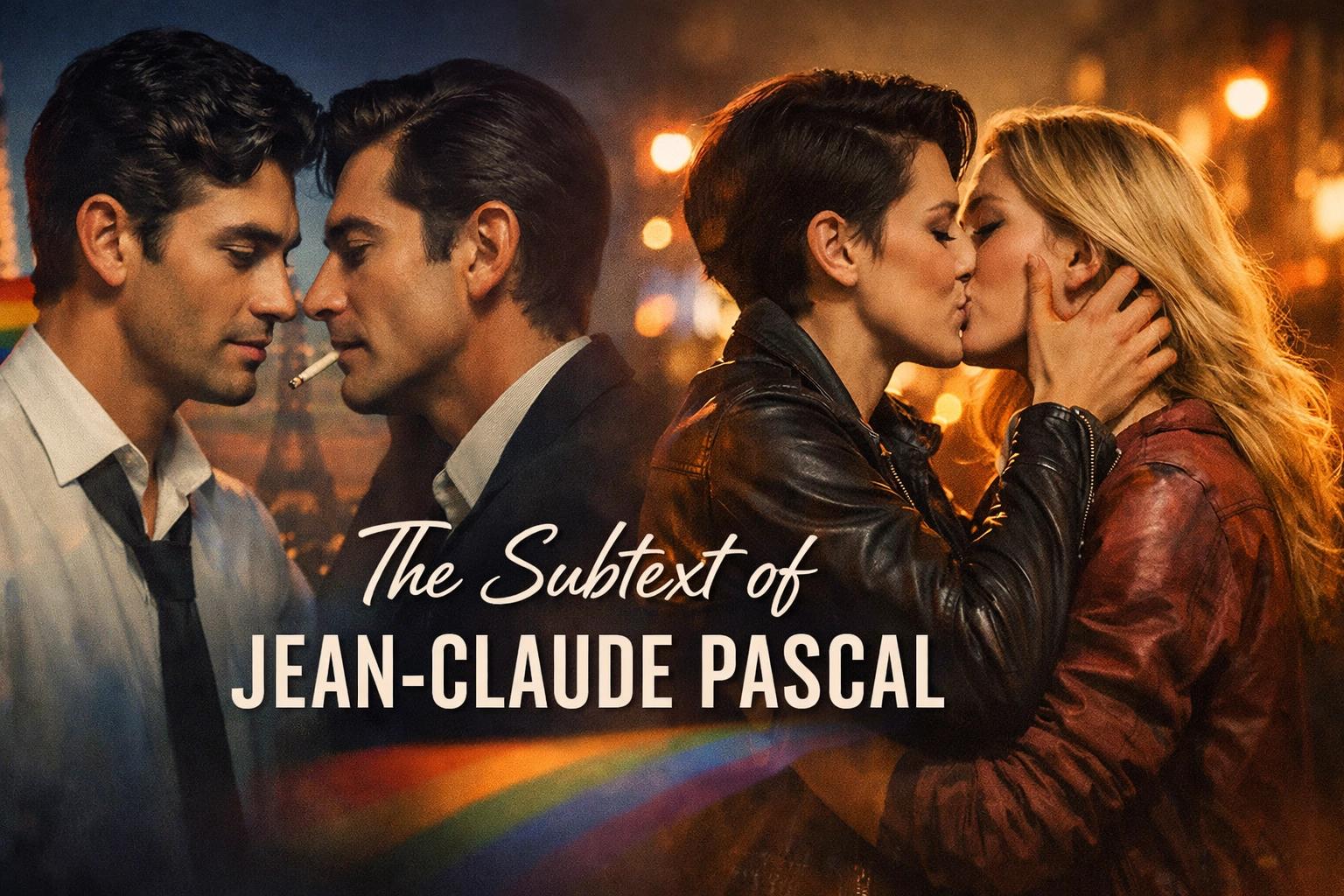
Eurovision has always been more than just a song contest. It's been a stage for spectacular performances, unforgettable melodies, and: if you know where to look: coded messages of love, identity, and resistance. Long before Dana International brought trans visibility to Rotterdam in 1998, and decades before Conchita Wurst's triumphant beard-and-gown moment, queer performers were already standing in those spotlights. They just had to be a whole lot more subtle about it.
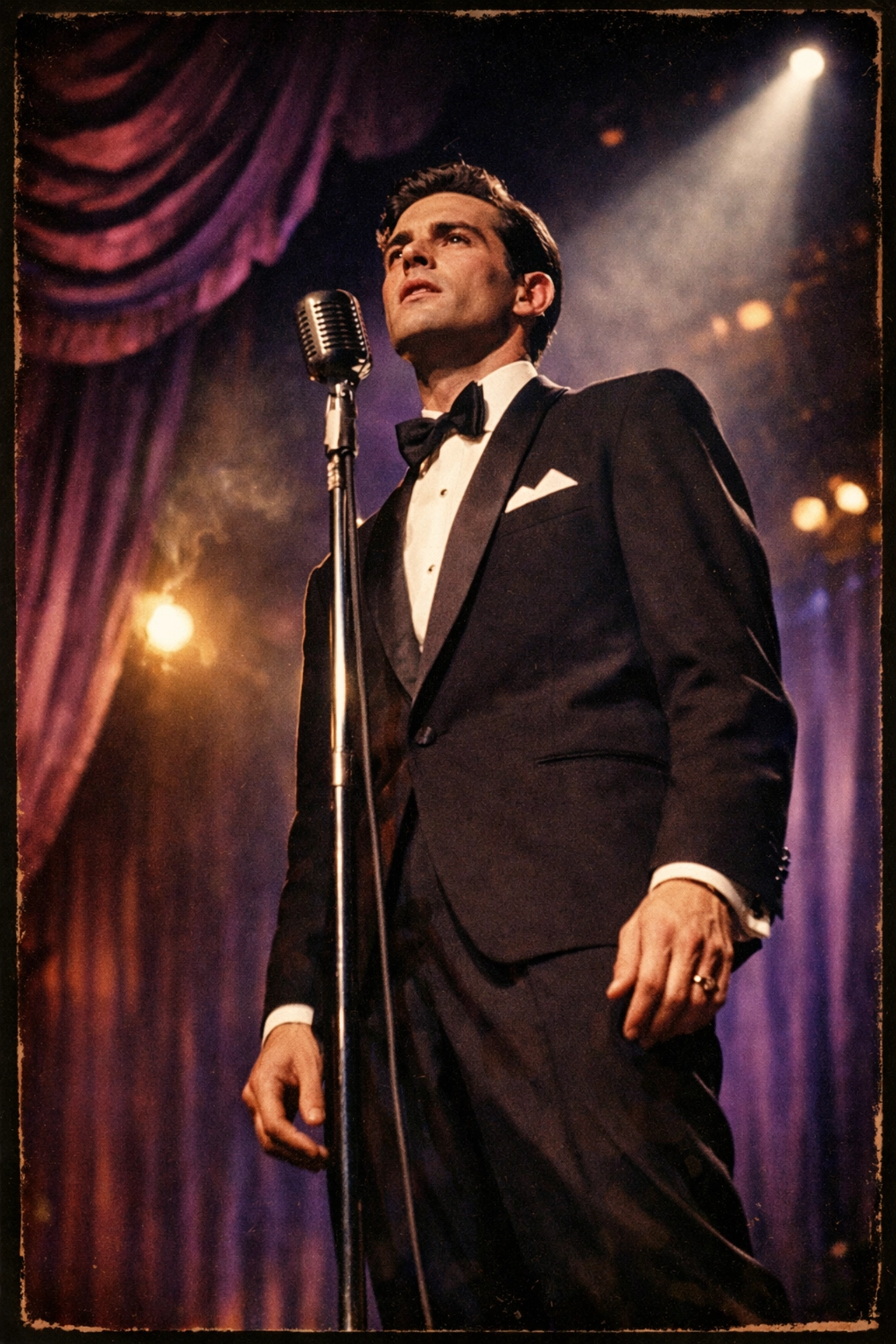
Let's rewind to 1961, when Luxembourg's Jean-Claude Pascal took the stage and won the entire competition with "Nous les amoureux" (We Who Are in Love). On the surface, it was a gorgeous ballad about lovers facing opposition from society. Dig a little deeper, though, and you'll find layers of meaning that resonate profoundly with anyone who's ever had to hide who they really are.
The Song That Said Everything While Saying Nothing
"Nous les amoureux" is a masterclass in what we now call "queer coding": the art of embedding LGBTQ+ themes in plain sight while maintaining plausible deniability. The lyrics speak of lovers who face judgment, misunderstanding, and social disapproval simply for existing together. Sound familiar?
Pascal delivered lines like "We who are in love, despite everything they say" with an emotional depth that went beyond typical romantic crooning. For queer listeners in 1961: a time when homosexuality was criminalized across much of Europe: these weren't just pretty words about star-crossed lovers. They were a lifeline. A acknowledgment that someone, somewhere, understood what it meant to love against the grain of society's expectations.
The genius of the song lies in its universal language. Straight audiences could interpret it as any romantic relationship facing family disapproval or class differences. But for LGBTQ+ people living in the shadows? It was an anthem hiding in plain sight, carried across borders by the magic of international television.
Eurovision in the Mad Men Era
To appreciate the subtext fully, you need to understand the world of 1961. This was the era of sharply pressed suits, perfectly coiffed hair, and absolutely zero acknowledgment of queer existence in mainstream media. Gay men and lesbians had to master the art of reading between the lines, recognizing each other through subtle signals, and finding meaning in art that spoke to their experiences without explicitly naming them.
Eurovision, in its early years, was a thoroughly buttoned-up affair. No pyrotechnics, no outrageous costumes, no political statements (officially, anyway). Just elegant performers in evening wear, backed by full orchestras, delivering songs that were supposed to unite post-war Europe through the universal language of music.
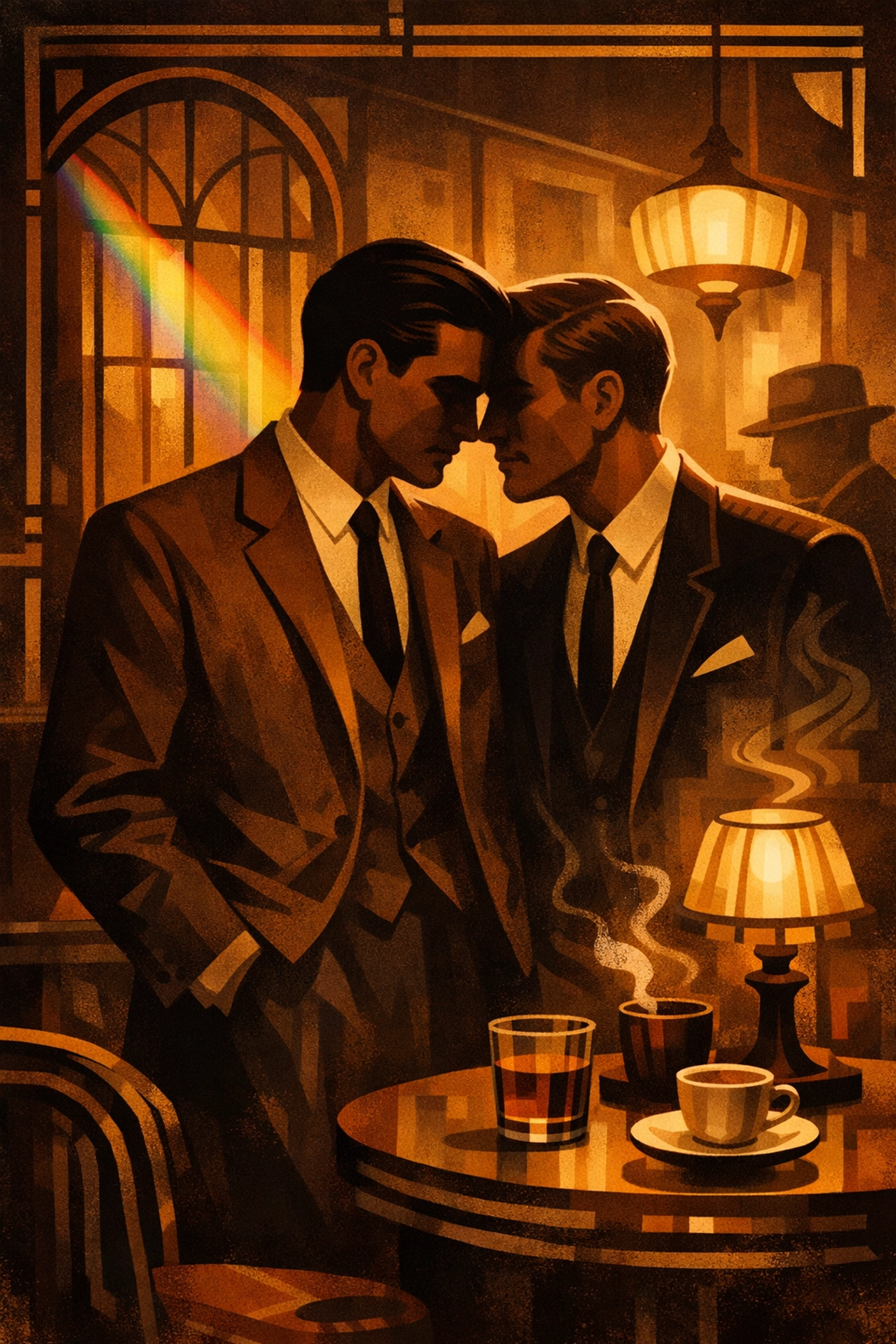
But here's the thing about LGBTQ+ people: we've always been excellent at creating community and finding ourselves in unexpected places. The very structure of Eurovision, with its celebration of diversity, artistic expression, and breaking down national barriers, naturally attracted queer performers and audiences. Even when we couldn't be openly ourselves.
The Double Life of Mid-Century Performers
Jean-Claude Pascal himself embodied the contradictions of his era. Born Jean-Claude Villeminot, he was a decorated war hero who transitioned into a career as an actor and singer. His public persona was sophisticated, charming, and impeccably masculine by 1960s standards. Like many performers of his generation, the details of his private life remained carefully guarded.
This wasn't unique to Pascal. Countless entertainers during the mid-20th century lived double lives: presenting one face to the public while maintaining completely different realities behind closed doors. For queer performers, this wasn't just about privacy; it was about survival. Careers could be destroyed, families torn apart, and lives ruined by even the whisper of scandal.
The tragedy is that we'll never fully know the stories of many performers from this era. Some took their secrets to the grave. Others came out only much later in life, after retirement from the spotlight. And some existed in a gray area of carefully managed public perception, neither confirming nor denying, maintaining what we'd now call "glass closet" status.
Why Looking Back Matters for MM Romance Readers
If you're a fan of gay romance books and MM romance novels, you already understand the power of seeing yourself reflected in stories. Historical gay fiction and gay historical romance often explore these exact themes: the coded language, the stolen glances, the love that had to exist in whispers and shadows.
Reading about figures like Pascal and examining the subtext of their work connects us to a broader queer history. It reminds us that LGBTQ+ people have always existed, always created art, always found ways to express love and identity even under the most restrictive circumstances. The gay love stories we read today, with their happy endings and open affection, stand on the shoulders of generations who couldn't be so explicit.
When you're exploring LGBTQ+ fiction or diving into a particularly angsty MM contemporary romance where characters struggle with coming out, you're engaging with themes that have deep historical roots. The forced proximity, the forbidden love, the fear of discovery: these aren't just tropes. They're echoes of real experiences lived by real people on real stages.
Eurovision's Queer Evolution
Fast forward from 1961 to today, and Eurovision has become explicitly, fabulously queer. It's a contest where gender-bending performances are celebrated, where queer artists can be openly themselves, where voting sometimes feels more like a roll call of countries with better LGBTQ+ rights.
But this transformation didn't happen in a vacuum. It built on decades of subtle queer presence: the performers who couldn't say it outright but sang it anyway, the audiences who read between the lines, the slow accumulation of visibility that eventually made explicit queerness possible.
Songs like "Nous les amoureux" were stepping stones. They created space in mainstream culture for expressions of non-conforming love, even if that love had to wear disguises. They proved that LGBTQ+ themes could resonate with huge audiences, could win competitions, could be beautiful and moving and universal.
The Art of Reading Subtext
One of the skills you develop as a queer person: or as a devoted reader of queer fiction: is learning to read subtext. You get good at spotting the coded messages, the meaningful glances, the "roommates" who lived together for forty years, the "best friends" who just happened to share everything.
This skill isn't just useful for excavating queer history. It's also what makes reading MM romance so satisfying. We appreciate the layered storytelling, the internal conflicts, the moments when characters can't quite say what they mean but somehow convey it anyway. We understand that communication isn't always explicit, that love often speaks in the spaces between words.
When we look back at Jean-Claude Pascal's performance, we're practicing that same skill. We're reading what wasn't said, appreciating what couldn't be openly expressed, and honoring the courage it took to stand on that stage and sing about defiant love in a world that wasn't ready to hear it.
Finding Our Stories Everywhere
The beauty of exploring gay culture in Eurovision: from 1961 to today: is discovering that our stories have always been there. In the subtext, in the margins, in the carefully chosen words and meaningful performances. Whether you're into gay psychological thrillers, gay fantasy romance, or steamy MM contemporary novels, you're part of a tradition of seeking out and celebrating LGBTQ+ narratives wherever they exist.
Jean-Claude Pascal probably never imagined that decades later, queer readers and historians would be analyzing his Eurovision victory through this lens. But that's the thing about art: it outlives its creators, accumulating new meanings and resonating with audiences its makers never anticipated.
So here's to Pascal, to "Nous les amoureux," and to all the LGBTQ+ performers who had to code their truth into their art. Your subtext is our text now, and we're reading it loud and proud.
Discover more LGBTQ+ stories and perspectives at Read with Pride, where every story deserves to be told authentically.
Follow us for more queer history and culture: Facebook | Instagram | Twitter/X
#ReadWithPride #EurovisionHistory #QueerHistory #LGBTQCulture #MMRomance #GayRomanceBooks #QueerFiction #LGBTQFiction #GayHistoricalRomance #1960sQueerHistory #JeanClaudePascal #HiddenHistory #QueerCoding #GayLoveStories #MMRomanceBooks #LGBTQReading #GayBooks #QueerRepresentation #EurovisionLegacy

Leave a Reply
You must be logged in to post a comment.