

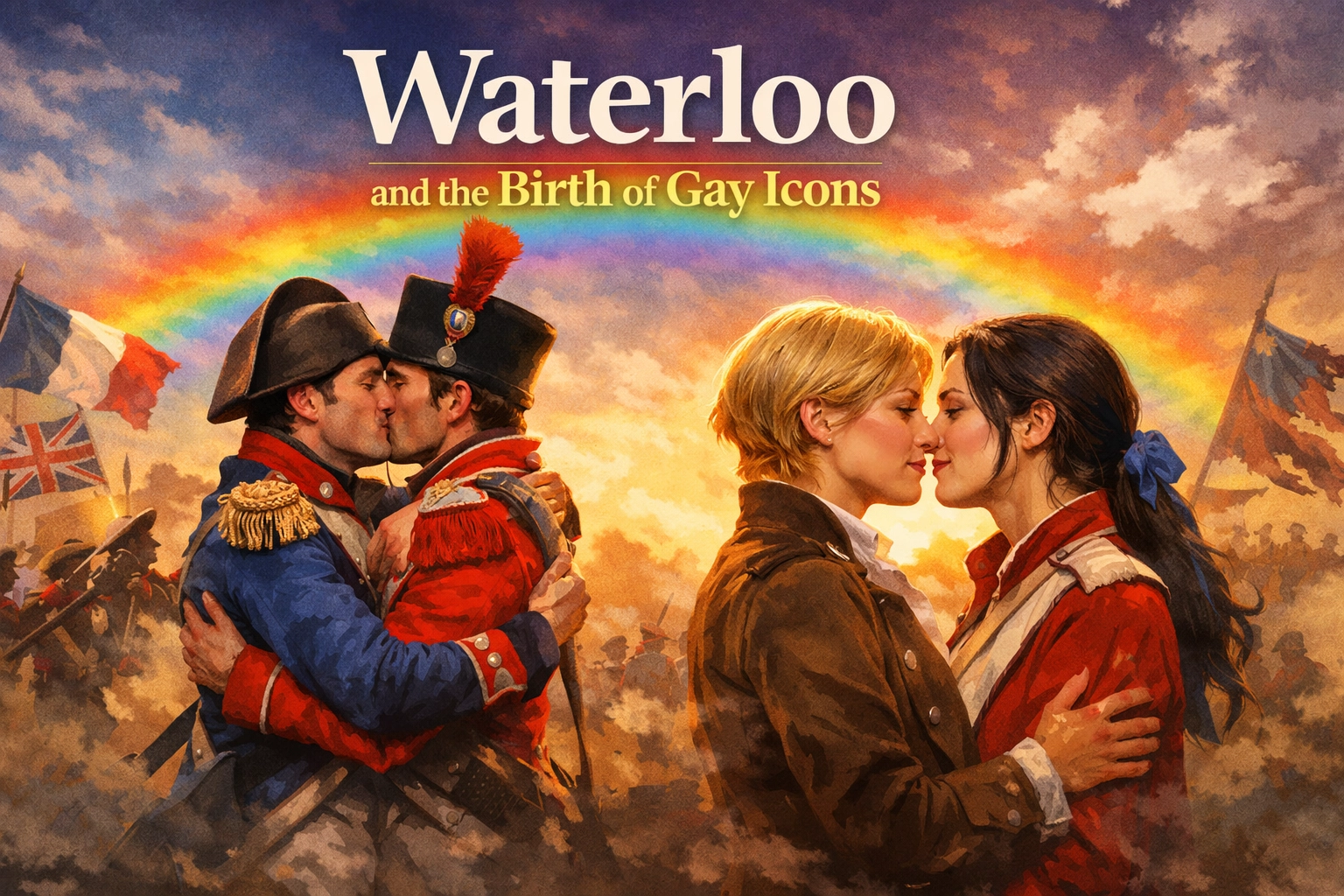
April 6, 1974. Brighton Dome. Four Swedish performers in platform boots, satin, and sequins took the Eurovision stage and changed everything. ABBA's "Waterloo" didn't just win the contest, it crystallized Eurovision as the glittering, fabulous, utterly camp institution that would become a cornerstone of gay culture for generations to come.
Sure, Eurovision existed before ABBA. But "Waterloo" was the moment when the contest transformed from a quaint European song competition into something else entirely: a celebration of spectacle, drama, and unapologetic fabulousness that spoke directly to queer audiences around the world.
The Performance That Launched a Thousand Disco Balls
Let's set the scene. Eurovision 1974 was already a big deal, seventeen countries competing, broadcast across Europe. But when ABBA hit that stage, something electric happened. Agnetha and Frida in their blue satin platform boots and silver hot pants. Björn and Benny in their glam rock finest, complete with those iconic Napoleon-inspired jackets.
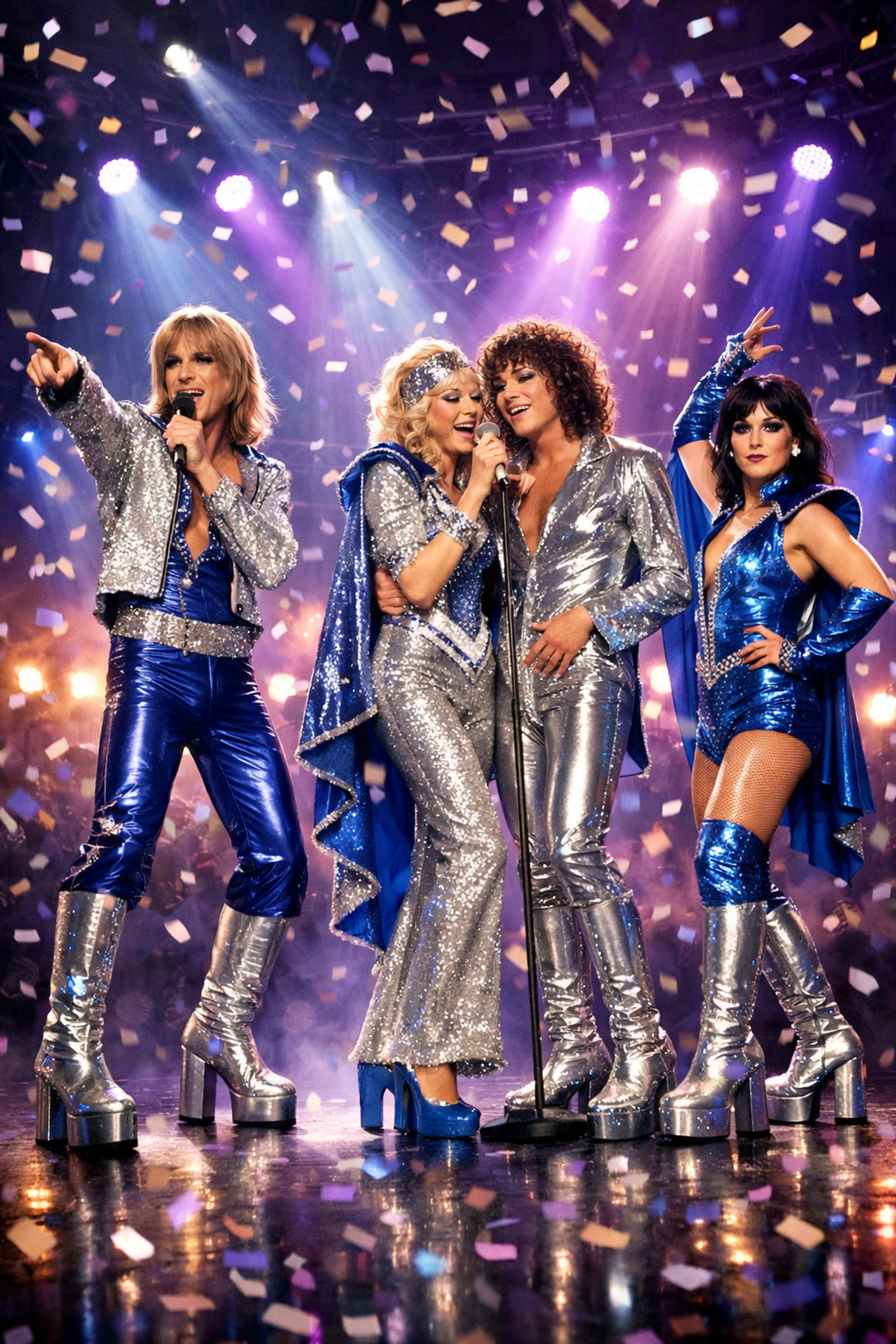
The song itself was pure pop perfection, a three-minute burst of hooks, harmonies, and infectious energy that borrowed heavily from the glam rock aesthetic sweeping through the early '70s. But it was the presentation that mattered. ABBA understood something fundamental: Eurovision wasn't just about the music. It was about the show, the fantasy, the transformation.
They won with 24 points, beating out Italy's Gigliola Cinquetti. But the real victory was cultural. "Waterloo" shot to number one in multiple countries, becoming one of the best-selling singles of 1974. More importantly, it established a template: if you wanted to win Eurovision, you needed more than a good song. You needed spectacle.
Camp, Glitter, and Glorious Excess
To understand why "Waterloo" resonated so deeply with gay audiences, you need to understand camp. Susan Sontag wrote about it in 1964, but ABBA embodied it. Camp is the love of the exaggerated, the theatrical, the "too much is never enough" aesthetic. It's winking at seriousness while celebrating artifice.
ABBA's Eurovision performance was camp incarnate. Those costumes alone, designed to shimmer under stage lights, to catch every camera angle, to be noticed, were a masterclass in theatrical excess. They weren't trying to look "natural" or "authentic" in some rock-and-roll sense. They were creating characters, personas, a fantasy world where everyone wore platform boots and sang about military defeats as romantic metaphors.
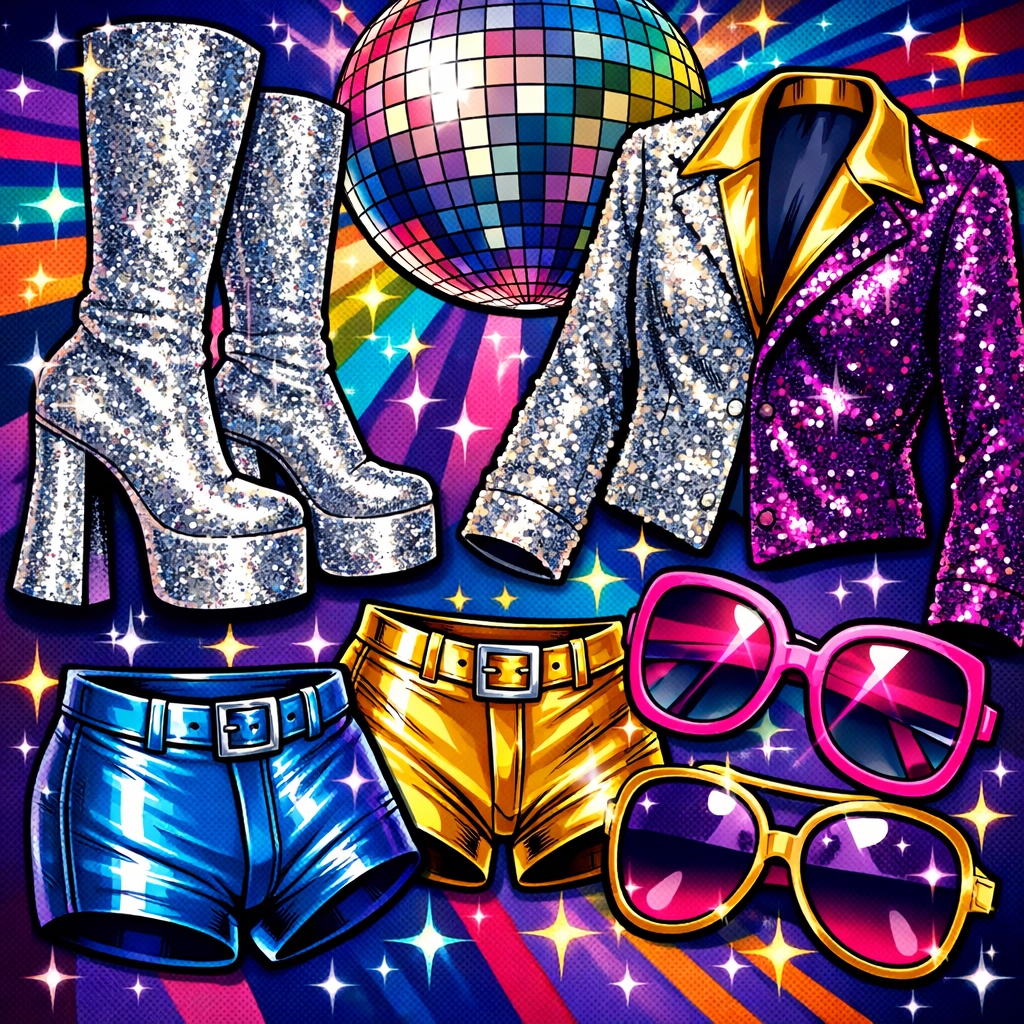
For queer audiences in 1974, a time when being openly gay could cost you your job, your family, your freedom, this kind of theatrical transformation was deeply meaningful. ABBA showed that you could construct an identity, perform it brilliantly, and be celebrated for it. The stage became a space where different rules applied, where excess was encouraged, where being "too much" was exactly right.
The Sound of Freedom
But it wasn't just the visuals. The music itself spoke to something in the LGBTQ+ community's DNA. "Waterloo" had that driving, danceable beat that would later define disco, the genre that became synonymous with gay liberation in the mid-to-late '70s. The song's production was crisp, bright, and euphoric. It made you want to move.
Dancing, of course, has always been central to queer culture. Gay bars and discos weren't just social spaces, they were sanctuaries. Places where you could be yourself, touch someone you loved, express joy without judgment. ABBA's music became the soundtrack to that liberation. "Waterloo" was followed by "Dancing Queen," "Gimme! Gimme! Gimme!," and countless other tracks that filled dance floors from San Francisco to Sydney.
The melodies were infectious, yes, but there was also something about ABBA's emotional openness. Their songs tackled heartbreak, longing, joy, and resilience: themes that resonated deeply with queer experiences. They sang about surrender and desire without shame. They made vulnerability sound powerful.
Eurovision's Queer Evolution
ABBA's victory didn't just change pop music: it fundamentally altered Eurovision's relationship with the LGBTQ+ community. The contest had always had a certain theatrical quality, but post-"Waterloo," it leaned into camp with increasing confidence. Countries started prioritizing spectacle alongside song quality. Costumes got wilder. Choreography got more elaborate. The whole thing became gloriously, unabashedly gay.
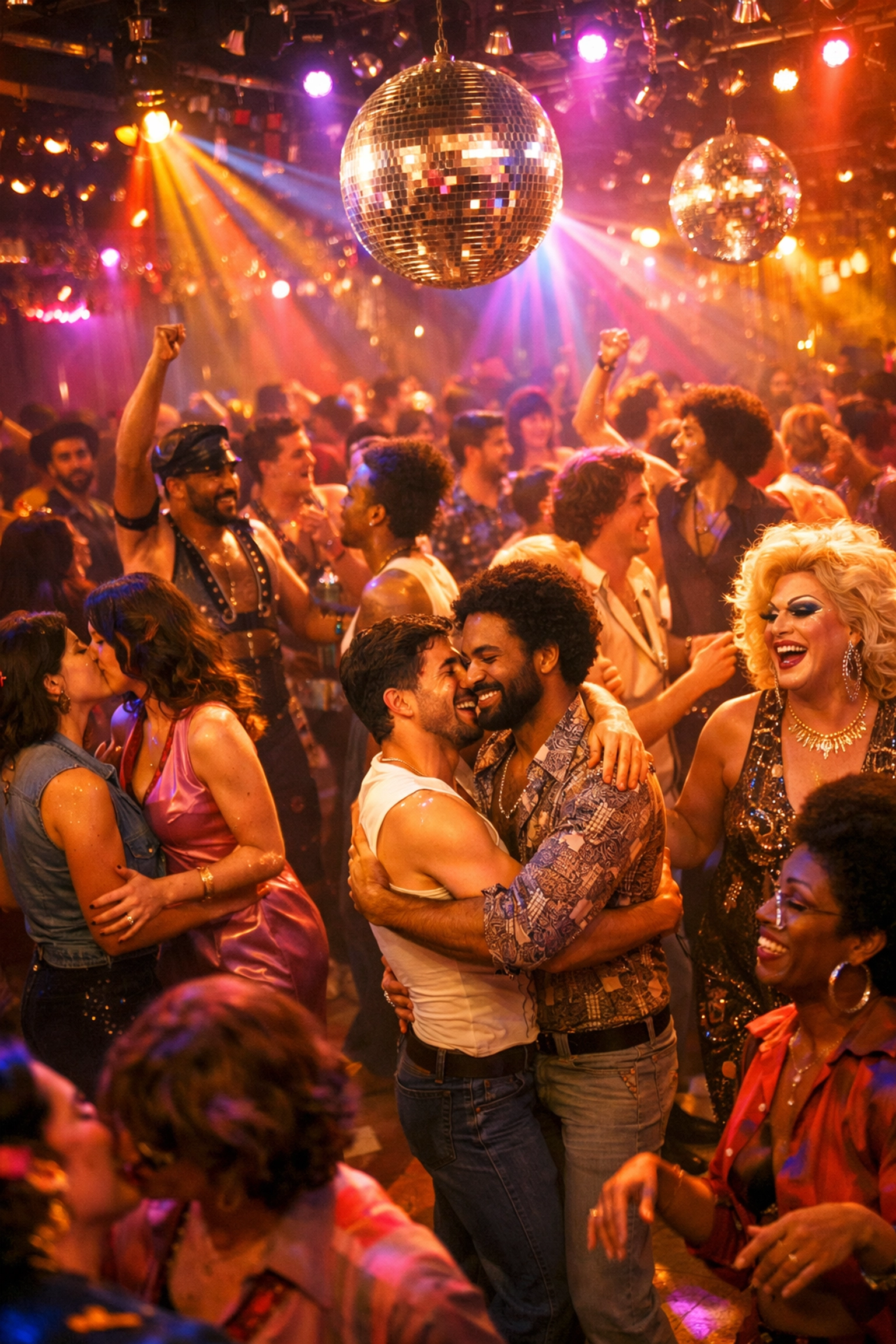
By the 1980s and '90s, Eurovision viewing parties were becoming queer cultural institutions. Friends gathered to watch, to critique the outfits, to marvel at the audacity of it all. The contest became a shared language, a way of signaling belonging. Knowing the Eurovision canon: including ABBA's origin story: was part of queer cultural literacy.
The contest also became a space where LGBTQ+ performers could shine. Dana International's 1998 victory as a trans woman from Israel. Conchita Wurst's triumphant 2014 win with "Rise Like a Phoenix." These moments built on the foundation ABBA established: Eurovision as a place where being different, being theatrical, being yourself was not just accepted but celebrated.
The Legacy Lives On
Today, ABBA's influence on Eurovision: and on gay culture more broadly: is undeniable. The musical "Mamma Mia!" became a cultural phenomenon, with queer audiences making up a significant portion of its fanbase. The 2021 documentary "ABBA: Against the Odds" explored their enduring appeal. And when the hologram-based ABBA Voyage show opened in London in 2022, it was immediately adopted as a must-see event in LGBTQ+ circles.
But more than specific products or performances, ABBA gave permission. Permission to be theatrical. Permission to love pop music without irony. Permission to find joy in glitter and melody and pure, unadulterated fun. In a world that often told queer people to be smaller, quieter, less visible, ABBA said: be MORE.
Eurovision continued this tradition, year after year, becoming an annual celebration of difference and spectacle. And it all traces back to that April night in Brighton when four Swedish performers in platform boots showed the world what was possible.
Reading, Watching, and Celebrating
At Read with Pride, we celebrate the stories and cultural moments that have shaped LGBTQ+ history. From the Eurovision stage to the pages of MM romance books and gay fiction that capture the joy, complexity, and fabulousness of queer life.
Whether you're drawn to gay romance novels that explore love against the odds, LGBTQ+ fiction that celebrates our community's resilience, or historical accounts of the cultural movements that brought us here: we're here to help you discover stories that resonate. Because every great love story, every moment of courage, every celebration of authentic self-expression deserves to be honored.
So here's to ABBA, to "Waterloo," and to every queer kid who watched Eurovision and saw a glimpse of possibility. Here's to the platform boots, the sequins, and the gloriously camp tradition they helped establish. Here's to loving what we love without apology.
After all, if ABBA taught us anything, it's that life is too short for sensible shoes.
Follow us for more LGBTQ+ stories and cultural history: Facebook | Instagram | X/Twitter | readwithpride.com
#ReadWithPride #EurovisionHistory #ABBALegacy #LGBTQCulture #GayCulture #QueerHistory #MMRomance #GayRomanceBooks #LGBTQFiction #EurovisionSongContest #GayIcons #CampCulture #QueerPride #LGBTQReading #GayBooks #MMLiterature #QueerStories #1970sGayHistory #DancingQueen #Waterloo1974

Leave a Reply
You must be logged in to post a comment.