

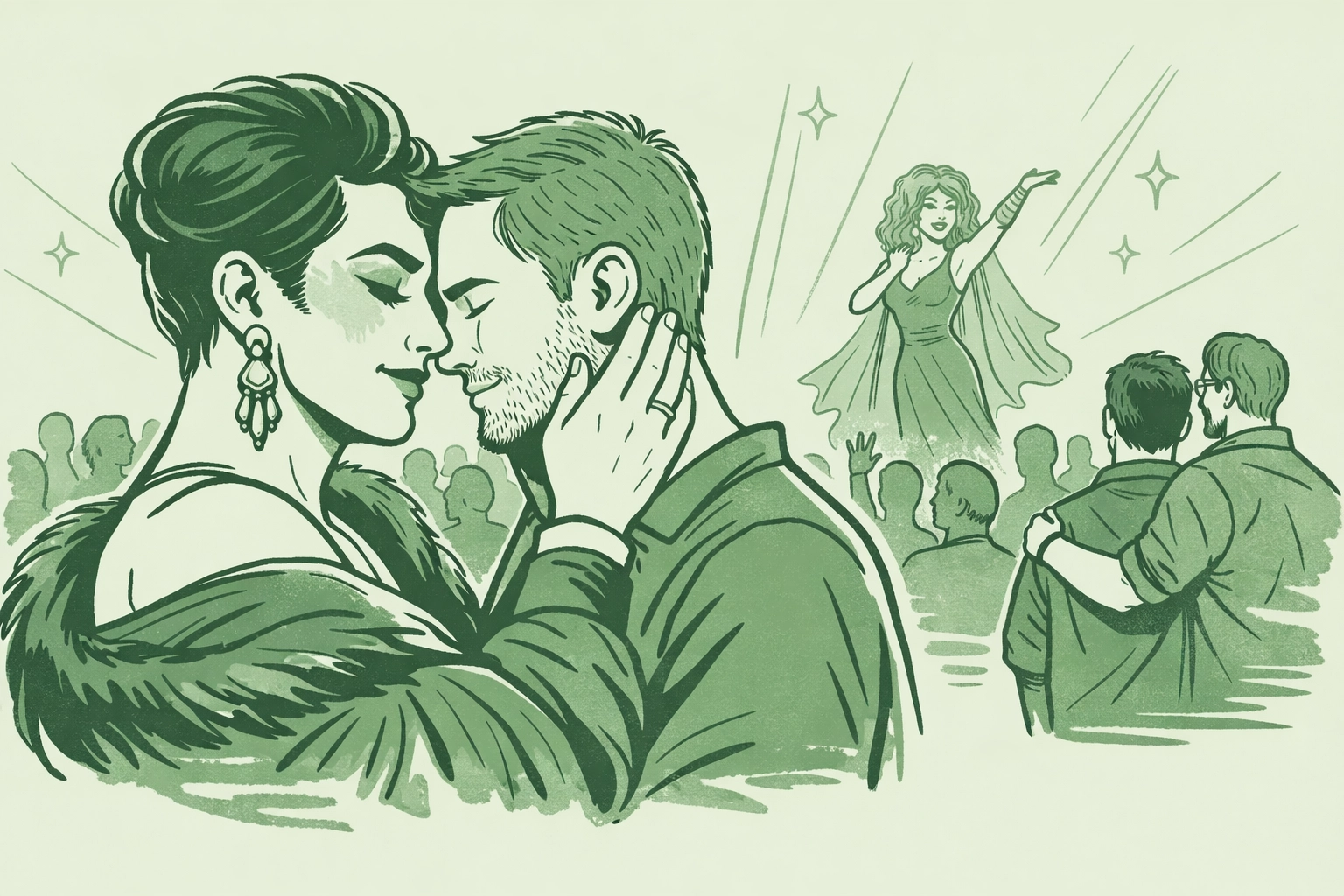
When fabric becomes resistance and makeup becomes a manifesto, drag transforms from performance art into one of the most powerful forms of LGBTQ+ activism. For over a century, drag performers have stood at the forefront of queer liberation, using their visibility, creativity, and courage to challenge oppression and demand equality.
The Revolutionary Act of Visibility
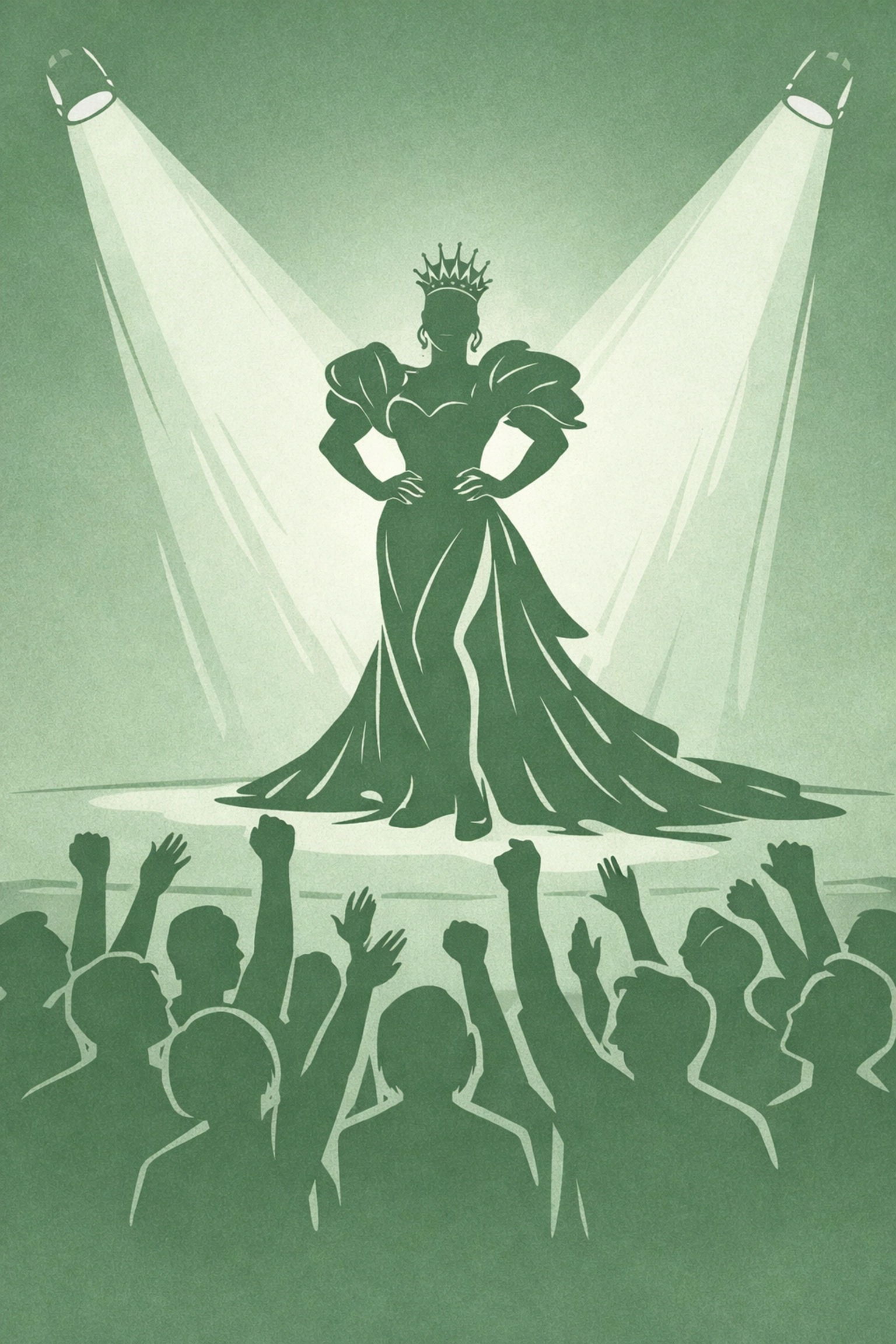
Drag is inherently political. By defying traditional gender norms and pushing against the rigid binary society imposes, drag performers create space for authentic expression while simultaneously challenging the systems that have long persecuted LGBTQ+ communities. This visible defiance transforms every performance into protest, every appearance into advocacy.
The power of drag activism lies in its unapologetic visibility. In a world that has historically demanded LGBTQ+ people remain hidden, drag artists refuse to disappear. They claim public space, demand attention, and force society to confront its own prejudices about gender, sexuality, and identity.
From Ballrooms to Barricades: The Early Days
The connection between drag and organized resistance dates back further than many realize. In 1896, drag performer William Swann became the first American on record to seek legal action defending the LGBTQ+ community after being arrested for "keeping a disorderly house." The community that formed around Swann's drag balls is now recognized as the first LGBTQ+ resistance group in America.
However, it was during the 1960s and 1970s when drag became synonymous with organized activism. As police raids on queer spaces intensified and bars banned crossdressing, drag performers didn't retreat: they organized. They founded activist organizations and became leaders of the modern gay rights movement.
Stonewall: When Drag Queens Led the Revolution
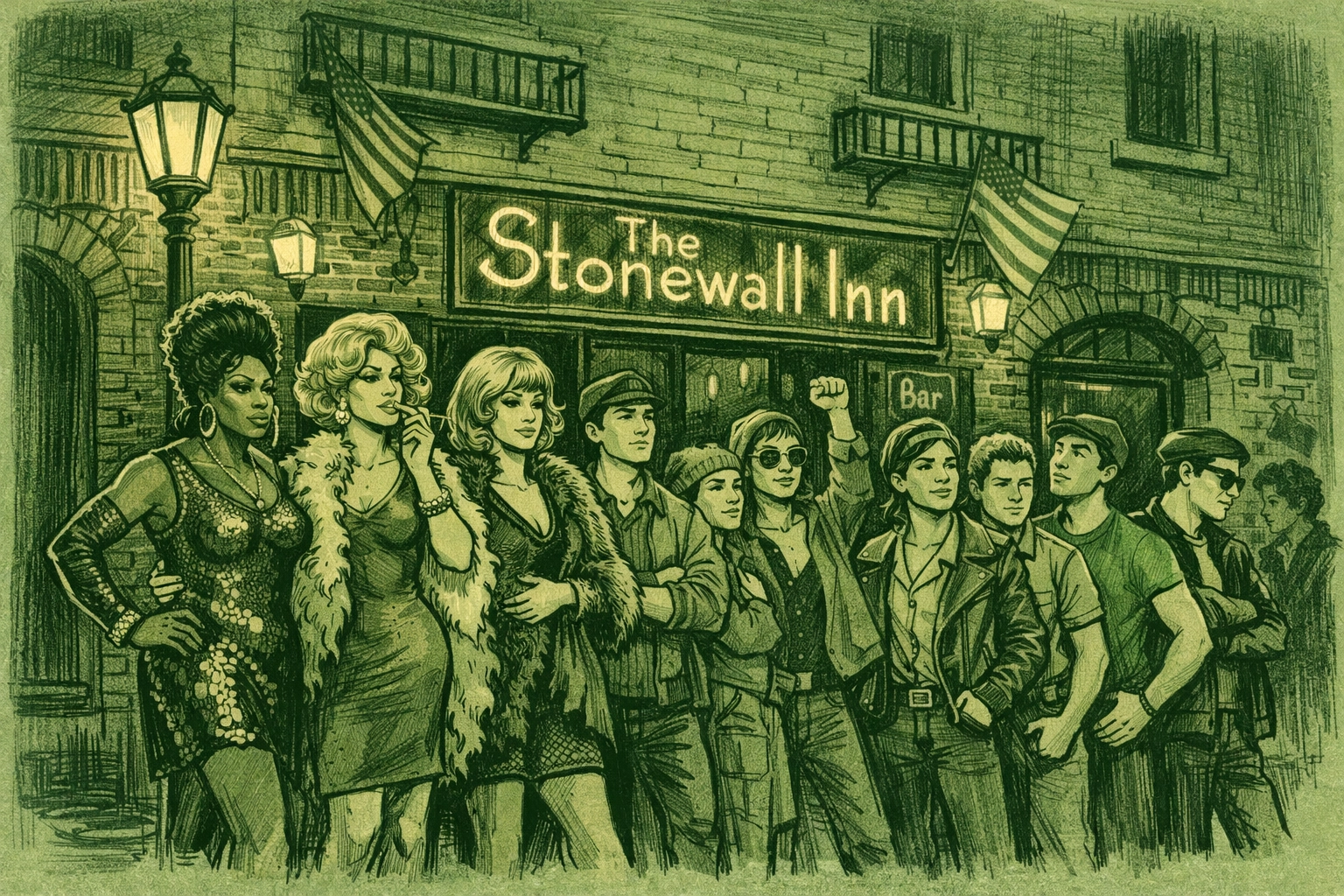
On a June night in 1969, drag performers helped spark the modern LGBTQ+ liberation movement. Stormé DeLarverie, a drag king, was among the leaders of the Stonewall Uprising, the catalytic event that transformed LGBTQ+ activism forever. The courage displayed by drag performers that night: refusing to be intimidated, fighting back against police brutality, and demanding dignity: set the tone for decades of activism to follow.
Following Stonewall, drag queens established crucial activist organizations. The Queens Liberation Front (QLF) and Street Transvestites Action Revolutionaries (STAR), founded by legendary activists Marsha P. Johnson and Sylvia Rivera, engaged in protests, sit-ins, advocacy for anti-discrimination laws, and pride demonstrations. STAR modeled itself after drag houses, providing homes and support for homeless queer youth and sex workers: proving that activism extends beyond the streets into everyday care for community members.
Activism Beyond New York: National and Global Resistance
Drag activism was never confined to one city or one movement. Across America and around the world, drag performers used their platforms to fight for justice and visibility.
In San Francisco, the Sisters of Perpetual Indulgence adopted nun-themed drag to provide AIDS and safe-sex education during the height of the epidemic, while simultaneously protesting for protections and raising money for local queer communities. Their blend of humor, irreverence, and serious advocacy demonstrated how drag could educate while entertaining.
In Chicago, drag queen Joan Jett Blakk ran for mayor and president in the 1990s. While she never expected to win office, her campaigns successfully increased visibility of queer issues and the AIDS crisis, proving that sometimes the platform matters more than the outcome.
The AIDS Crisis: Drag as Fundraising and Care
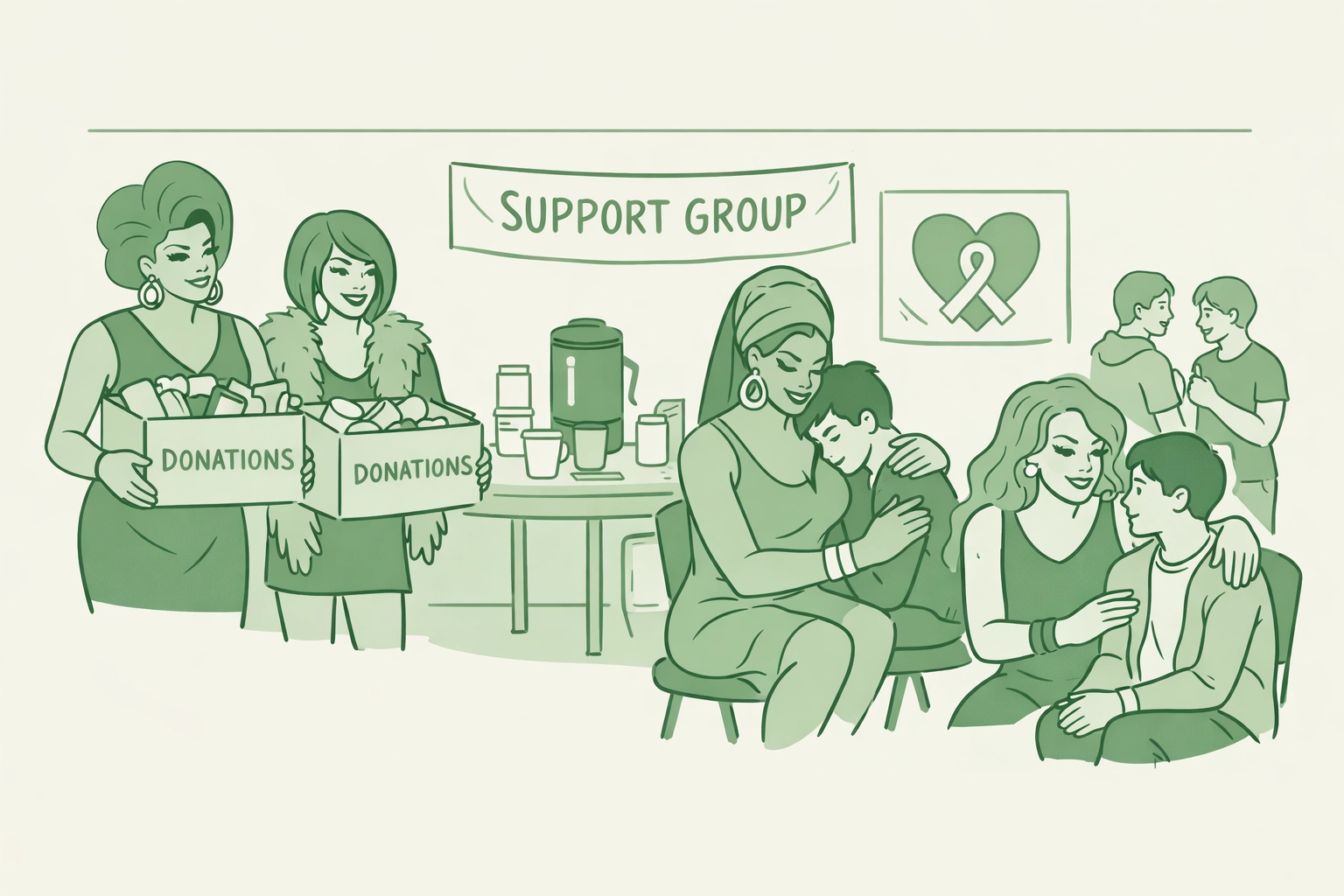
During the devastating AIDS crisis of the 1980s and 1990s, when governments ignored dying communities and mainstream society turned away, drag performers stepped up. They organized fundraising shows, raised awareness, and provided direct support to those abandoned by healthcare systems and their own families.
In Toronto, drag queens raised over a million dollars for Casey House hospice. Across North America and Europe, drag performers regularly organized benefits for AIDS patients, proving that activism takes many forms: sometimes it's protest, sometimes it's care, and often it's both simultaneously.
Modern Drag Activism: Mainstream Platforms, Same Mission
Today, drag continues as a vital vehicle for LGBTQ+ activism, even as it has gained mainstream visibility. Shows like RuPaul's Drag Race have given drag queens unprecedented platforms to advocate for LGBTQ+ rights, discuss their experiences with discrimination, and use their visibility for social change.
Contemporary drag performers carry forward the tradition established by their predecessors: using their art to challenge, educate, and inspire. Whether performing at pride events, organizing protests against anti-LGBTQ+ legislation, or simply existing visibly in a world that still harbors prejudice, modern drag artists understand their role as activists.
Why Visual Activism Matters
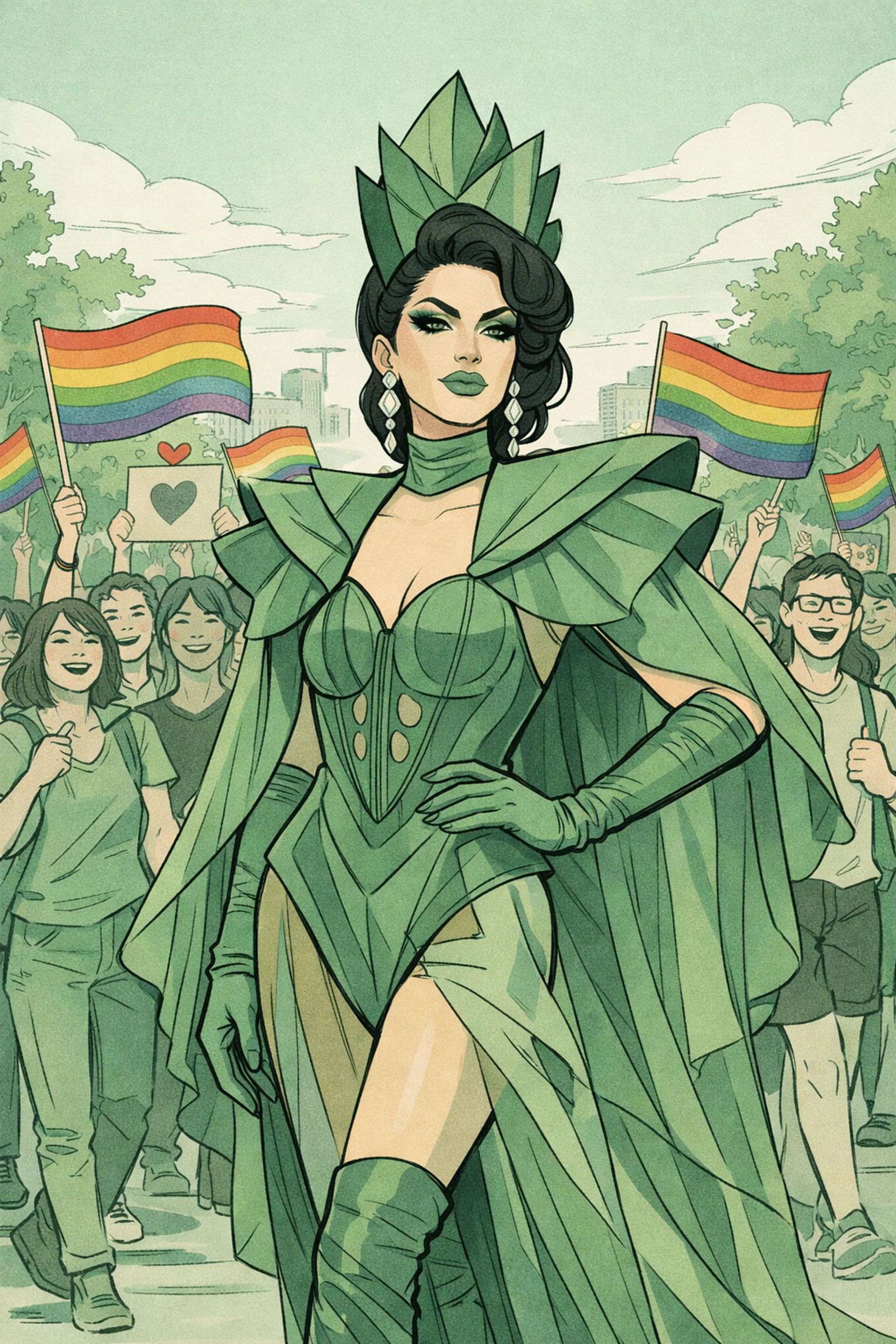
The visual nature of drag activism carries unique power. Unlike written manifestos or spoken speeches, drag creates immediate, visceral impact. It forces observers to confront their assumptions about gender, identity, and expression. It makes the invisible visible and transforms the marginalized into the unmissable.
Gender-bending fashion and drag performance communicate messages that transcend language barriers. They create memorable images that spread through media, inspire others, and become symbols of resistance. The bravery required to perform drag: especially in hostile environments: makes every appearance an act of courage.
The Courage to Be Seen
Understanding drag as activism requires recognizing the bravery involved. In many places, drag performers face harassment, violence, and legal persecution simply for existing visibly. Recent years have seen renewed attacks on drag performances, with legislation specifically targeting drag shows and drag story hours.
Yet drag performers continue showing up, continue performing, continue advocating. Their refusal to be silenced or hidden represents the core of LGBTQ+ resistance: the insistence on existing authentically, regardless of society's comfort level.
Resources for Understanding and Supporting
Explore LGBTQ+ stories and perspectives through literature that celebrates diverse identities. Understanding drag activism begins with understanding LGBTQ+ history and experiences.
For those interested in coming out journeys and authentic self-expression, Beyond the Closet Door offers perspectives from multiple walks of life, while The Private Self provides guidance for honoring your truth in your own time.
The Legacy Continues
Drag activism reminds us that resistance takes many forms. Sometimes it wears sequins and heels. Sometimes it speaks through makeup and performance. Always, it demands to be seen, heard, and respected.
The performers who have used drag as activism: from William Swann to Marsha P. Johnson, from Stormé DeLarverie to contemporary artists: have paved paths for LGBTQ+ liberation. Their courage, creativity, and refusal to be erased continue inspiring new generations of activists who understand that visibility itself is revolutionary.
Discover more LGBTQ+ stories and perspectives at Read with Pride and explore our complete collection at dickfergusonwriter.com.
Follow us on social media:
- Instagram: @dickfergusonwriter
- X (Twitter): @DickFergus94902
- Facebook: Dick Ferguson Writer
- Visit: www.readwithpride.com
#DragActivism #LGBTQHistory #ReadWithPride #QueerActivism #DragIsResistance #LGBTQBooks #GayBooks #QueerFiction #LGBTQPride #MMRomance #GayRomance #LGBTQRights #StonewallUprising #DragQueens #GenderExpression #VisualActivism #QueerCommunity #ReadingWithPride #LGBTQLiterature #GayFiction #PrideReading

Leave a Reply
You must be logged in to post a comment.