


Some books don't just tell stories, they reach into your chest and squeeze. James Baldwin's Giovanni's Room, published in 1956, is one of those books. It's a masterpiece of gay literature that still hits like a freight train seventy years later, exploring the devastating cost of living in the closet and the tragic beauty of forbidden love in 1950s Paris.
If you're looking for LGBTQ+ fiction that goes deep, this is where you start. This isn't your typical MM romance with a happy ending, this is raw, honest, and heartbreaking in ways that changed queer literature forever.
A Night Before an Execution
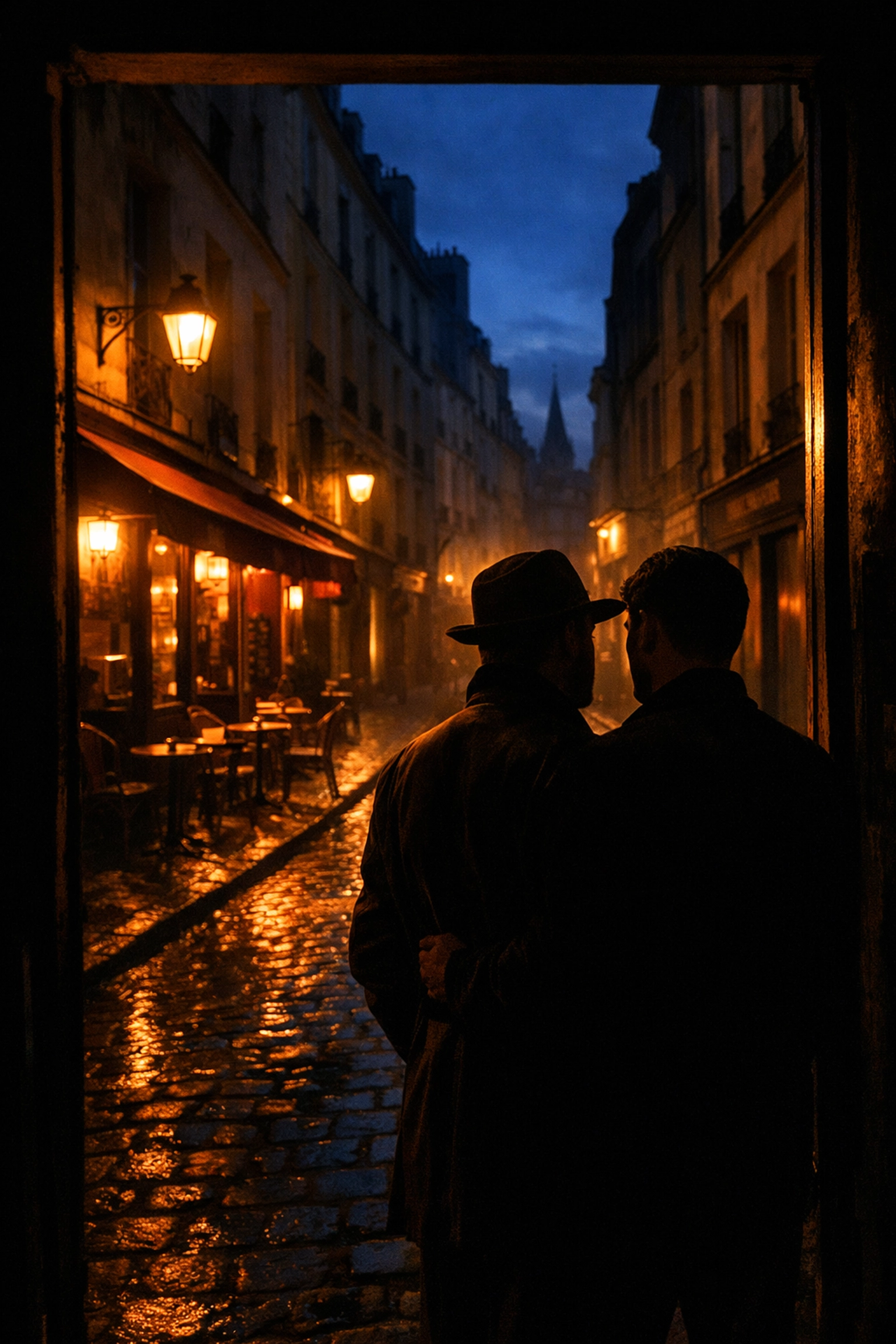
The novel opens with David, a young American expatriate, standing at a window in the south of France on the night before his former lover Giovanni is executed for murder. That's right, we know from page one how this ends. Baldwin doesn't give us hope; he gives us truth.
David is narrating the entire story as a confession, a reckoning with his choices and his cowardice. His fiancée Hella is on her way back from Spain, and he's left alone with his guilt, his memories, and a house full of mirrors he can't bear to look into. The structure itself is genius, we're trapped with David in his self-examination, unable to escape the consequences of his denial.
This framing transforms Giovanni's Room into one of the most psychologically intense gay novels you'll ever read. Every page drips with regret.
Paris and Giovanni's Room
While Hella travels in Spain trying to figure out if she wants to marry David, he meets Giovanni, an Italian bartender working at a gay bar in Paris. Their connection is immediate, electric, undeniable. Giovanni is everything David has been running from, passionate, open, unashamed of who he is and what he wants.
They retreat to Giovanni's room, a small space described with almost suffocating detail. The room has no curtains, dirty windows, a broken window, rumpled sheets, it's simultaneously intimate and claustrophobic. Baldwin uses this setting brilliantly as a metaphor for their relationship: beautiful and isolated, exposed yet hidden, a temporary sanctuary from the world's judgment.

In Giovanni's room, they create their own reality. They sleep in, make coffee, exist in a routine that feels like domesticity, like a life they could build together. For a moment, David lets himself be fully present, fully alive. Baldwin's prose in these sections is tender and sensual, capturing the intoxication of new love and the relief of finally being seen.
But outside that room? The world is waiting. And David knows it.
The Pain of the Closet
Here's where Giovanni's Room becomes essential gay fiction and not just great literature. David's internal conflict, his inability to accept his own homosexuality, is the novel's beating heart and its tragedy.
David tries everything to convince himself he's straight. He recalls a traumatic sexual encounter with another boy in his youth, an experience he's been running from ever since. He clings to Hella as proof of his "normalcy." He even has a one-night stand with a woman to prove to himself that he can perform heterosexuality.
But Baldwin doesn't let him, or us, off the hook. David's denial isn't portrayed as noble or protective; it's destructive, selfish, and ultimately deadly. His inability to love Giovanni openly, to claim their relationship, sets off a chain of events that leads to Giovanni's downfall.
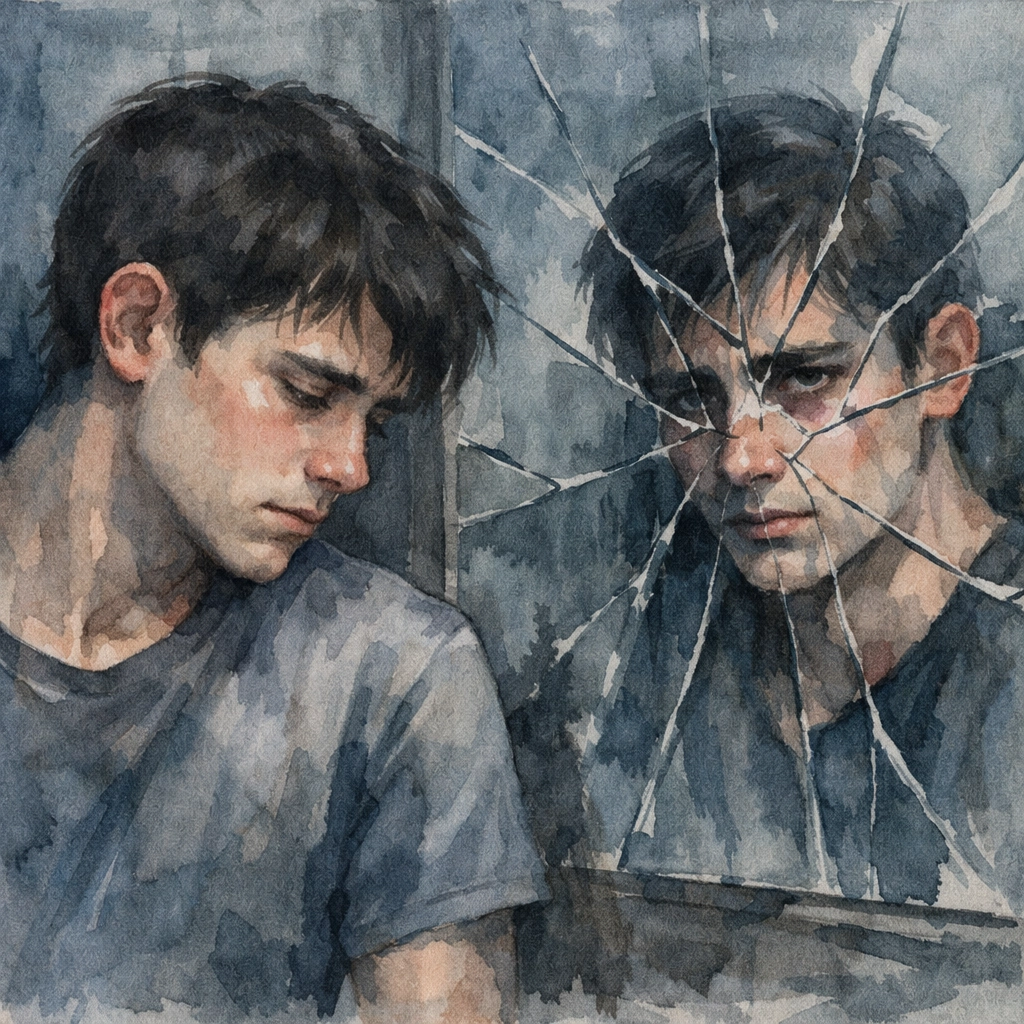
This is the pain of the closet in its rawest form, not just the denial of self, but the collateral damage that denial creates. David chooses the safety of conformity over the risk of authenticity, and Giovanni pays the price.
Giovanni's Tragic Fate
When Hella returns from Spain, David makes his choice. He abandons Giovanni, returning to the performance of heterosexuality and his engagement. Giovanni, devastated and now jobless (he's been fired from the bar after refusing sexual advances from his employer Guillaume), spirals.
In a rage after Guillaume falsely accuses him of theft, Giovanni murders him. He's arrested, tried, and sentenced to death by guillotine.
Baldwin doesn't shy away from the horror of this. Giovanni's execution isn't just the end of his life, it's the ultimate consequence of a society that forces queer people into impossible positions. Giovanni couldn't keep his job without submitting to exploitation. He couldn't build a life with David because David couldn't accept himself. The system failed him at every turn.
And David? David gets to live, but he's hollow. He's lost the one person who truly saw him, and he knows it was his cowardice that cost Giovanni everything.
Why This Book Still Matters
Giovanni's Room was revolutionary when it was published and remains essential LGBTQ+ reading today. Baldwin wrote it at a time when gay books were either invisible or tragic, and he chose tragedy, but tragedy with purpose and truth.
The novel refuses to sanitize queer experience or offer easy answers. It doesn't promise that coming out will solve everything or that love conquers all. Instead, it shows us the real cost of a homophobic society: not just discrimination, but the internalized shame that makes us complicit in our own suffering.
For modern readers of MM romance and queer fiction, Giovanni's Room is a reminder of where we've been and how far we still have to go. Yes, we now have stories with happy endings (thank god), but Baldwin's unflinching examination of shame, desire, and self-destruction remains as relevant as ever.

A Classic That Changed Gay Literature
Baldwin himself was bisexual, and he faced significant pressure not to publish this book. His publishers worried it would destroy his career. The novel features no Black characters (unusual for Baldwin), possibly to avoid having his exploration of homosexuality dismissed as a "racial" issue rather than a universal human one.
But Baldwin was adamant. He knew this story needed to be told. And he was right.
Giovanni's Room paved the way for generations of gay authors and queer fiction writers to tell their own truths. It proved that gay novels could be literary, complex, and devastating. It showed that LGBTQ+ stories deserved to be taken seriously as art.
If you're building your collection of gay classics or looking for the best LGBTQ+ books that shaped our community's literature, this one is non-negotiable. It belongs on every queer bookshelf.
Read It, Feel It, Remember It
Giovanni's Room isn't an easy read. It's not the steamy MM romance or heartfelt gay fiction with a satisfying HEA that we often turn to for comfort. But it's necessary. It's beautiful in its brutality, and it tells a truth about the cost of shame that we can't afford to forget.
David's story is a warning and a mirror. Giovanni's story is a tragedy that should never have happened. Together, they create one of the most powerful gay love stories ever written: not despite its ending, but because of it.
Ready to explore more groundbreaking LGBTQ+ literature? Visit Read with Pride for more gay romance, MM fiction, and queer classics that celebrate our community's stories. Follow us on Facebook, X/Twitter, and Instagram for daily recommendations and the best new releases in gay literature.
#GiovannisRoom #JamesBaldwin #LGBTQBooks #GayLiterature #QueerFiction #GayClassics #MMRomance #GayBooks #ReadWithPride #LGBTQReading #GayFiction #QueerClassics #GayNovels #LGBTQFiction #GayBookClub #MMBooks #GayRomanceBooks #LGBTQAuthors #BestGayBooks #ClassicGayLiterature

Leave a Reply
You must be logged in to post a comment.