

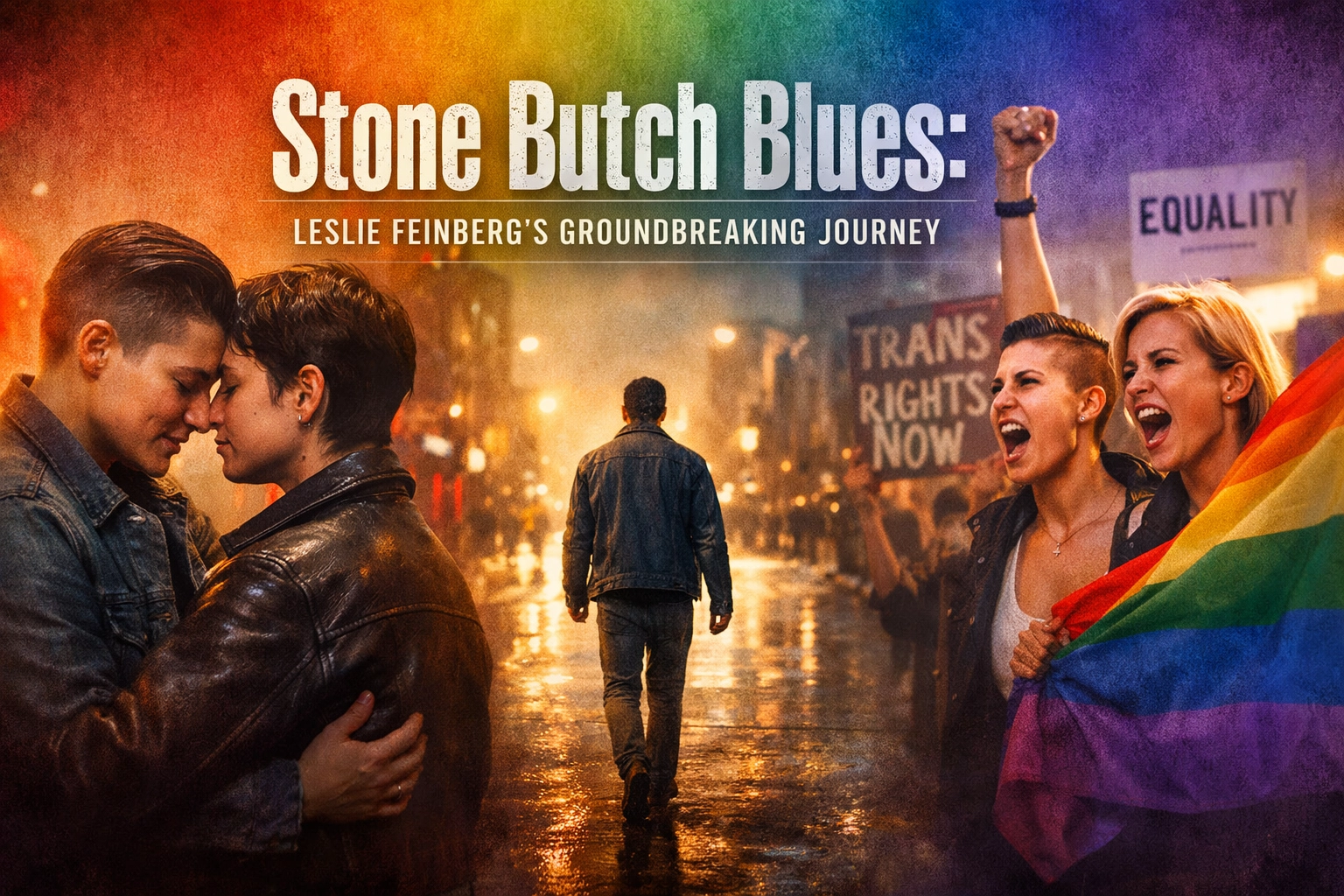
Some books don't just tell stories: they crack open the world and show us truths we didn't know we needed. Leslie Feinberg's Stone Butch Blues is one of those rare, necessary books. Published in 1993, this groundbreaking novel shattered expectations about gender, identity, and what it means to survive in a world that refuses to make space for you.
If you're looking for gay literature that goes beyond romance and dives deep into the messy, beautiful reality of queer fiction, this is where you start. And trust us, once you pick it up, you won't be able to put it down.
The Story That Changed Everything
Stone Butch Blues follows Jess Goldberg, a stone butch lesbian navigating life in the working-class bars and factories of Buffalo, New York, from the McCarthy era through the post-Stonewall years. It's semi-autobiographical, drawing from Feinberg's own experiences as a gender-nonconforming person in a world that demanded conformity: or else.
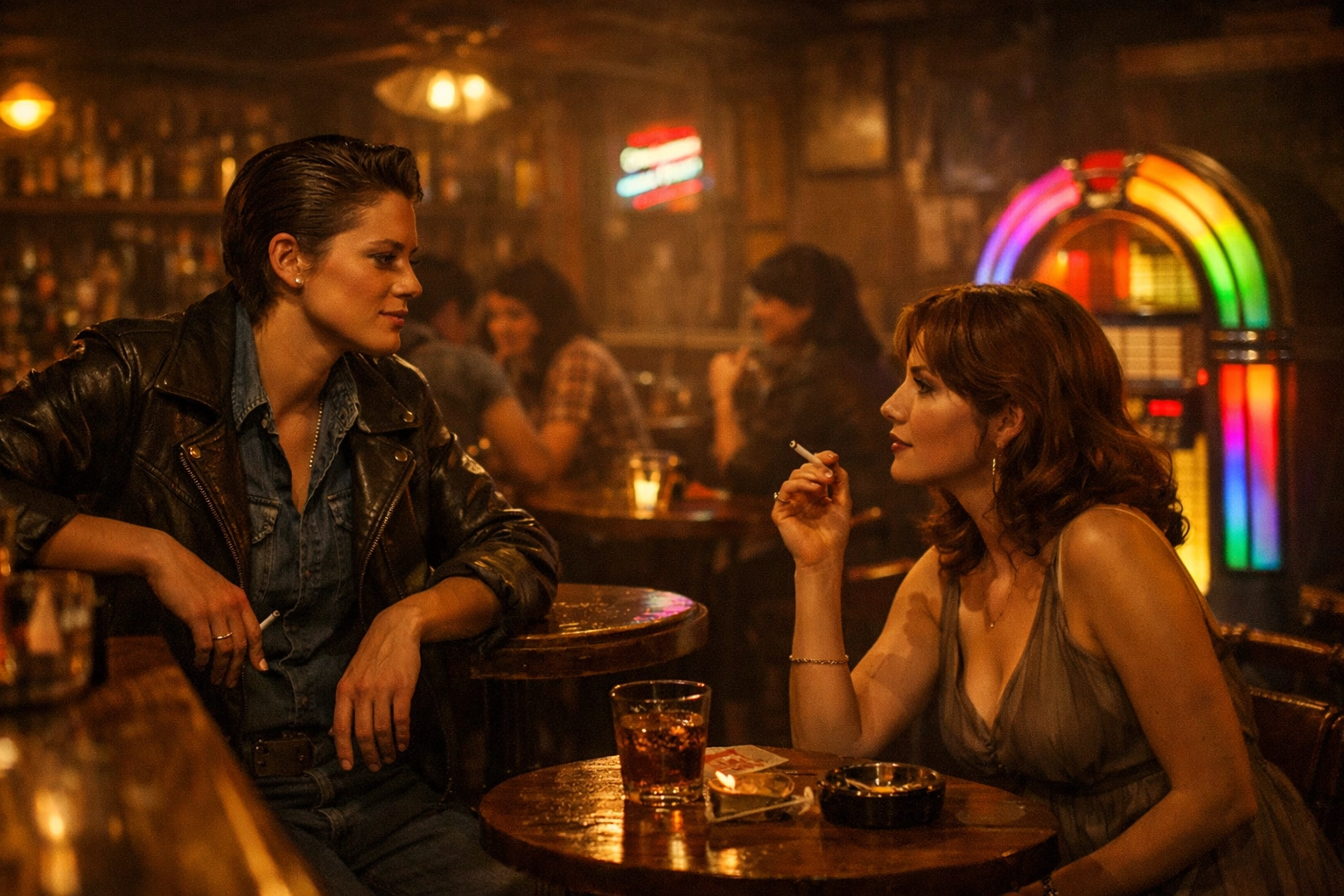
Jess grows up as a masculine-presenting kid who never quite fits anywhere. Not in her family. Not in school. Not in the straight world. The violence she faces is relentless: forced hospitalization by her parents, gang rape by classmates, brutal attacks by police who target gender-nonconforming people in bar raids. It's hard to read at times, but that's the point. Feinberg doesn't sugarcoat the reality of what it meant to be visibly queer in mid-20th century America.
Eventually, Jess makes the difficult decision to transition, taking hormones and living as a man: not because it's what she wants, but because it's a survival strategy. But here's where the book gets really interesting: Jess eventually stops taking hormones and chooses to live as gender-nonconforming, refusing to fit neatly into either the "male" or "female" box. Even when it means facing more violence. Even when it means losing jobs, relationships, and safety.
That choice: to exist authentically in the space between: is what makes this book so powerful and so ahead of its time.
More Than Just a Love Story
Look, we love MM romance books and heartfelt gay love stories as much as anyone (seriously, check out Readwithpride.com for some amazing reads). But Stone Butch Blues isn't trying to give you a happy ending tied up with a rainbow bow. This is LGBTQ+ fiction that's raw, unflinching, and deeply political.
The novel explores butch/femme culture in working-class lesbian bars: the dress codes, the dynamics, the fierce loyalty. These weren't just social roles; they were identities forged in resistance, ways of creating community and finding love in hostile spaces. Feinberg shows us the beauty and complexity of these relationships while also examining their contradictions.
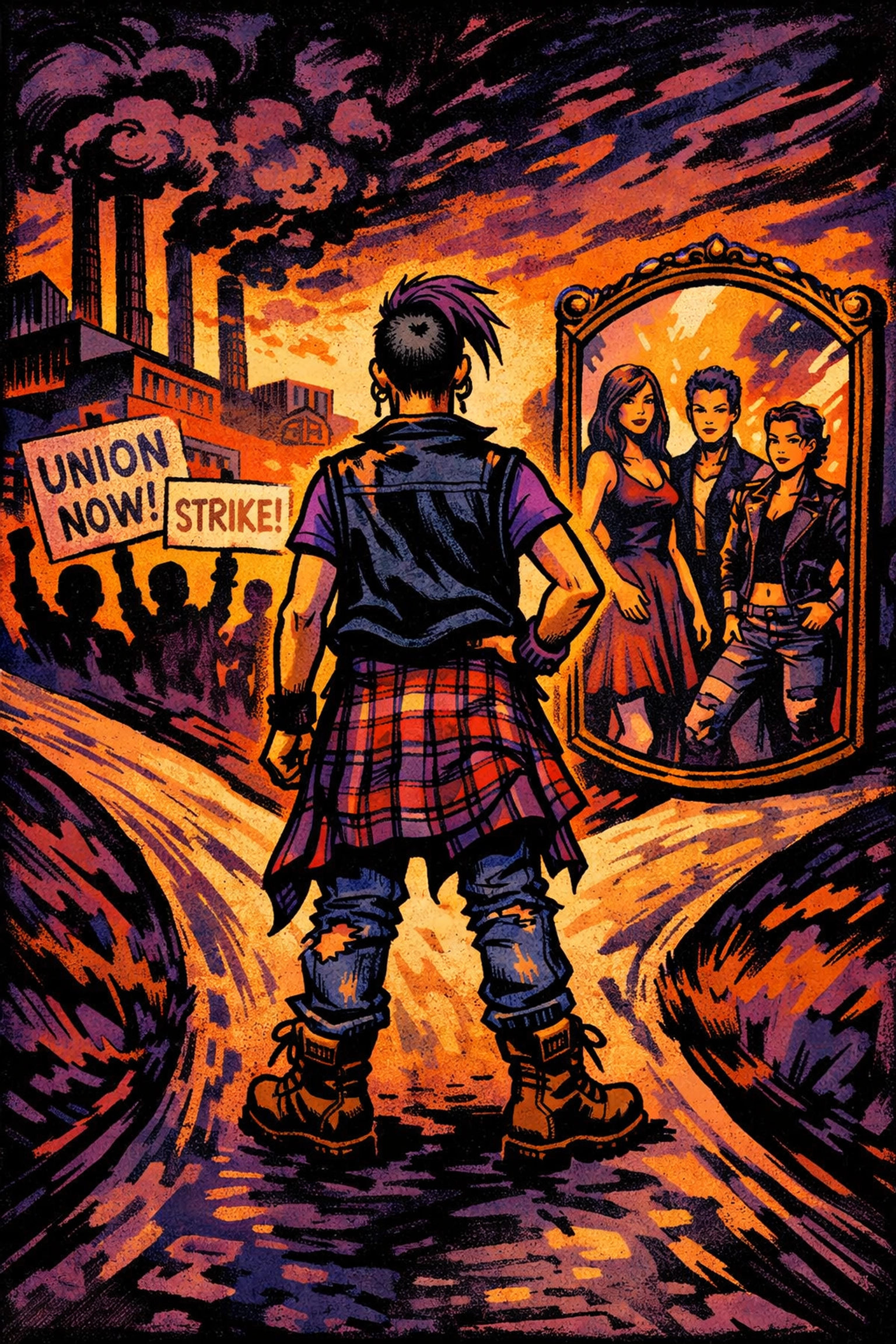
The book is also deeply rooted in class consciousness. Jess works factory jobs, joins union organizing efforts, and sees firsthand how capitalism and patriarchy work together to crush working-class queer people. Feinberg: a Marxist activist as well as a writer: weaves labor politics throughout the narrative, showing how gender identity and economic struggle are inseparable.
Why It Still Matters in 2026
Here's the thing: we've come a long way since 1993. We have marriage equality, more visibility, and yes, a thriving market for gay romance novels and queer fiction (which we're absolutely here for). But the struggles Feinberg wrote about haven't disappeared.
Gender-nonconforming people still face violence. Trans people are under legislative attack. Working-class LGBTQ+ folks still navigate systems designed to exclude them. The intersections of race, class, and queerness that Feinberg explored are more relevant than ever.
Stone Butch Blues reminds us that LGBTQ+ literature isn't just about representation: it's about resistance. It's about seeing ourselves in stories that refuse to smooth over the hard parts, stories that show survival through collective struggle rather than individual triumph.
The Feinberg Legacy
Leslie Feinberg (who used she/her and ze/hir pronouns) was more than a novelist. Ze was a pioneering transgender theorist and activist who helped shape how we understand gender liberation. In 1992, a year before Stone Butch Blues was published, Feinberg wrote the pamphlet "Transgender Liberation: A Movement whose Time Has Come," which laid out a broad, inclusive vision of trans solidarity.
Feinberg saw connections between transsexuals, drag queens, butch lesbians, and all gender-nonconforming people resisting colonial and patriarchal norms. This intersectional approach to transgender activism was revolutionary then and remains essential now.
The impact of Stone Butch Blues has been massive. The book has sold hundreds of thousands of copies, been translated into multiple languages including Chinese, Dutch, German, Italian, and Turkish, and circulated widely in prisons. For many people, it was the first time they saw their experiences reflected on the page. For others, it opened their eyes to realities they'd never considered.
Not Without Its Flaws
No book is perfect, and Stone Butch Blues has its limitations. Femme characters, while present and important, often function primarily as support systems for butches: cooking, cleaning, providing emotional comfort: without receiving the same narrative depth. The trauma experienced by femme sex workers in the story goes largely unexamined.
These critiques matter, and they're worth discussing. But they don't diminish the book's overall significance. Part of engaging with gay literature critically is acknowledging both its power and its blind spots.
Where to Find This Essential Read
Stone Butch Blues is widely available in bookstores and libraries. For years, Feinberg made the book available for free online, believing that queer stories should be accessible to everyone, especially incarcerated LGBTQ+ people who might not have access to bookstores. That generosity of spirit is quintessentially Feinberg.
Looking for more groundbreaking LGBTQ+ books and gay fiction? Head over to Readwithpride.com for curated collections of MM romance, contemporary queer fiction, and classic gay novels that celebrate our community's rich literary history.
The Bottom Line
Stone Butch Blues isn't an easy read, but it's an essential one. It's a book that challenges us, moves us, and reminds us of the courage it takes to live authentically. Whether you're looking for gay book recommendations that go beyond the standard romance fare or you want to understand the history that paved the way for today's MM romance books and LGBTQ+ ebooks, this novel belongs on your shelf.
Leslie Feinberg gave us a gift: a story that honors the dignity of gender-nonconforming people while refusing to look away from the violence they face. A story that celebrates working-class queer community and collective resistance. A story that says, "You deserve to exist, exactly as you are."
That message is as necessary in 2026 as it was in 1993.
Ready to explore more groundbreaking LGBTQ+ literature? Follow us on Facebook, Instagram, and X/Twitter for daily book recommendations, author spotlights, and queer reading community. Visit Readwithpride.com to discover your next favorite gay romance or queer fiction read.
#StoneButchBlues #LeslieFeinberg #LGBTQBooks #QueerLiterature #TransLit #GenderNonconforming #GayLiterature #QueerFiction #ReadWithPride #LGBTQReading #QueerBookClub #TransHistory #ButchFemme #GayBooks #QueerClassics #LGBTQHistory #GenderIdentity #TransgenderLiterature #WorkingClassQueer #MMRomance #GayRomanceBooks #LGBTQCommunity

Leave a Reply
You must be logged in to post a comment.