

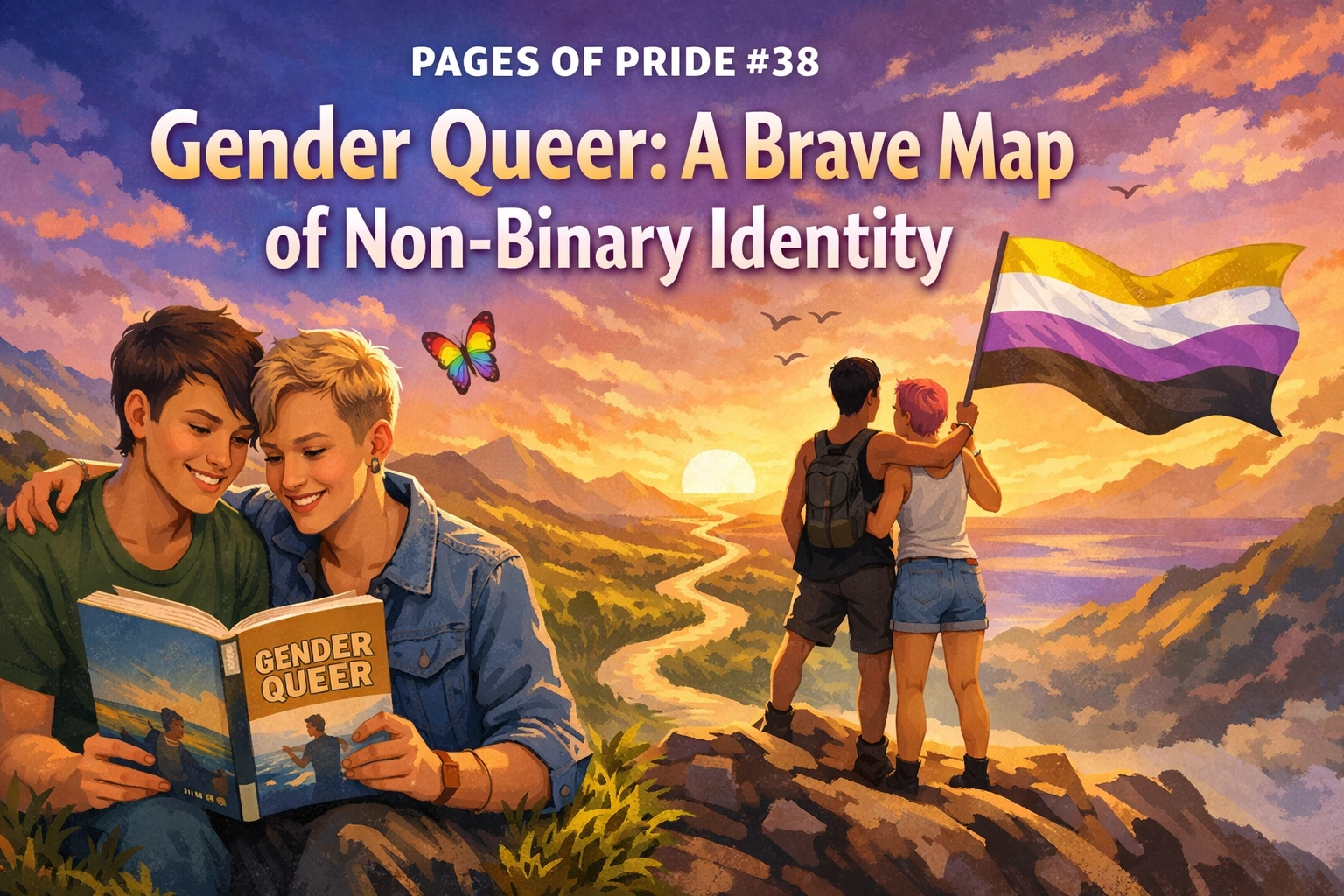
Some books whisper. Others shout. And then there's Gender Queer: A Memoir by Maia Kobabe, a graphic novel that does something even more powerful: it invites you to sit down, look closely, and truly see what it means to navigate the world without fitting into the binary boxes society keeps trying to force us into.
Published in 2019, this groundbreaking memoir has become one of the most important pieces of queer literature in recent years, and one of the most challenged books in America, which honestly tells you everything you need to know about how necessary it is. When a book makes people uncomfortable enough to ban it, you know it's doing something right.
A Visual Journey Through Identity
What makes Gender Queer stand out in the world of LGBTQ+ literature isn't just its subject matter, it's the medium itself. As a graphic memoir, Kobabe uses illustrations to communicate experiences that words alone might struggle to capture. There's something deeply intimate about seeing someone's journey visualized on the page, rendered in those distinctive muted earth tones and calm blues that reviewers have praised.
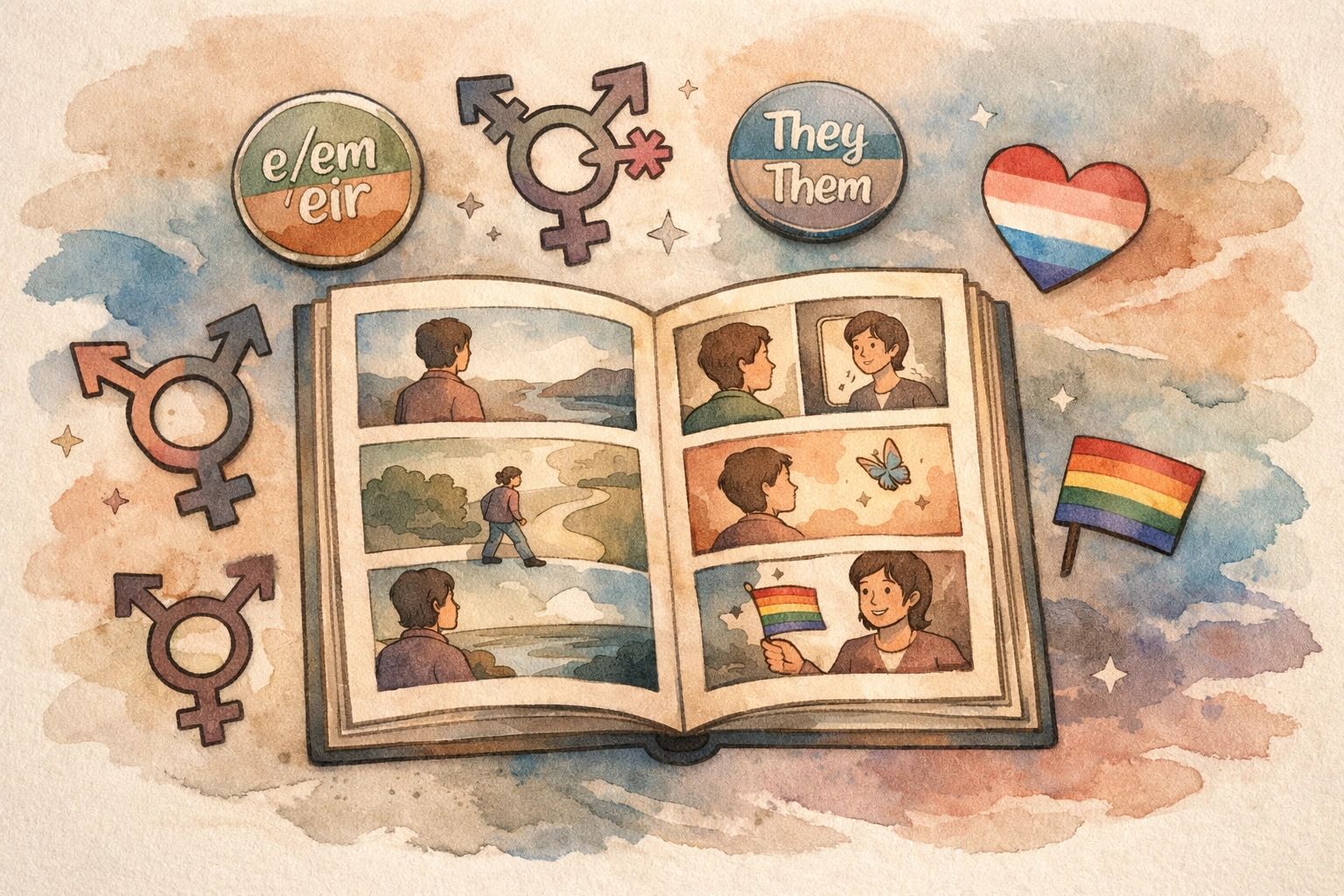
The memoir charts Kobabe's path from childhood through early adulthood, exploring what it means to be non-binary and asexual in a world that assumes everyone is one or the other, and that everyone experiences sexual attraction the same way. Spoiler alert: we don't.
Originally created as a way to help eir family understand what being non-binary and asexual actually means, the book evolved into something much bigger. It became a roadmap for anyone questioning their gender identity or sexual orientation, a resource for allies trying to understand, and a mirror for those who've never seen their own experiences reflected back at them in literature.
More Than Just a Coming-of-Age Story
At its core, Gender Queer documents the everyday moments that shape our understanding of ourselves. Kobabe doesn't shy away from the mundane or the uncomfortable, from shopping for undergarments that feel right (spoiler: the quest is real) to navigating gynecological exams as someone who doesn't identify with the gender assumptions those experiences carry. There are first relationships, confusing feelings, and that constant internal dialogue of trying to figure out who you are when the world keeps telling you who you should be.
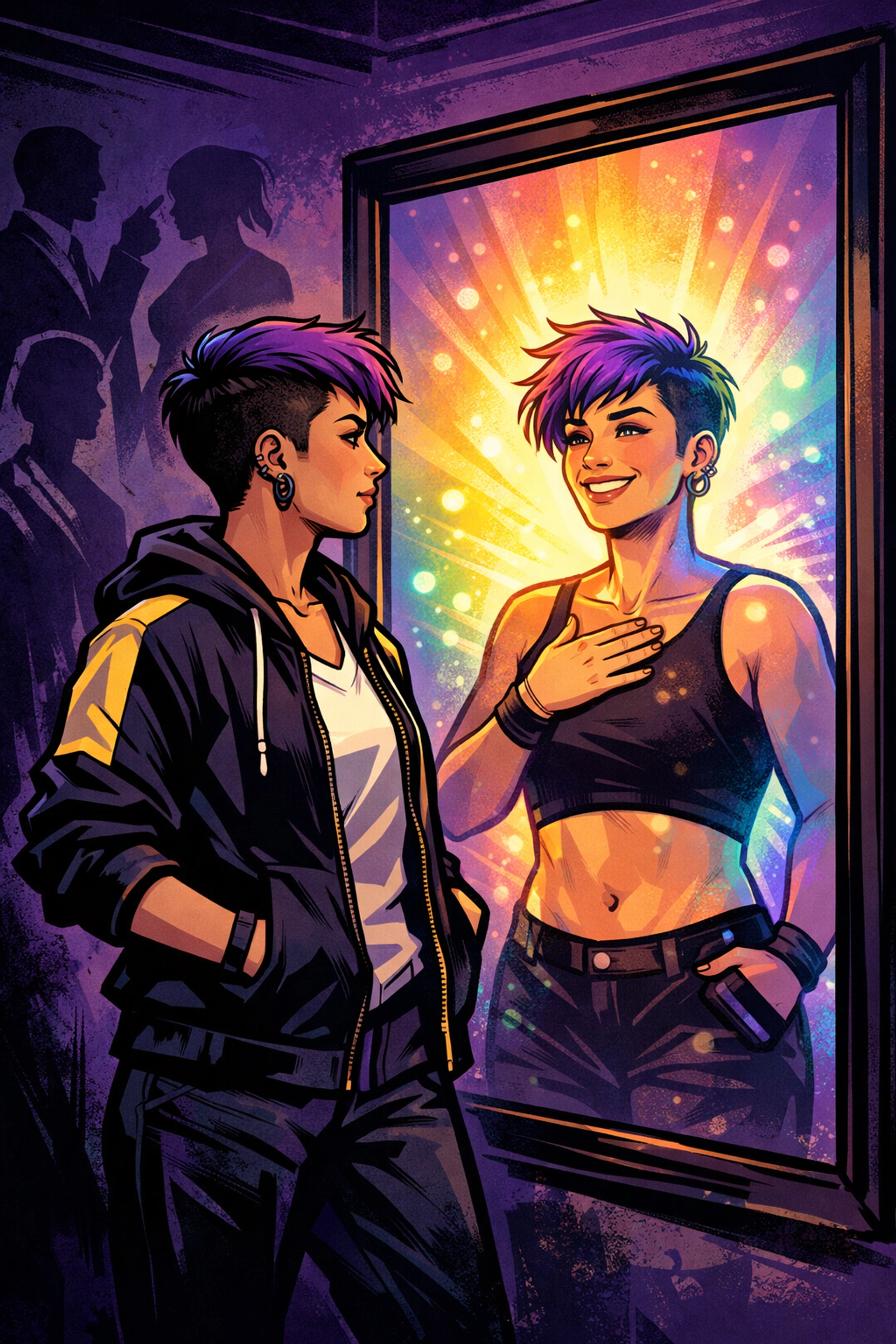
But here's what makes this memoir truly special: it's not just about struggle. Yes, there's gender dysphoria, that gut-wrenching feeling of disconnect between your body and your identity. But there's also gender euphoria, those beautiful moments when something clicks into place and you feel authentically, gloriously yourself. The book captures both sides of the coin, which is crucial. Too often, queer stories focus only on pain, but Kobabe shows us the joy, too.
The Power of Pronouns
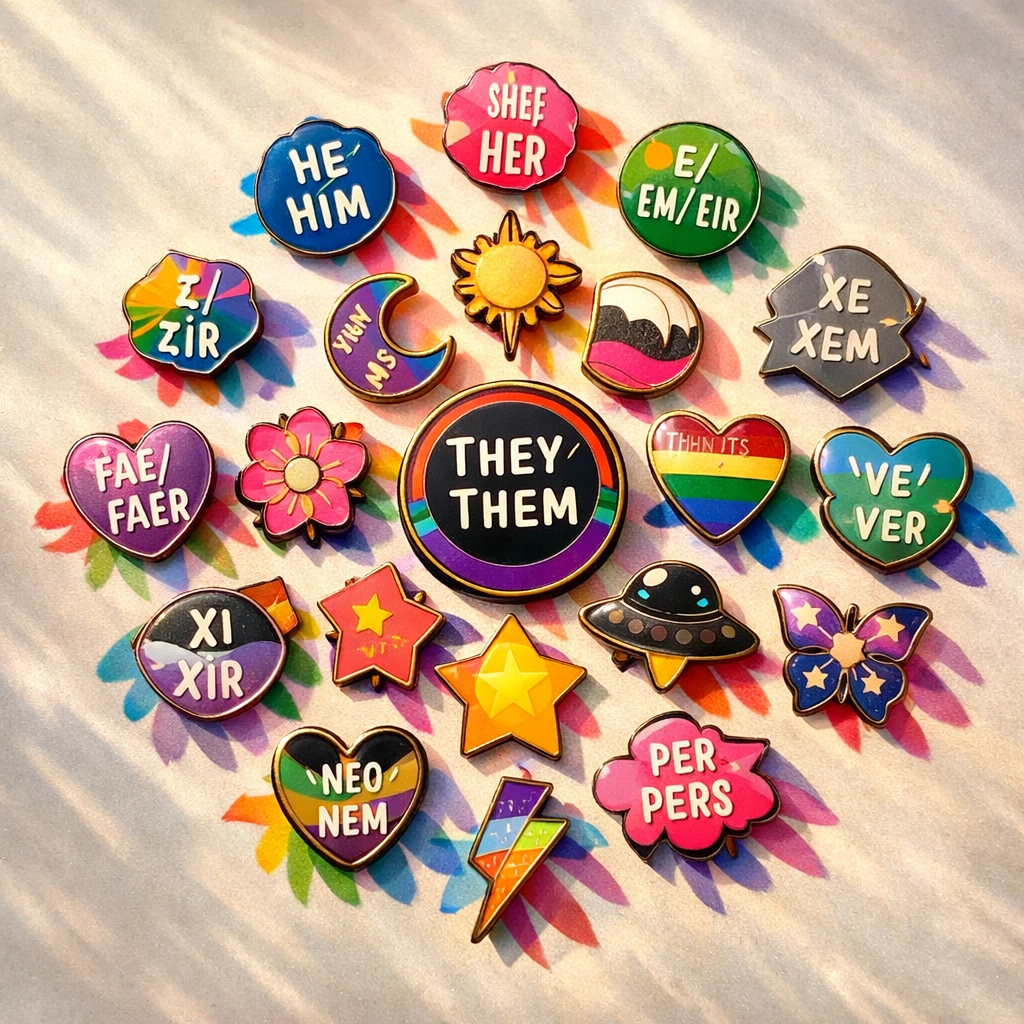
One of the most educational aspects of Gender Queer is how it introduces readers to Spivak pronouns: e, em, eir. For many readers at Readwithpride.com, this might be the first time they've encountered pronouns outside of he/she/they. The memoir doesn't just tell you about these pronouns: it shows you how they work in practice, how important they are to Kobabe's identity, and how hard (and necessary) it is to help people understand and respect them.
This isn't just grammar: it's about being seen. It's about having language that fits who you are. And Kobabe's patient, honest approach to explaining this to family, friends, and now readers is genuinely moving.
Why It Matters for Non-Binary Literature
In the landscape of LGBTQ+ fiction and queer fiction, non-binary representation has historically been scarce. We've had plenty of gay love stories, MM romance novels, and lesbian fiction, but where were the books for those of us who don't fit neatly into either category? Where was the non-binary literature that said, "You're valid, you're real, and you're not alone"?
Gender Queer fills that gap with unflinching honesty. It's become required reading for anyone wanting to understand non-binary identity: and more importantly, for non-binary folks who need to see themselves in the pages of a book.
Publishers Weekly called it "a heartfelt graphic memoir" that relates "with sometimes painful honesty, the experience of growing up non-gender-conforming." That painful honesty is exactly what makes it so valuable. Kobabe doesn't sugarcoat the difficulty of coming into eir identity, but e also doesn't make it seem impossible or hopeless.
Asexual Representation That Actually Gets It Right
Let's talk about something that doesn't get nearly enough attention in gay literature and queer fiction: asexuality. The "A" in LGBTQIA+ is too often overlooked, treated as an afterthought, or worse: dismissed entirely. Gender Queer centers asexual experience alongside non-binary identity, showing how these aspects of Kobabe's identity intersect and inform each other.
For asexual readers: whether they're aromantic, demisexual, or anywhere on the ace spectrum: seeing someone navigate relationships, attraction (or lack thereof), and intimacy without sexual desire is revolutionary. It validates experiences that mainstream culture, and even some queer spaces, struggle to understand.
The Book They're Trying to Ban
Here's where things get real: Gender Queer has become one of the most challenged books in American libraries. Why? Because it honestly depicts a young person's journey through sexuality and gender identity. Because it includes frank discussions of bodies and feelings. Because it dares to suggest that not everyone fits into neat little boxes.
The irony, of course, is that the very reasons people want to ban it are the reasons teenagers need it most. This isn't a book corrupting youth: it's a book that could save lives by showing questioning teens that they're not alone, that there's language for what they're experiencing, and that their identity is valid.
A Resource for Understanding
What started as Kobabe's attempt to help eir family understand has become a teaching tool for educators, counselors, and anyone trying to support non-binary and asexual people in their lives. The book's chronological structure makes it easy to follow, and the visual format makes complex concepts more accessible.
It's perfect for classroom discussions (when schools have the courage to include it), book clubs, or just your own personal reading list as you explore LGBTQ+ books that push boundaries and expand understanding.
The Visual Language of Identity
The artistic choices in Gender Queer aren't just aesthetic: they're narrative. Those muted earth tones and calm blues create a contemplative atmosphere that matches the memoir's measured pacing. The illustrations do what words sometimes can't: they show the disconnect of dysphoria, the subtle shifts of growing self-awareness, the visible difference between performing a gender and inhabiting your authentic self.

For readers who might struggle with dense text or academic discussions of gender theory, the graphic format makes these concepts tangible and relatable. You don't need a degree in gender studies to understand what Kobabe is sharing: you just need to be open to seeing the world through eir eyes.
Why You Should Read It
Whether you're non-binary, asexual, questioning, or simply someone who wants to understand these identities better, Gender Queer deserves a spot on your reading list. It's not just one of the best LGBTQ+ books of recent years: it's an essential text for understanding the full spectrum of queer identity.
This memoir proves that representation matters, that our stories deserve to be told, and that there's power in seeing yourself reflected in literature. For every teenager who picks up this book and realizes they're not alone, for every family member who finally understands, for every ally who gains empathy: Maia Kobabe's honest, brave memoir is doing the work.
At Read with Pride, we believe in the transformative power of gay books, queer fiction, and all forms of LGBTQ+ literature. Stories like Gender Queer remind us why we do what we do: because everyone deserves to see themselves in the pages of a book, to have their identity affirmed, and to know that their story matters.
So pick up Gender Queer. Sit with it. Let it challenge you or comfort you or both. Because this is what great queer literature does: it opens doors, builds bridges, and creates space for all of us to exist authentically.
Explore more groundbreaking LGBTQ+ stories and find your next favorite read at Readwithpride.com. Follow us on Facebook, Instagram, and X/Twitter for daily recommendations and community conversations.
#ReadWithPride #GenderQueer #NonBinaryLiterature #AsexualRepresentation #QueerLiterature #LGBTQBooks #GraphicMemoir #QueerMemoir #NonBinaryBooks #TransLiterature #LGBTQReading #QueerFiction #GayLiterature #PagesOfPride #BannedBooks #QueerYA #2026Books #LGBTQFiction #ReadQueer #BooksThatMatter

Leave a Reply
You must be logged in to post a comment.