

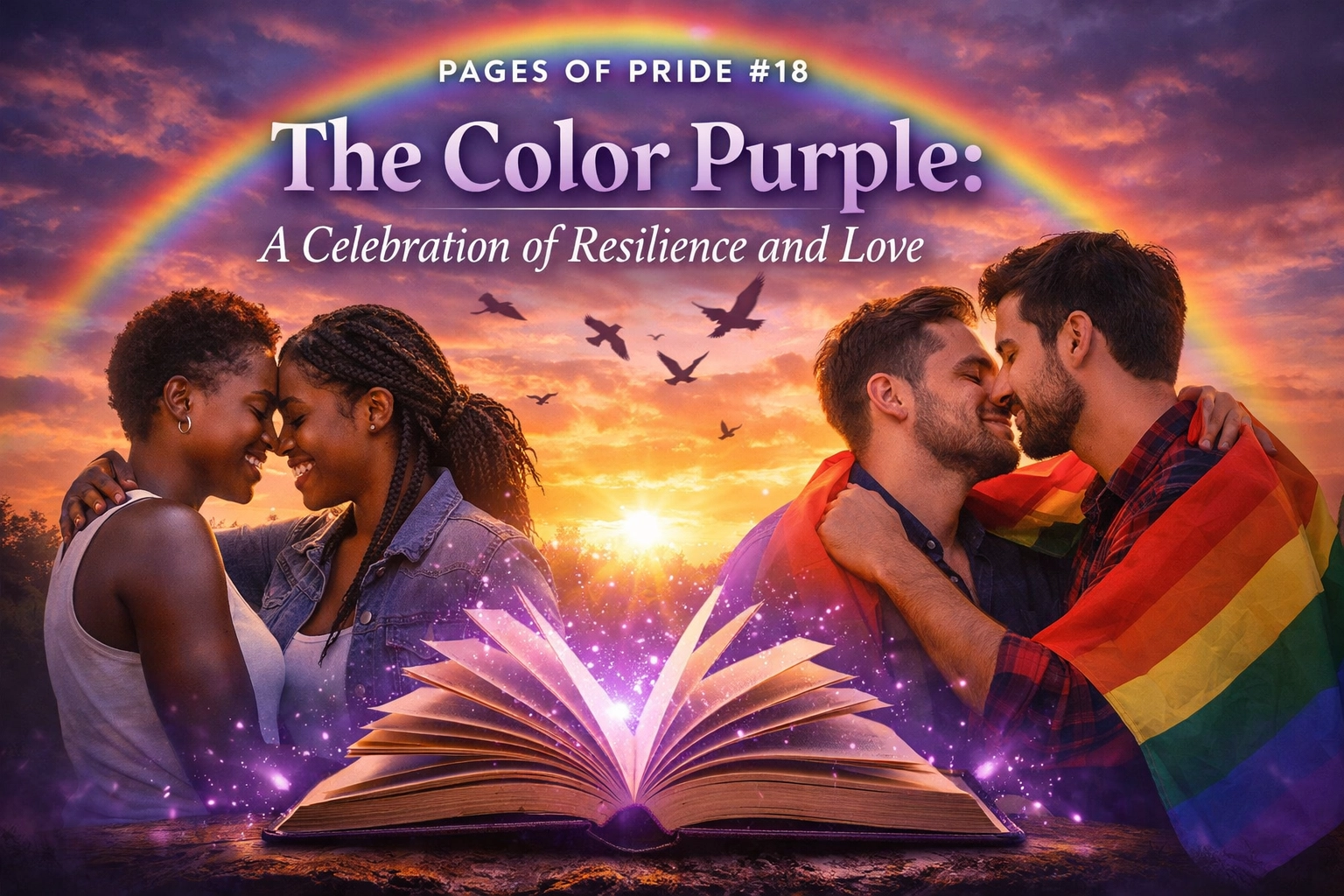
When we talk about groundbreaking LGBTQ+ literature, we need to talk about the books that didn't just whisper about queer love: they sang it from the rooftops, even when the world wasn't ready to listen. Alice Walker's The Color Purple is exactly that kind of book. Published in 1982 and awarded the Pulitzer Prize for Fiction in 1983, this epistolary novel didn't just break barriers; it shattered them with raw honesty, unflinching courage, and a love story that continues to resonate decades later.
A Love Letter in Purple Ink
The Color Purple tells the story of Celie, a young Black woman in rural Georgia during the early 20th century, who endures unspeakable abuse and hardship. Through letters to God and her sister Nettie, Celie chronicles her journey from brokenness to self-discovery, from silence to voice, from survival to living. And at the heart of this transformation? The electric, life-changing relationship with blues singer Shug Avery.
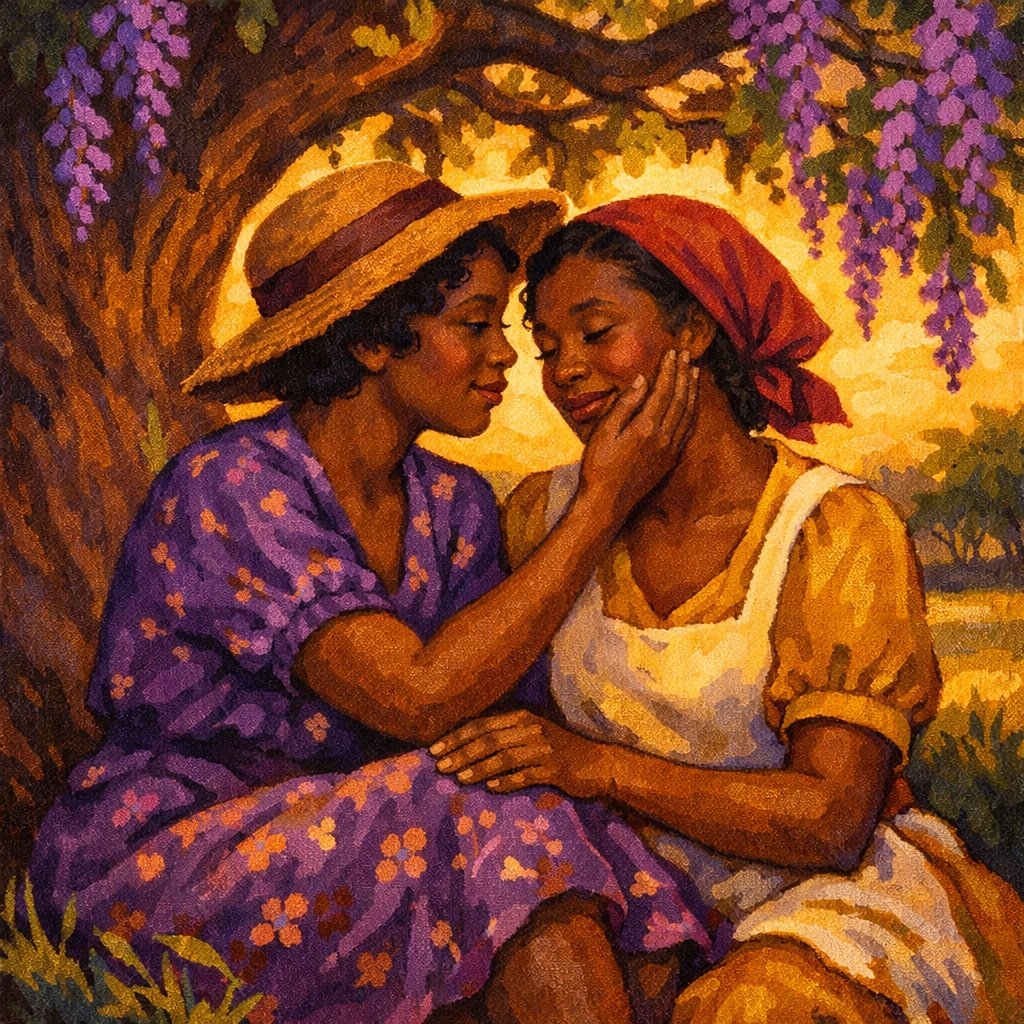
What makes this novel revolutionary isn't just that it features a lesbian relationship: it's how Walker portrays it. This isn't a tragic tale of forbidden love or a side plot whispered about in shadows. Celie and Shug's relationship is tender, passionate, healing, and absolutely central to Celie's journey toward self-love and liberation. In Shug, Celie finds not just romance, but the mirror she needs to see her own beauty, strength, and worth.
More Than a Love Story
While the romance between Celie and Shug is profoundly moving, The Color Purple operates on multiple levels of storytelling brilliance. Walker weaves together themes of racial oppression, gender violence, economic survival, and spiritual awakening into a tapestry that's both specifically rooted in Black Southern experience and universally human.
The novel doesn't shy away from the brutal realities of Celie's life: sexual abuse, domestic violence, poverty, and systemic racism. But what makes it endure as a literary classic isn't the trauma; it's the triumph. It's watching Celie find her voice, claim her sexuality, build economic independence, and ultimately choose love and forgiveness on her own terms.
This is queer Black literature at its finest: refusing to separate queerness from Blackness, refusing to sanitize either experience, and insisting that joy, pleasure, and love are not just possible but necessary, even in the face of oppression.
The Revolutionary Act of Black Queer Joy
In 1982, finding positive representations of queer relationships in mainstream literature was rare. Finding them in stories centered on Black women? Nearly impossible. Walker gave us something radical: she showed that queer love could be a source of healing rather than harm, of strength rather than shame.
The tenderness between Celie and Shug is electric on the page. When Shug teaches Celie about pleasure, about seeing herself as beautiful, about claiming joy in her own body: these moments are revolutionary acts of self-reclamation. This isn't just about sexual awakening; it's about Celie learning that she's worthy of gentleness, that her desires matter, that she deserves good things.
Epistolary Brilliance
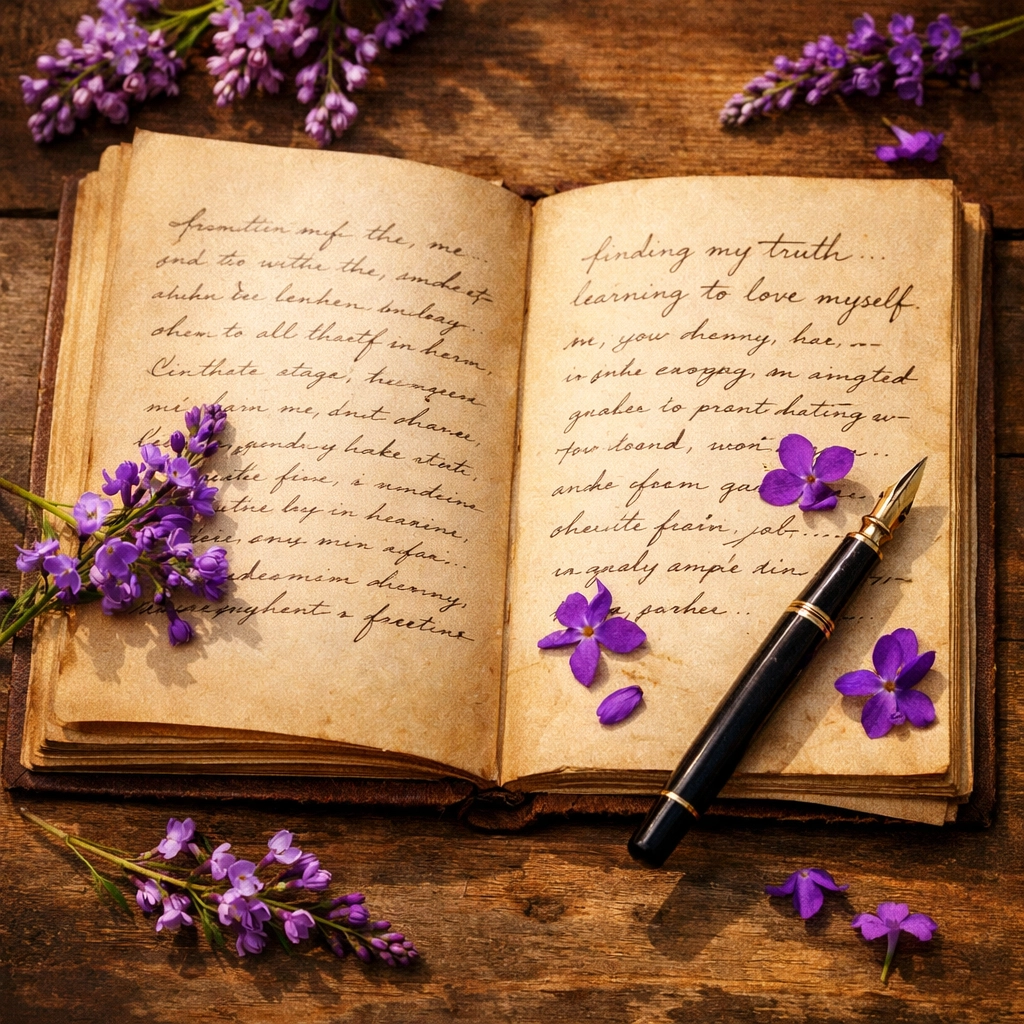
Walker's choice to tell this story through letters is genius. Celie's voice evolves throughout the novel: from broken, barely literate fragments to confident, articulate expressions of her truth. We watch her literally write herself into existence, claim her story, and transform her understanding of God, love, and herself.
The epistolary format also creates an intimacy that's perfect for this story. We're not just reading about Celie; we're reading with her, experiencing her revelations as she does, feeling the weight of what goes unsaid and the liberation of what finally gets expressed.
Impact and Legacy
The Color Purple didn't just win awards (though it did: Pulitzer Prize, National Book Award, and countless others). It sparked conversations about intersectionality before we had that vocabulary. It insisted that Black women's stories: especially queer Black women's stories: belonged in the literary canon.
The 1985 film adaptation directed by Steven Spielberg brought the story to even wider audiences, though it notably softened some of the novel's more explicitly queer elements. The 2005 Broadway musical and its recent revival have done more justice to the love between Celie and Shug, helping new generations discover this powerful story.
But here's the thing: while adaptations are beautiful, there's something irreplaceable about reading Walker's actual words. The novel captures nuances, internal transformations, and spiritual depths that no screen or stage can fully replicate.
Why It Still Matters
In 2026, why does a novel published over 40 years ago still deserve our attention? Because the work of liberation: racial, gender, sexual: is never finished. Because queer Black women still fight for visibility, for safety, for the right to tell their own stories. Because every generation needs to see themselves reflected in literature that says: you are worthy, you are beautiful, your love is sacred.
The Color Purple reminds us that gay literature and LGBTQ+ fiction isn't a modern invention. Queer people have always existed, loved, survived, and thrived. We just haven't always had the freedom to tell our stories openly. Walker claimed that freedom and used it to create something timeless.

Reading Recommendations
If you're moved by The Color Purple, consider exploring these other powerful works of queer Black literature:
- The Color of Water features themes of identity and self-discovery
- James Baldwin's Giovanni's Room explores queer desire and identity
- Audre Lorde's Zami: A New Spelling of My Name is a biomythography celebrating Black lesbian identity
- Jesmyn Ward's contemporary works continue exploring Black Southern lives with similar unflinching honesty
At Readwithpride.com, we celebrate all forms of LGBTQ+ romance and queer fiction: from classic gay literature to contemporary MM romance books. While The Color Purple centers a lesbian relationship, its themes of finding love, claiming identity, and building chosen family resonate across the entire queer spectrum.
The Bottom Line
The Color Purple is essential reading: not just for anyone interested in LGBTQ+ books or gay novels, but for anyone who believes in the transformative power of storytelling. Alice Walker gave us a masterpiece that refuses to separate the political from the personal, the spiritual from the sensual, the painful from the joyful.
Celie's journey from brokenness to wholeness, from isolation to community, from shame to pride, is one of literature's great triumphs. And the love she finds with Shug Avery? It's not just beautiful: it's revolutionary.
So pick up this literary classic. Let yourself be transformed by Celie's voice. Let yourself believe in the possibility of healing, of second chances, of finding love in unexpected places. Let yourself see why this novel remains a cornerstone of both American literature and queer fiction.
Because some books don't just tell stories: they change lives. The Color Purple is one of those books.
Discover more powerful LGBTQ+ stories and celebrate queer literature at Readwithpride.com. Follow us on Instagram, Facebook, and X/Twitter for daily recommendations, community conversations, and literary love.
#ReadWithPride #ThColorPurple #QueerBlackLiterature #LGBTQBooks #GayLiterature #LiteraryClassics #AliceWalker #QueerFiction #BlackQueerLove #LesbianLiterature #LGBTQReading #GayBooks #ClassicLGBTQ #PagesOfPride #QueerBookClub #LGBTQFiction #RepresentationMatters #QueerClassics #BookRecommendations #ReadQueer

Leave a Reply
You must be logged in to post a comment.