

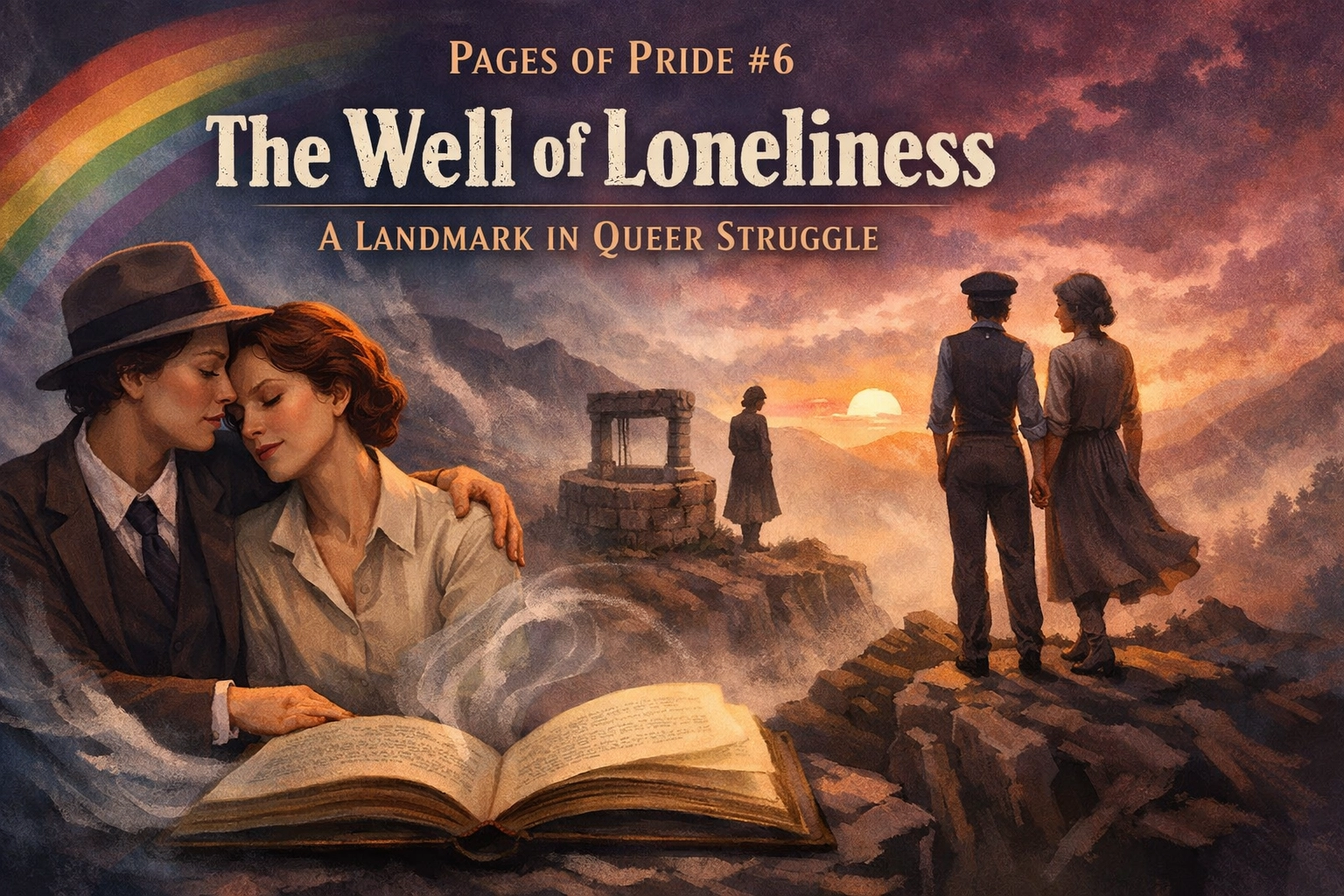
Sometimes a book doesn't just tell a story: it throws down the gauntlet. In 1928, Radclyffe Hall published The Well of Loneliness, and the literary world collectively lost its mind. This wasn't just another novel. This was a declaration, a plea, and a battle cry wrapped in 500 pages of unapologetic lesbian love and longing.
Nearly a century later, The Well of Loneliness remains one of the most significant works of gay literature in history. It's the book that dared to ask society a simple question: What if queer people deserve to exist?
When Silence Was the Only Option
Picture 1928. Jazz is hot, hemlines are rising, and being openly queer could land you in prison: or worse. Homosexuality was illegal in most of the world, classified as a mental illness, and polite society pretended LGBTQ+ people simply didn't exist. Love between women? That was so taboo that many people refused to believe it was even possible.
Into this suffocating silence stepped Radclyffe Hall, a wealthy English author who lived openly with her female partner. Hall wasn't interested in coded messages or subtle hints. She wanted to write a novel that portrayed lesbian identity with honesty, dignity, and compassion: something virtually unheard of in mainstream queer fiction.
The result was The Well of Loneliness, and it changed everything.
Meet Stephen Gordon: The Invert Who Demanded Recognition
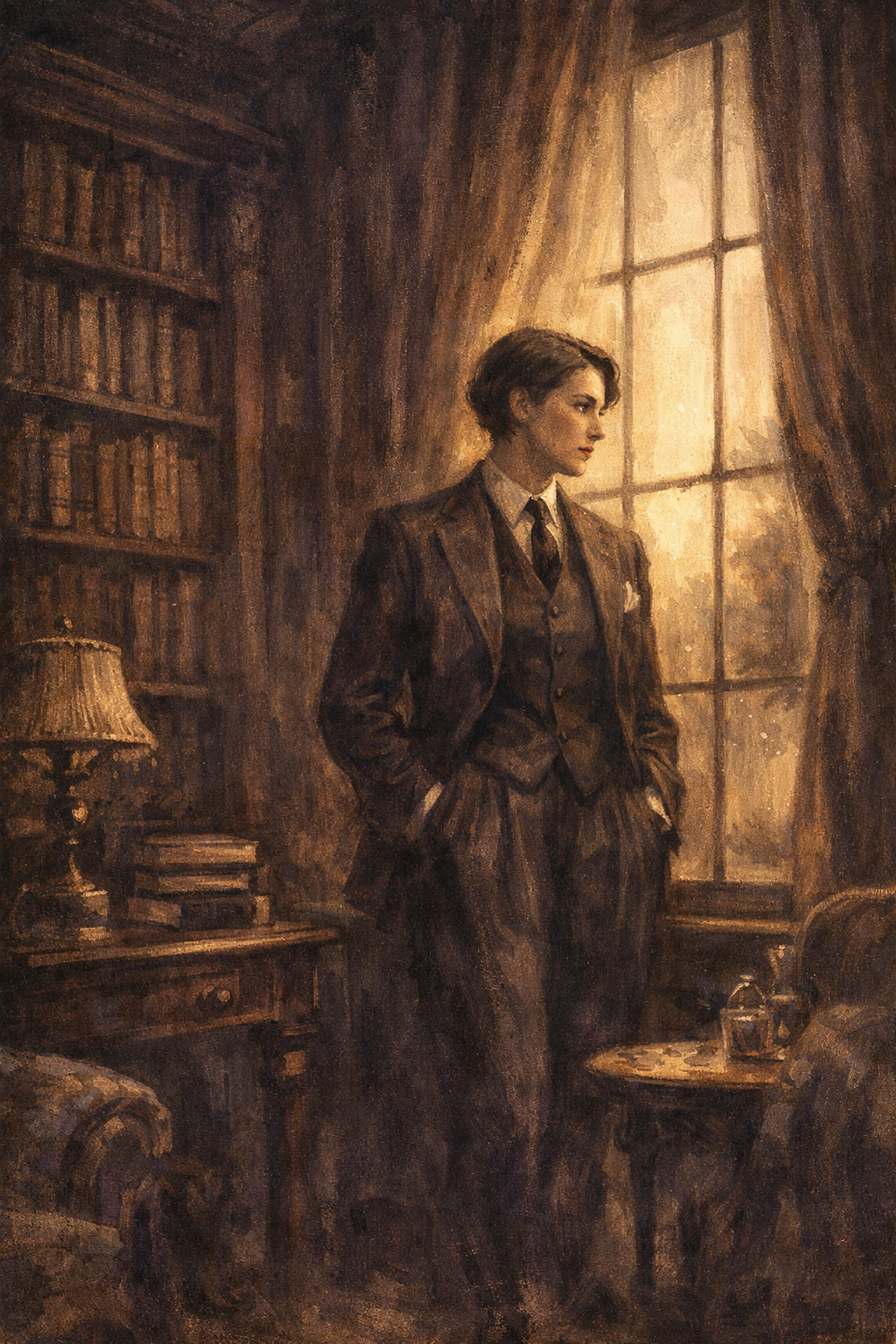
At the heart of the novel is Stephen Gordon, one of literature's most complex and controversial protagonists. Named by her father who desperately wanted a son, Stephen grows up knowing she's different. She's masculine in appearance and manner, drawn to other women, and fundamentally at odds with the rigid gender expectations of Edwardian England.
Today, we might read Stephen as trans masculine, non-binary, or simply as a butch lesbian. Hall used the term "invert": the pseudo-scientific language of the time: to describe Stephen's identity. But here's what made the book revolutionary: Hall didn't portray Stephen's sexuality as a disease, a choice, or a moral failing. Instead, she presented it as a natural, God-given state: a radical assertion that flew in the face of everything society believed.
Stephen's journey from confused child to self-aware adult mirrors the experience of countless queer people across generations. She falls in love with housemaids, feels ashamed of desires she can't name, and eventually finds community with other "inverts" in Paris. Hall captured something rarely seen in literature: the interior life of a queer person grappling with self-discovery in a world that offers no language, no role models, and no acceptance.
Love, Loss, and the Weight of Rejection
The novel's love story: between Stephen and a young woman named Mary Llewellyn: refuses to romanticize queer relationships or pretend they exist in a vacuum. Instead, Hall shows us the crushing reality of loving someone when society insists your love is shameful, sinful, and impossible.
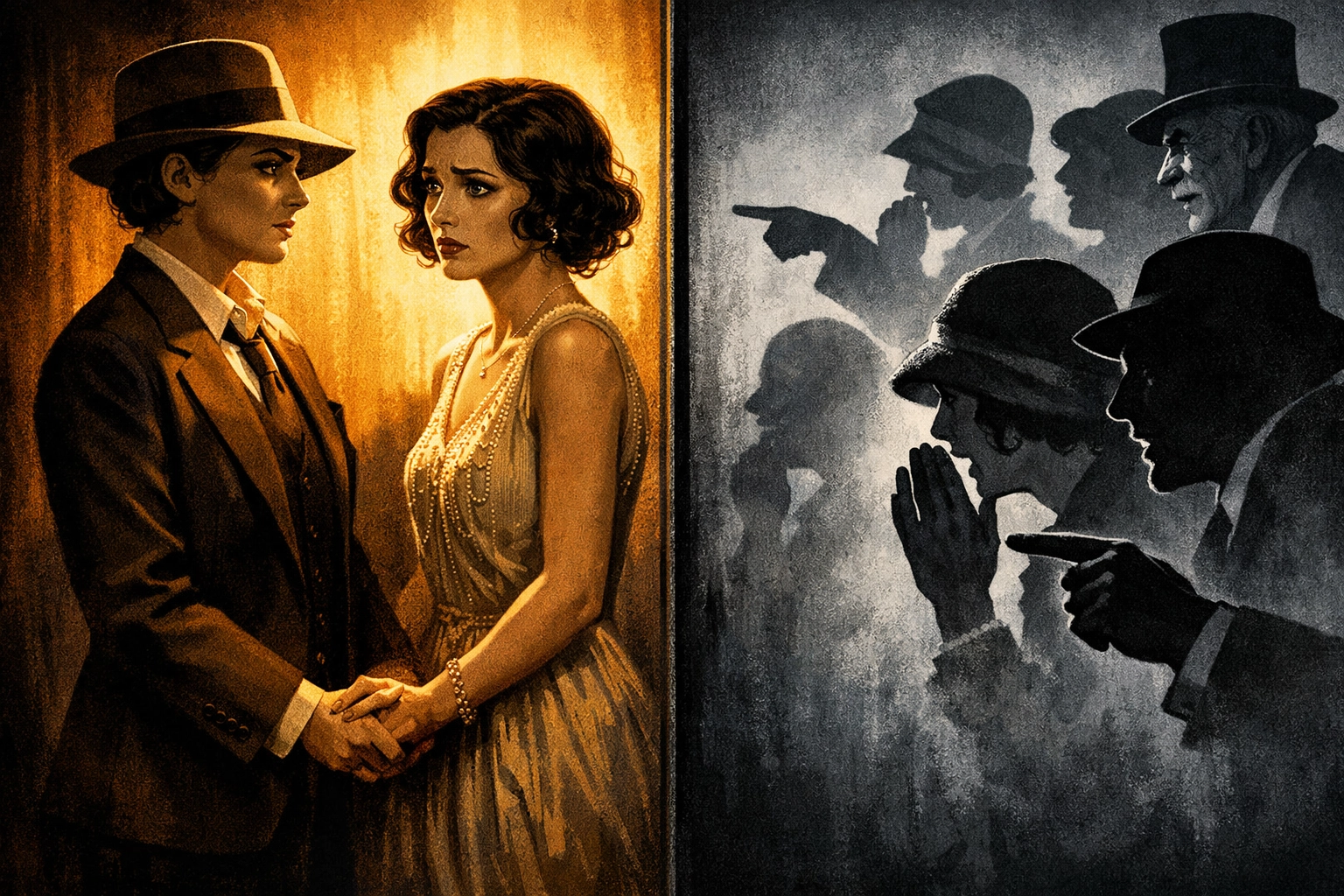
Stephen and Mary face relentless social isolation. Doors close. Friends vanish. Opportunities disappear. The novel doesn't shy away from depicting what Hall called "the typical sufferings of inverts": the depression, the self-loathing, the exhaustion of hiding who you are.
But this isn't misery porn. Hall's unflinching portrayal served a purpose: to show straight readers the human cost of their prejudice. Every rejection, every whispered insult, every moment of isolation was a mirror held up to society, asking: Is this who you want to be?
"Give Us Also the Right to Our Existence"
The novel's most famous line appears in its closing pages, when Stephen silently pleads on behalf of all "inverts": "Give us also the right to our existence."
It's not asking for celebration. It's not demanding pride parades or equal marriage. It's a simple, devastating request for the basic human right to exist without persecution. In 1928, even that modest plea was considered outrageous.
Hall structured the entire novel as a social argument. She wanted straight readers to empathize with Stephen, to understand that queer people weren't monsters or perverts: they were human beings worthy of dignity and respect. It was advocacy disguised as fiction, and it terrified the establishment.
The Trial That Made History
Of course, the British establishment didn't respond with understanding. They responded with prosecution.
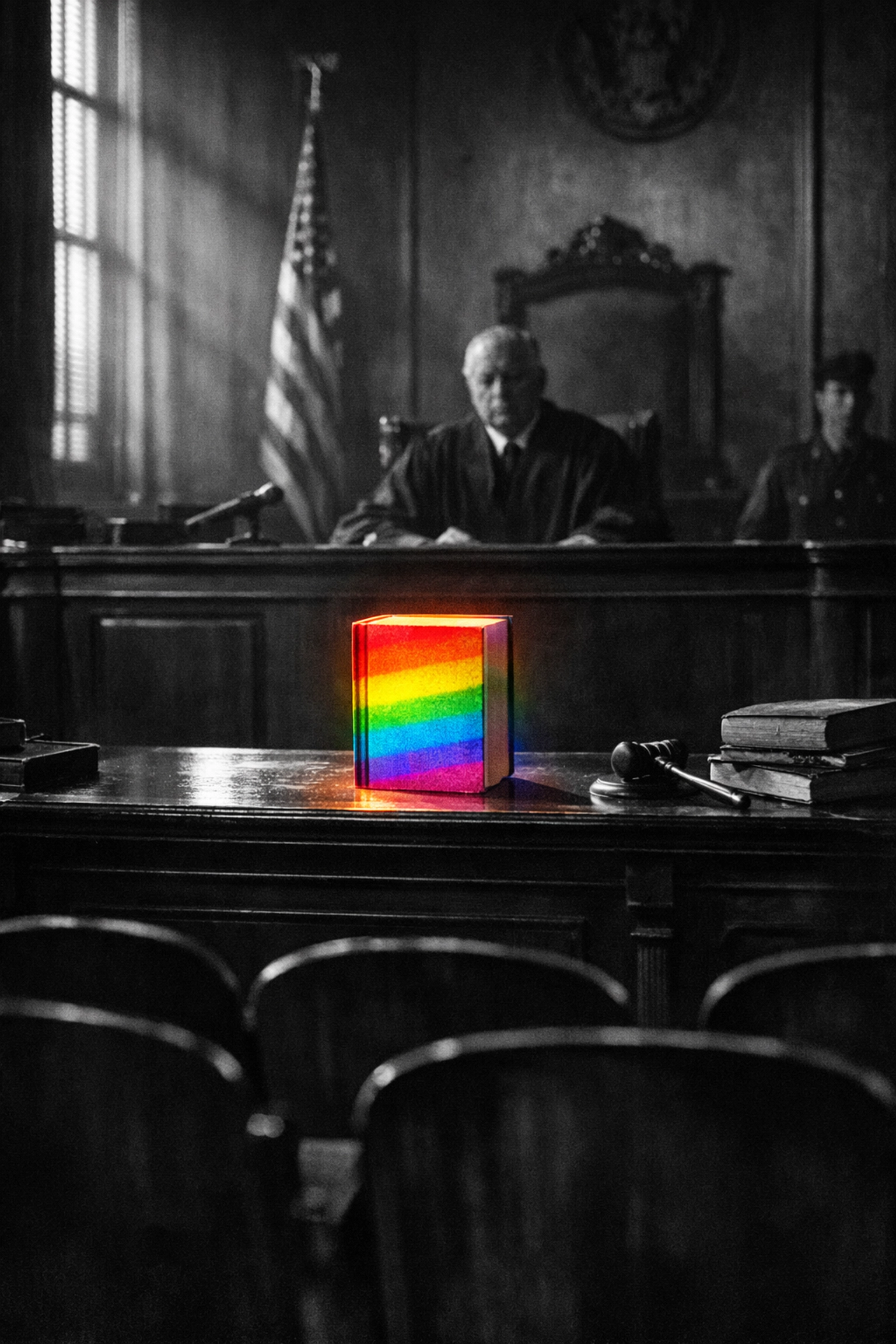
Shortly after publication, The Well of Loneliness was banned in the UK on obscenity charges. The trial became a media circus, with prominent figures testifying both for and against the novel. The prosecution argued that the book's sympathetic portrayal of lesbianism would corrupt innocent readers. The defense countered that it was a serious literary work addressing an important social issue.
The judge disagreed, declaring the book "obscene" and ordering all copies destroyed. The irony? There's not a single explicit sex scene in the entire novel. The "obscenity" was simply acknowledging that lesbian love exists.
The ban lasted for nearly 20 years in the UK, but it backfired spectacularly. The controversy made The Well of Loneliness famous worldwide. It became a underground sensation, passed hand-to-hand among queer women desperate to see themselves reflected in literature. The book that was meant to be silenced instead became a lifeline.
Why It Still Matters
Modern readers approaching The Well of Loneliness for the first time might find it dated. The language of "inversion" feels clinical. The internalized shame Stephen carries can be difficult to read. The tragic tone might seem at odds with contemporary MM romance and gay romance that centers joy and happy endings.
But context matters. This was 1928. Hall was writing during an era when admitting you were queer could destroy your life. The fact that she wrote a sympathetic queer protagonist at all was revolutionary. The fact that she demanded society grant LGBTQ+ people "the right to existence" was radical beyond measure.
The Well of Loneliness laid groundwork that every LGBTQ+ book since has built upon. It proved that queer stories deserved space in literature. It showed that queer characters could be complex, sympathetic, and fully human. It demonstrated that gay fiction could challenge social norms and change minds.
Without The Well of Loneliness, we might not have the explosion of queer fiction we enjoy today: from classics like Giovanni's Room to contemporary gay romance books that celebrate queer joy. Hall opened a door that generations of LGBTQ+ authors have walked through since.
Reading It Today
Should you read The Well of Loneliness in 2026? Honestly, it's complicated.
As a work of gay literature history, it's essential. Understanding where we came from helps us appreciate how far we've come. Seeing how Hall fought for visibility in 1928 makes our current fights for trans rights, marriage equality, and LGBTQ+ acceptance feel connected to a longer struggle.
But as entertainment? It's heavy. If you're looking for steamy MM romance books or heartfelt gay love stories with happy endings, this isn't it. The Well of Loneliness is a historical document, a piece of activism, and a time capsule of pain.
Read it with context. Read it with appreciation for Hall's courage. Read it knowing that thousands of queer women discovered themselves in Stephen Gordon's story and felt less alone.
And maybe read it alongside contemporary LGBTQ+ fiction that shows how much has changed: and how much work remains.
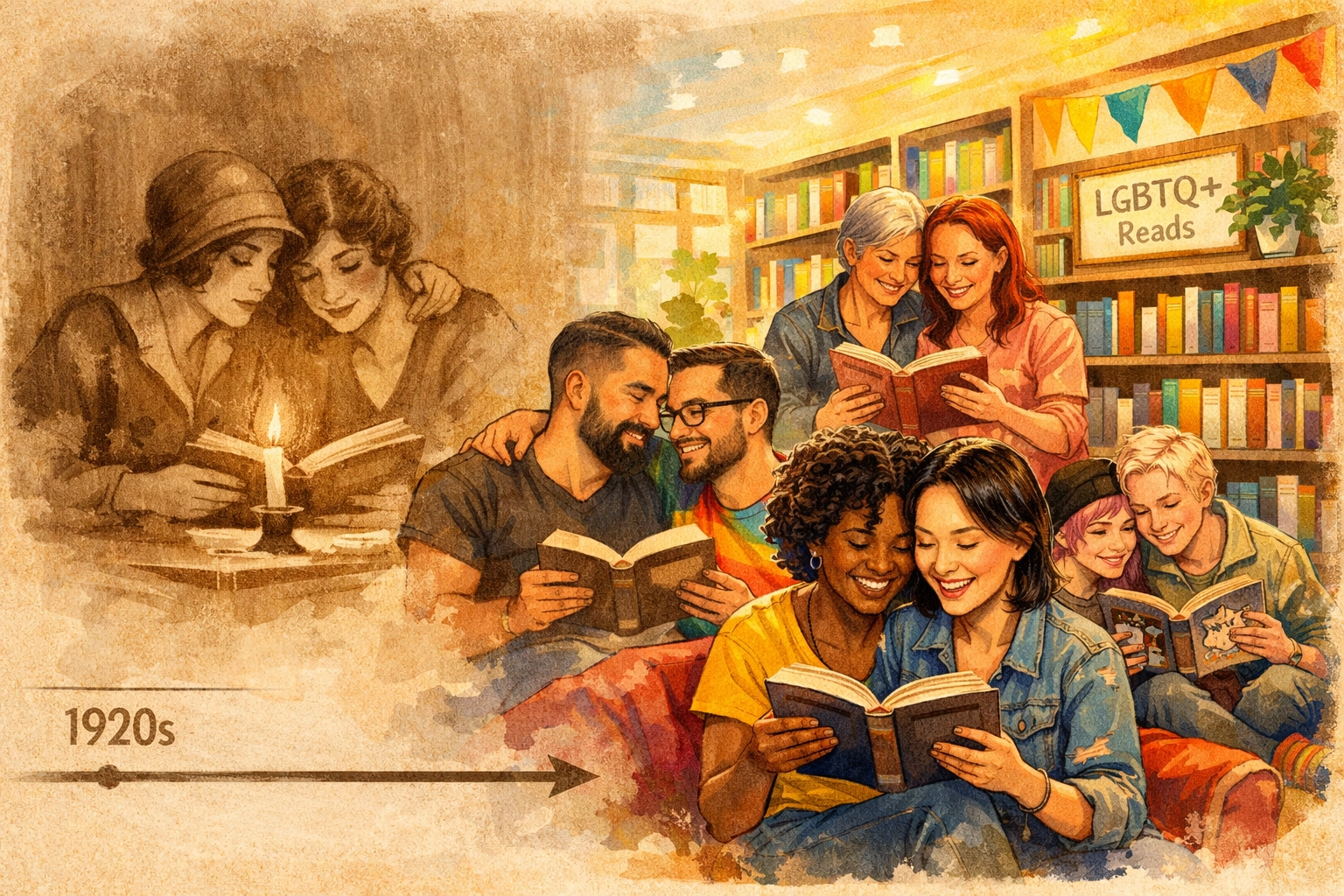
The Legacy Lives On
Nearly 100 years after publication, The Well of Loneliness remains relevant. Not because it's a perfect novel: it's not: but because it represents a crucial moment when a queer author refused to stay silent.
At Read with Pride, we celebrate books that challenge, books that comfort, and books that change the world. The Well of Loneliness did all three. It challenged society's assumptions about queer identity. It comforted generations of LGBTQ+ readers who found themselves in its pages. And it changed the world by insisting that queer people deserve dignity, recognition, and the right to exist.
That's the power of gay literature. That's why representation matters. That's why we read with pride.
Follow our journey celebrating LGBTQ+ literature:
- Instagram: @read.withpride
- Facebook: Read With Pride
- Twitter/X: @Read_With_Pride
- Website: www.readwithpride.com
#ReadWithPride #LGBTQBooks #GayLiterature #LesbianClassics #QueerFiction #GayLiteratureHistory #TheWellOfLoneliness #RadclyffeHall #LGBTQHistory #QueerClassics #GayBookClub #LGBTQReading #HistoricalLGBTQ #LesbianLiterature #PrideReading #GayBooks #LGBTQEbooks #QueerAuthors #GayRomanceBooks #MMRomance #LGBTQFiction2026

Leave a Reply
You must be logged in to post a comment.