

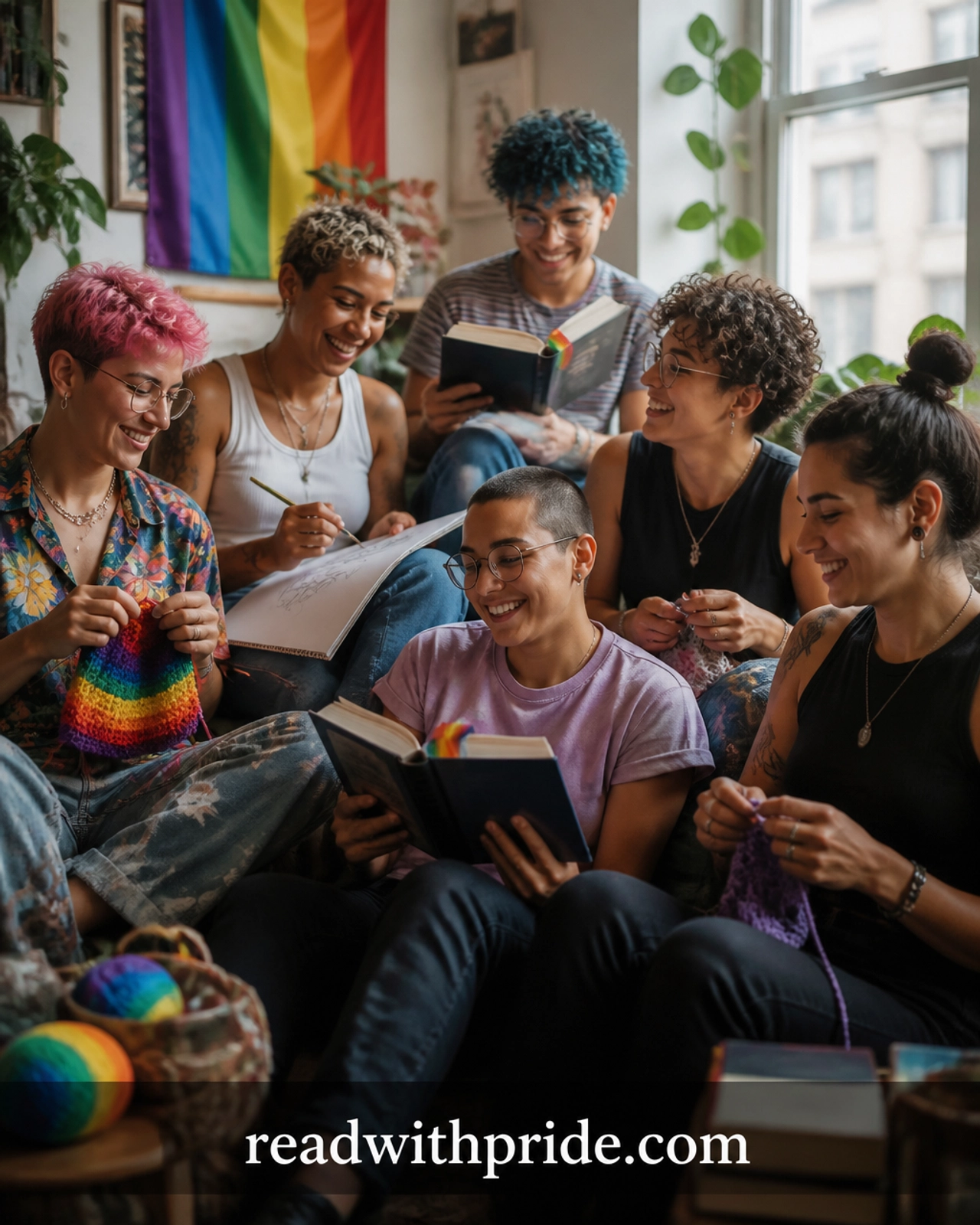
Let’s be honest: sometimes, the bar scene just isn’t it. While we all love a good drag brunch or a late-night dance floor, there’s something uniquely special about connecting over a shared passion that doesn't involve a two-drink minimum. Whether it’s knitting a slightly lopsided scarf, arguing over the best enemies to lovers MM romance trope, or planting a community garden that could make a cottagecore influencer weep, queer hobbies are the secret sauce to building a lasting, authentic community.
In 2026, the landscape of "found family" is evolving. We’re moving beyond just meeting up; we’re making things, breaking things, and building networks that sustain us. If you’re looking to dive into something new, here are 10 things you should know about building queer community through shared passions.
1. Found Family is a Real-Life Trope
In the world of MM romance books, the "found family" trope is a fan favorite for a reason. In real life, hobbies are the primary way we find our tribe. When you join a queer-specific hobby group: be it a pottery class or a hiking club: you’re not just learning a skill. You’re stepping into a space where your identity is the baseline, not the exception. This shared understanding allows for deeper connections to form much faster than they would in "general" interest groups.
2. The "Enemies-to-Lovers" Energy of Queer Sports

There is nothing quite like the high-stakes (but mostly low-stakes) drama of a queer kickball league or a competitive board game night. It’s the perfect setting for a real-life enemies to lovers arc. You start as rivals on opposite teams, exchange some witty banter over a contested play, and three weeks later, you’re grabbing post-game drinks and realizing they’re actually quite charming. Queer sports and gaming leagues prioritize inclusivity and fun over hyper-competitiveness, making them a safe space for those of us who were always picked last in gym class.
3. Craft Circles: The Original "Huddling for Warmth"
Before there were apps, there were quilting bees. Today, queer craft circles: lovingly dubbed "Stitch 'n' Bitch" sessions: are thriving. These spaces are essentially the "forced proximity" trope but with more yarn. Sitting together and working with your hands lowers the pressure of face-to-face conversation. It’s the perfect environment for a slow burn friendship or romance to develop. Plus, there’s something incredibly radical about reclaiming traditional crafts as a form of queer joy and self-sufficiency.
4. Book Clubs: The "Only One Bed" of Literary Analysis

If you’re a reader (and if you’re here at Readwithpride.com, we know you are), joining a queer book club is a game-changer. It’s not just about the books: though discussing the latest 2026 gay books is a thrill. It’s about the vulnerability of sharing how a story made you feel. Whether you’re diving into steamy MM romance or heart-wrenching queer fiction, these discussions build intellectual and emotional bridges. It’s like the "there was only one bed" trope; you’re forced into a space of emotional intimacy that’s hard to find elsewhere.
5. Queer Choirs: Harmonizing the Resistance
There is a primal power in raising your voice with fifty other queer people. Queer choirs have been a staple of our community for decades, serving as both a creative outlet and a form of grassroots organizing. Singing together requires a level of trust and synchronization that naturally builds strong community bonds. Whether you’re a seasoned pro or someone who only sings in the shower, the collective harmony of a queer choir is an emotional experience that’s hard to beat.
6. Gaming: Navigating Quests and Connections
From Dungeons & Dragons campaigns set in queer-friendly universes to cozy Stardew Valley multiplayer farms, gaming has become a massive hub for the LGBTQ+ community. Digital spaces allow for a level of accessibility that physical meetups sometimes lack. In these virtual worlds, we can explore our identities and build relationships across the globe. It’s the ultimate way to find a partner who appreciates your "healer" energy as much as your personality.
7. Zines: Grassroots Organizing as an Art Form

The DIY spirit of zine-making is deeply rooted in queer history. Zines are a way to tell our stories without filters or gatekeepers. Starting a zine collective is a fantastic way to engage in community building and activism simultaneously. It’s tactile, it’s rebellious, and it’s a physical manifestation of our shared experiences. Plus, trading zines at local queer fairs is the ultimate "meet-cute" opportunity for the artistic souls among us.
8. Gardening: Growing Roots (Literally)

Queer ecology is having a major moment in 2026. Community gardens and plant-swapping groups offer a way to connect with the earth and each other. There’s a beautiful metaphor in gardening: the patience, the nurturing, and the growth: that mirrors how we build our communities. Whether you have a green thumb or you’ve never touched a trowel, working side-by-side in a garden is a peaceful, grounded way to meet like-minded people.
9. Skill-Sharing: The Ultimate Slow Burn
Why pay for a generic workshop when you can learn how to fix a bike or cook a five-course meal from a member of your own community? Skill-sharing is a form of mutual aid that strengthens the community's self-reliance. It’s the ultimate "slow burn" of community building; you learn a little bit about the skill and a lot about the person teaching it. These interactions build a network of support that goes beyond the hobby itself.
10. Starting Your Own: Your Sun-Drenched Epilogue
If you can’t find the specific group you’re looking for: start it! Whether it’s a "Gay Men Who Love Horror Novels" club or a "Lesbian Woodworking" workshop, chances are there are others searching for the exact same thing. Building a community from the ground up is the most rewarding hobby of all. It’s the sun-drenched epilogue of your personal story, where you create the very space you once needed.
Why It Matters
In a world that can often feel isolating, these shared passions are our lifelines. At Read with Pride, we believe that stories: whether they are the ones we read in gay novels or the ones we live out through our hobbies: are what hold us together. We aren't just an LGBTQ+ ebooks platform; we’re a destination for those who value authentic representation and connection.
So, go out there and find your hobby. Maybe you'll find your next great love, or maybe you'll just find a group of friends who finally understand your obsession with MM fiction. Either way, you're building something beautiful.
Ready to find your next obsession?
Explore our curated collection of gay romance books and MM romance books at Readwithpride.com. Whether you love a good gay contemporary romance or a thrilling gay fantasy romance, we have the perfect story waiting for you.
Don't forget to follow our journey and join the conversation on Facebook and Instagram.
#ReadWithPride #LGBTQBooks #MMRomance #QueerHobbies #CommunityBuilding #GayFiction #FoundFamily #2026GayBooks
{“@type”:”BlogPosting”,”image”:[“https://cdn.marblism.com/bB612HmJpXI.webp”,”https://cdn.marblism.com/VF27NRAuRcg.webp”,”https://cdn.marblism.com/wk5w3ge4csP.webp”,”https://cdn.marblism.com/o7YYtsht6qu.webp”,”https://cdn.marblism.com/FtjNDWnOUfs.webp”],”author”:{“name”:”Read with Pride”,”@type”:”Organization”},”@context”:”https://schema.org”,”headline”:”Looking For New Queer Hobbies? Here Are 10 Things You Should Know About Community Building Through Shared Passions”,”publisher”:{“logo”:{“url”:”https://cdn.marblism.com/3frC7pIx901.jpg”,”@type”:”ImageObject”},”name”:”Read with Pride”,”@type”:”Organization”},”description”:”Discover how shared passions and hobbies build lasting LGBTQ+ communities. From queer book clubs to gardening, learn 10 ways to find your found family in 2026.”,”datePublished”:”2026-06-06T08:00:00Z”,”mainEntityOfPage”:{“@id”:”https://readwithpride.com/blog/queer-hobbies-community-building”,”@type”:”WebPage”}}

Leave a Reply
You must be logged in to post a comment.