

readwithpride.com
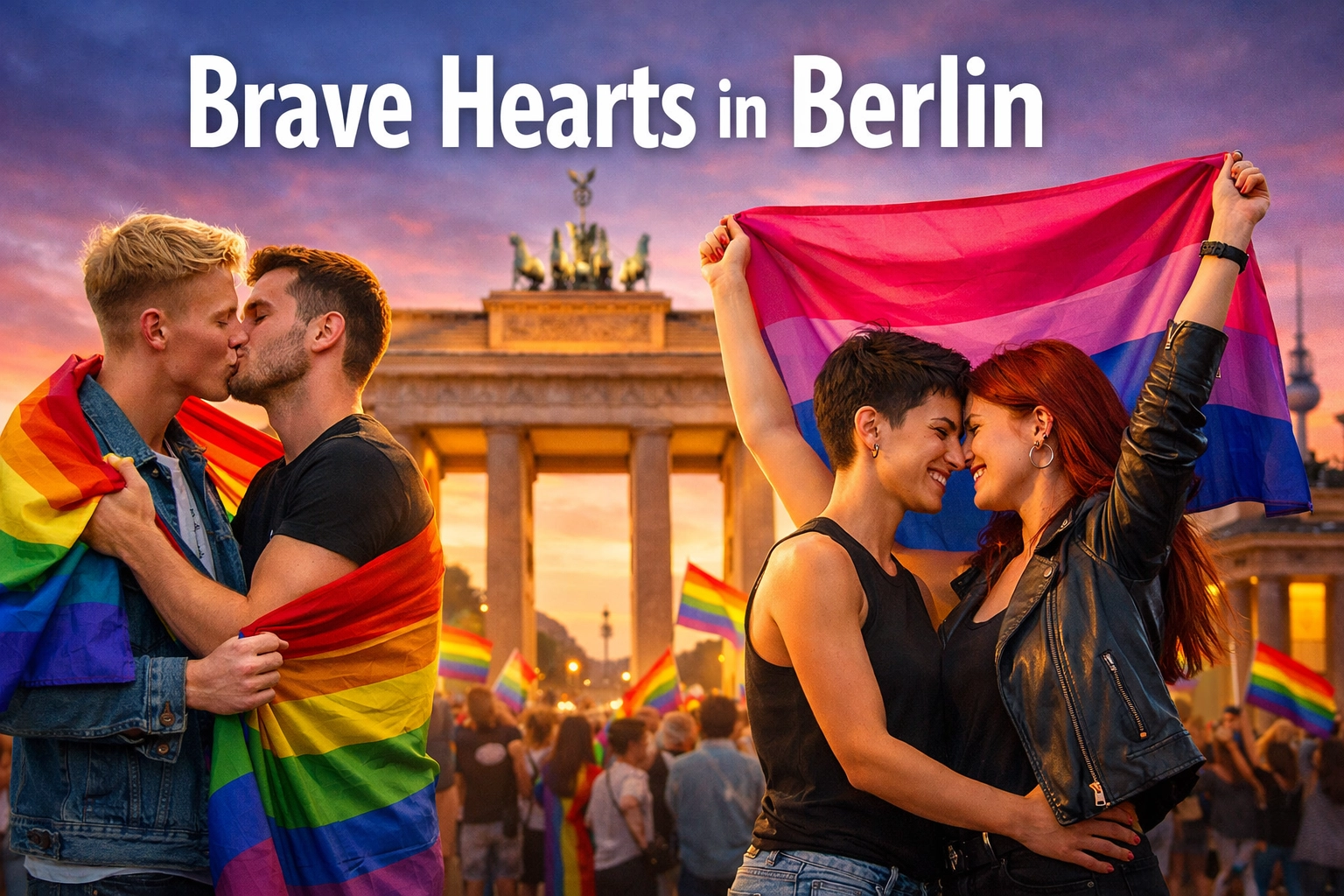
Berlin has always been a city of courage: from its tumultuous history to its vibrant, unapologetically queer present. But some of the bravest hearts aren't making headlines or walking red carpets. They're sitting at kitchen tables, taking deep breaths, and finding the words to tell their families who they really are.
This is the story of Lukas, a sixteen-year-old living in Berlin's Prenzlauer Berg district, and the evening that changed everything.
The Weight of Words Unspoken
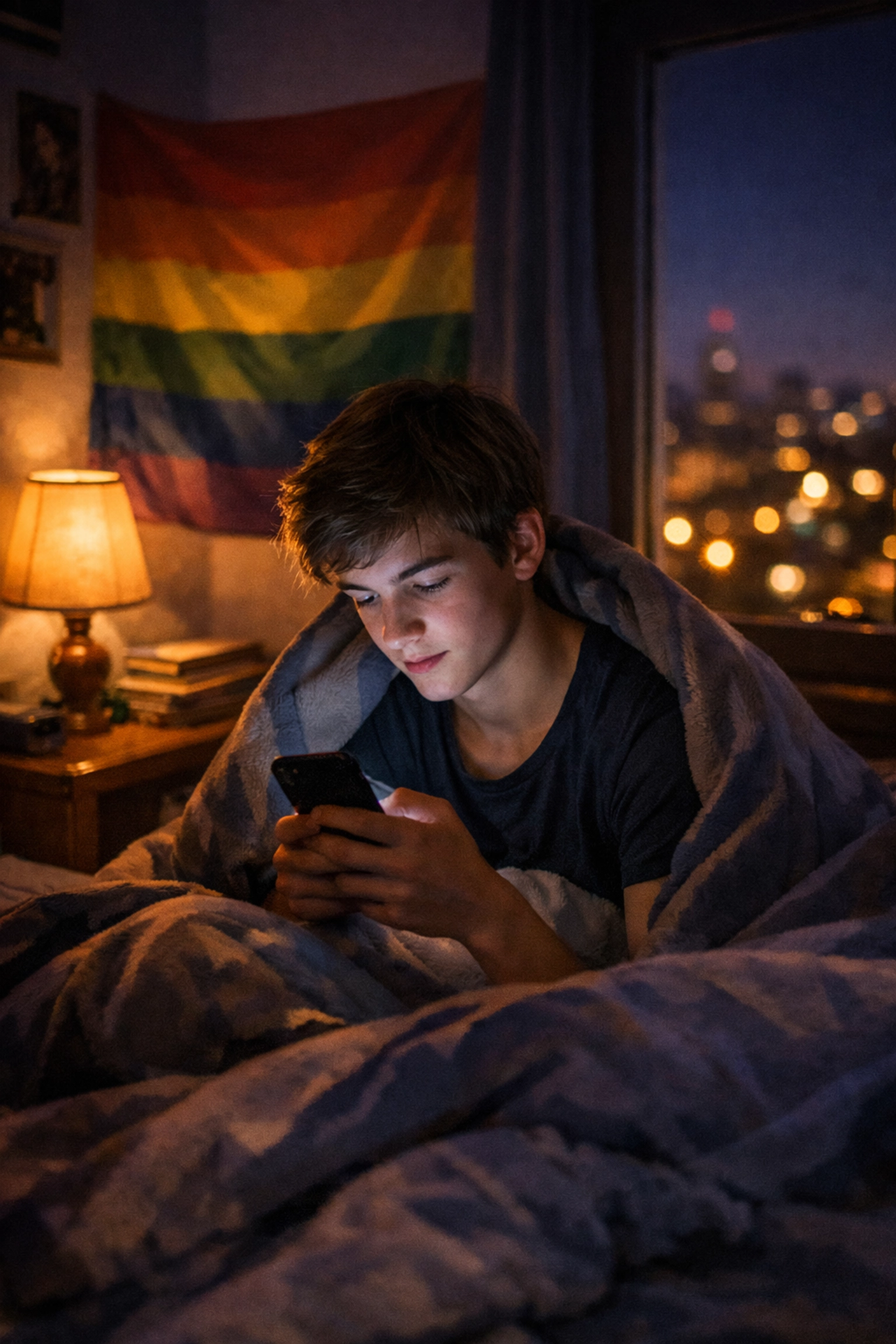
Lukas had known since he was twelve. Maybe even earlier, if he's being honest with himself. While his classmates were covered in posters of female pop stars, he found himself lingering on Instagram profiles of male actors, feeling something he couldn't quite name at first. By fourteen, he had the words for it. By fifteen, he'd found community online, reading gay romance novels from Read with Pride late into the night, his phone hidden under his pillow like a secret treasure.
But knowing who you are and saying it out loud to the people you love most? That's a different kind of bravery altogether.
His parents, Claudia and Stefan, were the kind of liberal Germans who voted Green, recycled religiously, and had gay friends from university. They'd taken him to Pride parades when he was younger, before he knew what any of it meant for him personally. On paper, they should have been easy to tell.
But paper doesn't capture the trembling hands, the racing heart, the voice that threatens to crack at the worst possible moment.
An Ordinary Evening, An Extraordinary Moment
It was a Thursday in November: grey outside, warm inside their fourth-floor apartment that smelled perpetually of coffee and his mother's lavender candles. They were clearing dinner dishes when Lukas said it, the words tumbling out before he could stop them.
"Ich bin schwul." I'm gay.
Three words. Three syllables in German. A lifetime of weight.
The clatter of dishes stopped. His mother turned from the sink, suds still on her hands. His father looked up from the table, reading glasses perched on his nose. The moment stretched, endless and terrifying.
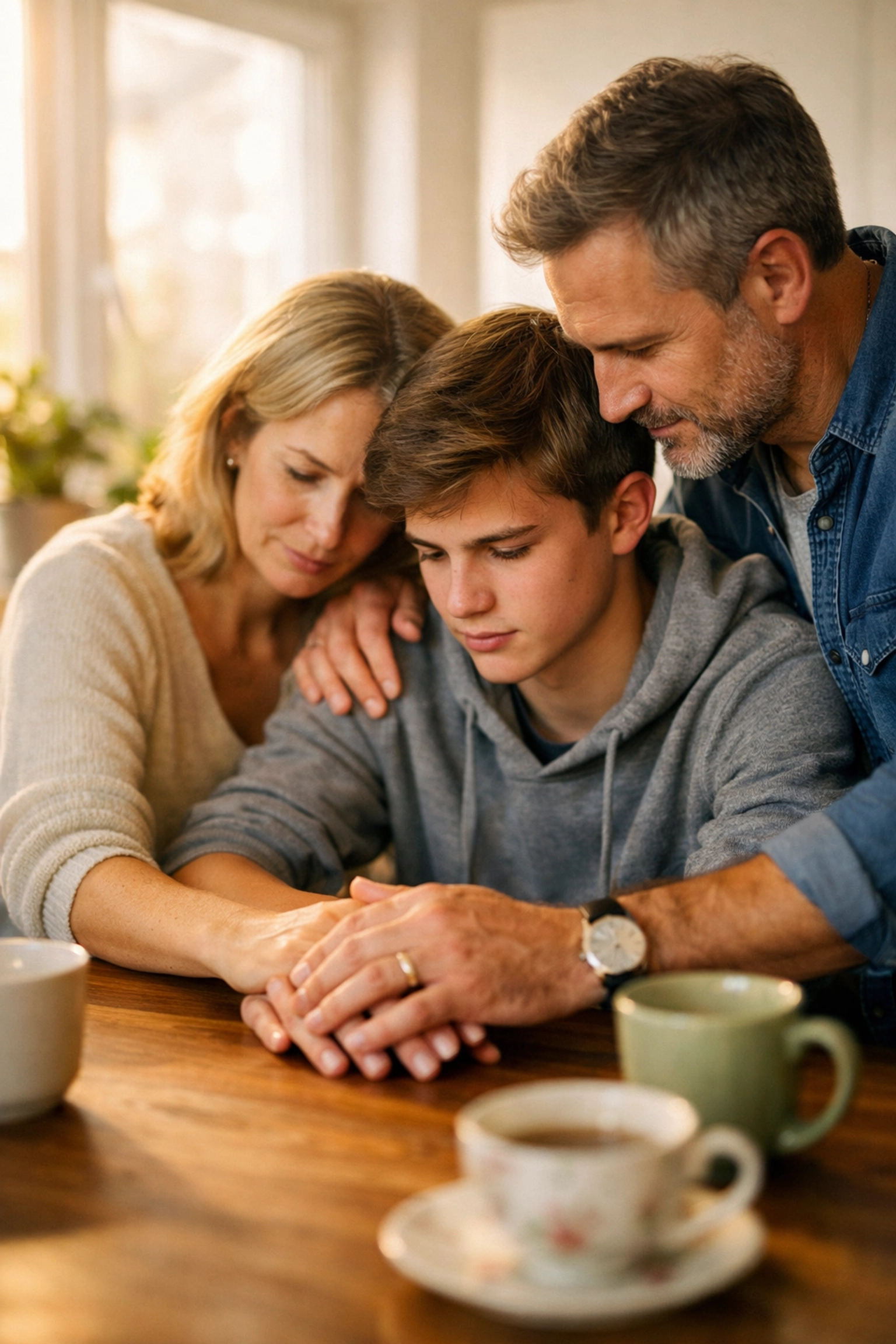
Then his mother crossed the kitchen in three quick steps and pulled him into a hug so tight he could barely breathe. "My brave, beautiful boy," she whispered into his hair. "Thank you for trusting us."
His father joined them, wrapping his long arms around them both. "We love you, Lukas. Exactly as you are. Nothing changes that."
The German Way: Open Communication as Love Language
What happened next is distinctly characteristic of modern German parenting: particularly in urban, educated families. They didn't make it about themselves. They didn't cry or dramatize. They sat down, made tea (because Germans solve everything with tea and conversation), and talked.
Really talked.
Claudia asked gentle questions: How long had he known? Was he seeing anyone? Did he feel safe at school? Stefan shared a story about a cousin who'd come out in the '90s, when things were harder. They acknowledged their own learning curve, admitting they'd probably make mistakes but promising to try their best.
"We want you to live authentically," his father said, a word that sounds even more meaningful in German: authentisch. "Not just with us, but everywhere. That's what matters."
This approach: direct, honest, emotionally intelligent: reflects a broader cultural shift in Germany, especially in cities like Berlin, Munich, and Hamburg. German families increasingly prioritize open dialogue over traditional hierarchies. Parents view themselves less as authority figures and more as guides, creating spaces where difficult conversations can happen without shame.
Life After Coming Out
The weeks that followed weren't perfect, but they were real. His mother bought him a copy of "Red, White & Royal Blue" in English and a German translation of "Call Me By Your Name." His father suggested they watch "Love, Simon" together on family movie night: slightly awkward, but touching in its earnestness.
They asked him about attending LGBTQ+ youth groups. Lukas declined at first, not ready, but appreciated being asked. They changed nothing about him, but everything about how openly they could all live together.
His younger sister, Emma, thirteen and perpetually dramatic, asked the question everyone seemed to be thinking: "So when are you getting a boyfriend?"
"Emma!" their mother chided.
But Lukas laughed. The first real, unguarded laugh he'd had in months. "I'm working on it."
The Broader Berlin Context
Berlin isn't just tolerant of its LGBTQ+ residents: it celebrates them. The city hosts one of Europe's largest Pride celebrations, with over 500,000 attendees. Neighborhoods like Schöneberg and Kreuzberg are vibrant queer hubs where rainbow flags hang year-round, not just in June.
German law has evolved significantly: same-sex marriage became legal in 2017, adoption rights are protected, and discrimination based on sexual orientation is illegal. Schools increasingly include LGBTQ+ topics in sex education, and many have anti-bullying programs specifically addressing homophobia.
But laws and parades can only do so much. The real work happens in living rooms and at dinner tables, in moments when parents choose love over fear, understanding over judgment.
Finding Community Beyond Home
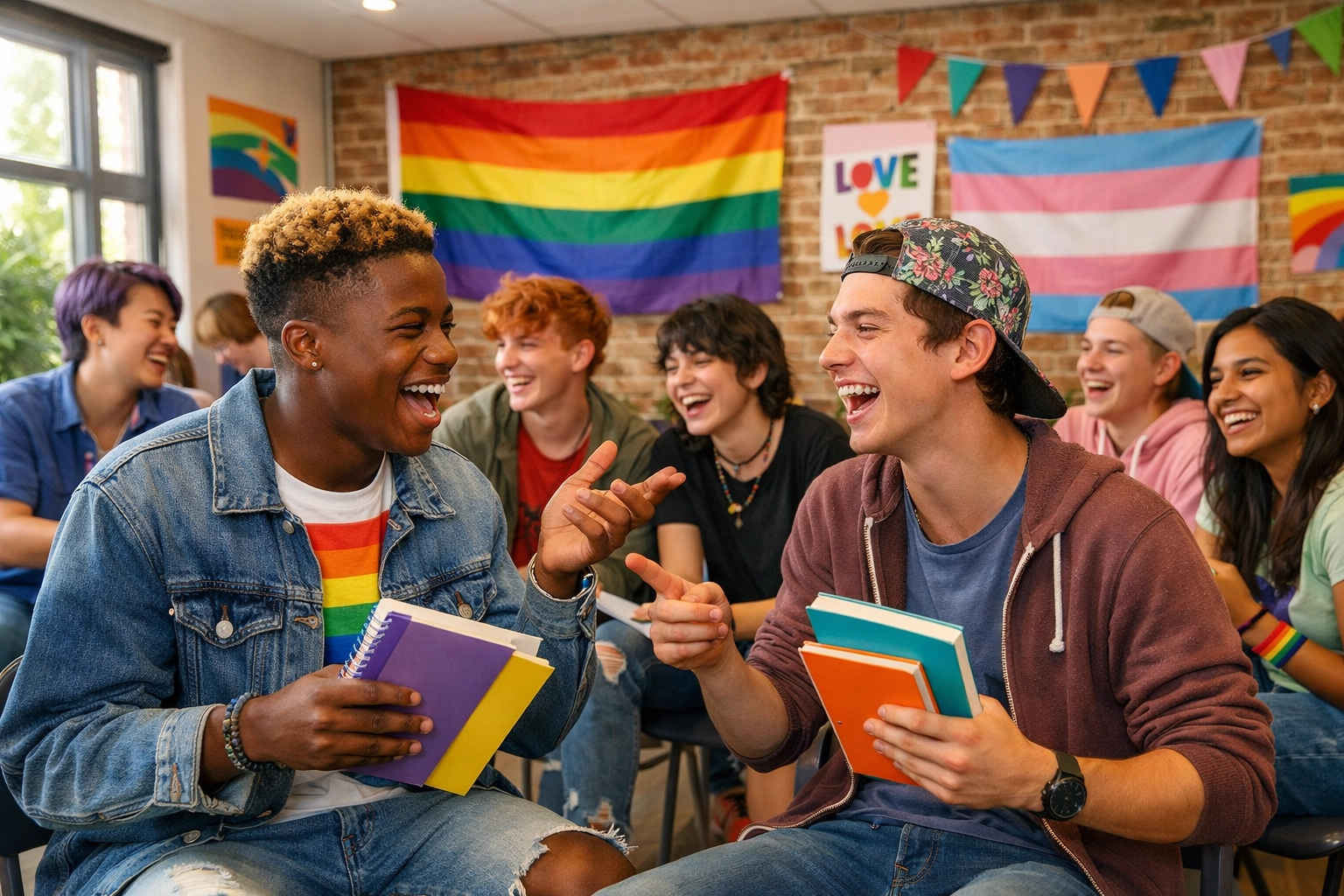
Three months after coming out, Lukas started attending a weekly youth group at Sonntagsclub, a legendary LGBTQ+ community center in Friedrichshain. He was nervous that first evening, climbing the stairs to the second-floor meeting room. But as soon as he walked in and saw other teens like him: laughing, talking, being ordinarily extraordinary: something inside him settled.
He wasn't alone.
He met Max there, a seventeen-year-old from Wedding who recommended books from Read with Pride that had helped him through his own coming out journey. They traded favorite MM romance titles, debating the merits of enemies-to-lovers versus friends-to-lovers tropes with the seriousness of literary scholars.
"My parents are reading gay fiction now," Max laughed. "My mom finished three gay romance books last month. She keeps asking me if my life is that dramatic. I'm like, 'Mom, I'm doing homework, not solving international incidents.'"
But that's the beautiful thing about LGBTQ+ fiction: it gives everyone, regardless of their identity, a window into experiences they might not otherwise understand. Lukas's mother had started following Read with Pride on Instagram and asking for recommendations to better understand her son's world.
What Brave Really Means
Coming out isn't a single moment: it's a continuous choice to live authentically. Lukas still has to come out repeatedly: to new classmates, eventually to extended family, someday to coworkers. Each time requires its own small act of courage.
But that first moment, with his parents in their Berlin kitchen, taught him something crucial: bravery isn't the absence of fear. It's trusting that love is stronger than fear, that honesty builds deeper connections than hiding ever could.
His story isn't unique to Berlin or Germany. Across the world, young people are finding the courage to speak their truth, and families are learning to listen with open hearts. But there's something particularly hopeful about this generation of European families who are choosing communication, education, and unconditional love as their north star.
Resources and Representation Matter
Lukas credits books: particularly gay novels and MM romance books: with helping him understand himself before he could articulate it to others. Seeing characters who felt like him, who struggled and loved and lived fully authentic lives, gave him permission to imagine that future for himself.
That's why representation matters. That's why platforms like Read with Pride exist: to provide mirrors for those who need to see themselves reflected, and windows for those who need to understand experiences different from their own.
Whether you're in Berlin or Boston, Melbourne or Manchester, everyone deserves to see their story told with dignity, authenticity, and hope. Everyone deserves to know they're not alone.
Moving Forward with Pride
Today, Lukas wears a small rainbow pin on his backpack. It's subtle, but it's there. A quiet declaration that he's done hiding, done shrinking himself to fit into boxes that were never built for him.
His parents occasionally get things wrong: his father still makes awkward jokes, his mother worries too much: but they're trying, and that's what matters. They've created a home where he can bring future boyfriends to dinner, where conversations about dating are normalized, where he never has to pretend to be someone he's not.
In a city that's seen so much history, so much change, so many different kinds of courage, Lukas and his family represent the quiet bravery of everyday authenticity. The courage to love openly, to communicate honestly, to build families based on acceptance rather than expectation.
That's the Berlin he knows. That's the world he's helping to create.
Discover more stories of courage, love, and authenticity at readwithpride.com. Follow us on Facebook, Instagram, and X for daily LGBTQ+ content and book recommendations.
#ReadWithPride #LGBTQYouth #ComingOutStories #GayRomance #MMRomance #QueerFiction #BerlinPride #LGBTQFamily #GayBooks #AuthenticLiving #PrideMonth #QueerYouth #GayFiction #LGBTQCommunity #GayLoveStories #MMBooks #QueerRepresentation #GayRomanceBooks #LGBTQReading #ComingOut2026

Leave a Reply
You must be logged in to post a comment.