

readwithpride.com
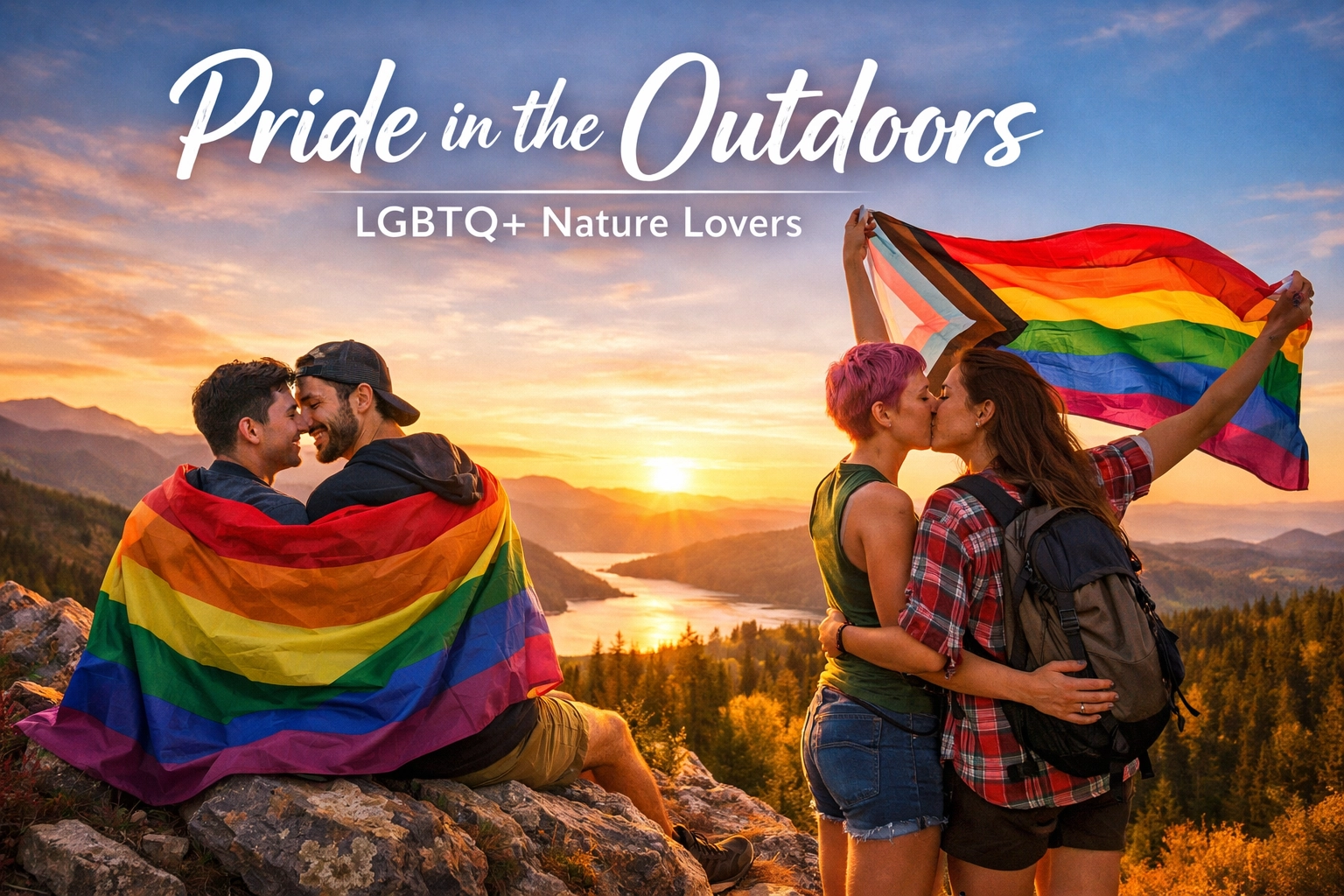
There's something profoundly queer about loving the outdoors. Maybe it's the freedom of standing on a mountain peak where nobody cares who you love. Maybe it's the authenticity of a forest that accepts you exactly as you are. Or maybe it's just that we've always known how to find our people in unexpected places: and now, those places include trail heads, campgrounds, and wilderness expeditions.
For too long, the outdoors felt like it belonged to everyone except us. Hiking groups, camping trips, and nature clubs often carried an unspoken heteronormativity that made LGBTQ+ folks feel like outsiders in spaces that should have been everyone's birthright. But that's changing, and it's changing because queer and trans nature lovers are reclaiming the trails, one hiking boot at a time.
The Rise of Queer Outdoor Spaces
The explosion of LGBTQ+ outdoor organizations over the past decade isn't just a trend: it's a movement. Groups like Pride Outside, founded in 2016 by Hannah Malvin in Washington, D.C., are creating intentional spaces where queer folks can connect with nature without the anxiety of wondering if they'll be accepted. They host hikes, outdoor skills classes, and even LGBTQ+ history walking tours that blend community building with conservation education.
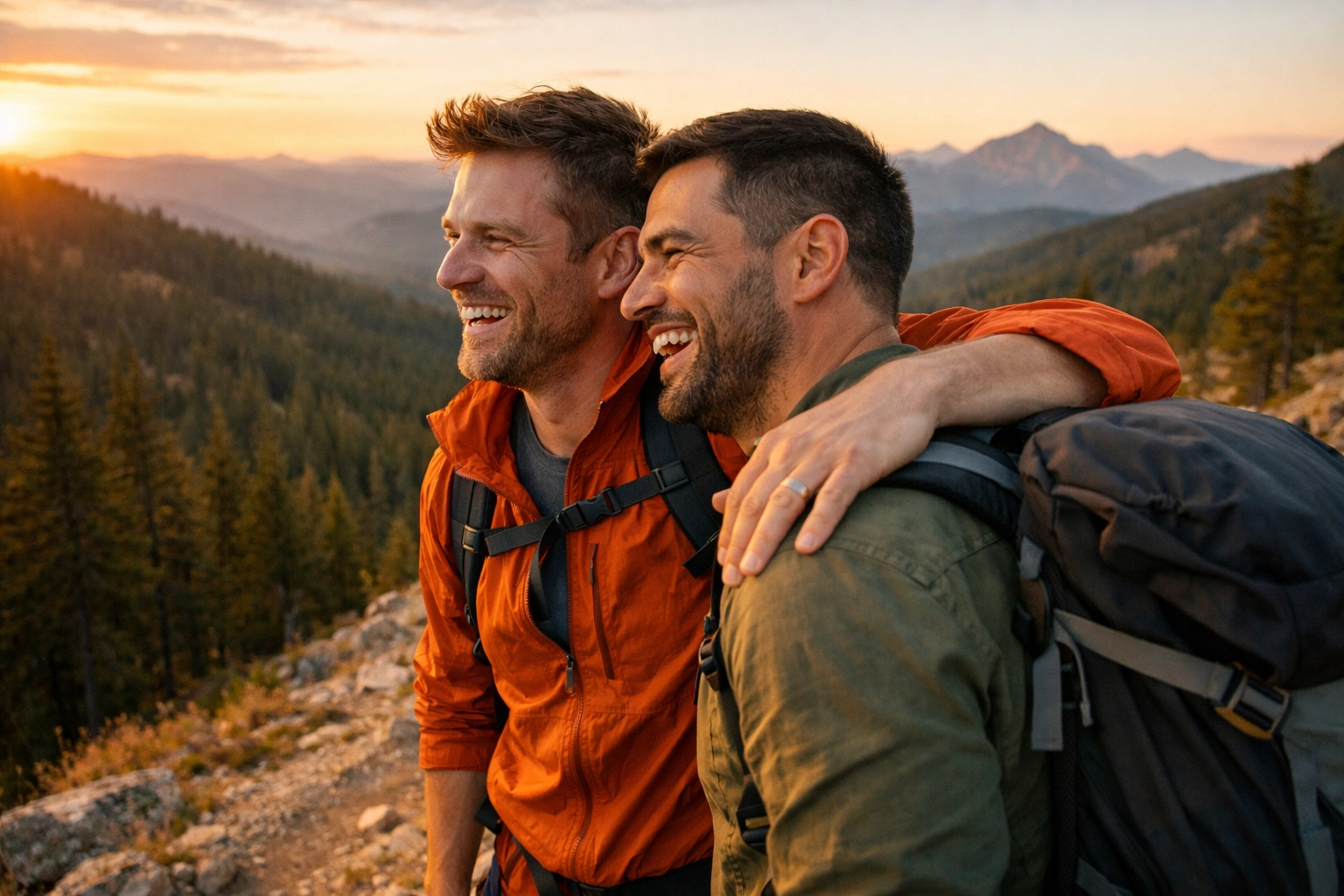
What started as small, grassroots meetups has evolved into a nationwide network. Pride Outside partnered with The Wilderness Society to create the LGBTQ Outdoor Groups Map, which now lists over 50 queer outdoor organizations across the United States. From coast to coast, there's likely a queer hiking group, camping collective, or outdoor adventure club near you.
The Venture Out Project takes things even further, organizing multi-day backpacking and wilderness expeditions specifically for LGBTQ+, queer, and trans communities. Since 2015, they've taken approximately 300 hikers on trips ranging from beginner-friendly day hikes to challenging backcountry adventures. They even offer transgender inclusion workshops, recognizing that creating truly safe outdoor spaces requires ongoing education and commitment.
Why Safe Spaces Matter in the Wild
You might wonder why LGBTQ+ folks need separate outdoor groups when nature itself is inherently welcoming. The answer is simple: nature might not judge, but people do. Many queer and trans individuals have experienced microaggressions, stares, or outright hostility on trails or in campgrounds. When you're miles from civilization, that discomfort can feel isolating: even unsafe.
Queer outdoor organizations eliminate that anxiety. They create environments where you can hold your partner's hand on the trail, use your correct pronouns without explanation, and exist fully as yourself while challenging your physical limits. That psychological safety transforms the outdoor experience from something tolerated to something celebrated.
LGBT Outdoors, an international nonprofit based in North Texas with chapters across the US, Canada, and Italy, proves that this need for community transcends borders. Their model of connecting people through social media, local chapters, and organized events like hiking and camping trips has resonated globally, showing that the desire for queer-affirming outdoor spaces is universal.
Intersectionality on the Trail
The most progressive LGBTQ+ outdoor organizations recognize that queerness intersects with other identities: race, body size, disability, neurodivergence: and they're building programs that reflect that reality. Wild Diversity specifically focuses on creating connections to nature for Black, Indigenous, and people of color (BIPOC) and LGBTQ2S+ communities through outdoor adventures, education programs, and youth leadership development.
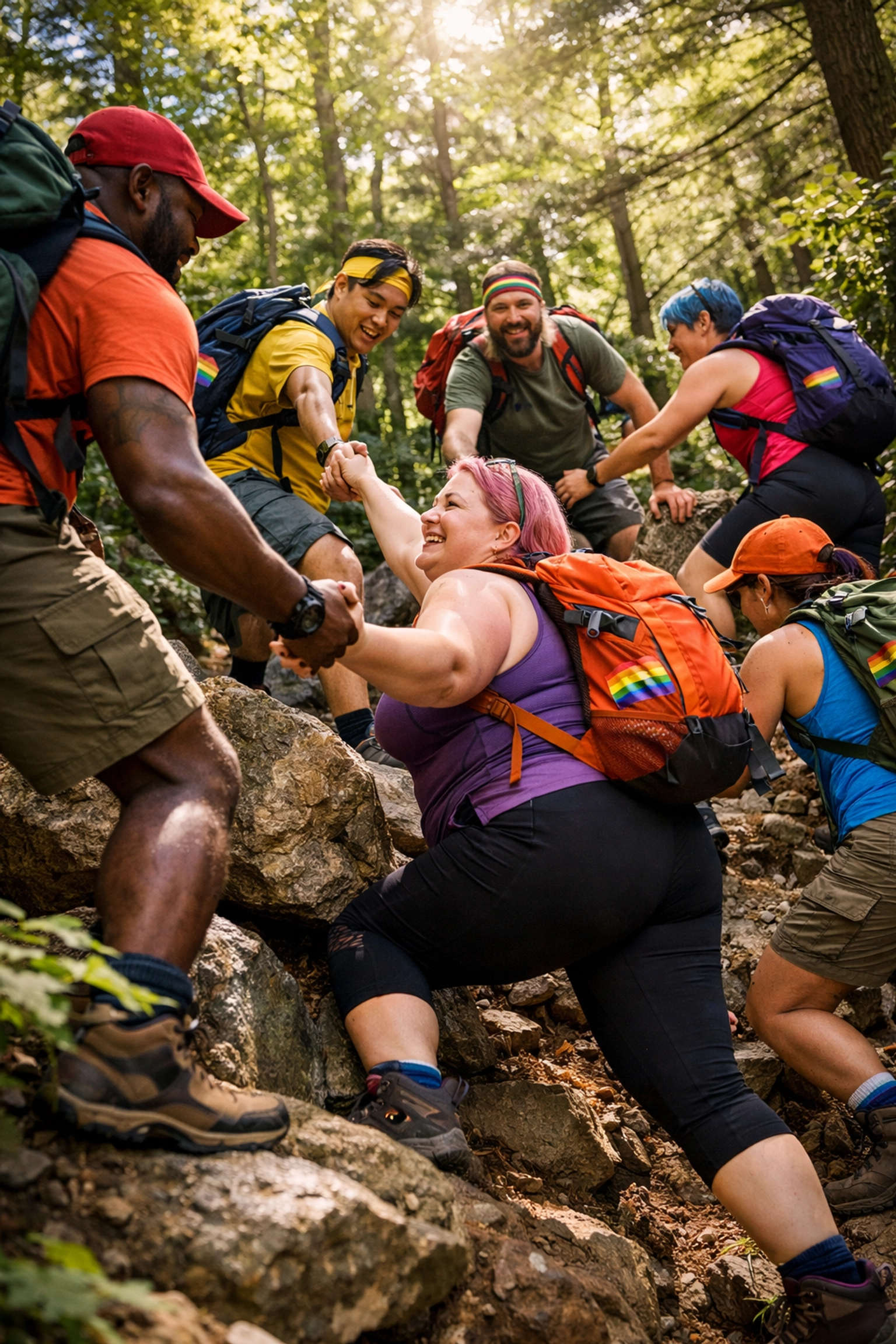
Unlikely Hikers has carved out space as an anti-racist, body-liberating outdoor community organizing hikes for marginalized populations including plus-size individuals, queer and trans people, disabled and neurodivergent people, and those experiencing multiple intersecting identities. Their approach challenges the conventional image of who "belongs" in outdoor spaces: typically thin, white, able-bodied, straight folks: and replaces it with something far more representative of actual humanity.
QPOC Hikers in the Pacific Northwest specifically serves Queer People of Color, hosting accessible hikes that prioritize community solidarity and actively work to reduce barriers to outdoor participation. They understand that for many QPOC folks, the outdoors carries additional layers of historical trauma and exclusion that need to be acknowledged and addressed.
Building the Next Generation of Queer Outdoors People
Perhaps most importantly, organizations are investing in LGBTQ+ youth and their relationship with nature. Brave Trails operates what's recognized as the world's first summer camp and community space specifically for LGBTQ+ youth in California. Beyond seasonal camping, they offer year-round mental health services, leadership programs, and meet-up groups that help young queer people develop confidence both in nature and in themselves.
For many LGBTQ+ kids who face rejection or isolation at school or home, these outdoor programs provide transformative experiences. They get to see queer adult role models navigating rapids, setting up tents, and leading expeditions: living proof that being gay, trans, or queer doesn't limit what you can do or where you can go.
Queer Nature takes an educational approach, facilitating nature-based workshops and multi-day immersions designed to be financially, emotionally, and physically accessible to LGBTQ2+ people and queer and trans BIPOC communities. Their programs teach practical wilderness skills while fostering connection to the land and to each other.
The Connection Between Queerness and Nature
There's something poetic about the affinity between LGBTQ+ folks and the natural world. Both exist outside rigid societal categories. Both remind us that diversity isn't just acceptable: it's essential for thriving ecosystems, whether we're talking about forests or communities. Both challenge us to see beyond the constructed binaries that limit our understanding of the world.
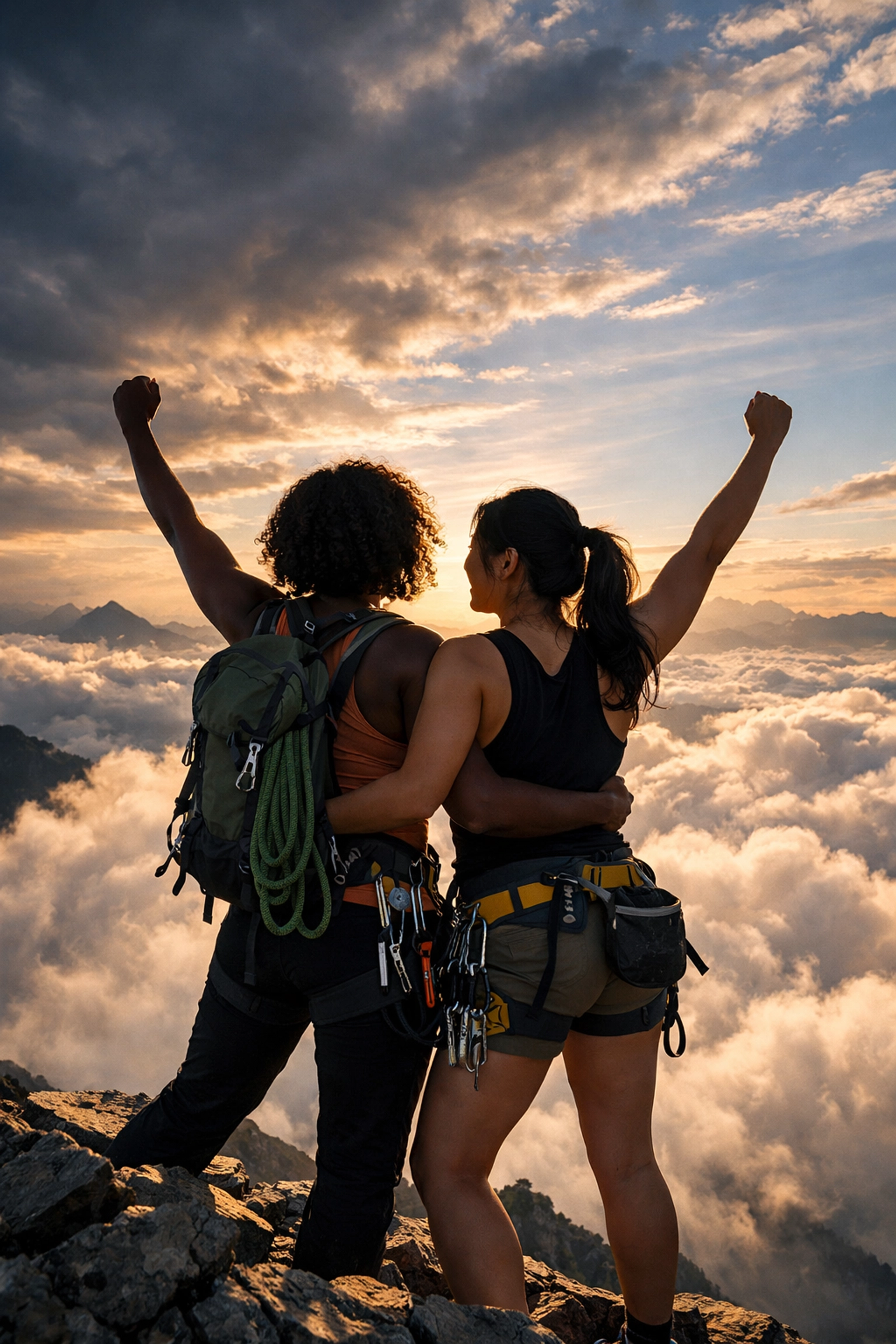
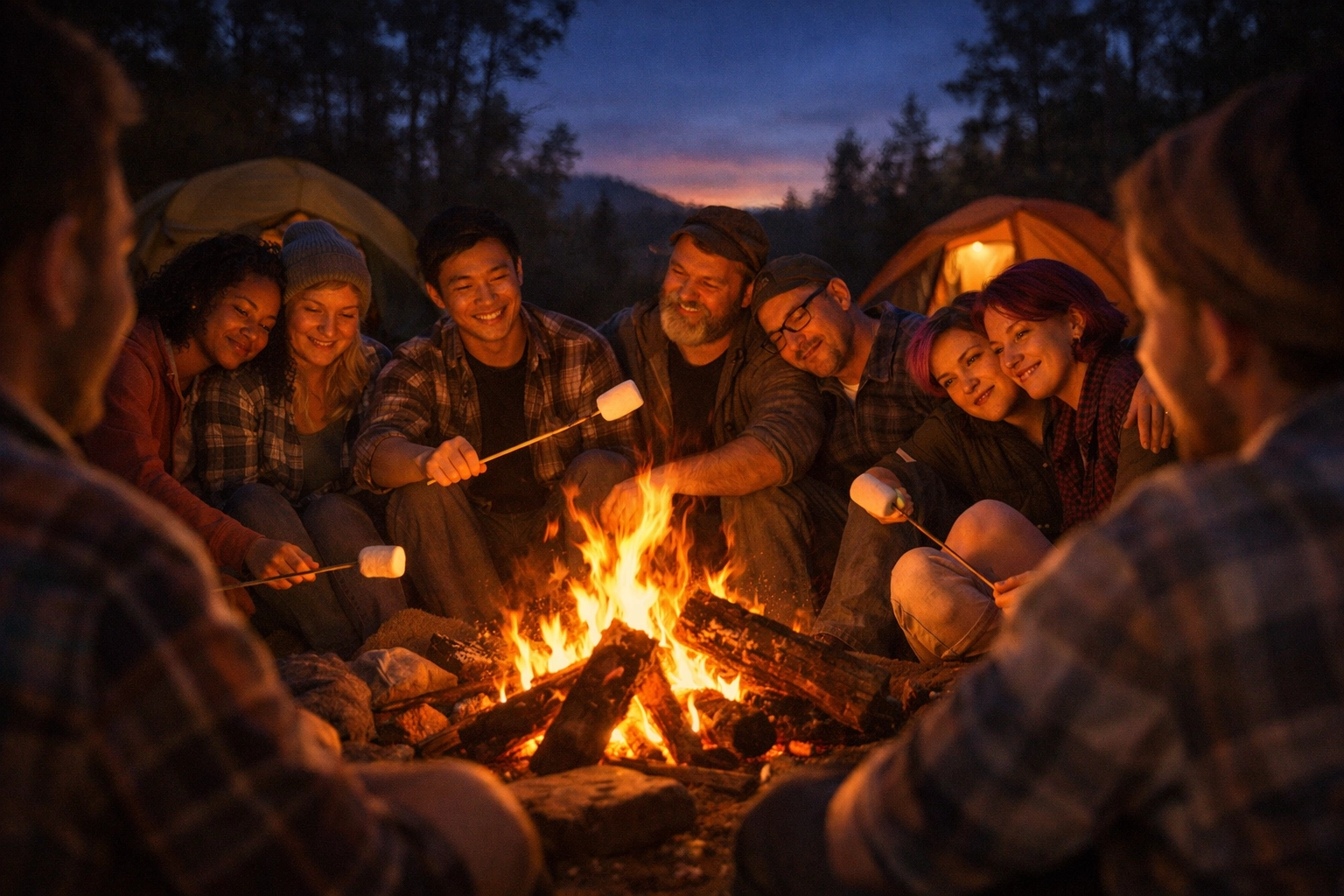
Many queer nature lovers describe feeling most themselves in wild places, away from the performance and code-switching that urban or suburban life often requires. The trail doesn't care about your gender presentation. The mountain doesn't have opinions about who you love. That freedom to simply exist, to focus on the physical challenge and the beauty around you, is profoundly healing.
Finding Your Outdoor Community
If you're an LGBTQ+ person who's been curious about hiking, camping, or spending more time in nature, you don't have to go it alone. Start by searching the LGBTQ Outdoor Groups Map or following queer outdoor organizations on social media. Many groups welcome beginners and provide all the gear and instruction you need.
Can't find a group near you? Consider starting one. Post in local LGBTQ+ Facebook groups or on apps like Meetup. You'd be surprised how many other queer folks in your area have been waiting for someone to organize that first hike. Start small: a local park, an easy trail, a weekend camping trip: and let the community grow organically.
For those already comfortable in the outdoors, consider how you can make spaces more welcoming. Share information about LGBTQ+ outdoor groups. Speak up when you witness discrimination on the trail. Support organizations working to increase access and inclusion. Representation matters as much on the trail as it does anywhere else.
The outdoors isn't just for straight people in Patagonia ads. It's for all of us: in all our queer, trans, fabulous, complicated glory. And the more we claim these spaces, the more we transform what it means to be a nature lover in 2026 and beyond.
Whether you're into MM romance books or mountain summits (or both!), there's space for you in the growing community of LGBTQ+ outdoor enthusiasts. Check out more affirming content and stories at Read with Pride, because representation matters everywhere: from the pages we read to the trails we hike.
Follow Read with Pride:
- Instagram: @read.withpride
- Facebook: Read with Pride
- Twitter/X: @Read_With_Pride
- Website: readwithpride.com
#LGBTQOutdoors #QueerNature #PrideInTheWild #LGBTQHiking #QueerCamping #TransOutdoors #ReadWithPride #LGBTQCommunity #QueerRepresentation #OutdoorInclusion #LGBTQTravel #NatureLovers #QueerAdventure #LGBTPride2026 #AuthenticLiving

Leave a Reply
You must be logged in to post a comment.