

readwithpride.com
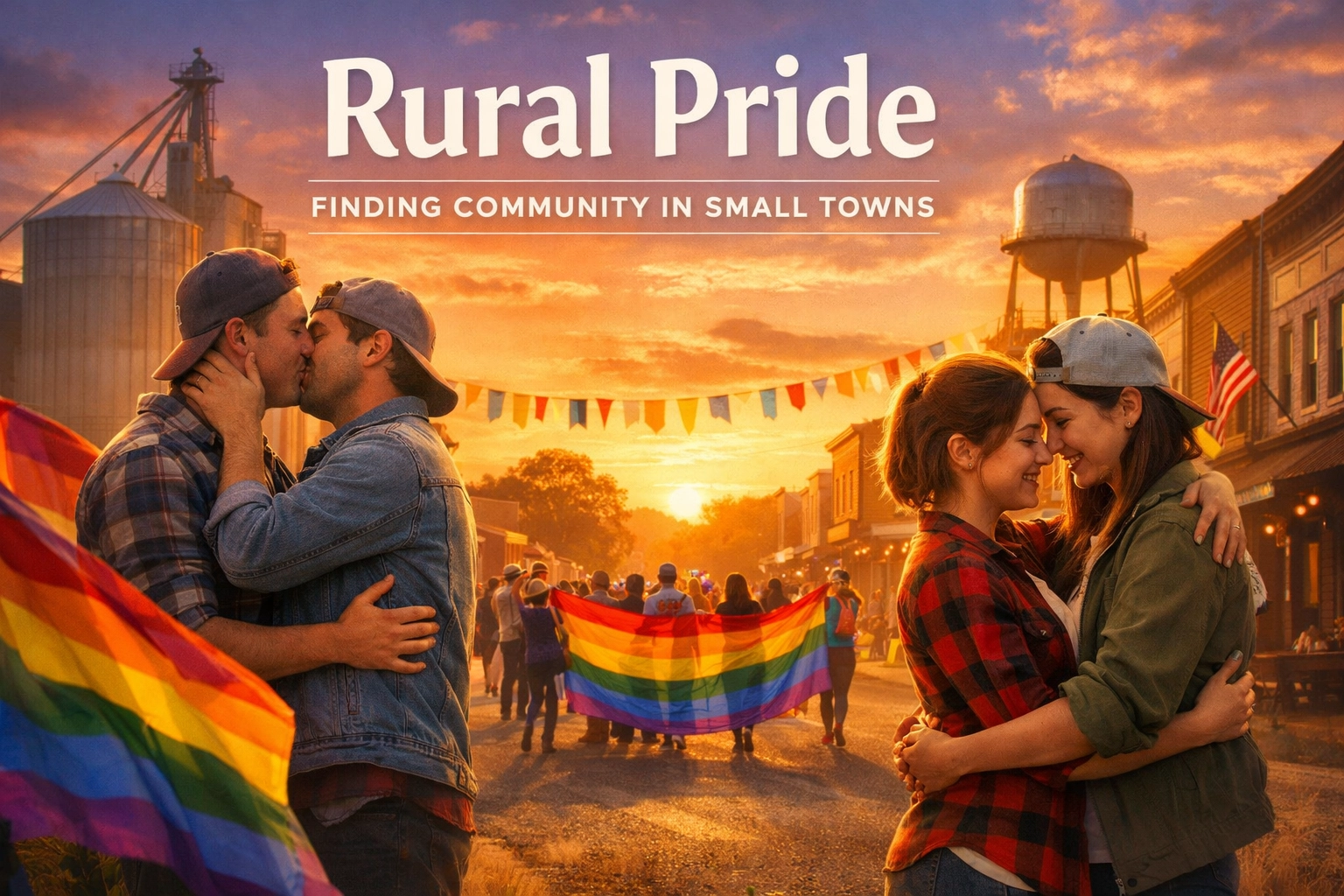
There's this persistent myth that if you're queer, you've got to pack your bags and head to the nearest metropolitan area to find your people. San Francisco, New York, Los Angeles: these cities get all the glory in our collective imagination as the only places where LGBTQ+ folks can truly thrive. But here's the truth that doesn't get enough airtime: rural pride is real, vibrant, and growing stronger every day.
Small-town queer life isn't just about survival anymore. It's about building something meaningful, authentic, and deeply rooted in the places we call home.
The Reality Check We Need to Talk About
Let's not sugarcoat it: being LGBTQ+ in rural America comes with its own set of challenges. Research shows that nearly half of LGBTQ+ youth in rural areas and small towns report their communities are somewhat or very unaccepting, compared to just over a quarter in urban areas. That's a sobering statistic, and it matters.
Rural queer folks face higher rates of discrimination, limited access to healthcare, and fewer visible support networks. Finding affirming housing, employment, and even basic services can feel like navigating a maze blindfolded. When you're one of the only out people in a town of 3,000, visibility can feel both empowering and terrifying in equal measure.
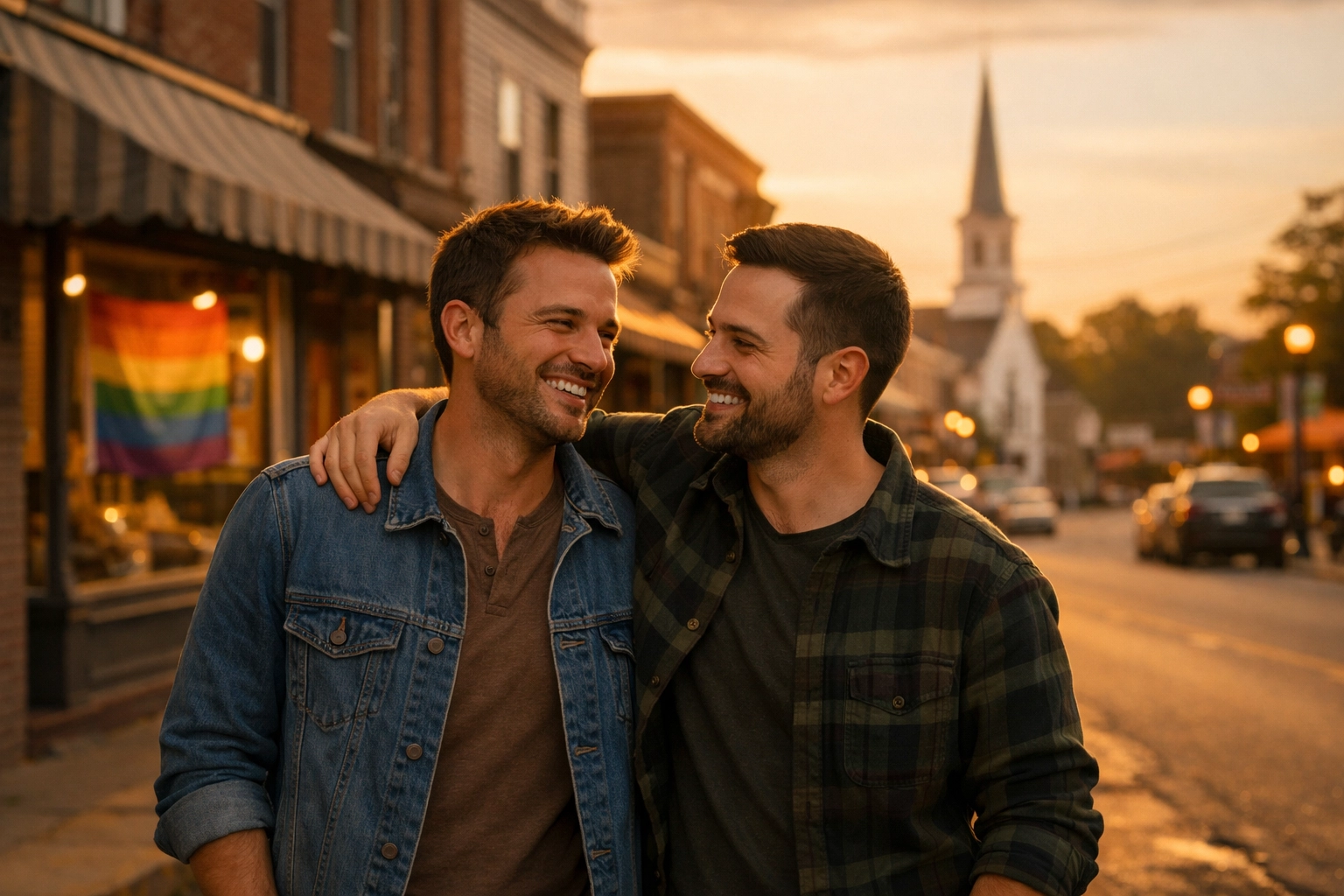
But here's where the story gets interesting. Despite these very real obstacles, rural LGBTQ+ communities aren't just surviving: they're creating some of the most tight-knit, authentic spaces you'll find anywhere. Because when you have to work harder to find your people, the connections you make run deeper.
Small Towns Making Big Waves
Forget everything you think you know about small-town America. Some of the most welcoming LGBTQ+ communities are popping up in places you'd never expect.
Take Eureka Springs, Arkansas. Nestled in the Ozarks, this artsy Victorian village has become a legit safe haven in the rural South. They host regular diversity weekends that draw visitors from across a five-state region, and the town actively markets itself as an LGBTQ+ travel destination. You don't have to flee to a coastal city to celebrate who you are: you can do it in a town with fewer than 2,000 residents.
Then there's Lexington, Kentucky, where the horse farms meet rainbow flags. McMinnville, Oregon offers wine country with a side of queer community. Saratoga Springs, New York combines historic charm with progressive values. And Bisbee, Arizona proves that desert towns can be oases for LGBTQ+ folks seeking authentic connection.
These aren't anomalies. They're proof that small-town queer life is not only possible but thriving.
Building Community When There's No Obvious Blueprint
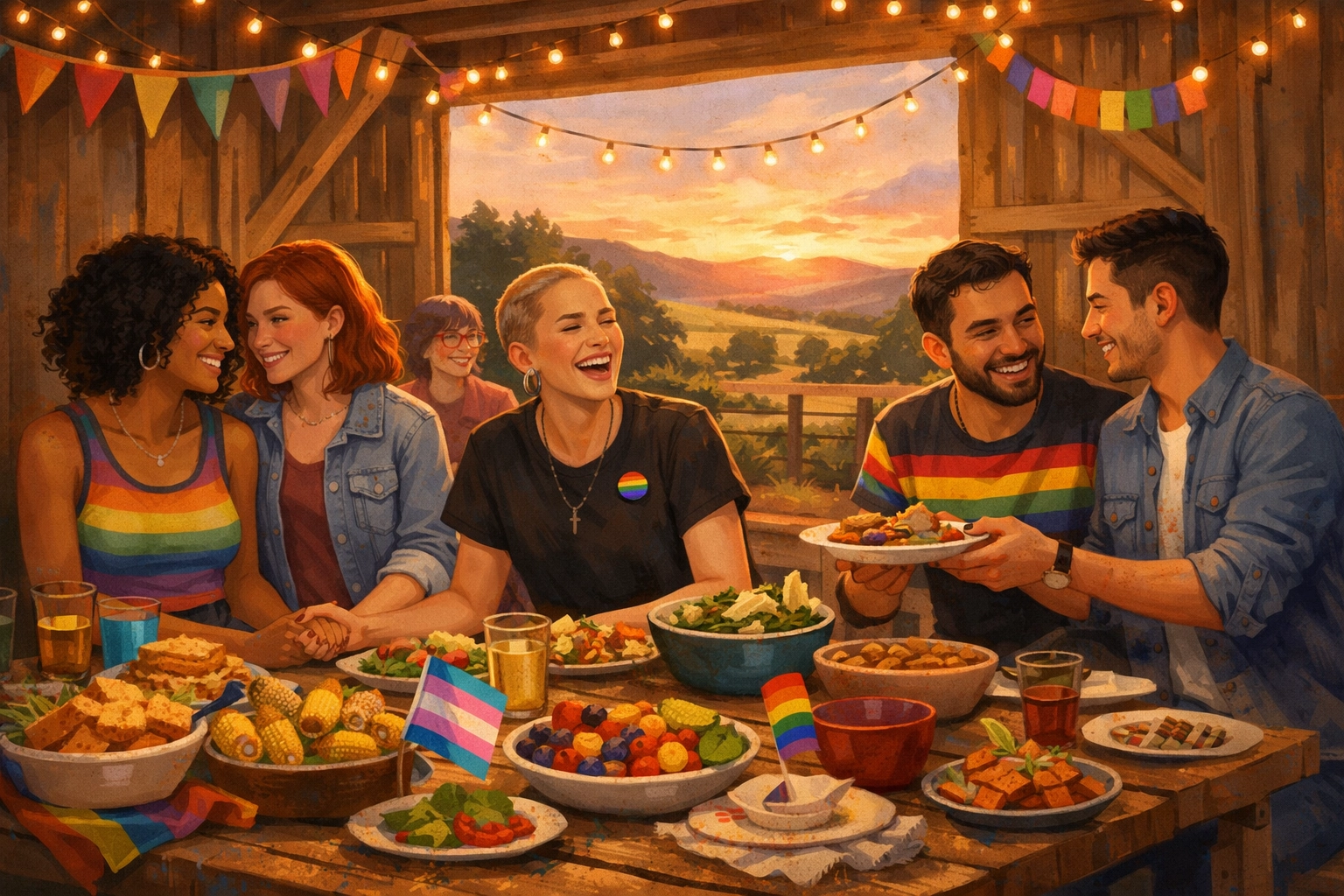
Here's what makes rural queer communities special: creativity born of necessity. When there's no established gay bar or Pride center, you get innovative. Community happens at the local bookstore, the coffee shop that puts up rainbow flags in June (and keeps them up in July), or the barn where someone hosts monthly potlucks for "friends of Dorothy."
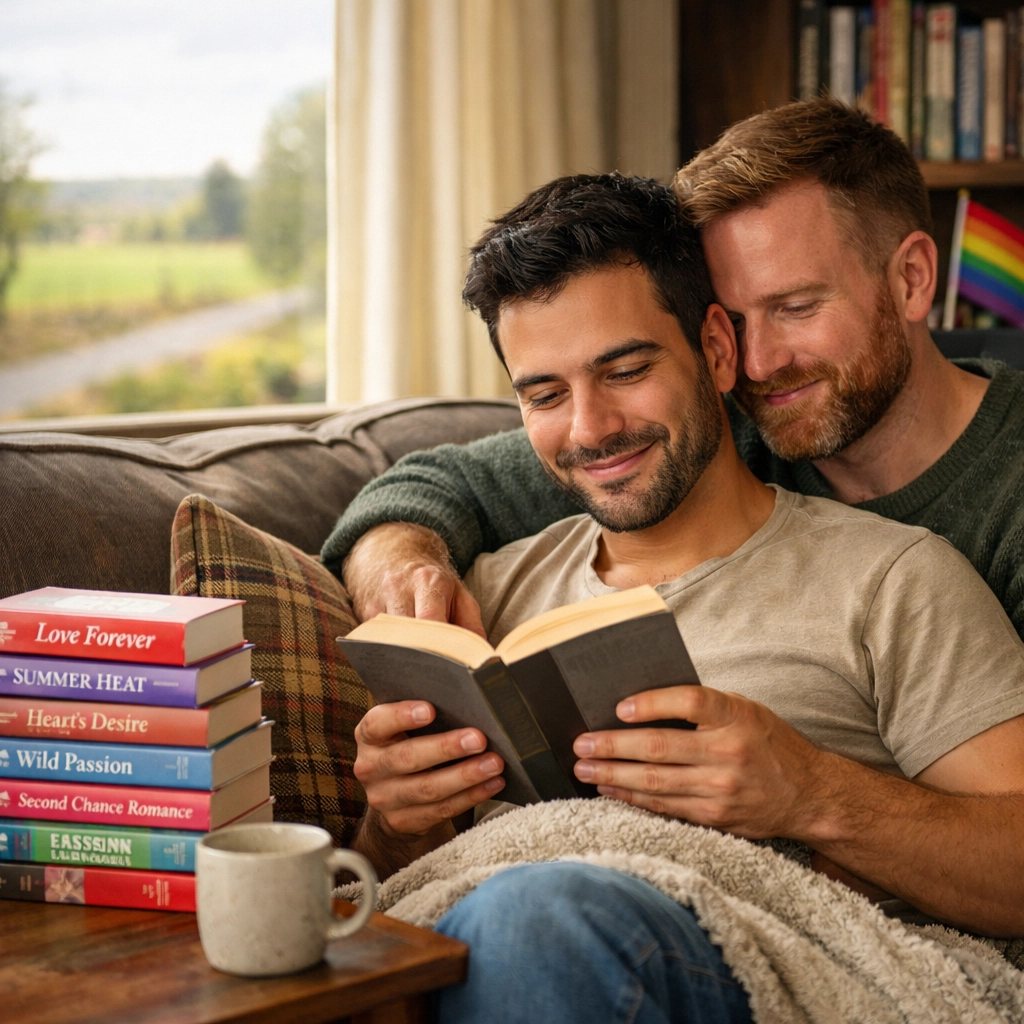
The internet has been a game-changer too. Online communities connect rural queer folks who might be the only ones in their immediate zip code. Social media groups, Discord servers, and virtual book clubs create lifelines. Speaking of book clubs: this is where gay romance novels and MM fiction become more than just entertainment. They become mirrors reflecting lives that local communities might not validate.
Reading LGBTQ+ fiction when you're isolated can feel like having a conversation with someone who gets it. Those gay love stories and MM romance books aren't just escapism: they're affirmation that your experience is real, valid, and worth celebrating. For rural queer readers, discovering authors who write authentic queer fiction can be as powerful as meeting another LGBTQ+ person in your town.
The Power of Representation in Stories
This is where platforms like Read with Pride become genuinely essential. When physical LGBTQ+ spaces are limited, gay books create portable safe spaces you can carry anywhere. Whether you're into gay contemporary romance, gay historical romance, or even gay thriller novels, these stories remind you that queer life is multifaceted, complex, and beautiful.
M/M books set in small towns hit differently when you're actually living that experience. There's something profound about reading gay fiction that acknowledges both the challenges and the joys of rural queer life: stories that don't pretend small-town queerness is all sunshine and rainbows, but also don't treat it as inherently tragic.
The best LGBTQ+ romance novels validate what rural queer folks already know: love doesn't require a major metropolitan area. Connection doesn't need a gayborhood. And coming out stories aren't confined to cities with subway systems.
Schools as Safe Havens
One of the most powerful findings from recent research is the protective role of LGBTQ-affirming schools. When rural schools embrace inclusive policies and GSAs (Gender and Sexuality Alliances), suicide risk among LGBTQ+ youth drops by 35%. That's massive.
Progressive educators in small towns are doing heroic work: putting up safe space stickers, using inclusive language, and creating environments where queer kids can breathe. These teachers, counselors, and administrators understand that for many students, school might be the only affirming space they encounter all day.
The presence of even one supportive adult can completely change a young person's trajectory. And increasingly, rural schools are recognizing their responsibility to be that support system.
Historical Roots and Future Growth
Rural queer community isn't new. Back in the 1970s, lesbian women established agricultural communes and intentional communities where they could live authentically and build solidarity away from urban judgment. These "womyn's lands" created space for queer folks to farm, create art, and live on their own terms.
That spirit of creating alternative structures continues today, just in different forms. Rural LGBTQ+ folks are starting businesses, running for local office, organizing Pride events, and slowly but surely changing the landscape from within.
The protective factors operating in these communities: tight-knit relationships, shared purpose, creative problem-solving: minimize harm even in the face of greater rejection. Rural queers are resilient as hell, and that resilience is building something beautiful.
Your Story Matters
Whether you're currently living in a small town, considering a move to somewhere quieter, or just curious about life beyond the big cities, know this: your experience is valid. Rural pride is real pride. Small-town queerness counts just as much as urban queerness.
And if you're looking for stories that reflect that reality, dive into the collection at Read with Pride. From MM romance books that celebrate small-town love to gay novels that tackle complex rural realities, representation matters: especially when you're building community from scratch.
The future of LGBTQ+ America isn't just in the cities. It's in the small towns where queer folks are planting roots, building families, and proving that pride grows everywhere.
Follow Read with Pride:
Facebook | Instagram | Twitter/X
Explore more at readwithpride.com
#RuralPride #SmallTownLGBTQ #MMRomance #GayRomanceBooks #LGBTQFiction #QueerCommunity #ReadWithPride #GayBooks #SmallTownPride #LGBTQEbooks #GayFiction #MMBooks #QueerReads #GayLoveStories #LGBTQRepresentation #RuralQueers #PrideEverywhere #MMRomanceBooks #GayNovels #AuthenticPride

Leave a Reply
You must be logged in to post a comment.