

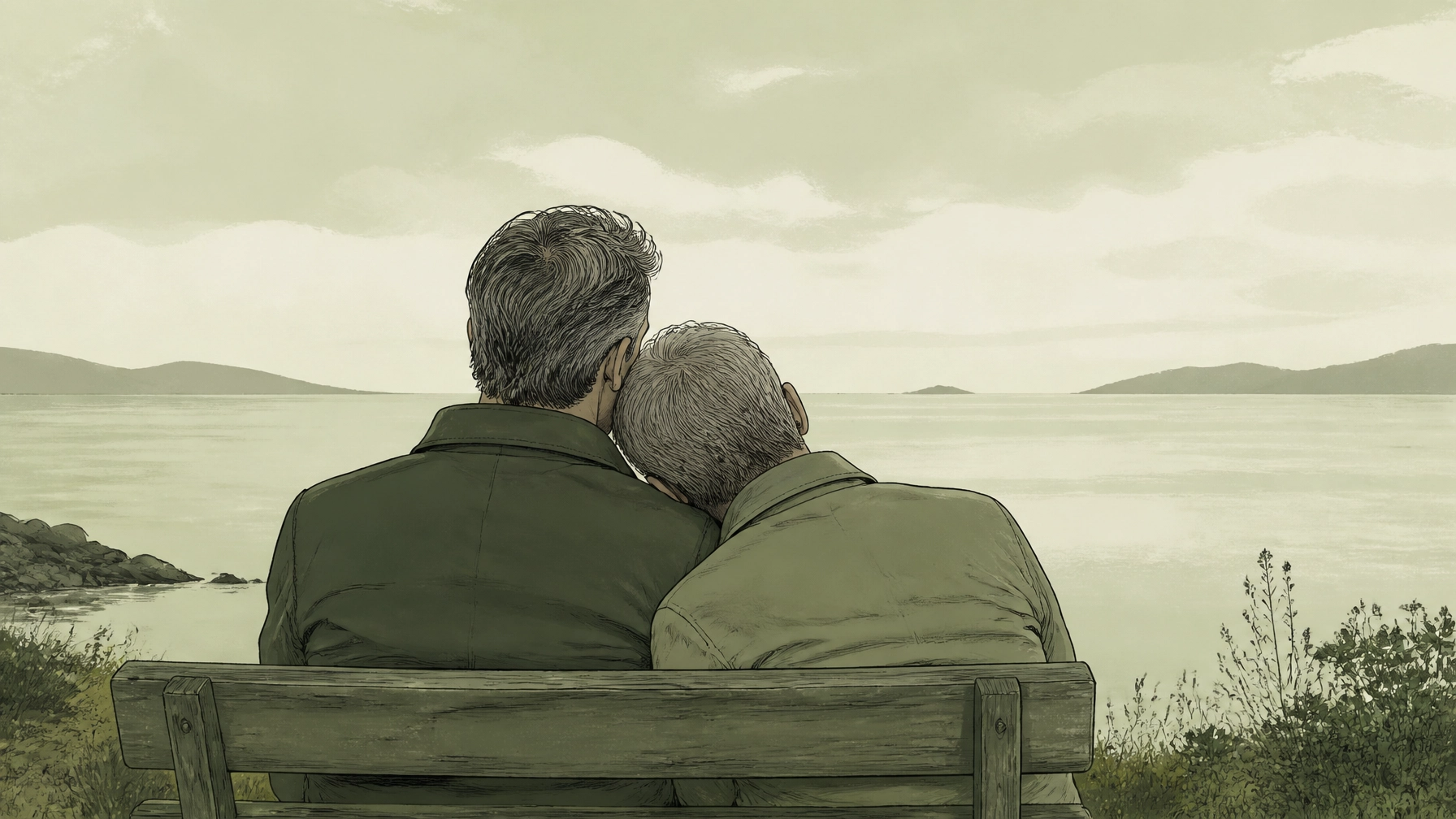
Coming out is often painted as a teenage rite of passage: a whirlwind of high school hallways and awkward family dinners. But for many of us, the realization of who we truly are doesn't arrive until much later. Maybe you’re in your 30s, 40s, or 60s. Maybe you’ve spent decades building a life that, while comfortable, always felt a few degrees off-center.
If you’re reading this and feeling like you’ve "missed the manual" on being your true self, let’s clear one thing up right now: there is no expiration date on authenticity. Coming out later in life is a powerful, courageous act of reclamation. Whether you’re a gay man, a bisexual person, or exploring a non-binary identity, your journey is valid, and you are not alone.
At Read with Pride, we believe that stories help us bridge the gap between who we were and who we are meant to be. This guide is designed to help you navigate the beautiful, sometimes messy, and ultimately liberating process of coming out later in life.
The "Coming In" Process: Honoring Your Inner Truth
Before you ever speak a word to another person, you go through what therapists call "coming in." This is the internal work of acknowledging your own queerness. For those of us who have spent years in straight-passing relationships or marriages, this phase can be a cocktail of relief and grief.
You might feel relief at finally naming the feeling that’s been lingering in the back of your mind, but you might also feel grief for "lost time." It’s important to practice self-compassion here. You didn’t "waste" your life; you survived and thrived with the information you had at the time.
Start by validating your own experience. Tell yourself, "My identity is valid, and I am allowed to make decisions that are right for me now." This internal foundation is what will support you when you eventually decide to share your truth with others.
The Beauty of Being Non-Binary: Living Beyond the Binary Gaze
As you begin to peel back the layers of your identity, you might find that it’s not just about who you love, but how you perceive yourself. This brings us to a beautiful realization many late-bloomers encounter: The Beauty of Being Non-Binary: Living Beyond the Binary Gaze.
For a long time, society has told us there are only two ways to exist: man or woman, with very rigid "scripts" for both. When you come out later in life, you often have the maturity to realize those scripts never quite fit. Living beyond the binary gaze means you stop performing for a world that demands you pick a side.
Being non-binary later in life can be incredibly liberating. It’s the realization that you don't have to fit into the "gay man" trope or the "straight dad" trope. You can simply be you. Whether that means changing your pronouns, experimenting with gender expression, or just acknowledging that your spirit doesn't have a gender, it’s a form of freedom that many people never get to experience. It’s about finding a sense of peace that doesn't rely on anyone else’s definitions.
Testing the Waters: Choosing Your First "Safe Person"
One of the most common pieces of advice for coming out later in life is that you do not have to tell everyone at once. In fact, it’s often better to start small.
Choose one person who feels safe: someone who is a good listener, respects confidentiality, and has shown empathy toward marginalized communities. This could be a long-time friend, a sibling, or even a therapist who specializes in LGBTQ+ fiction and identity issues.
Testing the waters can be as simple as bringing up LGBTQ+ themes in conversation. Maybe you mention a MM romance book you’ve been reading or a news story about queer rights. Their reaction can give you a clue as to how they’ll handle your personal news.
When you’re ready, you might say something like:
"I’ve been doing some deep thinking about myself lately, and I’ve realized that I’m gay/non-binary/bisexual. I wanted to share this with you because I value our friendship."
Navigating the Complexities: Partners, Children, and Family
Coming out later in life often means you have existing commitments: spouses, ex-partners, or children. This is the part that causes the most anxiety, and for good reason. These conversations are heavy, but they are also necessary for everyone to move forward with honesty.
- For Spouses/Partners: Be prepared for a range of emotions, including shock, anger, and grief. It’s helpful to approach these conversations with a "we" mindset: "How can we navigate this change together in a way that respects everyone involved?"
- For Children: Depending on their age, honesty is usually the best policy. Reassure them that while your identity has changed, your love for them never will.
- For Religious Family: This can be the most challenging hurdle. Remember that your safety and mental health come first. You are not obligated to subject yourself to judgment if it puts you at risk.
Finding Your Community: Building a New World
One of the hardest parts of coming out in your 40s or 50s is feeling "behind." You might see younger queer people who have been out for a decade and feel like you don't belong. But the MM novels and stories we love tell us one thing: there is a community waiting for you, no matter when you arrive.
Seek out spaces specifically for older LGBTQ+ folks. Look for "Prime Timers" groups, queer book clubs, or online forums. Connecting with others who have walked a similar path: who understand the nuances of late-in-life discovery: is vital for your resilience.
Lyrical Escapes: Literature as a Mirror
Sometimes, the best way to understand your own journey is to see it reflected in the pages of a book. Dick Ferguson’s writing is celebrated for its vivid imagery and profound empathy, capturing the exact kind of internal struggle that comes with navigating complex relationships and identity.
Whether it’s a story about a man discovering his bisexuality or a protagonist navigating the intensity of a new gay love story, these books offer more than just entertainment; they offer a roadmap for the soul. At Read with Pride, we curate stories that celebrate the resilience and connection inherent in the queer experience.
Conclusion: It’s Your Time Now
Coming out later in life isn't about throwing away your past; it’s about making your future more honest. It’s about the "beauty of being non-binary," the thrill of a first MM romance, and the quiet peace of finally knowing who you see in the mirror.
You deserve to live a life that feels authentic. You deserve to be seen and loved for exactly who you are. The road might be winding, but the destination: a life lived with pride: is worth every step.
Follow us on social media for more stories, tips, and community:
- X (formerly Twitter)
- Visit our shop: www.readwithpride.com
#LGBTQ+ #ComingOutLaterInLife #MMRomance #GayFiction #NonBinary #ReadWithPride #QueerAuthors #AuthenticSelf #GayBooks #LateBloomers
More Visuals from the Journey


{“@type”:”Article”,”image”:”https://cdn.marblism.com/CElImXRDgwN.webp”,”author”:{“url”:”https://readwithpride.com/e-book-store/dickfergusonwriter/”,”name”:”Dick Ferguson”,”@type”:”Person”},”@context”:”https://schema.org”,”headline”:”The Ultimate Guide to Coming Out Later in Life: Everything You Need to Find Your Authentic Self”,”keywords”:”Coming Out, Later in Life, MM Romance, Gay Fiction, Non-Binary, Read with Pride”,”publisher”:{“logo”:{“url”:”https://readwithpride.com/sitemaps.xml”,”@type”:”ImageObject”},”name”:”Read with Pride”,”@type”:”Organization”},”description”:”A comprehensive guide for gay men and non-binary people coming out later in life, featuring tips on internal acceptance, community, and literature.”,”datePublished”:”2026-06-23″,”articleSection”:”LGBTQ+ Lifestyle and Literature”}

Leave a Reply
You must be logged in to post a comment.