

readwithpride.com
If you've ever wondered how puppy play became such a vibrant part of queer culture, buckle up. We're diving into a history that's equal parts leather bars, identity exploration, and community-building, with a healthy dose of playfulness thrown in.
Where It All Started: The Leather Community's Foundation
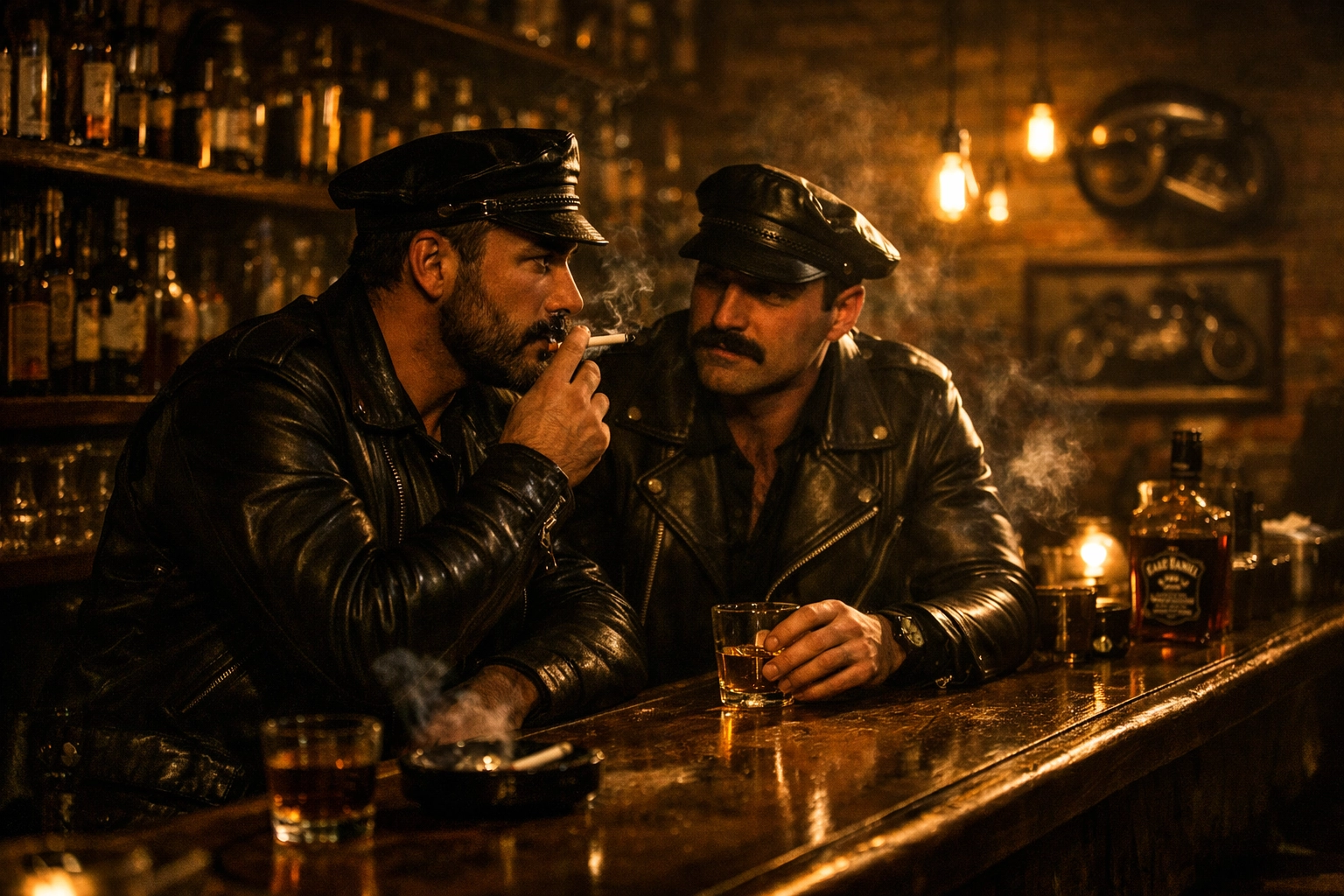
Puppy play didn't just appear out of nowhere. It grew from the fertile ground of the leather community, which itself emerged in the aftermath of World War II. When soldiers returned home in the late 1940s and early 1950s, many gay men who'd bonded over their military experiences sought to recreate that masculine camaraderie. Motorcycle clubs became safe spaces for queer men to express themselves away from mainstream society's judgmental gaze.
By the 1960s and 70s, the leather scene had established itself as a distinct subculture within LGBTQ+ spaces. Leather bars became sanctuaries where men could explore dominance, submission, and power dynamics through BDSM practices. It was in these spaces, smoky, rebellious, and unapologetically queer, that animal role-play began to emerge.
The Birth of the Pup: Early Days of Animal Role-Play
While "pony play" had been documented in heterosexual BDSM circles earlier, puppy play as we know it today took on a distinctly queer flavor within the leather community during the 1970s. The appeal was multifaceted: playing as a pup allowed individuals to shed the weight of societal expectations, explore submission and dominance in new ways, and tap into something primal and freeing.
Early puppy players often incorporated elements from existing leather protocols, collars, leashes, and handlers (the human partners who care for and "train" pups). But they added their own spin. Being a pup wasn't just about obedience or service; it was about playfulness, affection, and a different kind of intimacy that contrasted with the often more formal master/slave dynamics prevalent in leather culture.
The gear evolved too. While early pups might have worn simple collars and used basic props, the community gradually developed specialized equipment: leather hoods with floppy ears, mitts that prevented the use of hands, tail plugs, and eventually full custom-designed pup masks.
Growing Pains: The Eighties and Nineties
The 1980s brought both challenges and growth. The AIDS crisis devastated the LGBTQ+ community, including the leather scene. Many clubs closed, and the community mourned tremendous losses. Yet paradoxically, this period also saw puppy play become more defined as its own subculture.
Those who remained in the leather community during this difficult time formed tighter bonds. Puppy play offered something the community desperately needed: joy, playfulness, and an escape from the constant weight of grief. The pup headspace, that mental state where players fully embrace their canine persona, became a respite, a place where players could be present, playful, and free from anxiety.
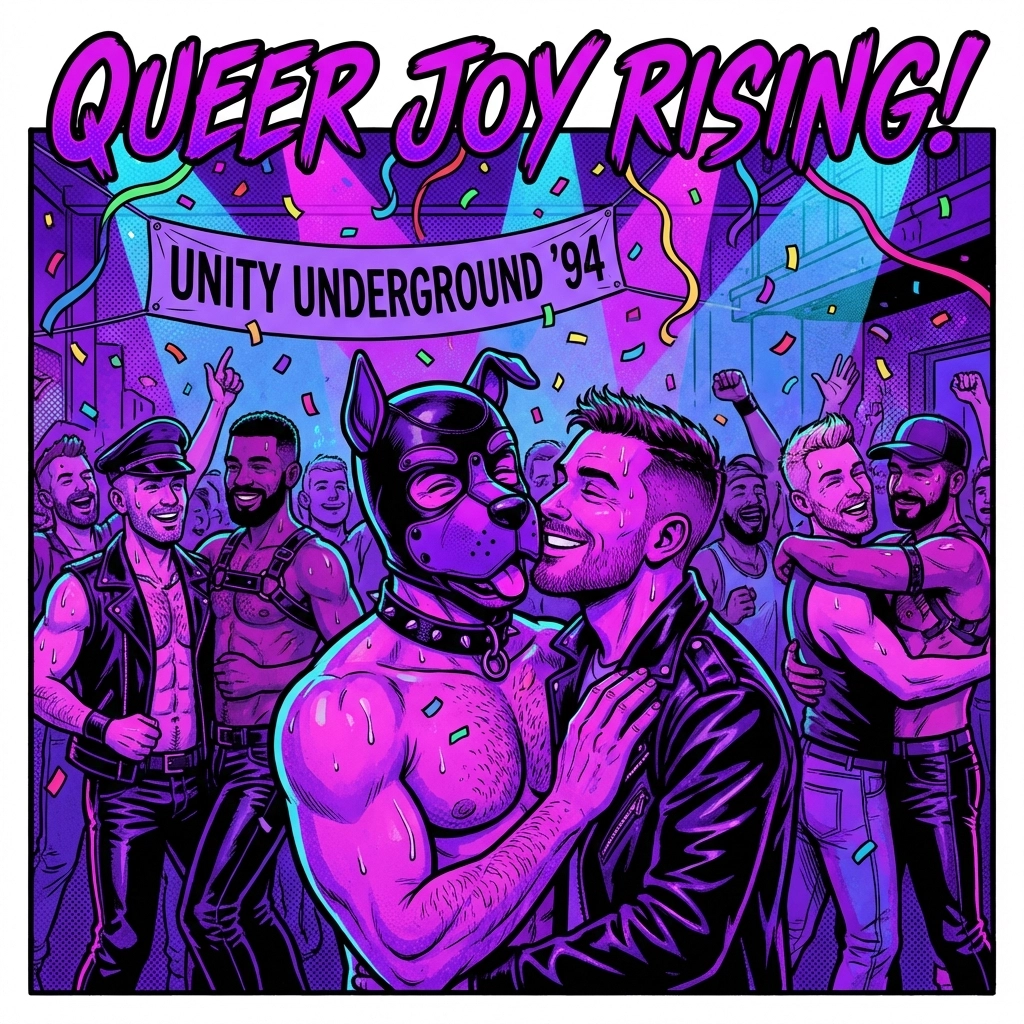
By the 1990s, as the internet began connecting queer folks across distances, puppy players found each other online. Mailing lists, early forums, and eventually dedicated websites allowed pups and handlers to share experiences, advice, and build community beyond geographical limitations. Regional "pup nights" started appearing at leather bars, giving the subculture more visibility.
The New Millennium: Puppy Play Goes Mainstream (Well, Sort Of)
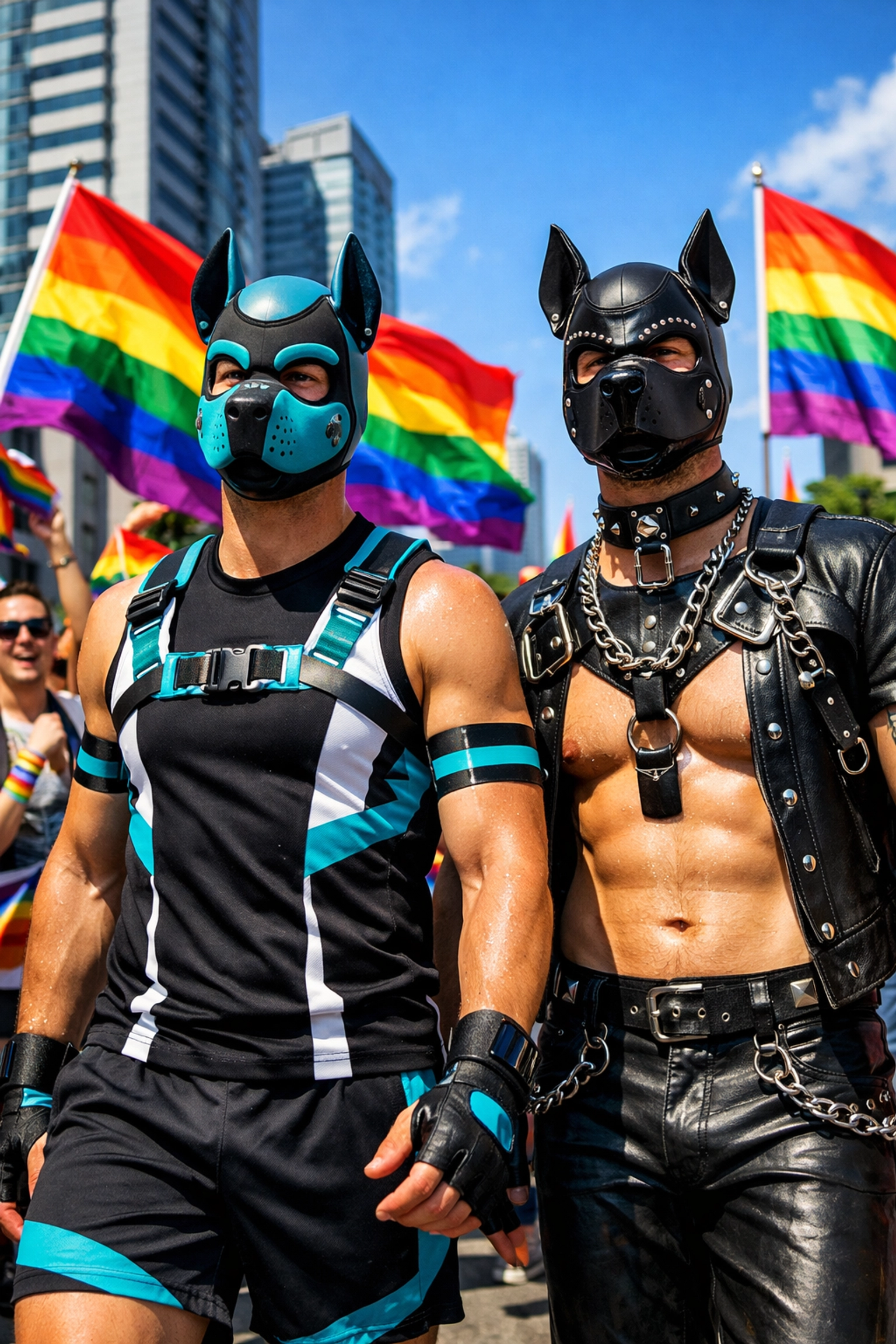
The 2000s marked a turning point. Puppy play began appearing in broader LGBTQ+ media and culture. What was once whispered about in the back rooms of leather bars started showing up at Pride events. Entire competitions emerged, like the International Puppy Contest, where pups from around the world compete for titles.
The aesthetic evolved too. While traditional leather remained popular, neoprene, athletic gear, and colorful custom designs became common. The community became more inclusive, welcoming trans pups, non-binary pups, and female-identified pups, though it remained predominantly a space for queer men and masculine-of-center folks.
Social media platforms like Twitter, Instagram, and Tumblr allowed pup culture to flourish visually. Suddenly, pups could share photos, connect with others, and build online packs (groups of pups who play together). The community grew exponentially.
Puppy Play in LGBTQ+ Fiction and Romance
Here's where things get interesting for us at Read with Pride. As puppy play gained visibility, it began appearing in gay romance books and MM romance novels. Authors started incorporating pup play into their stories, helping mainstream audiences understand this aspect of queer culture.
Historical MM romance novels sometimes feature leather communities of earlier eras, providing glimpses into how these dynamics developed. Contemporary gay romance books increasingly include characters who are active in the pup community, treating it as a natural part of their identity rather than something shocking or taboo.
These MM romance books serve an important function: they normalize puppy play for readers who might be curious but intimidated. They show the emotional depth, the trust required, and the genuine connection that exists within pup/handler relationships. The best LGBTQ+ fiction featuring pup play doesn't sensationalize it, it treats it as one of many ways queer people explore intimacy, power dynamics, and identity.
For those interested in exploring this through literature, gay fiction featuring leather culture and pup play can be a gentle introduction to understanding the community's history and values.
Modern Puppy Culture: Where We Are Now
Today's puppy play community is diverse, organized, and thriving. Major cities host regular pup events, mosh pits (play parties specifically for pups), training sessions, and social meetups. Organizations like Sirius Pups have established chapters worldwide, creating structured communities with mentorship programs and educational resources.
The modern pup community emphasizes consent, communication, and inclusivity. While rooted in BDSM and the leather scene, contemporary puppy play welcomes participants who engage purely for the headspace, the community, or the simple joy of play, no kink required.
Gear has become incredibly sophisticated. Custom pup hood makers craft beautiful pieces that cost hundreds or thousands of dollars. Some pups collect gear like sneaker enthusiasts collect shoes. Others keep it simple with just a collar and their imagination.
What hasn't changed is the core appeal: the ability to shed human responsibilities and anxieties, to be present in the moment, to connect with others in a unique and playful way, and to explore different facets of identity in a supportive community.
The Road Ahead
As we move through 2026, puppy play continues evolving. New generations discover it, bringing fresh perspectives while honoring the leather community that birthed it. The history matters, understanding that puppy play grew from decades of queer resistance, community-building, and the simple human need for connection and play.
Whether you're a longtime member of the leather community, curious about pup play, or simply interested in the diverse tapestry of LGBTQ+ culture, this history reminds us that queer folks have always found creative ways to build community, explore identity, and celebrate joy, even (or especially) when the world tried to make us hide.
And hey, if reading about this history makes you curious about MM romance books that explore these themes, Read with Pride has plenty of gay romance novels waiting for you. Because every part of our community deserves to see itself reflected in the stories we love.
Connect with us:
- Facebook: Read With Pride
- Instagram: @read.withpride
- Twitter: @Read_With_Pride
- Website: readwithpride.com
#PuppyPlay #LeatherCommunity #LGBTQHistory #MMRomance #GayRomanceBooks #QueerFiction #ReadWithPride #GayBooks #MMRomanceBooks #LGBTQFiction #QueerCulture #LeatherHistory #GayLiterature #PrideCommunity #LGBTQEbooks #GayFiction #QueerReads #MMNovels #GayRomance #HistoricalMMRomance

Leave a Reply
You must be logged in to post a comment.