

readwithpride.com
Let's talk about something real. Recovery isn't just about stopping a behavior: it's about rebuilding who you are and rediscovering what genuine intimacy actually means. For many in the LGBTQ+ community, the journey of recovery from compulsive sexual behaviors, porn addiction, or excessive masturbation often intersects with our unique experiences of identity, acceptance, and connection.
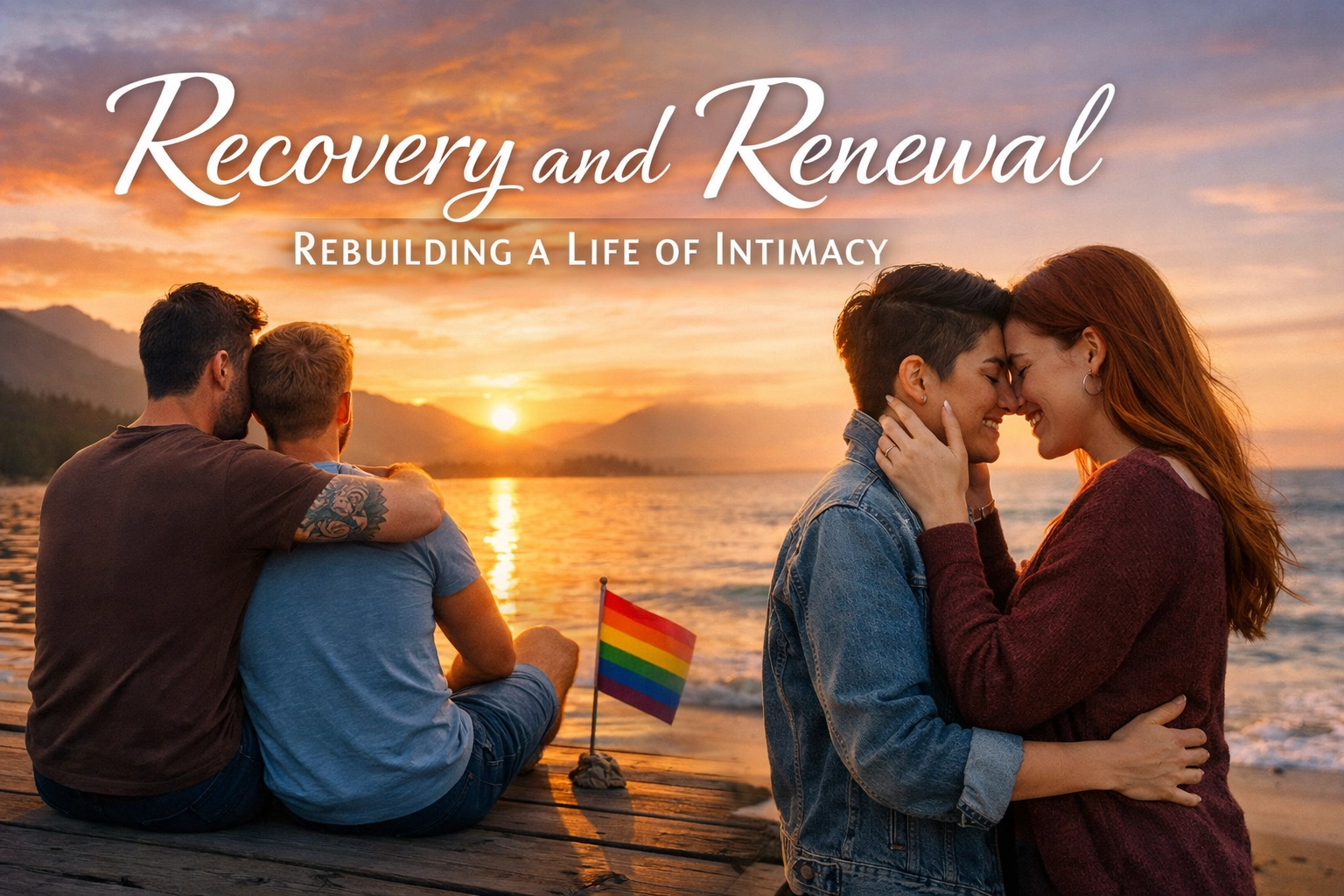
This isn't about shame. It's about renewal. It's about finding your way back to authentic relationships, meaningful touch, and the kind of intimacy that actually fills you up instead of leaving you empty.
Understanding the Path Forward
Recovery looks different for everyone, but there's a common thread: it starts with acknowledging that something needs to change. Maybe you've noticed that quick dopamine hits have replaced genuine connection. Maybe intimacy feels performative rather than present. Maybe you're tired of feeling disconnected from your own body and the people you care about.
For queer folks, this journey can be complicated by years of navigating a world that didn't always affirm our identities or desires. Sometimes compulsive behaviors develop as coping mechanisms for rejection, internalized homophobia, or the pressure to perform in certain ways. Understanding the "why" behind the behavior is just as important as addressing the behavior itself.

The good news? Recovery isn't about becoming someone else. It's about becoming more yourself: the version that exists beyond the patterns that stopped serving you.
Building the Foundation
Before diving into rebuilding intimate connections with others, you've got to reconnect with yourself first. This sounds like wellness culture buzzword bingo, but it's actually crucial work.
Self-care isn't selfish: it's survival. Meditation, therapy (especially with LGBTQ+-affirming therapists), movement, and creative expression help you rebuild resilience. These practices help you get back in touch with your body, which might feel foreign after years of disconnection.
Therapy is particularly powerful here. Working with someone who specializes in sexual health and understands the queer experience provides a confidential space to untangle complicated feelings. Sensorimotor approaches: processing through bodily sensations rather than just talking: can be especially effective for folks who've learned to disconnect from physical feelings.
Set boundaries like your healing depends on it: because it does. This means boundaries with yourself (around triggers, technology use, alone time) and with others. Be explicit about what you need. "I'm not ready for sexual intimacy yet, but I'd love to cook dinner together" is a complete sentence that honors both your healing and your relationships.
Redefining Intimacy
Here's where things get interesting. When we're in the thick of compulsive behaviors, intimacy often gets reduced to just sex: and sex itself becomes disconnected from actual intimacy. Recovery means expanding what intimacy looks like.

Real intimacy includes:
- Deep conversations that make you feel seen
- Laughing until your stomach hurts
- Being vulnerable about your fears
- Holding space for someone else's struggles
- Cooking together and making a mess
- Long hugs that actually feel grounding
- Sharing silence that doesn't feel awkward
Start with non-sexual touch. This is crucial for rebuilding physical connection without the pressure of performance. Eye contact, hand-holding, sustained hugs, cuddling on the couch while watching your favorite shows: these forms of closeness trigger oxytocin, the bonding hormone that helps counteract stress.
Progressive intimacy looks like:
- Start small: holding hands during a walk
- Build to longer physical contact: cuddling while reading
- Explore non-genital touch: massages, bathing together
- Eventually, when you're both ready, sexual intimacy can be reintroduced
The key word here is "eventually." There's no timeline. Healing happens at its own pace, and rushing it usually backfires.
Navigating Triggers and Setbacks
Let's be real: triggers will happen. You'll have moments when old patterns want to resurface, or when physical intimacy brings up complicated feelings. This is normal and doesn't mean you're failing.
If you get triggered during intimate moments, stop immediately. Use grounding techniques: name five things you can see, four you can touch, three you can hear, two you can smell, one you can taste. This brings you back to the present moment.
Having a predetermined safe word or signal with your partner creates safety. They can help guide you through breathing exercises, remind you that you're safe, or simply give you space: whatever you need in that moment.

Recovery isn't linear. Some days you'll feel like you've got this figured out, and other days you'll feel like you're back at square one. Both experiences are part of the journey. Be patient with yourself the way you'd be patient with your best friend.
The Role of Partnership
If you're in a relationship during recovery, your partner plays a vital role. Communication becomes everything. They need to understand what you're going through, but they also need support for themselves: because this journey affects them too.
For those in recovery: Share what you're comfortable sharing, at your own pace. Let your partner know how they can support you. Be honest about your needs, even when they're constantly evolving.
For partners: Listen without judgment. Respect boundaries, even when it's frustrating. Don't take setbacks personally. Seek your own support: whether that's therapy, support groups, or trusted friends who can help you process.
Couples therapy with an LGBTQ+-affirming therapist can be transformative. It creates space for both partners to process their experiences, develop compassion for each other, and learn how to navigate this together. Over time, this leads to deeper understanding, less triggering, and greater capacity for conscious connection.
Finding Community and Resources
You don't have to do this alone. The queer community has always been about supporting each other through challenges, and recovery is no different.
Look for LGBTQ+ specific support groups, whether in-person or online. Organizations like Sex and Love Addicts Anonymous (SLAA) have queer-friendly meetings. Online communities can provide anonymous support when you're not ready to share face-to-face.

Read stories of recovery and renewal: whether in MM romance books that explore these themes authentically or memoirs from queer folks who've walked this path. Seeing yourself reflected in others' journeys reminds you that you're not alone and that transformation is possible.
Embracing Post-Traumatic Growth
Here's something hopeful: many people who go through recovery report that their intimate relationships become deeper and more fulfilling than ever before. This is called post-traumatic growth: the idea that struggling through difficult experiences can lead to positive change.
When you rebuild intimacy intentionally, you get to create what you actually want rather than what you thought you were supposed to want. You develop emotional intelligence, communication skills, and self-awareness that serve you in every area of life.
Your sexuality and capacity for connection don't diminish through recovery: they deepen. You learn to be present during intimate moments. You discover what genuine pleasure feels like when it's not chasing a high to avoid feeling something else. You build relationships based on authenticity rather than performance.
Moving Forward
Recovery is about more than stopping harmful behaviors: it's about starting a new way of being. It's about discovering that authentic intimacy is worth the hard work. It's about learning that you deserve connection that nourishes rather than depletes you.
This journey takes courage, especially as a queer person navigating a world that doesn't always make space for our full humanity. But you're not alone. Communities like Read with Pride exist to reflect our stories back to us, to remind us that our experiences matter, and to celebrate the messy, beautiful process of becoming who we're meant to be.
Recovery and renewal aren't destinations: they're ongoing practices of choosing yourself, honoring your needs, and building the life you actually want. And that life includes intimate connections that feel real, safe, and deeply fulfilling.
You've got this. One day, one choice, one authentic moment at a time.
Connect with our community:
- Follow us on Facebook
- Follow us on Instagram
- Follow us on X/Twitter
- Explore more stories at Readwithpride.com
#LGBTQRecovery #QueerHealing #MMRomance #GayFiction #AuthenticIntimacy #ReadWithPride #QueerStories #LGBTQBooks #RecoveryJourney #SexualWellness #QueerLove #MMRomanceBooks #GayRomance #LGBTQFiction #IntimacyMatters #HealingJourney #QueerCommunity #GayLiterature #AuthenticConnection #2026LGBTQBooks

Leave a Reply
You must be logged in to post a comment.