

readwithpride.com
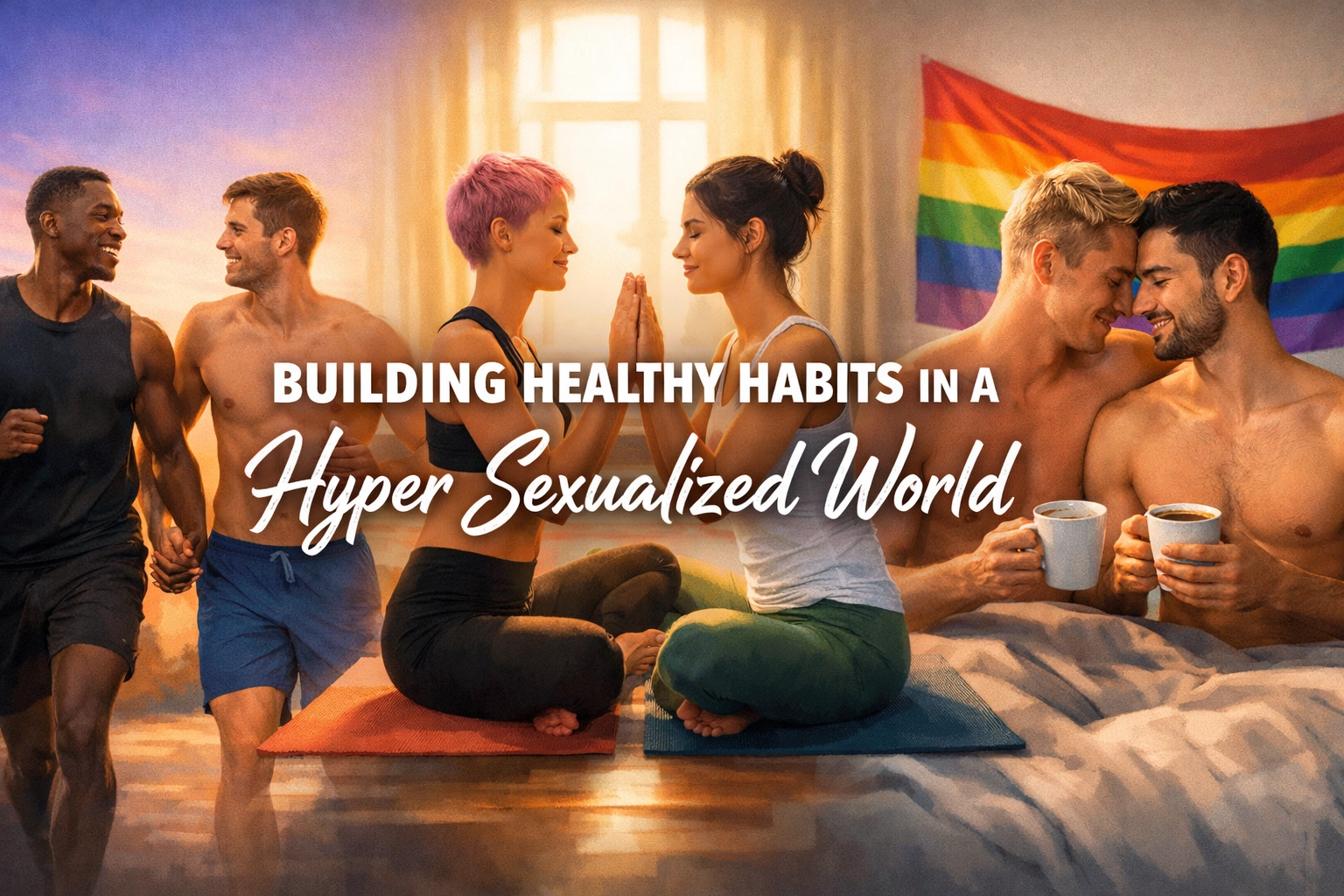
Let's be real: we're all swimming in a digital ocean of sexual content. Whether it's the perfectly curated thirst traps on Instagram, the endless stream of explicit content just a click away, or the way every app seems designed to keep us scrolling for that next dopamine hit, the modern world is intense. And for LGBTQ+ folks? There's an extra layer to navigate.
This isn't a shame-inducing "sex is bad" post. Far from it. Sexuality is beautiful, diverse, and a fundamental part of being human. But when the lines blur between healthy expression and compulsive patterns that leave us feeling drained, disconnected, or stuck in cycles we can't seem to break: that's when it's time to check in with ourselves.
The LGBTQ+ Experience in a Hyper-Sexualized Digital Landscape
Here's something that doesn't get talked about enough: the queer experience online is uniquely complex. For many of us, digital spaces were where we first found community, representation, and yes, sexual exploration in environments that felt safer than our immediate physical surroundings. Apps like Grindr, Scruff, or Her became lifelines for connection.
But there's a flip side. The same platforms that helped us find ourselves can also become traps. The constant availability of sexual encounters, the reduction of human connection to grid photos and stats, the hypersexualized marketing that seems to define queer culture sometimes: it all adds up. And let's not forget the internalized shame many of us carry from growing up in heteronormative environments, which can manifest in complicated relationships with sex, intimacy, and self-worth.

When Does Healthy Sexuality Cross the Line?
The tricky part? There's no universal answer. What's healthy for one person might be problematic for another. But there are some red flags worth paying attention to:
Your sexual behavior is interfering with daily life. Missing work or social commitments because you're caught in compulsive cycles. Feeling unable to focus on hobbies, creative projects, or relationships because sexual thoughts dominate your mental space.
You're experiencing negative consequences. Relationship instability, financial problems from excessive spending on content or encounters, health risks you're taking despite knowing better, or that persistent feeling of shame that follows you around like a shadow.
It doesn't feel like a choice anymore. When sexual behavior becomes less about pleasure or connection and more about escaping stress, anxiety, or uncomfortable emotions: that's when the alarm bells should ring. If you're using sex or porn the way someone might use alcohol to numb out, it's time to pause and reflect.
The key distinction is this: healthy sexuality enhances your life and relationships. Problematic patterns diminish them.
Curating Your Digital Diet
One of the most powerful things you can do? Get intentional about what you're consuming. Your media diet matters just as much as what you eat.
Audit your social media. Go through the accounts you follow. Do they make you feel good about yourself, or do they leave you feeling inadequate, anxious, or hyperfocused on appearance and sexual performance? It's okay to unfollow, mute, or block content that doesn't serve your wellbeing: even if it's LGBTQ+ content. Not all representation is healthy representation.
Set boundaries with apps. If dating or hookup apps are triggering compulsive behavior, it might be time for a break or to establish firm rules: like only checking them at specific times, or deleting them from your phone and only accessing them through a browser. Create friction between impulse and action.
Seek diverse narratives. This is where platforms like Read with Pride come in. Gay romance books and MM romance novels offer something apps and porn can't: fully realized characters, emotional depth, and stories where intimacy is about more than just physical connection. Reading queer fiction that explores the complexity of relationships can actually rewire how we think about love and sex.

The Power of Body Neutrality and Self-Compassion
The LGBTQ+ community has made incredible strides in body positivity, but let's be honest: gay culture especially can be brutal about bodies. The pressure to have abs, the "no fats, no fems" rhetoric that still pervades hookup culture, the impossible standards set by influencers and adult content performers.
Instead of fighting to love every part of your body (which can feel exhausting), try body neutrality. This means appreciating what your body can do rather than how it looks. Your body lets you experience pleasure, sure, but also hike trails, hug friends, create art, dance badly in your kitchen.
Practice self-compassion when you slip up or recognize unhealthy patterns. Shame is often what keeps us stuck in cycles we want to break. The voice that says "you're broken" or "you're too far gone" isn't helping: it's making things worse. Talk to yourself the way you'd talk to a friend who came to you with the same struggles.
Understanding Your Values and Boundaries
Here's a question worth sitting with: What does healthy sexuality mean to you? Not to your friends, not to what you see online, not to whatever messages you internalized growing up: but to your authentic self?
Maybe it's casual encounters with clear communication and respect. Maybe it's saving intimacy for committed relationships. Maybe it's a period of intentional celibacy while you figure things out. Maybe it's ethical non-monogamy with established partners. There's no single right answer.
The key is intentionality. Are your choices aligned with your values, or are you reacting to external pressure, loneliness, or the need to escape uncomfortable feelings? When you can answer that honestly, you're already halfway to building healthier habits.
Building Sustainable Habits That Actually Work
Real change doesn't happen through willpower alone. It happens through systems and substitutions.
Address the underlying stressors. Often, compulsive sexual behavior is a symptom, not the problem itself. Are you dealing with anxiety, depression, loneliness, or unresolved trauma? Treating these root causes: through therapy, medication if needed, support groups, or community connection: is essential.
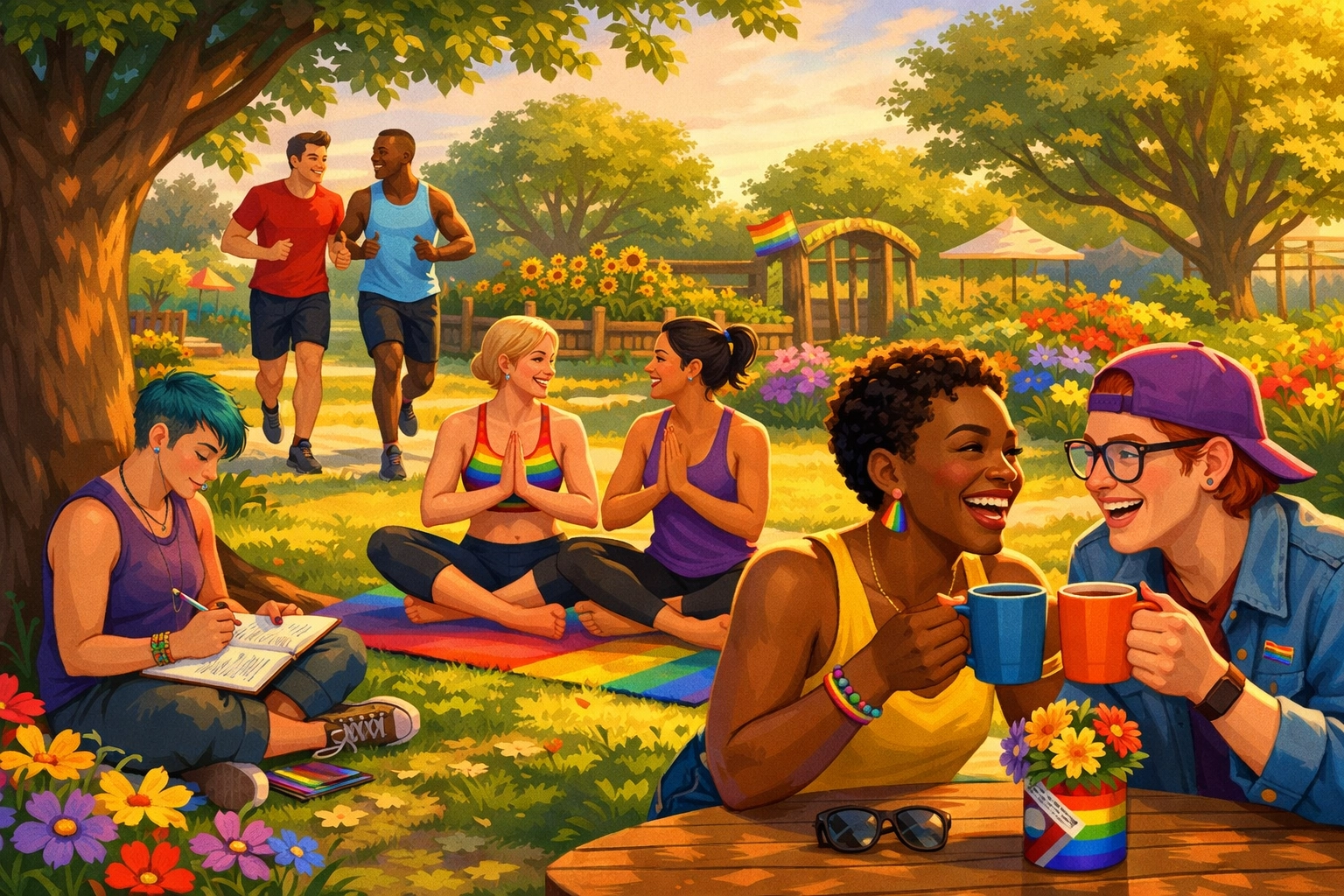
Create replacement activities. If you typically reach for your phone and porn when stressed, what else could you do? Exercise, even just a walk around the block. Creative outlets. Calling a friend. Reading (might we suggest some compelling MM romance books? They're a much healthier escape that still delivers emotional intensity and yes, steamy scenes when you want them).
Limit screen time strategically. Use app timers, website blockers, or put your phone in another room during vulnerable times. The goal isn't to white-knuckle your way through temptation: it's to remove the temptation from your immediate environment.
Seek professional support when needed. There are therapists who specialize in sexual health and LGBTQ+ issues. There are support groups specifically for people navigating compulsive sexual behavior. You don't have to figure this out alone, and seeking help isn't a sign of weakness: it's a sign of strength.
You're More Than Your Struggles
If you've made it this far, here's what we want you to know: you're not broken. The hyper-sexualized world we live in is challenging for everyone, but especially for LGBTQ+ folks navigating the complex intersection of identity, community, and sexuality in digital spaces that weren't designed with our wellbeing in mind.
Building healthy habits takes time, patience, and self-compassion. There will be setbacks. That's normal. What matters is the direction you're moving, not the speed.
And remember: there's a whole world of queer stories, connections, and experiences beyond the algorithmic feeds designed to keep you hooked. Whether it's losing yourself in heartfelt gay fiction, connecting with community in person, or simply taking a breath and checking in with yourself: you have more power than you think.
Find your next great read and build healthier relationship with queer stories at readwithpride.com
Follow us for more LGBTQ+ content:
📘 Facebook
🐦 Twitter/X
📸 Instagram
#ReadWithPride #LGBTQBooks #MMRomance #GayRomance #QueerFiction #MentalHealthMatters #HealthyHabits #LGBTQCommunity #GayBooks #MMRomanceBooks #QueerLiterature #SelfCare #LGBTQSupport #GayFiction #MMNovels #QueerStories #DigitalWellness #LGBTQMentalHealth #AuthenticLiving #GayLoveStories

Leave a Reply
You must be logged in to post a comment.