

readwithpride.com
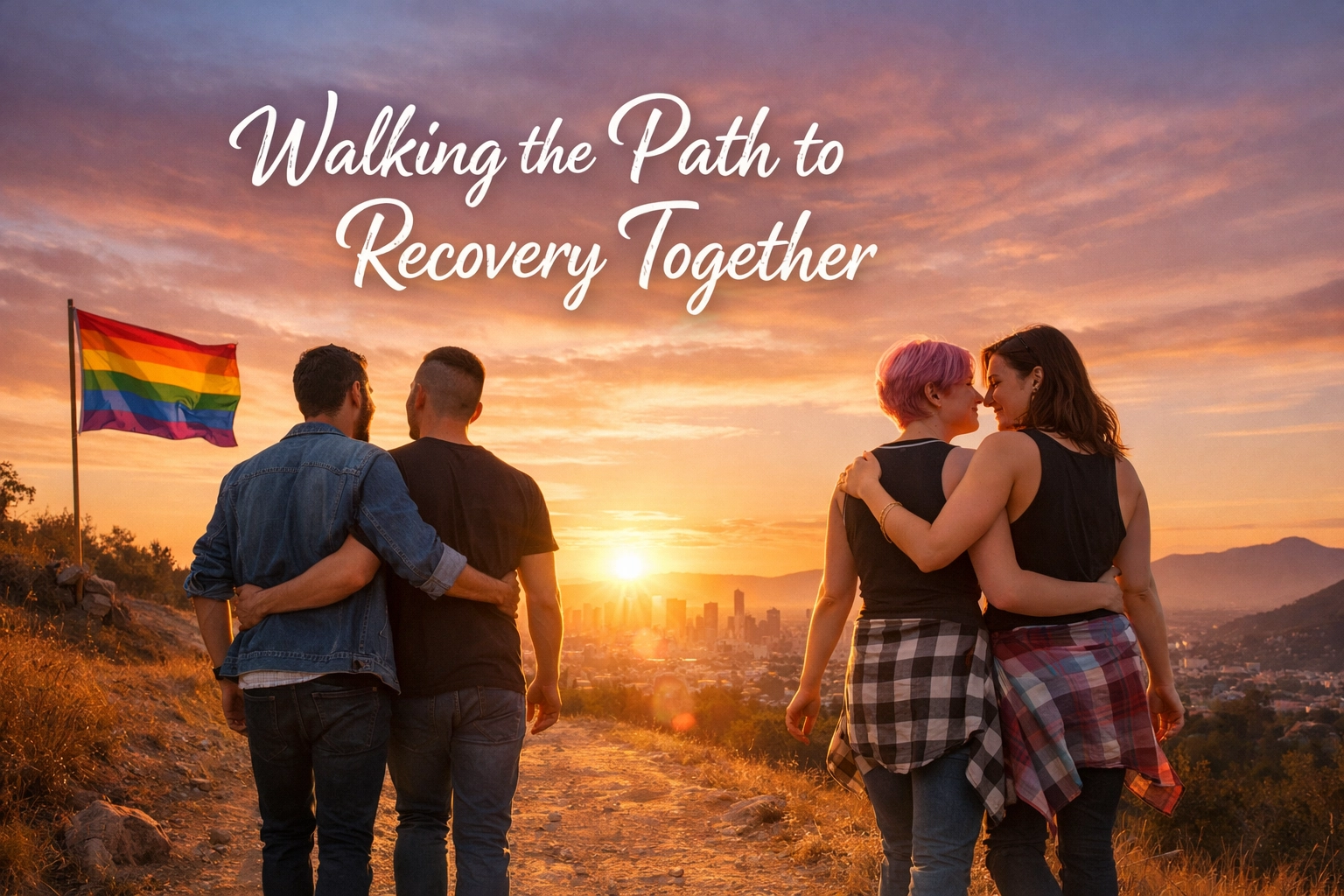
Recovery isn't a solo journey, even when it feels like you're the only one struggling. For LGBTQ+ folks dealing with addiction: whether it's sex, porn, substances, or compulsive behaviors: the path forward can feel particularly isolating. But here's the thing: sometimes the most powerful healing happens when two people decide to walk that path together.
When Love Meets Honesty
Marcus and Jamie had been together for three years when everything came crashing down. What started as casual porn use had spiraled into something that consumed hours of Marcus's day. Jamie, meanwhile, had been using hookup apps behind Marcus's back, seeking validation through encounters that left him feeling emptier each time.
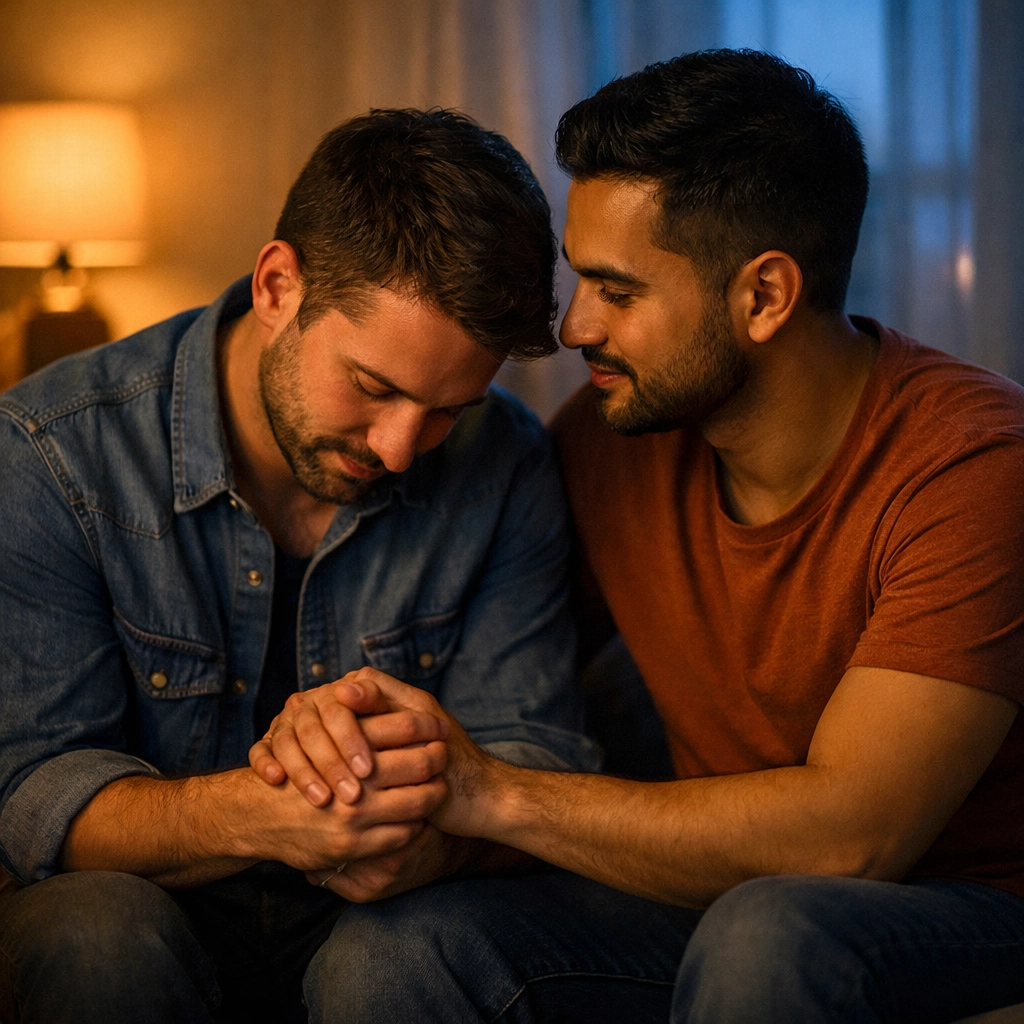
The breaking point came on a Tuesday night. Marcus finally admitted he'd been calling in sick to work to feed his compulsion. Jamie confessed through tears that he'd been lying about where he was going. They sat on opposite ends of their couch, the weight of their secrets filling the space between them.
"I thought about leaving," Jamie admitted months later. "But then I realized we were both drowning. Maybe we could learn to swim together instead."
The Unique Struggles of LGBTQ+ Addiction
Let's be real: addiction doesn't discriminate, but the LGBTQ+ experience adds layers of complexity that can't be ignored. Many of us grew up in environments where our sexuality or identity was something to hide, creating patterns of shame that can manifest in addictive behaviors.
Sex and porn addiction in the queer community often intertwines with:
- Internalized homophobia that creates a cycle of shame and acting out
- Minority stress from navigating a world that isn't always accepting
- Limited representation in traditional recovery spaces
- Hookup culture that can normalize compulsive sexual behavior
- Lack of LGBTQ+-affirming resources that understand our specific challenges
For Marcus and Jamie, their addictions were rooted in different wounds. Marcus had grown up in a religious household where being gay meant eternal damnation. Porn became his safe space: a place where he could explore his sexuality without judgment. Jamie's father had abandoned the family when he came out at sixteen. Each hookup was an attempt to prove he was worthy of someone's attention, even if just for an hour.
Taking the First Steps Together
Recovery programs often emphasize individual work, and that's crucial. But for couples who choose to stay together through the process, there's something profound about walking the path side by side.
Marcus and Jamie established ground rules early on:
Radical honesty became non-negotiable. No more deleting browser history. No more "working late" when they were really scrolling through apps. Every slip-up, every craving, every moment of weakness was shared.
They attended therapy: both individual and couples. Marcus found a therapist who specialized in sexual compulsivity and understood the nuances of gay men's experiences. Jamie worked with someone who helped him unpack his abandonment trauma. Together, they saw a couples counselor who helped them rebuild trust brick by brick.
They created accountability without surveillance. Jamie didn't need to check Marcus's phone. Marcus didn't need to track Jamie's location. Instead, they checked in multiple times a day: not to police each other, but to stay connected.

The Dark Days and Small Victories
Recovery isn't linear. There were days when Marcus would lock himself in the bathroom, white-knuckling his way through urges so intense he thought he'd lose his mind. There were nights when Jamie would sit in his car outside a stranger's apartment, phone in hand, deciding between calling his sponsor or walking up those stairs.
But there were victories too.
The first week Marcus went without acting out. The day Jamie deleted every hookup app from his phone. The moment they could be physically intimate again without fear or shame hanging over them. The evening they laughed together: really laughed: for the first time in months.
"We celebrated everything," Marcus shared. "Thirty days. Sixty days. The first time we went to a pride event and I didn't spend the whole time in my head about every attractive guy there. Every milestone mattered."
Resources That Made the Difference
Finding LGBTQ+-affirming resources was crucial. While programs like FIRST Steps Together focus on substance use and parenting, the model of peer support: people who've been there and understand: resonates across all forms of addiction recovery.
Marcus and Jamie leaned on:
- Sex and Love Addicts Anonymous (SLAA) meetings, specifically LGBTQ+-focused groups
- Online communities where queer folks shared their recovery stories
- Reading materials that reflected their experiences: including fiction from Read with Pride that showed healthy LGBTQ+ relationships
- Couples who'd walked this path before and were willing to mentor them
- Psychiatric support when needed, because sometimes addiction co-occurs with depression, anxiety, or other mental health challenges
The representation mattered. Seeing other gay couples navigate recovery proved it was possible. Reading MM romance books that portrayed emotional intimacy alongside physical attraction helped reframe what healthy relationships could look like.
Rebuilding Intimacy After Addiction
One of the hardest parts of their journey was learning to be intimate again. Addiction had warped their relationship with sex, with each other, with their own bodies. They had to start from scratch.
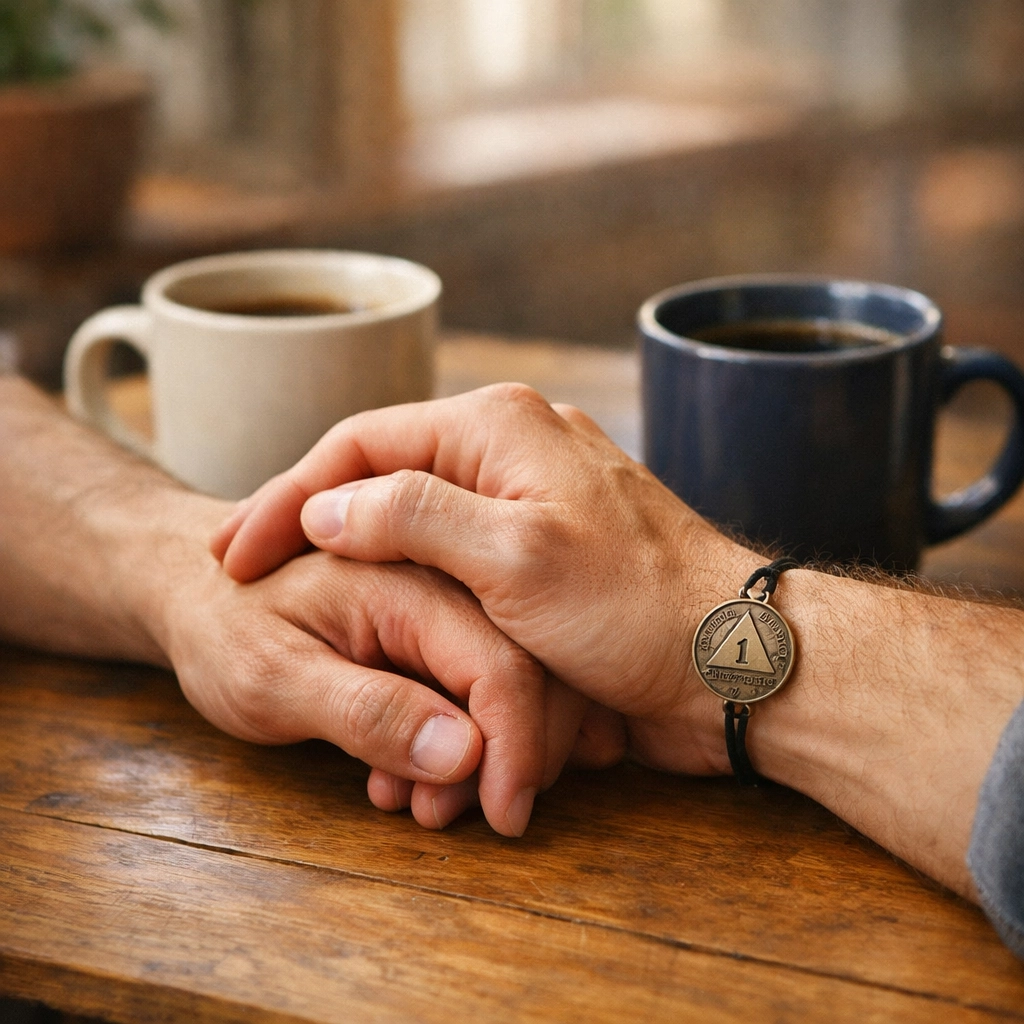
They began with simple touch. Holding hands while watching TV. Cuddling without expectation. Kissing without it leading anywhere. They had to learn each other's boundaries and respect them, even when those boundaries changed day by day.
"We had to destroy the old foundation and build something new," Jamie explained. "It was uncomfortable and awkward, and sometimes we felt like teenagers who didn't know what we were doing. But that's exactly what we needed."
They discovered that intimacy wasn't just physical. It was Marcus texting Jamie during his lunch break just to say he was thinking of him. It was Jamie surprising Marcus with his favorite coffee on rough mornings. It was creating rituals: Sunday morning walks, Tuesday night cooking together, Friday movie nights where phones stayed in another room.
The Ongoing Journey
Two years into recovery, Marcus and Jamie will tell you they're not "fixed." They're in recovery, and that's an ongoing process. Marcus still has days when the urges creep back. Jamie still catches himself seeking validation in old patterns. But now they have tools. They have each other. They have a community.
"People ask if we're glad we stayed together through all of this," Marcus said. "The answer is yes, but not because it was easier. It was harder. Way harder. But we grew in ways we never could have separately."
Their story isn't everyone's story. Some relationships don't survive addiction, and that's okay too. Sometimes the healthiest choice is walking separate paths. But for those who choose to recover together, there's power in shared vulnerability.
Finding Your Story at Read with Pride
At Read with Pride, we believe in authentic LGBTQ+ stories: including the messy ones, the difficult ones, the stories about people fighting their way back from darkness. Our collection of gay romance books, MM novels, and queer fiction includes narratives that explore all aspects of LGBTQ+ life, including recovery and healing.
Whether you're looking for hopeful MM romance books that show healthy relationships, gay fiction that tackles complex issues, or simply queer authors who understand the nuanced experiences of LGBTQ+ folks, our library offers representation that matters.
Because sometimes, the stories that resonate most deeply are the ones that remind us we're not alone on whatever path we're walking.
If you or your partner are struggling with addiction, reach out. Talk to a therapist, find a support group, connect with others who understand. Recovery is possible, whether you walk it alone or together.
Follow Read with Pride:
#LGBTQRecovery #MMRomance #GayRomanceBooks #QueerFiction #ReadWithPride #RecoveryJourney #LGBTQStories #GayFiction #AddictionRecovery #QueerHealing #MMRomanceBooks #LGBTQBooks #GayLoveStories #AuthenticLGBTQ #PrideInRecovery #GayNovels #QueerAuthors #LGBTQSupport #2026GayBooks #MMFiction

Leave a Reply
You must be logged in to post a comment.