

readwithpride.com
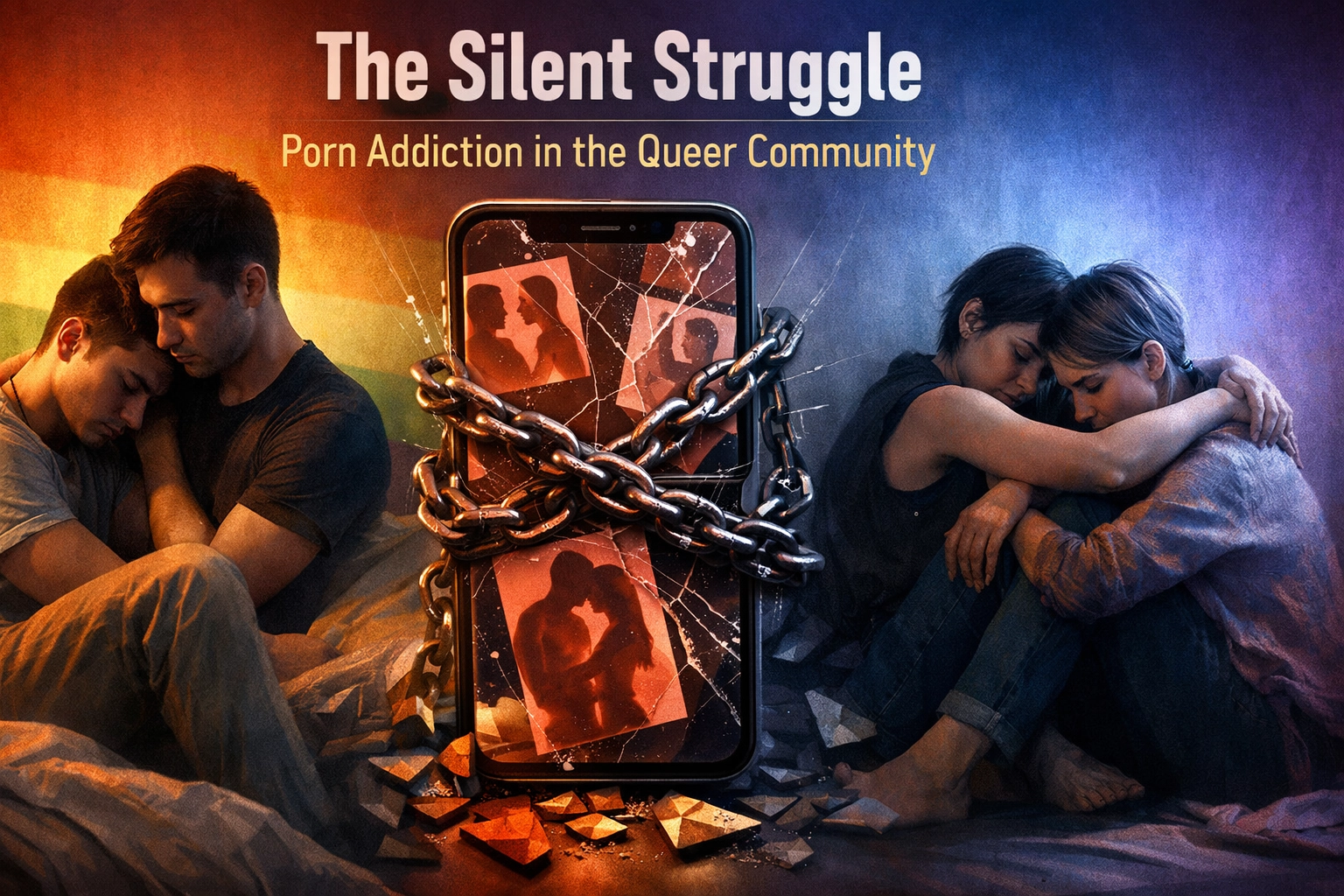
Let's talk about something most people would rather sweep under the rainbow rug: porn addiction in the LGBTQ+ community. It's messy, it's complicated, and honestly, it's something we need to address with nuance rather than judgment.
The Numbers Don't Tell the Whole Story
Here's the thing that might surprise you: while LGBTQ+ individuals report watching porn more frequently than their straight counterparts: sometimes up to three times more often: that doesn't automatically mean we're dealing with higher addiction rates. Research shows that nonheterosexual adolescents and adults use pornography more frequently, but this elevated usage doesn't necessarily translate into problematic consumption or compulsive behavior.
Think of it like this: just because someone reads more books doesn't mean they're addicted to reading. The frequency and the problem are two different conversations we need to have separately.

Why Queer Folks Turn to Porn
Before we label anything as problematic, we need to understand the why behind the behavior. For many LGBTQ+ individuals, especially young people still figuring themselves out, pornography serves a purpose that goes beyond sexual gratification.
When mainstream sex education fails to address queer sexuality (which, let's be real, it usually does), where are queer folks supposed to learn about their bodies and desires? For many, porn becomes an unintended educational resource. It's not ideal, but it's reality. LGBTQ+ adolescents often use pornography to gain information, explore their sexual identity, and see representations of people like themselves in sexual contexts they can't find elsewhere.
It's like trying to learn a language without a textbook: you'll grab whatever resources you can find, even if they're not perfect learning tools.
The Real Struggle: Shame and Secrecy
The "silent struggle" part of porn addiction in the queer community isn't just about the behavior itself. It's about the layers of shame, internalized homophobia, and religious guilt that can transform what might be normal curiosity or even moderate usage into something that feels deeply problematic.
Studies suggest that struggles with pornography in LGBTQ+ communities are often influenced by factors like religiosity and internalized homophobia rather than the frequency of use alone. When you've been told your entire existence is wrong, shameful, or sinful, any expression of your sexuality: including consuming porn: can feel like proof of your "brokenness."
This creates a vicious cycle: watch porn, feel shame about being queer, feel shame about watching porn, use porn to cope with shame, repeat. It's exhausting and isolating.
When Does It Actually Become a Problem?
Let's get practical for a second. General population studies show that approximately 10.3% of men and 3% of women in the U.S. report feeling addicted to pornography, with overall estimates suggesting 3-6% of adults experience porn addiction. We don't have specific comparable rates for LGBTQ+ populations, which honestly tells you something about how under-researched our community's struggles are.
But addiction isn't really about numbers or frequency. It becomes a problem when:
- It interferes with your daily life, work, or relationships
- You're using it to avoid dealing with emotions or trauma
- You feel like you've lost control over your consumption
- It's affecting your mental health or self-esteem
- You're engaging in increasingly risky behavior to get the same satisfaction
- You're choosing porn over real-life intimacy consistently
If you're nodding along to multiple points on that list, it might be time to have an honest conversation with yourself or a professional.
The Intersection of Identity and Addiction
Here's where things get really complex. For many LGBTQ+ individuals, especially those who haven't fully come out or who live in unsupportive environments, porn might be the only safe space to explore their sexuality. It's private, accessible, and doesn't require vulnerability with another person.
But this can also create an unhealthy relationship with sexuality where intimacy becomes something that only exists behind a screen. When you're conditioned to keep your desires hidden, the transition from private fantasy to real-world connection can feel impossible.
Breaking the Silence at Read with Pride
At readwithpride.com, we believe in authentic queer stories that explore the full spectrum of LGBTQ+ experiences: including the messy, complicated parts. While we focus on MM romance books and gay fiction that celebrate queer love and desire, we also recognize that healthy sexuality includes understanding when our coping mechanisms might need a reality check.
Reading gay romance novels and LGBTQ+ fiction can actually be part of developing a healthier relationship with sexuality and intimacy. Unlike porn, MM romance books typically include emotional context, relationship development, and characters who deal with real-world complications. They show that queer desire exists within the framework of full, complex human lives.
Moving Forward Without Judgment
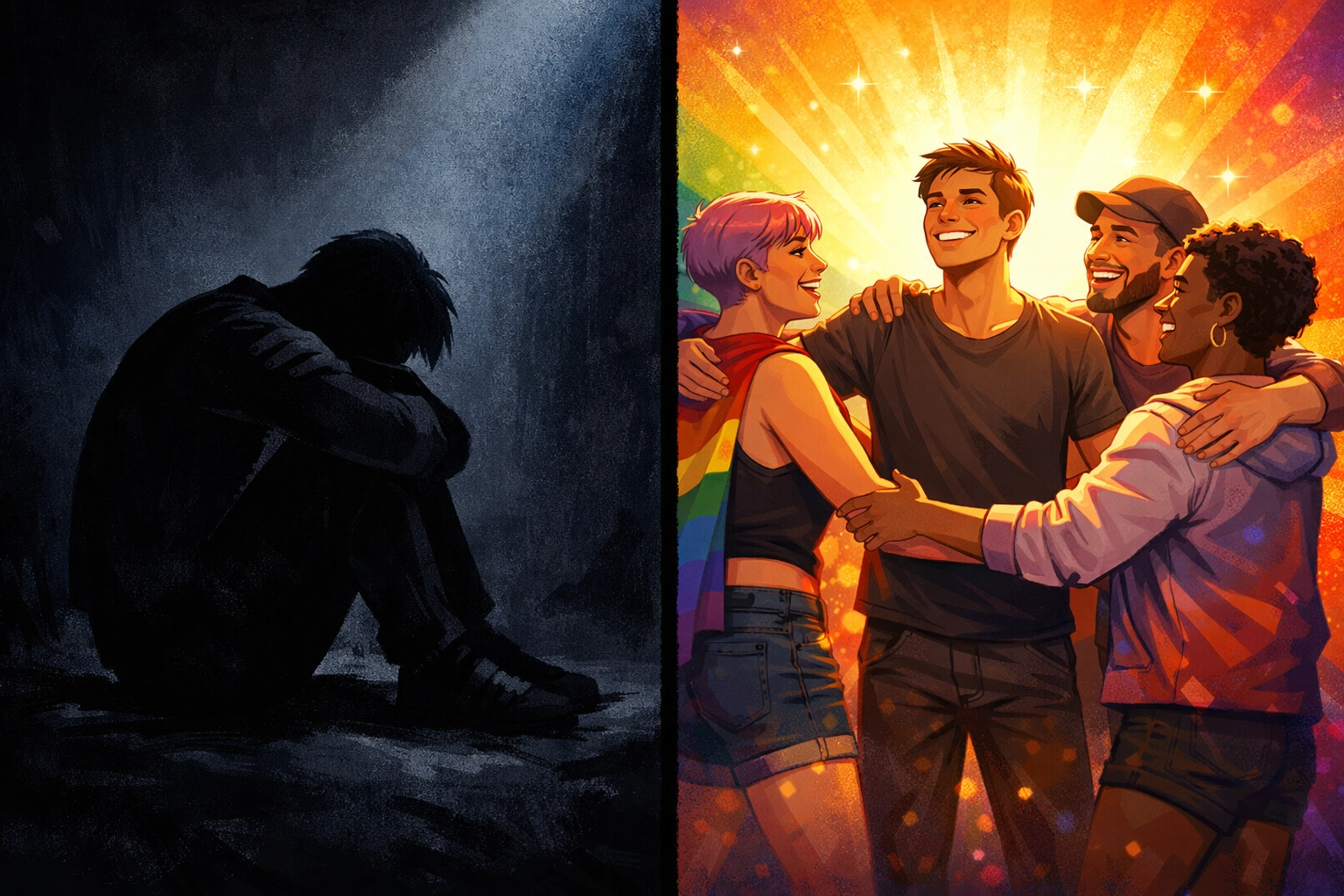
If you're struggling with porn use: whether it's truly addictive behavior or just causing you distress: you're not broken, and you're definitely not alone. The LGBTQ+ community has faced enough shame and stigma; we don't need to pile more on ourselves.
Consider these steps:
Examine your motivations: Are you watching porn to learn about sexuality, for pleasure, to avoid feelings, or out of compulsion? Understanding the why helps determine if there's actually a problem.
Challenge internalized shame: Sometimes the "addiction" is actually just internalized homophobia making you feel guilty about normal sexual expression. A queer-affirming therapist can help you sort this out.
Create balance: If porn is your only source of sexual expression or education, consider diversifying. Read gay books, engage with LGBTQ+ content that explores sexuality with more context, connect with community.
Seek support: Whether it's therapy, support groups, or trusted friends, you don't have to figure this out alone. Look for resources specifically geared toward LGBTQ+ experiences.
The Bottom Line
The conversation about porn addiction in the queer community needs more nuance than "porn bad, abstinence good." We need to acknowledge the unique factors that influence LGBTQ+ pornography consumption while also recognizing when usage crosses into unhealthy territory.
Your sexuality isn't shameful. Your curiosity isn't wrong. But if porn is replacing real connection, feeding into self-hatred, or controlling your life, it's worth examining: not from a place of judgment, but from a place of self-care and community support.
At Read with Pride, we're committed to providing positive representations of queer sexuality through our collection of MM romance, gay romance books, and LGBTQ+ fiction. Sometimes, the healthiest thing we can do is replace shame with stories that celebrate who we are.
Connect with us:
- Follow us on Facebook
- Visit readwithpride.com for the best MM romance books
- Follow on Twitter/X
- Find us on Instagram
#LGBTQBooks #MMRomance #GayRomance #QueerFiction #ReadWithPride #LGBTQCommunity #MentalHealthMatters #QueerMentalHealth #MMRomanceBooks #GayFiction #LGBTQSupport #QueerStories #GayLoveStories #MMBooks #SexualHealth #LGBTQWellness #GayNovels #2026LGBTQBooks #QueerReading #PrideReading

Leave a Reply
You must be logged in to post a comment.