

readwithpride.com
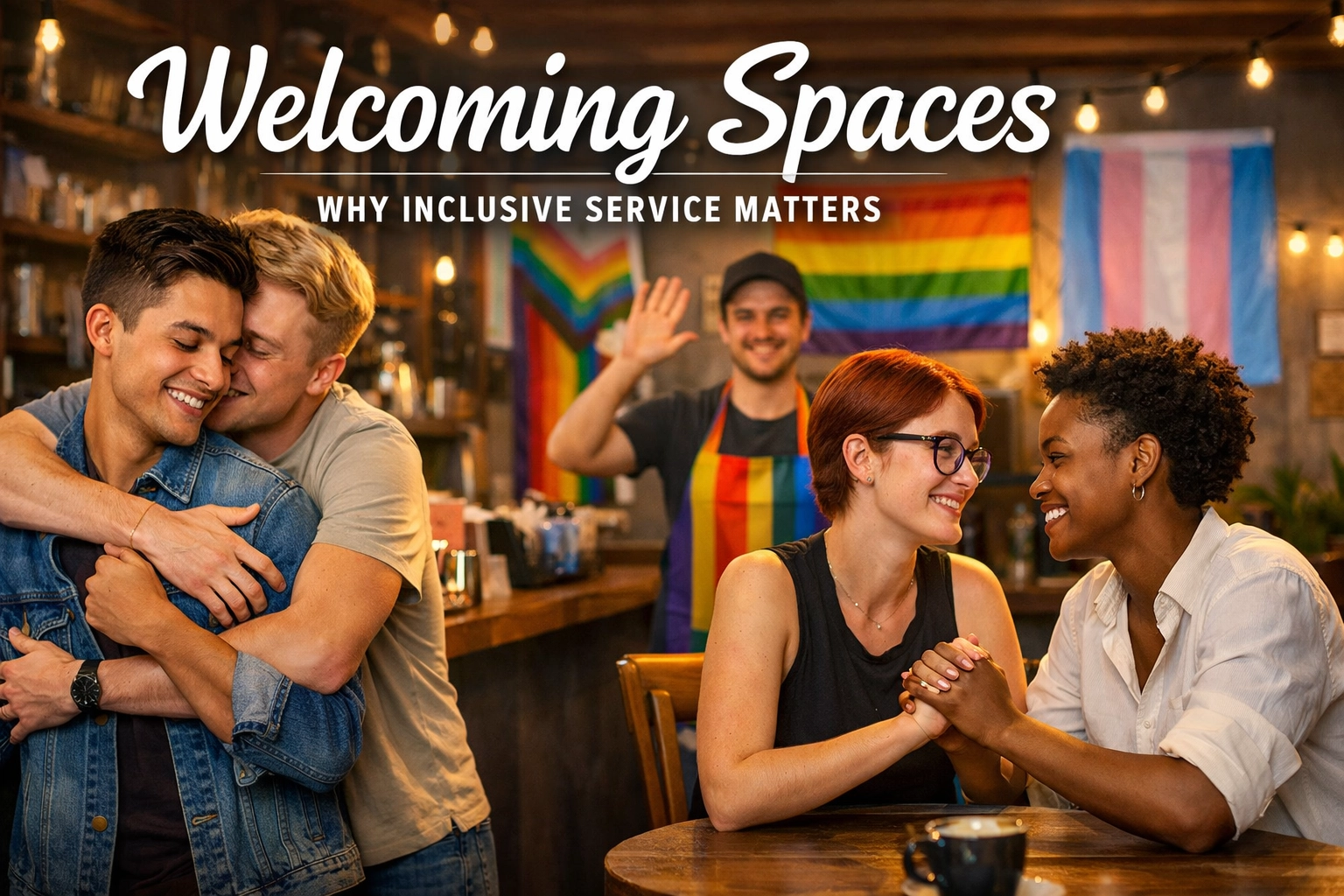
You know that feeling when you walk into a space and just know you belong? Or worse, when you step through a door and immediately sense you need to edit yourself? In the hospitality industry, hotels, restaurants, bars, and cafés, that first impression isn't just about aesthetics. It's about whether you can be fully, authentically yourself.
For LGBTQ+ travelers and diners, inclusive service isn't a luxury. It's the difference between a relaxing vacation and a stressful one. Between enjoying a romantic anniversary dinner and feeling like you're under a microscope. Between recommending a place to every queer person you know and warning them to stay away.
What Actually Makes a Space Inclusive
Inclusive hospitality goes way beyond slapping a rainbow flag in the window during June (though we appreciate the effort). True inclusion is baked into every aspect of service, from the booking process to checkout.
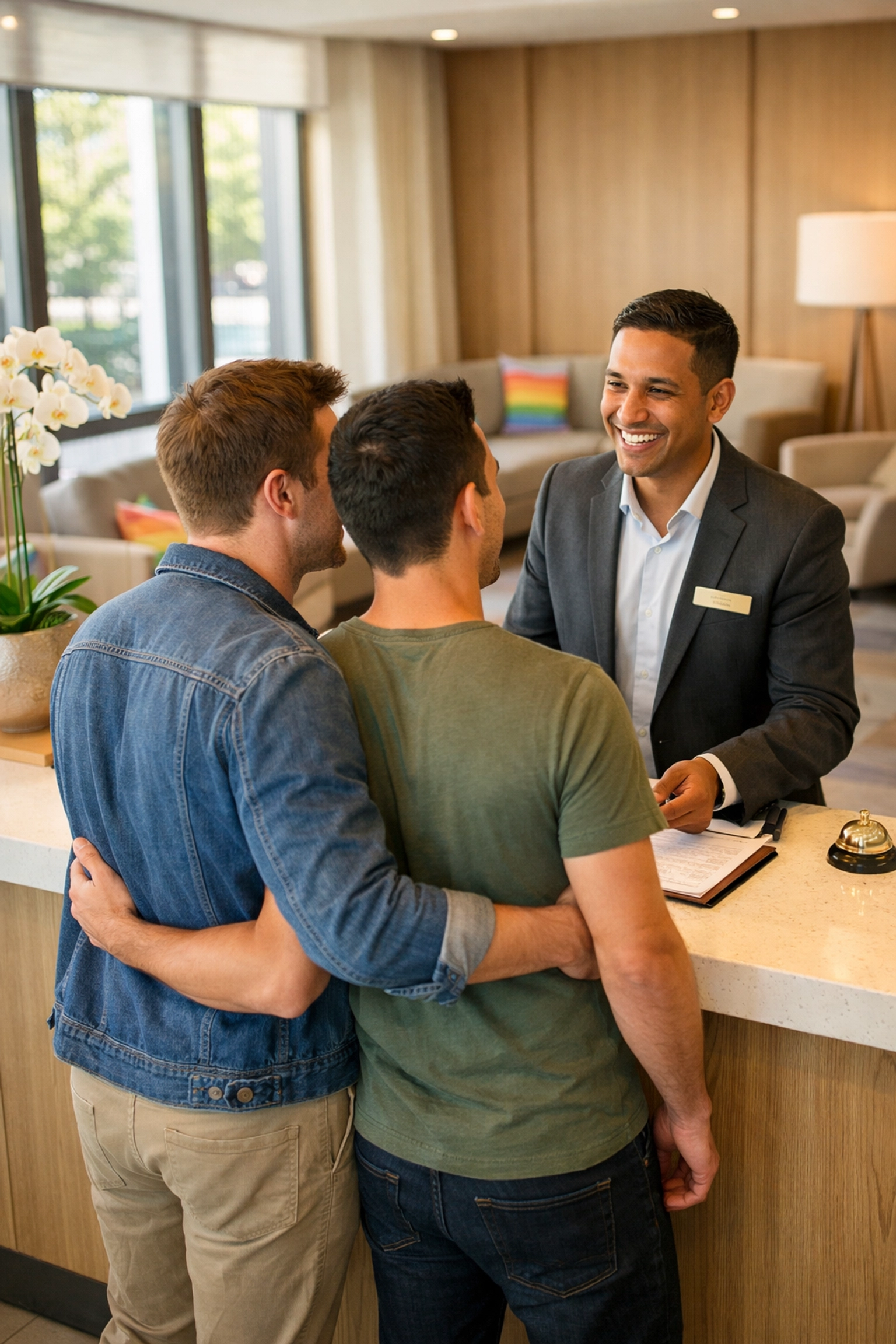
It starts with training. Staff who understand that not all couples are straight, that pronouns matter, and that assumptions about gender and relationships can make guests uncomfortable. It's the hotel clerk who asks "Will you and your partner need one bed or two?" instead of assuming. It's the restaurant server who doesn't do a double-take when two men order a bottle of champagne to celebrate their anniversary.
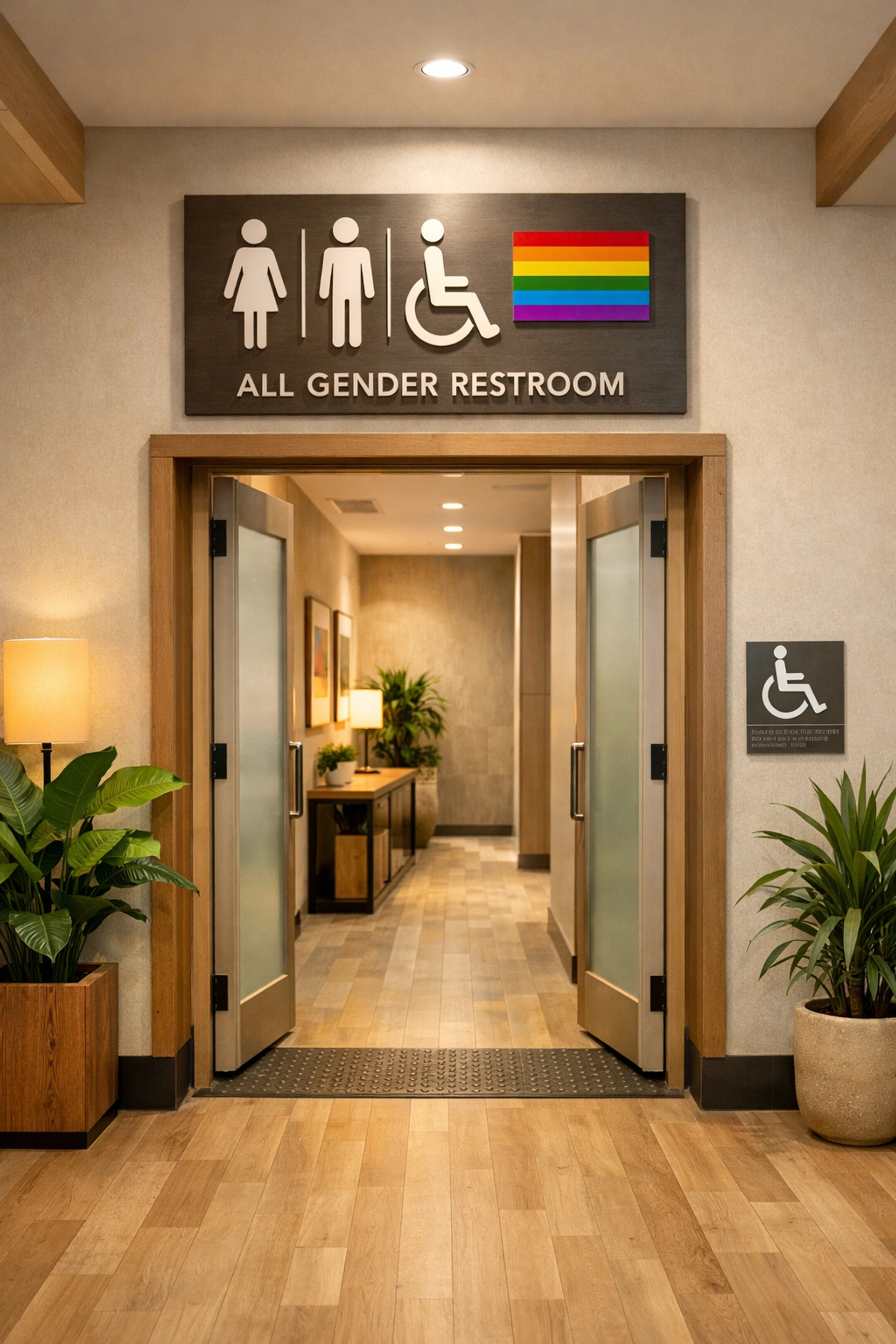
The physical space matters too. Gender-neutral bathrooms signal that trans and non-binary guests are welcome. Discreet privacy options for same-sex couples who might be traveling from less accepting places. Reading materials in lobbies and waiting areas that reflect diverse experiences, yes, like the MM romance books and LGBTQ+ fiction you can find at Read with Pride.
But here's the thing: inclusive design benefits everyone. Research shows that companies embracing inclusion are 1.7 times more innovative than their competitors. When you design services considering diverse needs from the start, you create better experiences across the board. Those curb cuts designed for wheelchair users? Parents with strollers love them too. The same principle applies in hospitality.
The Real Impact of Feeling Seen
Let's be honest: most LGBTQ+ folks have a mental database of which places feel safe and which don't. We share this information like secret intelligence. "That hotel has an amazing queer concierge team." "Avoid that restaurant: they were weird about us holding hands." "The staff at this café uses they/them pronouns without being asked."
This matters because travel and dining out should be joyful experiences, not exercises in self-censorship. When you're constantly calculating whether it's safe to be yourself, you can't fully relax. You can't fully enjoy the experience you're paying for.

Inclusive service transforms that dynamic entirely. Imagine checking into a hotel where the staff casually acknowledges your same-sex spouse with the same warmth and professionalism they'd show any couple. Where you can reference your partner without that split-second hesitation. Where you see other queer couples and families, comfortable and visible.
That's not just good service: it's revolutionary. It's what every LGBTQ+ person deserves as a baseline, not a special accommodation.
What to Look For
So how do you identify genuinely inclusive establishments before you book? Here are the green flags:
Explicit inclusion policies. Check the website. Do they specifically mention LGBTQ+ guests? Do they have non-discrimination policies that include sexual orientation and gender identity? Many hotels now have dedicated pages about their commitment to diversity.
Staff training programs. The best establishments don't just hire diverse teams: they actively train everyone on LGBTQ+ competency. Some hotels partner with organizations like the International LGBTQ+ Travel Association to ensure their staff is educated.
Community involvement. Does the business actually engage with local LGBTQ+ communities year-round, or do they just show up for Pride month? Authentic allies are in it for the long haul.
Guest reviews. Look for mentions from other LGBTQ+ travelers. Sites like misterb&b and specific sections of TripAdvisor can give you the real scoop on how welcoming a place actually is.
The details matter. Does the booking form allow for diverse family structures? Can you easily indicate pronouns? Are there options beyond "Mr." and "Mrs." in their systems?
Why This Benefits the Business Too
Let's talk economics for a second. The LGBTQ+ travel market is worth billions. We're loyal to brands that treat us well, and we're vocal about it. Companies that prioritize inclusive service see tangible benefits:
They expand their customer base significantly. They build stronger reputations: 85% of organizations report that accessibility and inclusion positively impact their company's social vision. They foster innovation by considering diverse perspectives. And they create environments where employees want to work, leading to better service overall.
When a restaurant makes all guests feel welcome, they're not just doing the right thing morally: they're making a smart business decision. Word spreads fast in queer communities. We support businesses that support us.
Beyond Tolerance to Celebration
Here's the distinction: tolerance is bare minimum. True inclusion means celebration. It's the hotel that stocks rooms with gay romance novels alongside other reading options. The restaurant that acknowledges Pride month with genuine partnership, not performative gestures. The café that becomes a genuine community gathering space for local LGBTQ+ folks.
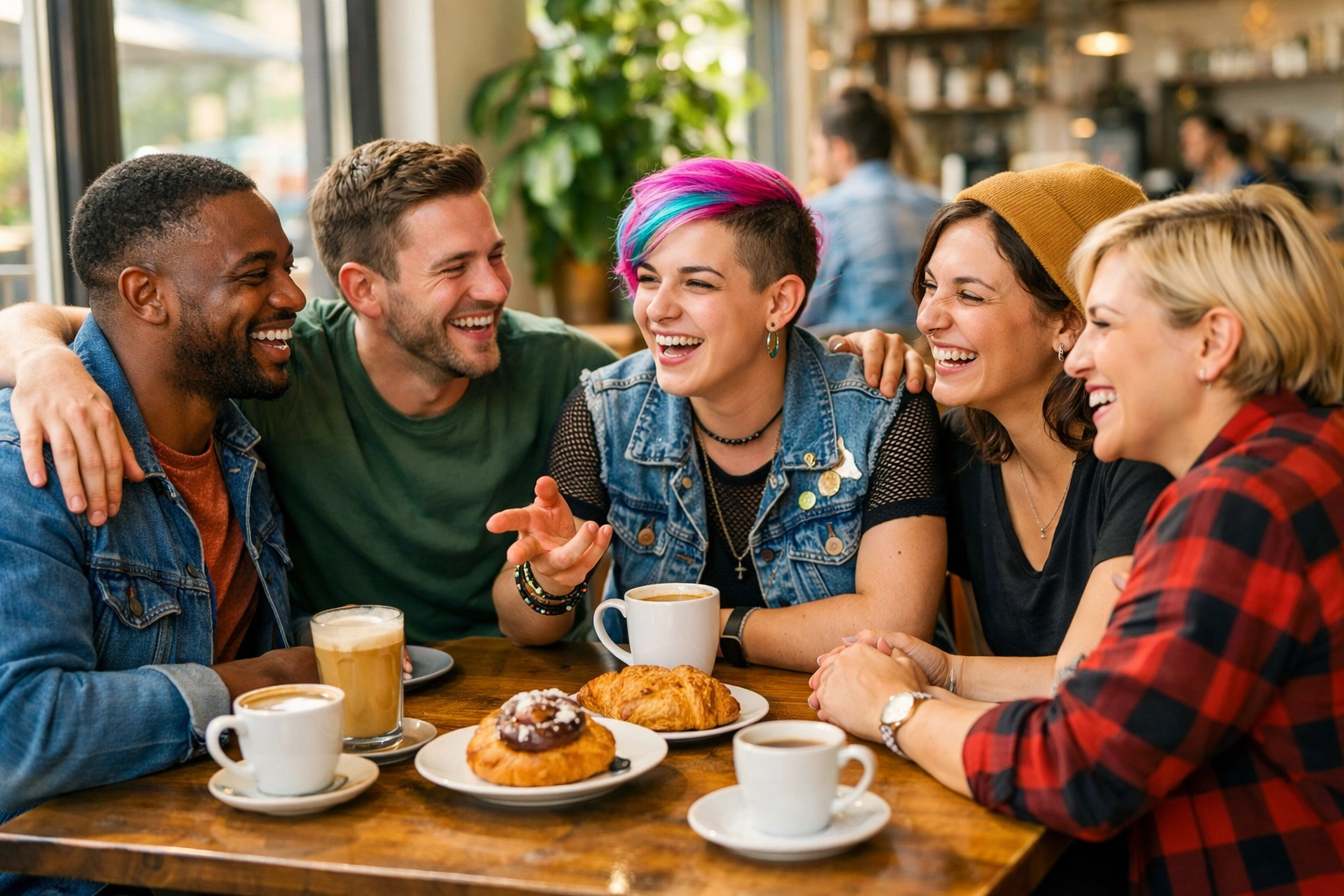
These spaces understand that our identities aren't problems to be tolerated: they're integral parts of who we are, worthy of celebration and visibility. They get that representation matters, whether that's in the art on the walls, the books in the lobby, or the way staff naturally incorporate diverse stories into their interactions.
At Read with Pride, we believe in the power of seeing ourselves reflected in the world around us. That's why we publish queer fiction, MM contemporary romance, and gay love stories that honor our experiences. The same principle applies to physical spaces: we thrive when we see ourselves.
The Path Forward
The good news? More businesses are getting it right. From boutique hotels to major chains, there's growing recognition that inclusive service isn't a niche market strategy: it's essential hospitality.
But we still have work to do. Many LGBTQ+ people, especially trans folks and queer people of color, still face discrimination in service industries. Progress isn't universal or consistent. That's why it's crucial to support businesses that genuinely commit to inclusion and hold accountable those that fall short.
Your choices matter. Book hotels with strong inclusion policies. Dine at restaurants that welcome all families. Leave reviews that mention inclusive service so other LGBTQ+ travelers can find these spaces. And when you encounter discrimination, speak up: whether that's to management, on review sites, or with your wallet.
The hospitality industry has immense power to shape how welcomed: or unwelcome: people feel. When done right, inclusive service doesn't just accommodate LGBTQ+ guests; it actively celebrates us. It recognizes that our relationships, our families, and our stories deserve the same respect and enthusiasm as anyone else's.
That's the standard we should demand. Not as a special favor, but as basic human dignity. And until every hotel lobby, restaurant table, and café counter extends that welcome equally, we keep pushing, keep speaking up, and keep supporting the businesses that get it right.
Connect with us:
Follow @Read_With_Pride | Facebook | Instagram
Discover inclusive stories at readwithpride.com
#LGBTQTravel #InclusiveHospitality #QueerTravel #GayTravel #LGBTQInclusion #ReadWithPride #MMRomance #QueerFiction #LGBTQCommunity #InclusiveService #GayRomanceBooks #LGBTQBooks #TravelWithPride #AuthenticHospitality #QueerStories

Leave a Reply
You must be logged in to post a comment.