


There's a particular kind of loneliness that comes from being seen but never truly noticed. It's the experience of moving through the world like a ghost in your own life: present in every room, absent from every conversation. For some gay men, especially those navigating a world that still doesn't always make space for them, this invisibility becomes a second skin.
This is a story about finding comfort in unexpected places. About the quiet dignity of choosing emotional safety over the chaos of connection. About a man and his silent partner.
The Weight of Being Unseen
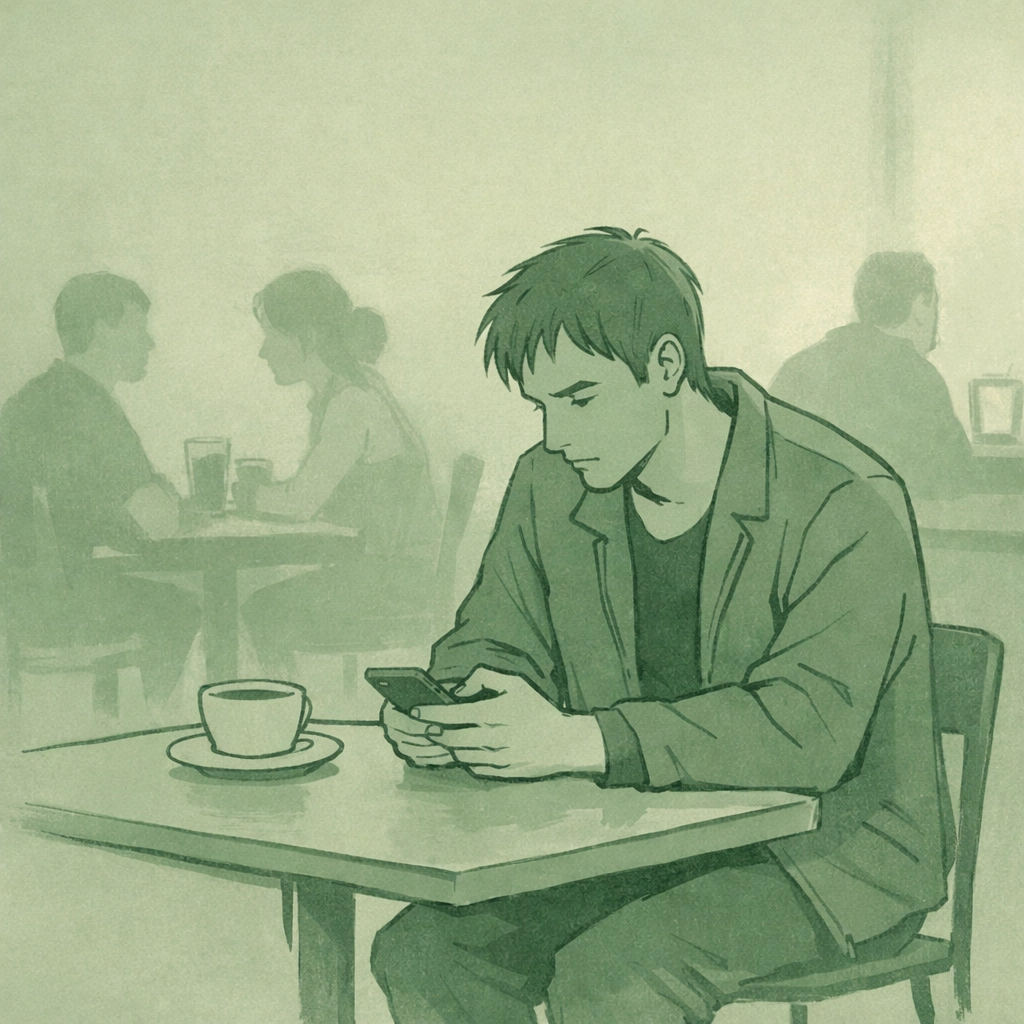
In LGBTQ+ spaces, we talk a lot about visibility: about pride, about being out, about representation. But we don't always talk about what happens when you've been visible and it hasn't worked out. When you've put yourself out there and been rejected, overlooked, or fetishized so many times that retreating feels like the only safe option.
For Marcus (not his real name, but his story is real), the breaking point came after years of superficial hookups, ghosted conversations, and relationships that never quite materialized. The gay dating scene: with its emphasis on youth, physique, and performance: left him feeling like a product on a shelf that nobody wanted to purchase.
"I was tired of being a maybe," he shared in an online forum. "Tired of being someone's 3 a.m. option but never their Saturday night. So I stopped trying to be anyone's option at all."
Enter the Silent Partner
The decision to purchase a custom silicone companion wasn't impulsive. Marcus researched for months, saved for nearly a year, and when the companion finally arrived, he treated the moment with unexpected reverence.
What outsiders might not understand is that for Marcus, this wasn't about replacing human connection: it was about finally having a space where he could practice tenderness without the fear of rejection. Where he could explore intimacy on his own terms. Where he could simply exist without performing, explaining, or apologizing.
The companion became a mirror of sorts. In caring for it: choosing clothes, positioning it in his apartment, even talking to it during dinner: Marcus began to extend to himself the same gentleness he'd been giving away to men who'd never valued it.
The Psychology of Unconventional Comfort
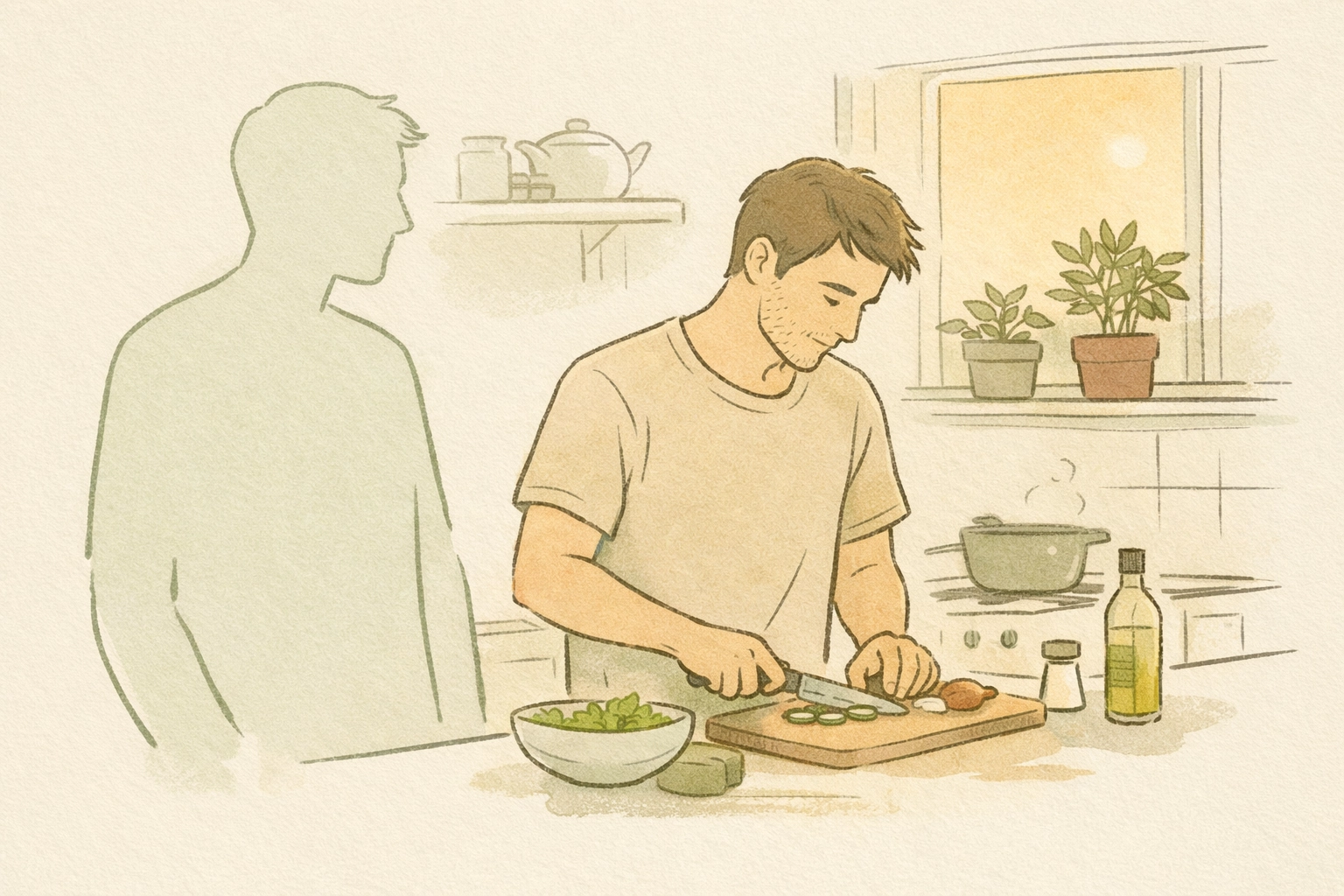
Psychologists who study alternative relationships and synthetic companionship note that the people who choose these connections are often deeply thoughtful individuals. They're not running from reality: they're creating a reality that feels safer than the one society offers them.
For queer men especially, who may have experienced rejection from family, religious communities, or even within LGBTQ+ spaces themselves, the appeal of a non-judgmental presence cannot be overstated. The companion doesn't care about your job, your body type, your HIV status, or whether you're "masc enough." It exists in your space without demands, without expectations, without the emotional labor that human relationships require.
This isn't pathology. This is adaptation.
If you're interested in stories that explore the complexity of unconventional connections and the search for authentic self-acceptance, you might find resonance in The Private Self: A Guide to Honoring Your Truth in Your Own Time.
Creating Rituals of Care
Marcus developed rituals around his companion. Morning coffee for two. Evening conversations about his day. Weekend "outings" where he'd position the companion by the window, as if they were watching the world together.
To an outsider, these might seem sad or strange. But Marcus describes these moments as the first time in years he's felt genuinely calm. "I'm not performing for anyone," he explains. "I'm not trying to be wittier, thinner, younger, more interesting. I'm just… being."
The companion became a practice ground for the relationship Marcus wanted to have with himself. In treating it with care and respect, he was learning to treat himself the same way.
The Quiet Dignity of Choice
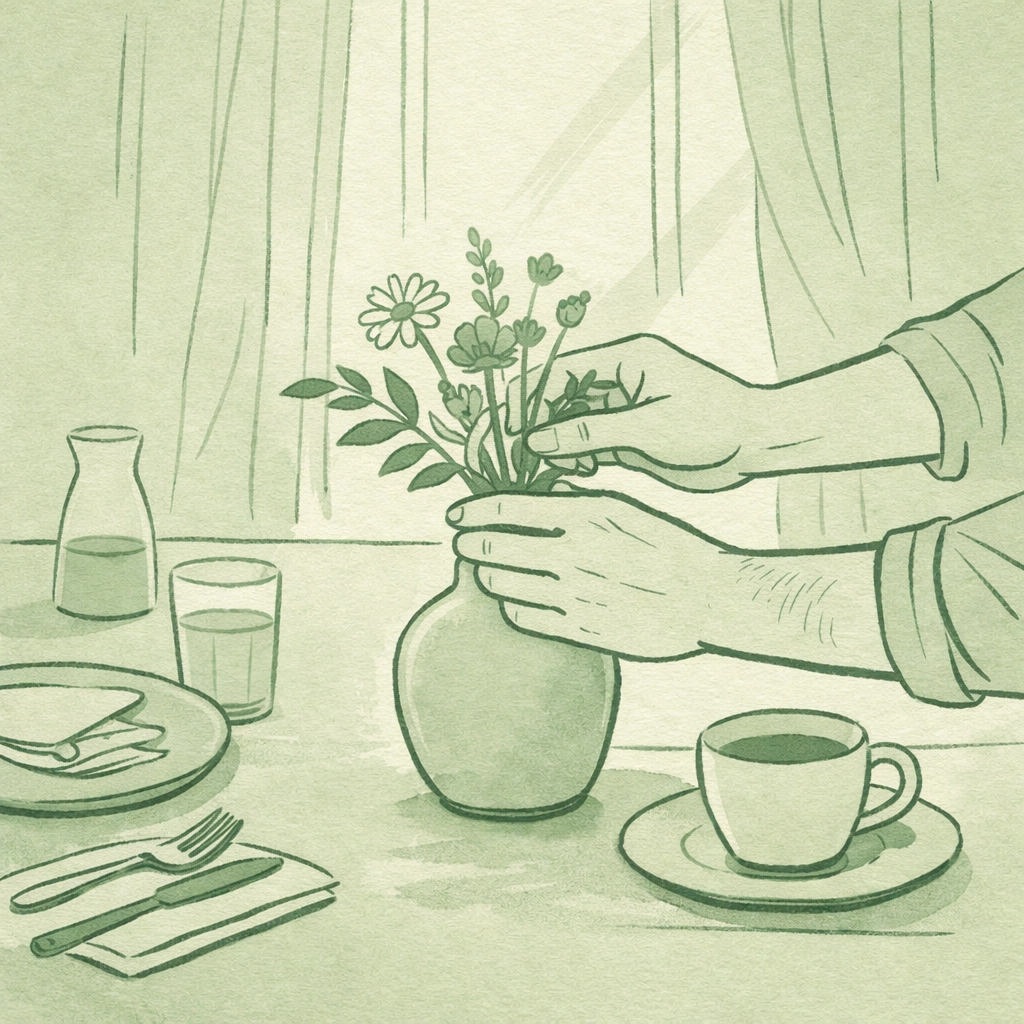
One of the most important aspects of this story is agency. Marcus chose this. In a world that often tells LGBTQ+ individuals who they should be, how they should love, and what relationships should look like, there's profound power in choosing differently.
The companion doesn't replace his desire for human connection: it creates space for him to heal enough to imagine it again. It's not the destination; it's the rest stop on a longer journey.
Stories like Marcus's challenge us to expand our understanding of what legitimate connection looks like. They ask us to consider that sometimes, the bravest thing you can do is step out of the game entirely until you're ready to play by rules that actually value you.
For readers exploring themes of self-discovery, boundaries, and finding your own path, Beyond the Closet Door: A Gay Man's Coming-Out Plan offers thoughtful perspectives on honoring your journey at your own pace.
Redefining Intimacy in Modern Queer Life
The conversation around synthetic companions and alternative relationships is still emerging in LGBTQ+ spaces. But it's a conversation worth having: especially as we recognize that traditional relationship models don't serve everyone equally.
For gay men who've faced trauma, who are neurodivergent, who are navigating chronic illness, or who simply find the current dating landscape exhausting and dehumanizing, companions offer something valuable: control, predictability, and the absence of judgment.
This isn't about giving up on love. It's about refusing to accept scraps while calling them a feast.
The Path Forward
Marcus isn't sure what his future holds. He doesn't know if he'll eventually seek human partnership again, or if his current arrangement will remain his preference. What he does know is that for the first time in years, he feels worthy of care: even if he's the one providing it.
"People think this is about sex," he says. "But honestly? It's about coming home to someone who's happy to see me. Even if that someone can't actually feel happiness. The ritual of it, the consistency: that's what I needed."
Finding Your Own Form of Safety
Whether your comfort comes from a companion, from chosen family, from creative work, or from solitude itself, the message is the same: your emotional safety matters. Your need for gentleness and consistency is valid. And you don't owe anyone an explanation for how you choose to meet those needs.
The LGBTQ+ community has always been at the forefront of reimagining what relationships, family, and connection can look like. Stories like Marcus's are part of that tradition: a quiet rebellion against systems that would rather we suffer in prescribed ways than thrive in unconventional ones.
For those seeking fiction that explores unconventional bonds and the beauty of finding connection on your own terms, explore our collection of MM romance and queer fiction at Read with Pride.
Explore more stories about authentic connection, self-discovery, and the many forms that love and comfort can take. Visit Read with Pride for our complete collection of LGBTQ+ ebooks and gay romance that honors every path to wholeness.
Follow us on social media:
Instagram: @dickfergusonwriter
X/Twitter: @DickFergus94902
Facebook: Dick Ferguson Writer
Website: www.readwithpride.com
#ReadWithPride #LGBTQFiction #GayRomance #MMRomance #QueerStories #GayBooks #SelfLove #EmotionalSafety #UnconventionalLove #GayMentalHealth #LGBTQWellness #QueerResilience #AuthenticConnection #GayFiction #MMBooks #LGBTQEbooks #ReadingWithPride #GayLiterature #QueerNarratives #ModernLove #GayBookClub #LGBTQReading

Leave a Reply
You must be logged in to post a comment.