


The Invisible Barrier: Living Authentically in the Most Unforgiving Spaces
Behind bars, walls are everywhere. Concrete. Steel. Razor wire. But the most impenetrable walls aren't always visible. For gay men navigating life in prison: one of the most hyper-masculine, unforgiving environments imaginable: the psychological barriers can be far more crushing than any physical confinement.
This is the reality explored in stories that dare to look beyond stereotypes and examine the raw courage it takes to remain authentic when everything around you demands you disappear.
The Weight of Being Seen
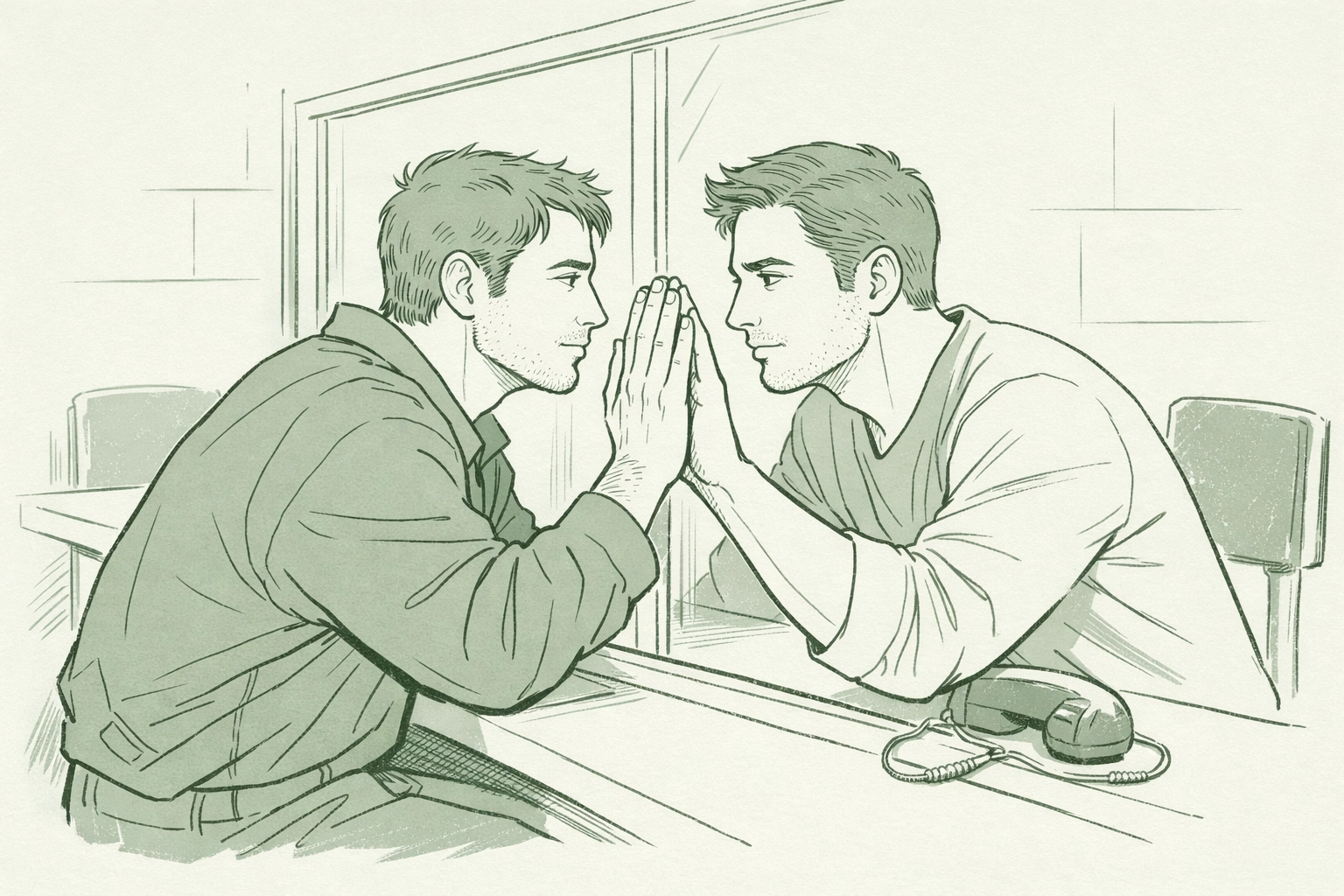
In prison culture, traditional masculinity isn't just expected: it's enforced through an unspoken code that governs every interaction, every gesture, every glance. To be openly gay in this environment is to exist behind walls of glass: visible, vulnerable, exposed to judgment and threat at every moment.
The psychological toll is immense. Studies on LGBTQ+ individuals in correctional facilities reveal elevated rates of anxiety, depression, and trauma. But what statistics can't capture is the daily calculus of survival: the constant decision-making about when to be visible and when to fade into the background.
For some, the choice is taken away entirely. Their authenticity shines through whether they want it to or not, making them targets but also, paradoxically, beacons for others who live in silence.
Resilience Isn't Quiet
There's a misconception that resilience means suffering in silence, that strength is measured by how well you can hide your pain. But true resilience: the kind that sustains the human spirit in the darkest places: is something altogether different.
It's the man who refuses to alter his walk, his voice, his essence, even when doing so would make life easier. It's the quiet defiance of maintaining dignity when the world strips away everything else. It's finding connection in a place designed to isolate.
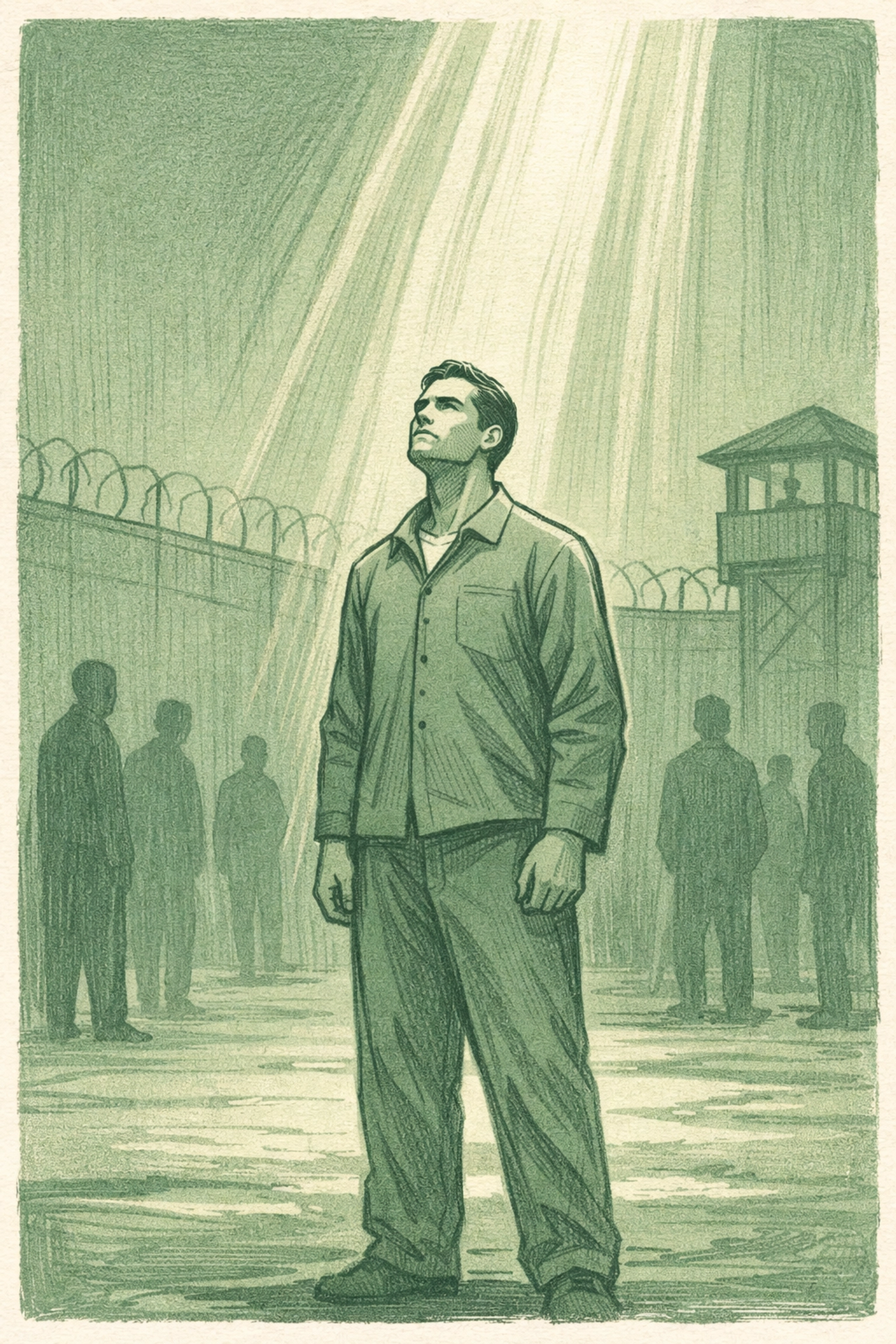
This kind of strength doesn't always roar. Sometimes it whispers. Sometimes it's simply the act of waking up and choosing to remain yourself for one more day.
The Hidden Community
Within the rigid hierarchy of prison life, unexpected networks form. Men who might never have crossed paths on the outside find each other through coded language, shared glances, and an unspoken understanding of what it means to navigate the same invisible obstacles.
These connections become lifelines. A nod of acknowledgment in the yard. A carefully worded conversation in the library. Notes passed through trusted intermediaries. In an environment built on isolation and mistrust, these moments of recognition carry profound weight.
The LGBTQ+ community behind bars creates its own culture of survival: one that balances visibility with safety, authenticity with strategy. It's a delicate dance that requires constant awareness and extraordinary emotional intelligence.
The Protector and the Protected
One of the most complex dynamics in prison involves relationships that form out of necessity but evolve into something deeper. The "protector" model: where a stronger or more established inmate offers safety to someone more vulnerable: is often transactional at first. But human connection has a way of complicating even the most straightforward arrangements.
What begins as survival can transform into genuine care, respect, and even love. These relationships challenge the toxic masculinity that dominates prison culture, offering a different model of what strength can look like: one that includes tenderness, loyalty, and emotional vulnerability.
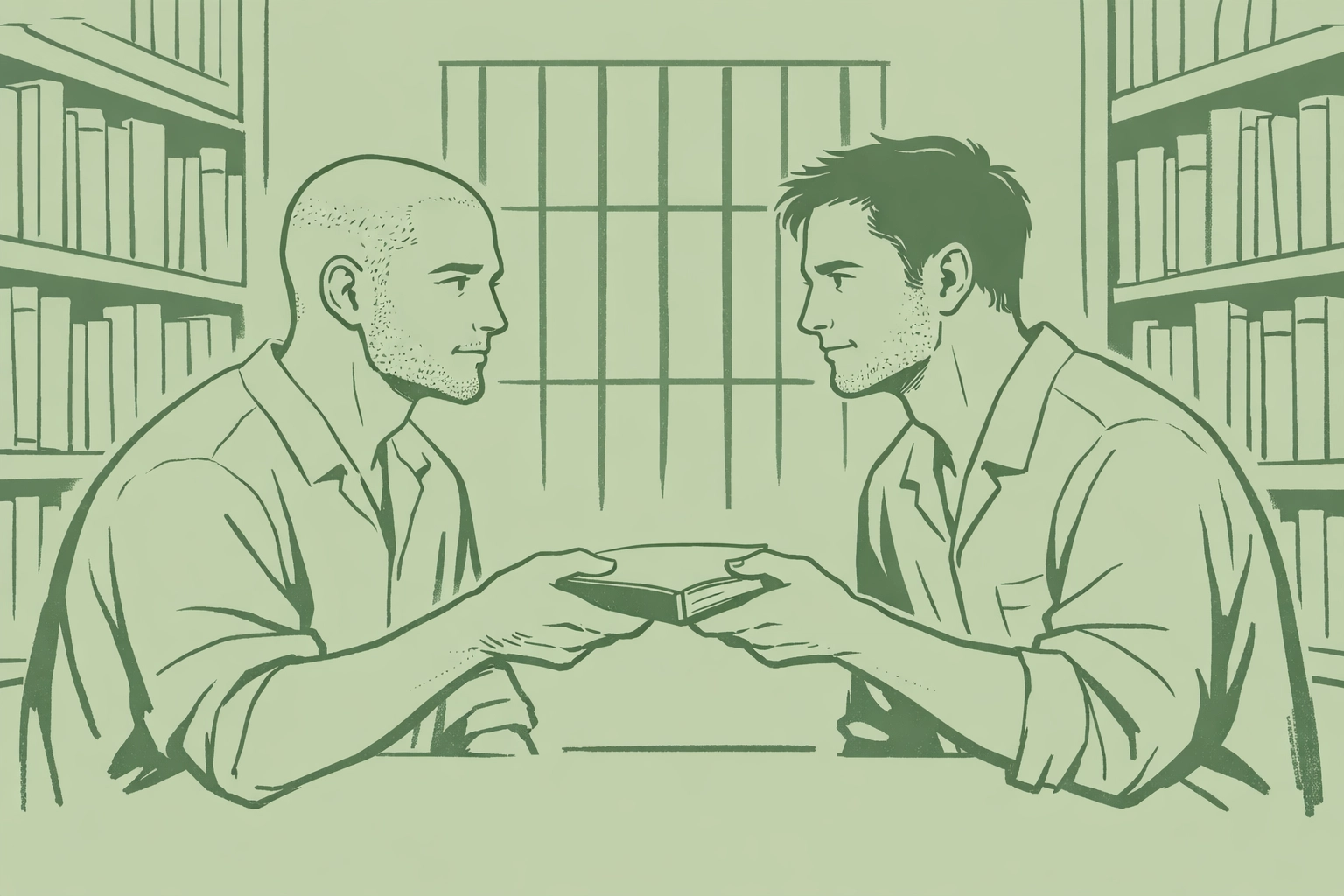
These stories resonate because they reveal universal truths about human connection: that we all need to be seen, that authentic relationships can bloom in the most unlikely soil, and that love: in all its forms: is an act of defiance against systems designed to dehumanize.
Literature as a Window
Fiction has a unique power to illuminate experiences that society often prefers to ignore. Gay romance and MM fiction that explores prison life doesn't sensationalize or exploit: it humanizes. It asks readers to see beyond the crime, beyond the sentence, to the person still living, still feeling, still hoping.
Books like The Den: Echoes Under Leather explore power dynamics and hidden identities in confined spaces, while titles like The Divided Sky examine the psychological complexity of living double lives under oppressive systems.
For readers seeking LGBTQ+ fiction that doesn't shy away from difficult realities, these narratives offer both mirror and window: reflecting experiences of marginalization while opening perspectives on resilience that inspire.
The Courage to Remain
Perhaps the most profound aspect of being out in prison is what it teaches about the nature of identity itself. When every external validation is stripped away: when you can't rely on supportive friends, affirming workplaces, or safe social spaces: what remains?
For those who choose authenticity in the most hostile environments, the answer is clear: identity isn't something you perform for others. It's who you are when no one is looking, when there's no reward for honesty, when survival might actually be easier if you could just pretend to be someone else.
This is the core of resilience: not the absence of fear, but the presence of self even in the face of it.
Breaking Through the Glass
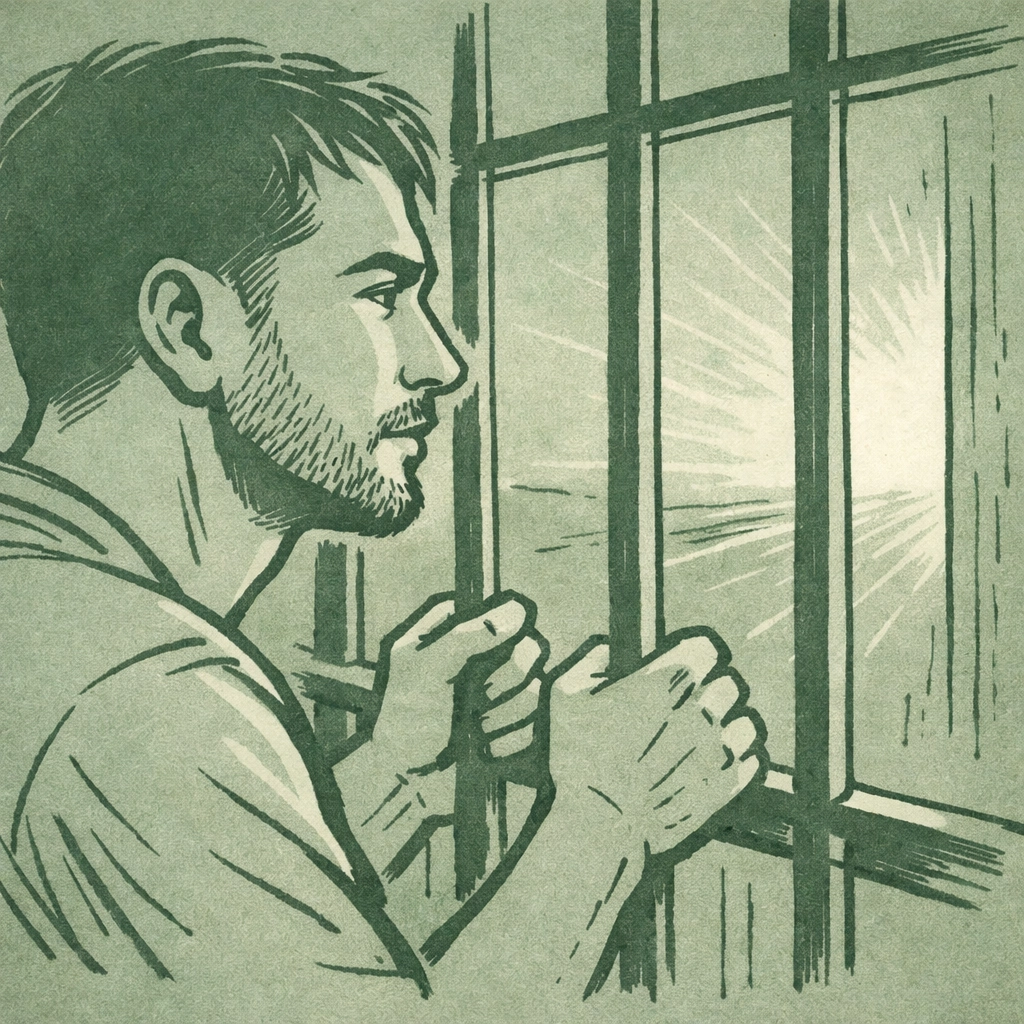
The walls of glass that surround openly gay men in prison are both barrier and lens. They isolate, but they also magnify. Every act of courage becomes visible, every moment of authenticity resonates beyond the individual.
When one person refuses to hide, it creates space for others to breathe a little easier. When vulnerability is met with humanity rather than violence, the entire social structure shifts slightly. These small acts of defiance accumulate, creating cracks in systems that seem unbreakable.
For readers interested in exploring these themes through contemporary gay romance and LGBTQ+ literature, the catalog at Read with Pride offers diverse narratives that center male/male relationships across various settings and challenges.
Why These Stories Matter
We read gay fiction and MM novels not just for escape but for understanding. Stories about resilience in extreme circumstances remind us that courage comes in many forms: some loud, some quiet, all valuable.
They challenge us to examine our own authenticity: Where do we hide? What walls: glass or otherwise: have we built around ourselves? How might we live more courageously in our own contexts?
For those navigating their own journeys of self-acceptance, resources like Beyond the Closet Door and The Private Self offer practical guidance alongside emotional support.
The Unbreakable Spirit
At its heart, the experience of being out in prison: or in any hyper-masculine, hostile environment: is a testament to the human spirit's refusal to be broken. It's proof that authenticity isn't a luxury reserved for safe spaces; it's a fundamental part of who we are that persists even when expressing it comes at tremendous cost.
These are the stories we need. Stories that don't offer easy answers or comfortable narratives, but instead honor the complexity of living authentically in a world that often demands conformity. Stories that recognize both the pain and the power of visibility.
For more gay romance books that explore themes of resilience, identity, and courage, visit dickfergusonwriter.com and discover narratives that will challenge and inspire.
Follow us on social media:
Instagram: @dickfergusonwriter
X/Twitter: @DickFergus94902
Facebook: Dick Ferguson Writer
Explore our full collection at readwithpride.com
#WallsOfGlass #GayFiction #MMRomance #LGBTQFiction #ReadWithPride #GayRomanceBooks #QueerLiterature #MMNovels #GayLiterature #AuthenticityMatters #LGBTQBooks #GayNovels #PrisionRomance #ResilienceStories #GayContemporaryRomance #ReadingWithPride #QueerReads #GayBookRecommendations #2026GayBooks #MMAuthors

Leave a Reply
You must be logged in to post a comment.