

readwithpride.com
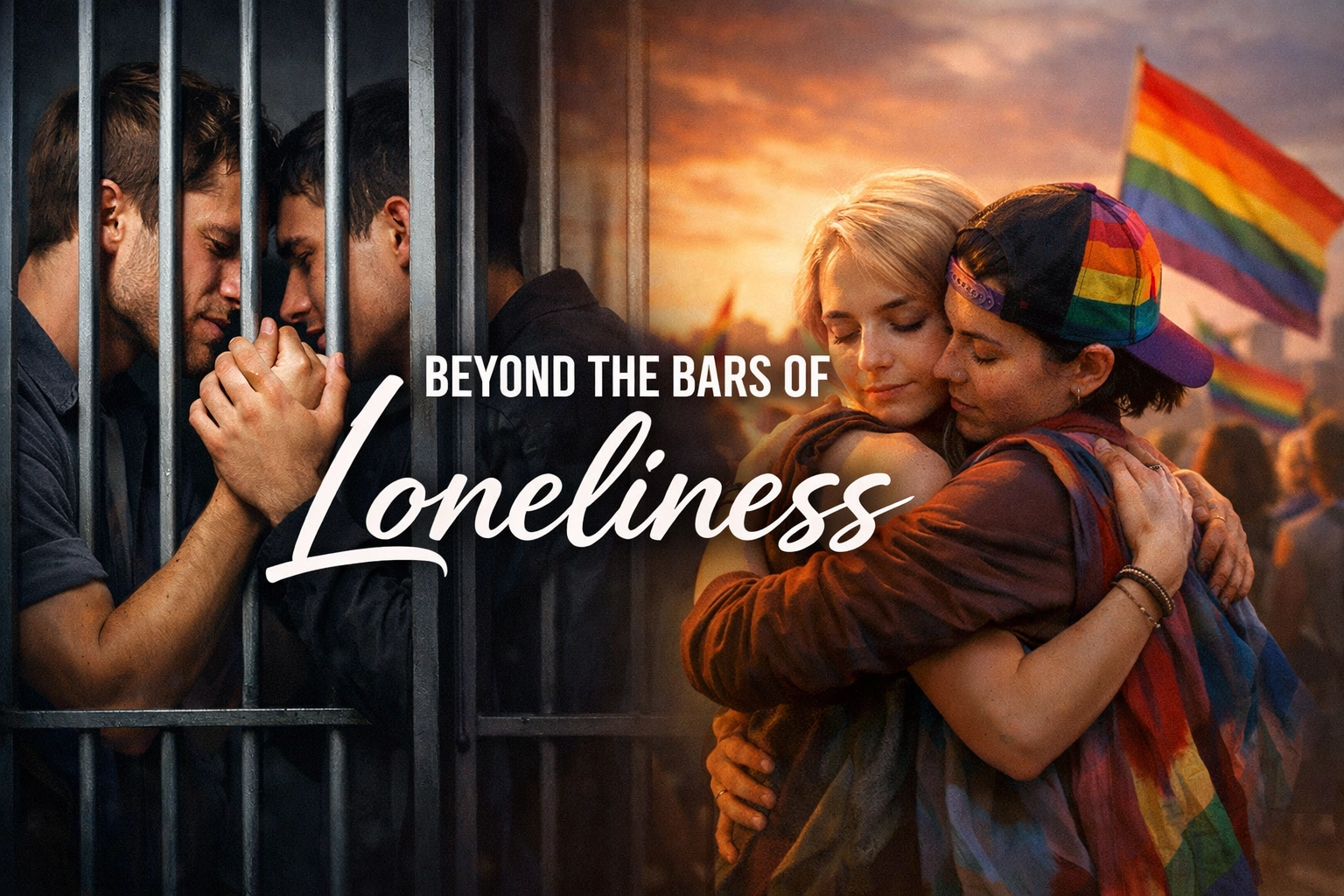
There's something profoundly human about the need for connection. Strip away freedom, privacy, and autonomy, and that need doesn't disappear. If anything, it intensifies. For gay men navigating the brutal reality of incarceration, finding someone to care for, to connect with, or even to love can mean the difference between merely existing and actually surviving.
The prison system wasn't designed with LGBTQ+ folks in mind. It's a space built on rigid binaries, hypermasculinity, and codes of behavior that punish vulnerability. And yet, within these oppressive walls, gay men find ways to create meaning, to forge bonds, and to hold onto their humanity when everything around them seems designed to strip it away.
The Weight of Isolation
Loneliness in prison isn't just about missing the outside world, it's about being surrounded by hundreds of people while feeling utterly invisible. For gay men, this isolation can be even more acute. The stigma doesn't stay on the outside. It follows you in, embedded in the culture, the language, the daily negotiations of safety and survival.
Research shows that loneliness spreads through social networks like a contagion, affecting not just individuals but entire communities. In the confined ecosystem of a prison yard, that emotional isolation can become suffocating. You learn quickly who you can trust, who you need to avoid, and where the lines are drawn.
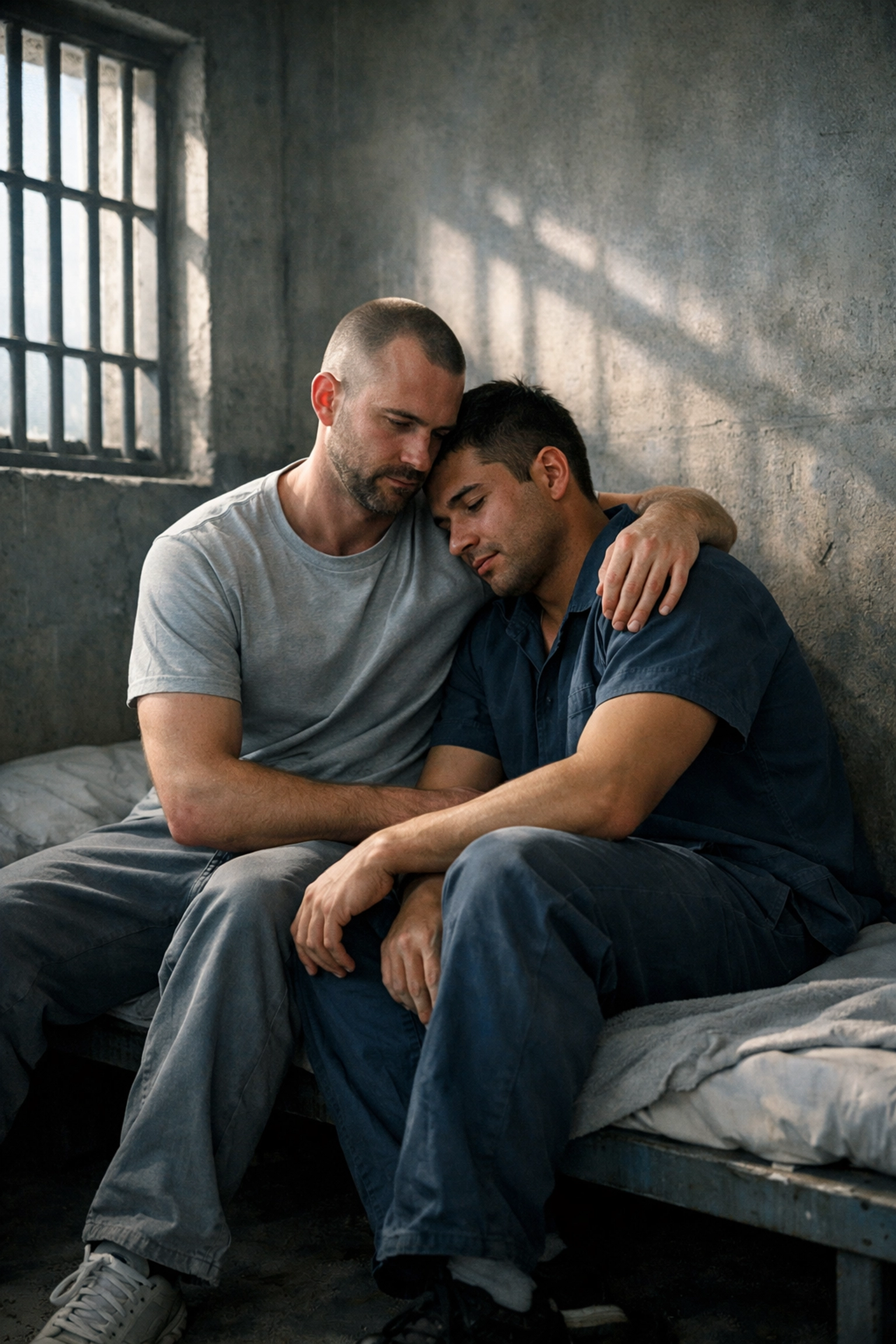
But here's where the human spirit does something remarkable: it adapts. It finds cracks in the concrete. It discovers that even in the most dehumanizing environment, connection is possible.
When Romance Blooms Behind Bars
Love in prison isn't like the romance novels you'd find on Read with Pride. There are no candlelit dinners, no stolen weekends away, no public displays of affection. Instead, it's passed notes during yard time, coded language during phone calls, and finding moments of tenderness in a place designed to harden you.
For some gay men, prison becomes the first place where they can truly explore their sexuality away from societal pressures or family expectations. The irony isn't lost on anyone, finding sexual freedom in a place that strips away every other freedom. But humans are contradiction machines, and we make meaning where we can find it.
These relationships serve multiple purposes. Yes, there's the physical aspect, the basic human need for touch and intimacy that doesn't vanish just because you're incarcerated. But more importantly, there's the psychological lifeline that comes from having someone who sees you, who knows your story, who cares whether you wake up tomorrow.
The Psychology of Caring for Another
Here's what keeps people alive in impossible situations: having someone else to live for. When you're responsible for another person's emotional well-being, when someone depends on your smile to get through the day, when you know that your absence would leave a hole in someone's world, that creates purpose where none existed before.
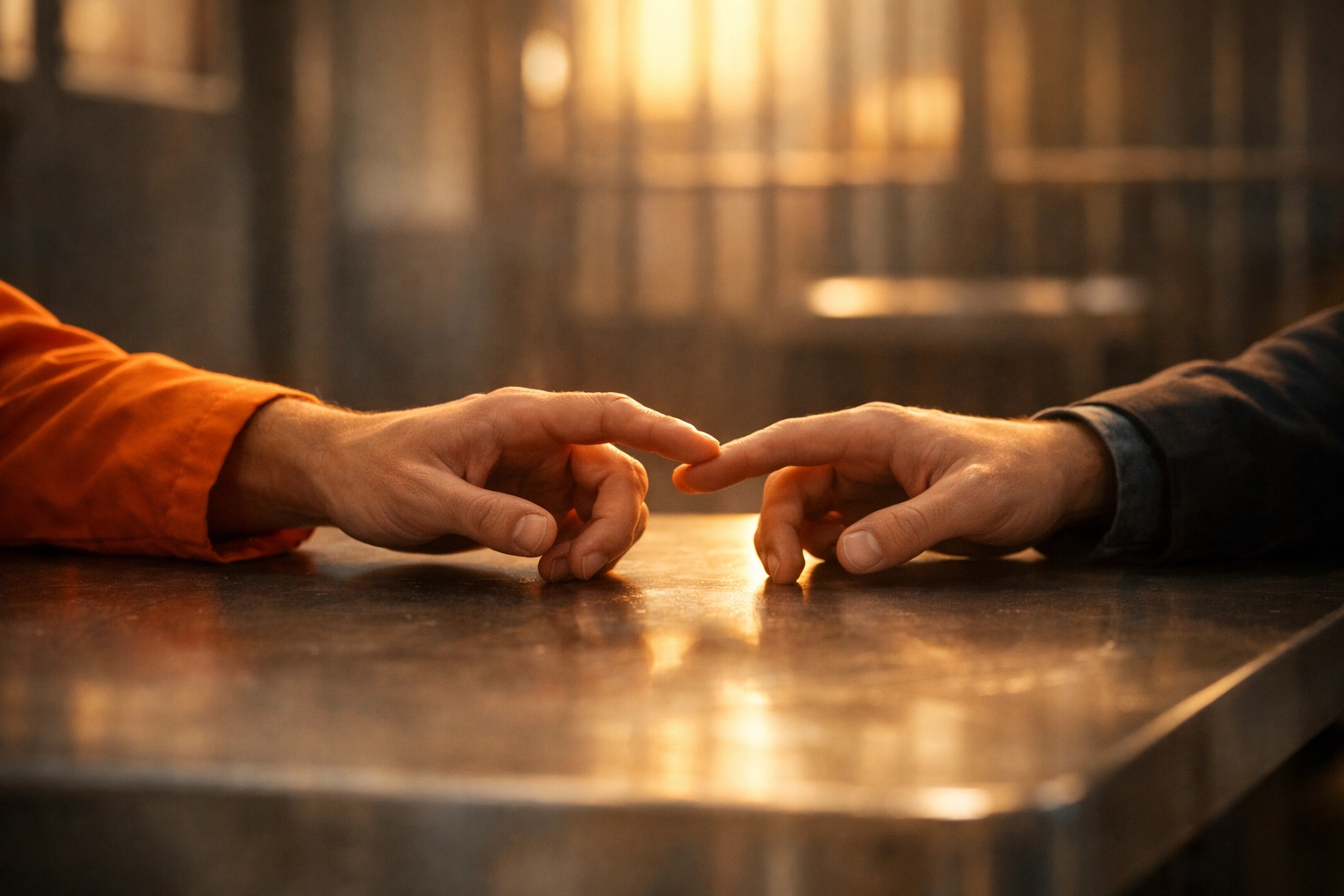
Studies on incarceration show that maintaining social connections is crucial for mental health and successful reintegration. But it's more than that. When you love someone in prison, you're choosing hope over despair. You're saying that the future matters, that tomorrow is worth planning for, that this cell isn't the end of your story.
Gay men in prison often form complex support networks that go beyond romantic partnerships. These chosen families provide protection, emotional support, and a sense of community that mirrors the queer spaces many left behind. They celebrate birthdays, share commissary, and create rituals that mark time and meaning in an environment designed to make every day feel the same.
Navigating Sex and Intimacy
Let's be real: sex happens in prison. Pretending otherwise is naive and unhelpful. But the reality is far more nuanced than sensationalized media portrayals suggest. For gay men, sexual activity in prison exists on a spectrum, from consensual relationships to survival strategies to situations that are anything but consensual.
The lack of privacy means that intimacy requires creativity, risk, and often, a network of people willing to look the other way. It happens in showers, storage rooms, during brief moments when guards rotate shifts. It's quick, furtive, and carries real consequences if you're caught.
But reducing these encounters to just sex misses the point. For many, these moments of physical connection are about reclaiming bodily autonomy, about feeling human again, about remembering that you're more than a number and a jumpsuit.
The Activities That Sustain
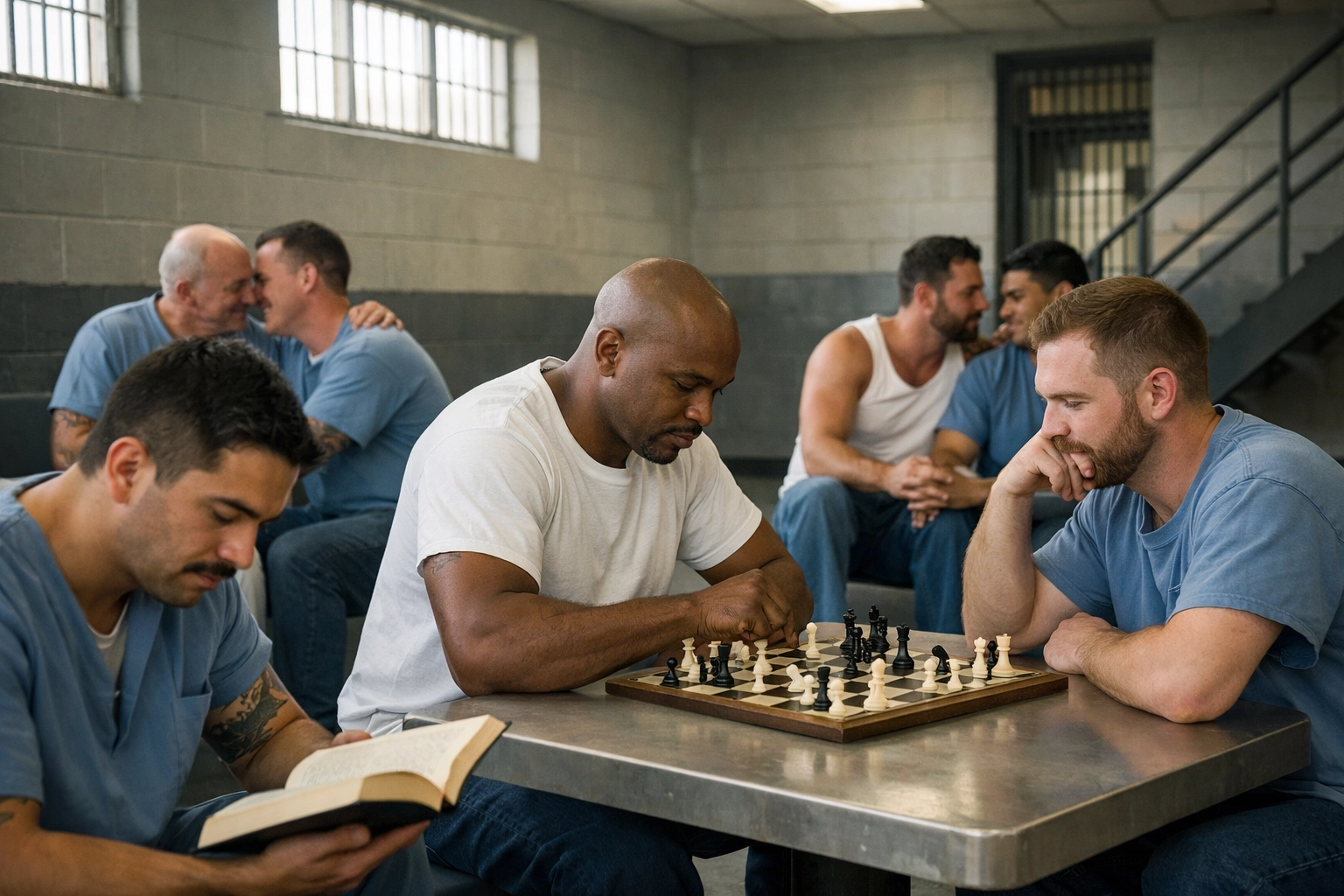
When you can't leave, you build a world within the world. Gay men in prison create spaces of relative safety and community through various means. Book clubs become especially important, and this is where titles from gay romance novels and MM romance books collections can offer both escape and reflection.
Educational programs, creative writing groups, art classes, and fitness routines all become ways to mark time meaningfully. Some facilities have LGBTQ+ support groups, though these remain frustratingly rare. Where they do exist, they provide crucial spaces for processing trauma, building resilience, and preparing for life after release.
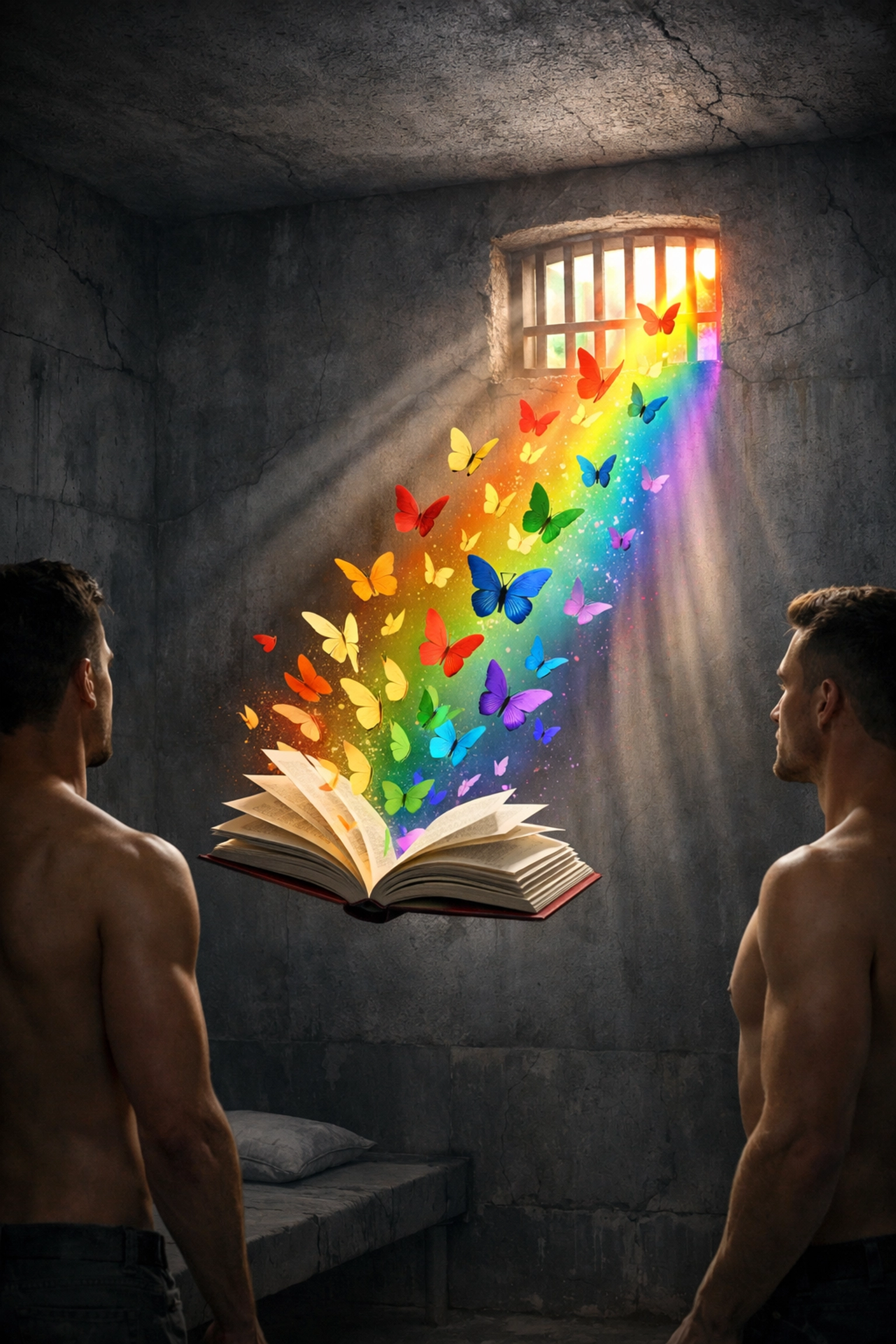
Letters become lifelines. Whether to partners on the outside, family members, or pen pals found through prison correspondence programs, writing connects incarcerated individuals to the broader world. For gay men, connecting with LGBTQ+ communities through these letters can be transformative, a reminder that there's a whole rainbow waiting on the other side of those walls.
Can You Survive? Can You Love?
The answer to both questions is yes, but not without scars. Survival in prison, particularly as a gay man, requires constant negotiation. You learn to read rooms, to know when to be visible and when to disappear, to protect yourself and those you care about.
Loving someone in prison is both incredibly difficult and surprisingly common. These relationships force a level of emotional honesty that's rare in the outside world. When all you have is time and talk, when physical presence is limited and uncertain, you learn what matters. You strip away the superficial and get to the core of what connection means.
Some of these relationships last beyond release. Partners wait for each other, coordinate their exits, build lives together on the outside. Others serve their purpose within the walls and end when freedom comes. Neither outcome diminishes their importance. What matters is that they provided hope, purpose, and humanity when all three were in dangerously short supply.
The Reality Check
We need to acknowledge the darker realities too. LGBTQ+ individuals face higher rates of assault, harassment, and solitary confinement in prison systems. Protective relationships can become possessive or abusive. The power dynamics inherent in prison life create situations where consent becomes complicated at best.
Mental health support for incarcerated LGBTQ+ individuals remains woefully inadequate. The trauma of imprisonment compounds existing struggles with identity, acceptance, and belonging. For many, prison exacerbates mental health crises rather than addressing them.
Finding Stories That Reflect Reality
The incarcerated LGBTQ+ experience rarely appears in mainstream gay fiction and queer fiction. When it does, it's often sensationalized or simplified. We need more nuanced stories that capture both the brutality and the beauty, the despair and the hope, the isolation and the connection.
Reading becomes an act of resistance in prison. Whether it's contemporary MM romance that reminds you of possibilities beyond bars, or psychological thrillers that match the intensity of your daily reality, books provide windows to other worlds. They remind incarcerated readers that their stories matter, that their desires are valid, that love is still possible.
Moving Forward
Understanding the realities of LGBTQ+ incarceration matters for all of us. Whether you're advocating for prison reform, supporting reentry programs, or simply trying to understand the full spectrum of queer experiences, these stories deserve attention.
For those currently incarcerated, know this: having someone to care for isn't weakness, it's one of the most powerful survival mechanisms humans possess. The love you give and receive behind bars is real. It matters. It counts.
For those supporting loved ones inside, your letters, your visits, your unwavering presence, they're not small things. They're lifelines.
The bars may limit movement, but they can't contain the human capacity for connection, compassion, and yes, even love. In the darkest places, we find light in each other. That's not just survival: it's triumph.
Looking for stories that explore the full spectrum of gay experience? Check out Read with Pride for MM romance books and gay romance novels that celebrate love in all its forms.
Connect with us: Facebook | Instagram | X/Twitter
#ReadWithPride #LGBTQFiction #GayRomance #MMRomance #QueerStories #GayLoveStories #LGBTQRights #PrisonReform #GayBooks #MMRomanceBooks #QueerFiction #LGBTQSupport #GayNovels #InclusiveReading #LGBTQCommunity

Leave a Reply
You must be logged in to post a comment.