

readwithpride.com
The stadium roars. Fireworks burst overhead in cascades of gold and silver. You're marching with your team, your country's flag rippling in the night breeze, and somewhere in the stands, someone you love is watching. But they're not cheering for you as your partner: they're disguised as a friend, a coach, a distant relative. Your hand aches to reach for theirs, but instead, you wave to the cameras wearing a smile that doesn't quite reach your eyes.
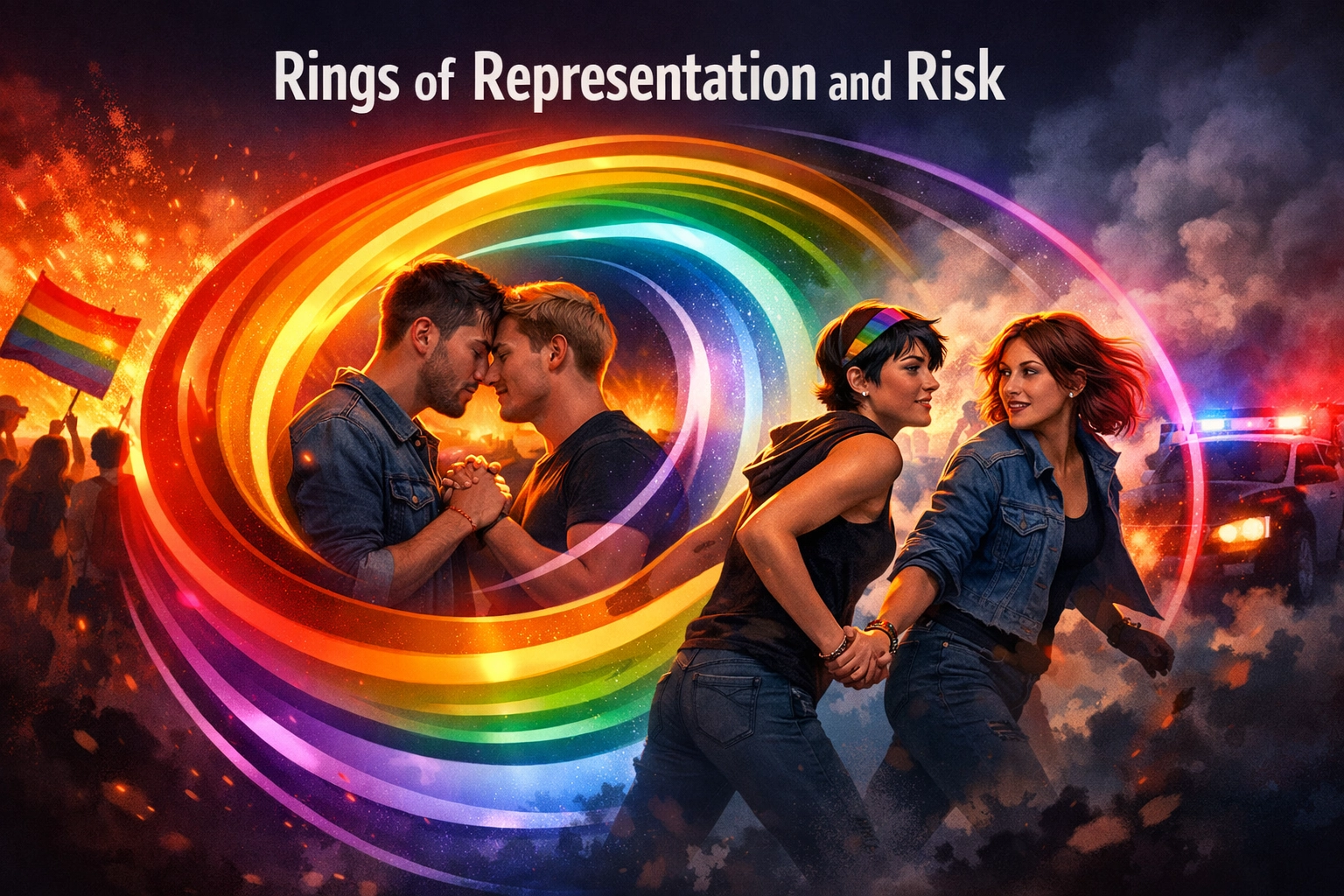
Welcome to the Olympic Games, where the world celebrates unity, but for too many LGBTQ+ athletes, those five interlocking rings feel less like symbols of connection and more like chains.
The Village Behind the Curtain
Olympic villages are legendary. Stories of abundant condoms, athletes from different countries mingling freely, the electric energy of peak human performance colliding with youthful exuberance. It sounds like paradise: and for many, it is. But if you're a gay athlete from a country where being out could cost you sponsorships, your career, or even your safety back home, the village becomes something else entirely.
A gilded cage.
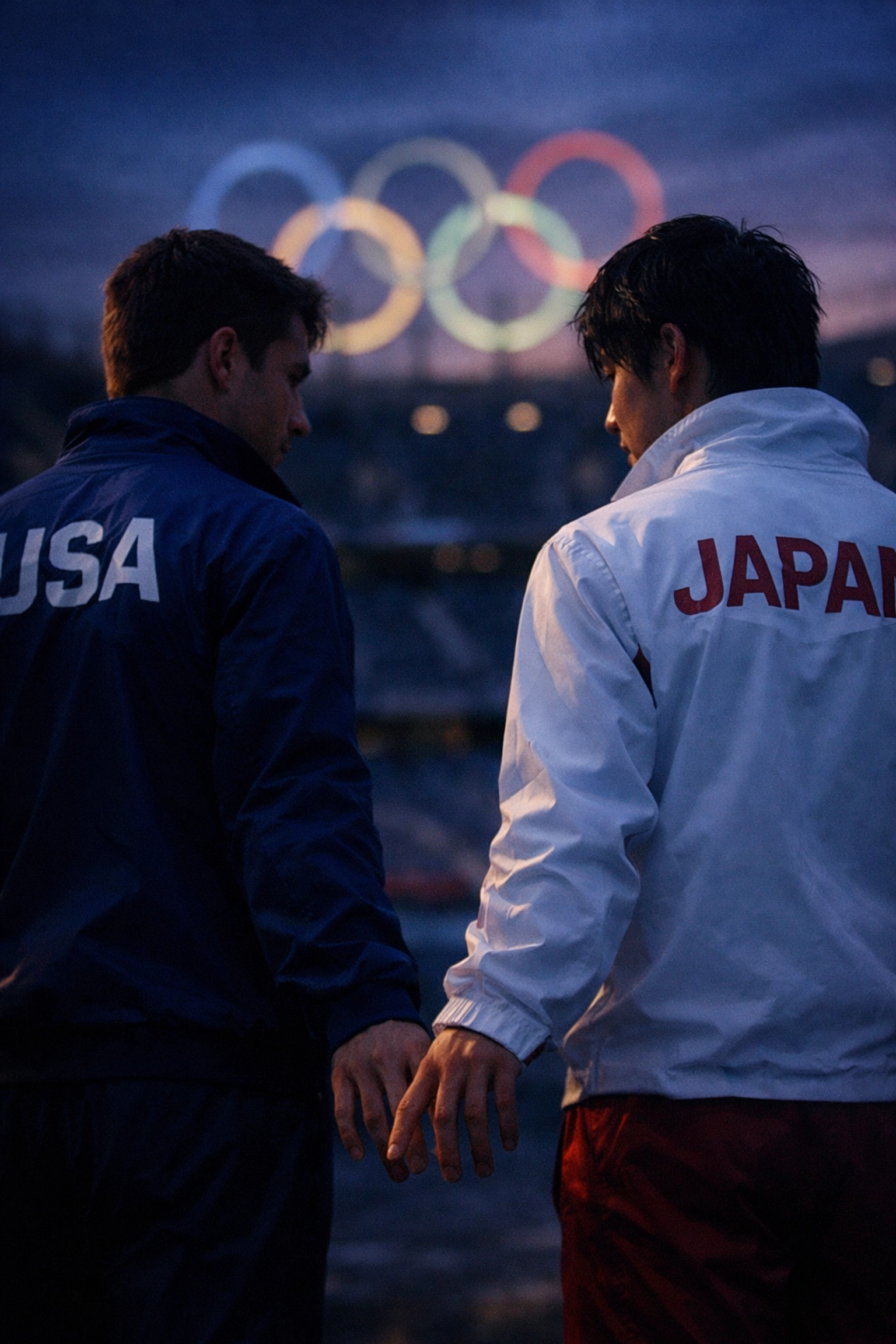
You see couples everywhere. Heterosexual athletes flirt openly at meal times, hold hands walking between buildings, steal kisses in the gymnasium. Meanwhile, you and the person you're falling for exchange glances across crowded rooms like spies passing secrets. Every conversation is coded. Every touch is measured. You've learned to love in whispers and stolen moments behind closed doors, always aware that one photo, one piece of gossip, could detonate your entire world.
The winter Olympics present their own unique challenges. The villages are smaller, more intimate. Everyone knows everyone. In the summer games, you can disappear into the crowds of thousands. But in the alpine air of a winter village, with only a few hundred athletes, privacy becomes a luxury you simply cannot afford. That ski jumper from Norway? The figure skater from Japan? You've been texting for months, and now you're finally in the same place, but you might as well be on different continents for all the freedom you have to be together.
The Weight of Five Rings
During that opening ceremony, when you're standing in the stadium representing not just yourself but your entire nation, the weight becomes almost unbearable. You think about all the queer kids back home watching, seeing someone who looks like them achieving their dreams: but not knowing the price you're paying for that achievement. Not knowing that you're living a half-truth, that the most important part of who you are remains locked away like a shameful secret.
The Olympic rings represent the five continents coming together in sport. They're supposed to symbolize inclusion, unity, the very best of humanity. But what kind of unity excludes authenticity? What kind of inclusion requires you to hide?
Some athletes have found the courage to come out before or during their Olympic journey. Tom Daley. Gus Kenworthy. Adam Rippon. Their visibility has been revolutionary, offering hope and representation. But for every out athlete, there are dozens more competing in silence, their relationships reduced to clandestine meetings and carefully worded social media posts that never quite say what they mean.
Love in the Margins
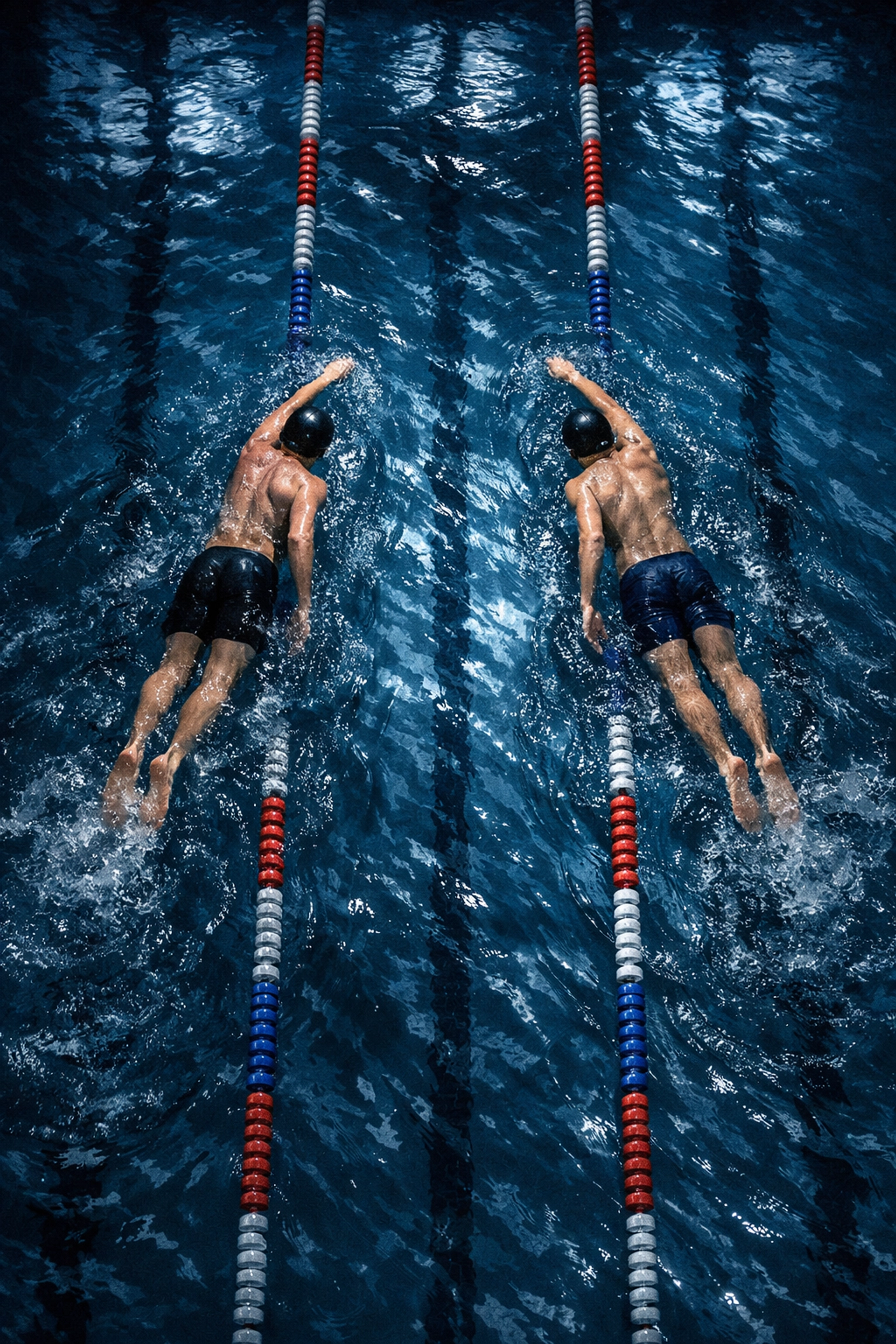
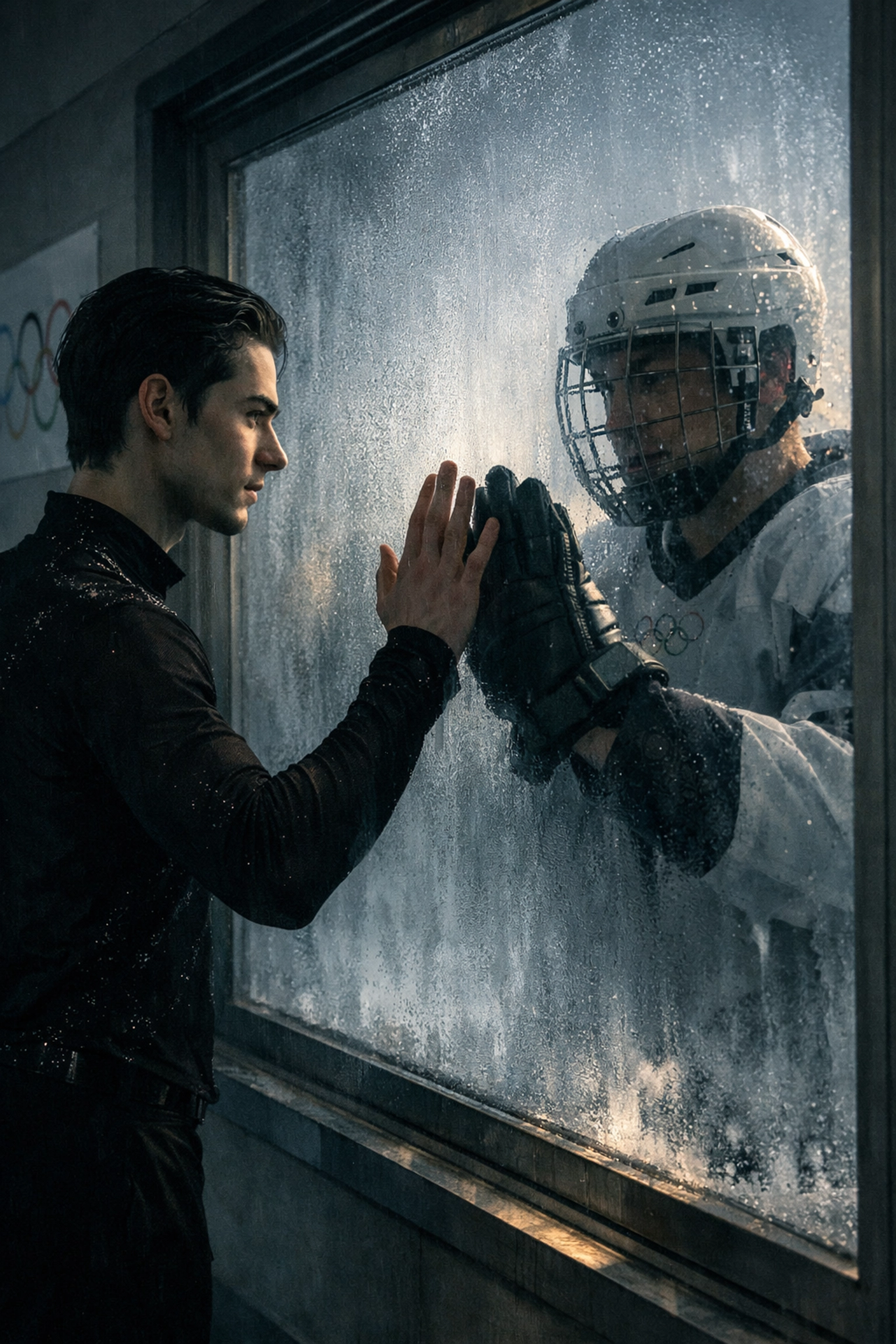
The stories that emerge from Olympic villages: the ones that don't make headlines: are heartbreaking in their tenderness. Two swimmers from rival nations meeting at 3 AM in the training pool, swimming laps side by side because it's the only place they feel safe being close. A hockey player and a speed skater sharing a room that's technically assigned to just one of them, the other's official room kept pristinely unused for appearances. The gymnast who carries a photo of his boyfriend in his competition bag, but tells everyone it's his "best friend from home."
These aren't the gay love stories you'll find in popular MM romance books or heartfelt gay fiction. There are no grand gestures here, no declarations of love at the finish line. Just quiet, fierce devotion existing in the spaces between official events. Just two people fighting to be together in a world that would rather they remained invisible.
The summer Olympics, with their warm nights and outdoor venues, offer slightly more freedom. A beach volleyball player and a diver might steal away to walk along whatever waterfront exists in the host city, their hands finally touching under the cover of darkness. But even then, there's always the risk. A fan with a camera phone. A journalist looking for a story. A teammate who might not understand.
Winter games compress everything. The cold keeps everyone indoors. The villages become pressure cookers where every emotion intensifies, including fear. That fear of being discovered. Of letting down your team. Of becoming a "distraction" rather than being celebrated for your athletic achievements.
The Representation Paradox
Here's the cruel irony: LGBTQ+ athletes competing at the Olympics are representing their countries, but many don't feel their countries would represent them if their truth came out. They wear their nation's colors across their chest while hiding the rainbow in their hearts.
This is particularly true for athletes from countries where homosexuality remains illegal or deeply stigmatized. They're not just worried about losing endorsement deals or facing awkward conversations with teammates. They're worried about imprisonment, persecution, or violence against their families. The stakes couldn't be higher, and the Olympic village: despite its reputation as a bubble of international camaraderie: offers no real protection from those consequences waiting back home.
Even athletes from more accepting countries face challenges. Sports remain one of the last bastions of aggressive heteronormativity in many cultures. The locker room talk, the assumptions, the casual homophobia that still exists in athletic spaces: all of it creates an environment where coming out feels like jumping off a platform with no safety net below.
Between the Lines
What gets lost in all the medal counts and world records are the human stories playing out in the margins. The text messages sent at odd hours to someone back home who knows your truth. The video calls conducted in whispered tones from bathroom stalls. The way you've learned to talk about your relationship using gender-neutral pronouns that feel like tiny betrayals every time they leave your mouth.
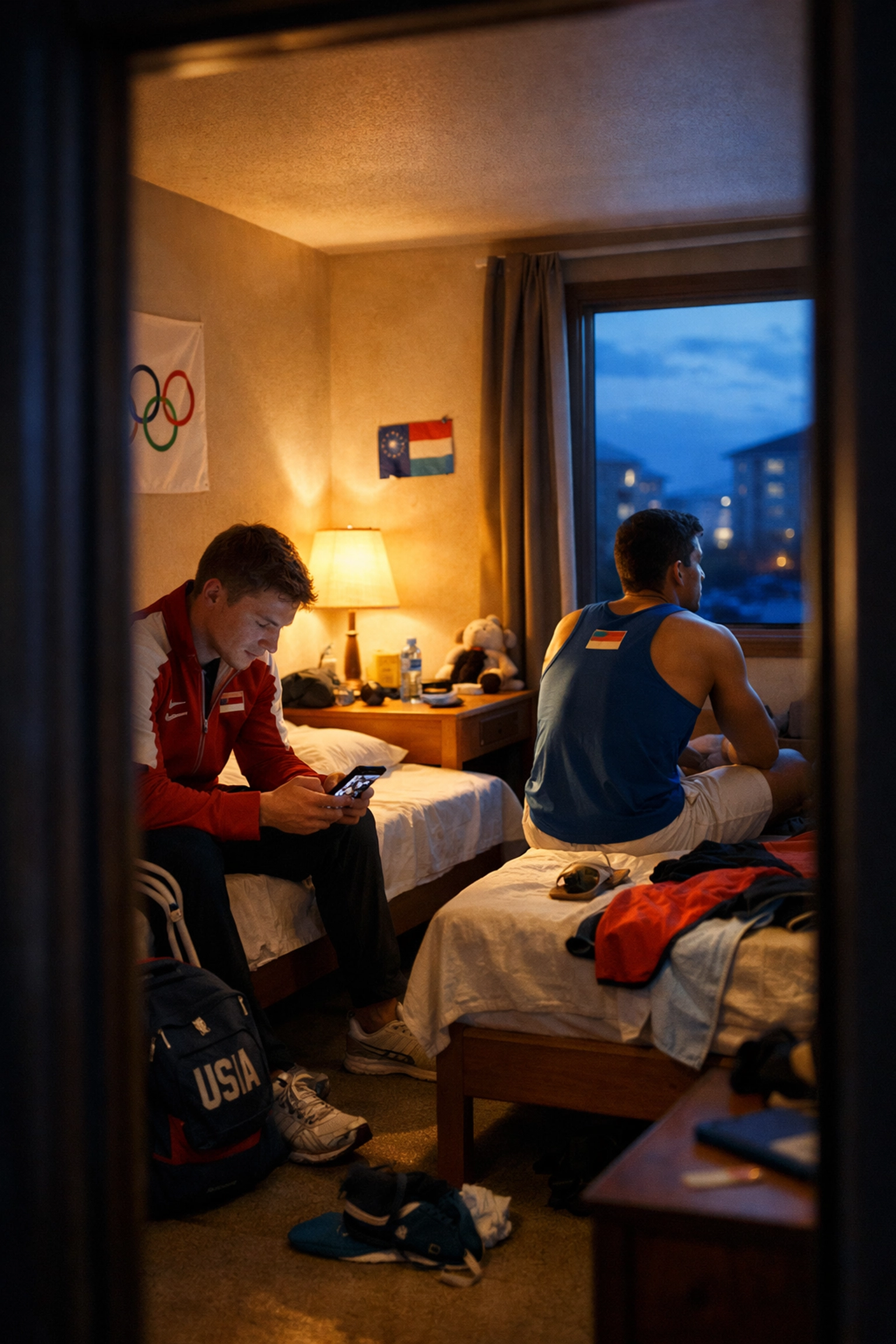
You become fluent in a language of omission. When interviewers ask about your personal life, you've perfected the art of the non-answer. "I'm focused on training right now." "My family and friends have been incredibly supportive." Never lying, exactly, but never quite telling the truth either. It's exhausting, this constant self-editing. You're competing at the highest level of your sport while simultaneously performing an entirely different routine: the straight athlete, the uncomplicated teammate, the person without any complications that might make sponsors nervous.
The Books We Need
This is why LGBTQ+ fiction matters so much. Why gay romance novels and MM romance books aren't just entertainment but lifelines. When you can't live your truth out loud, you find it in stories. You find it at Read with Pride, where queer fiction and gay love stories remind you that your love isn't shameful or wrong: it's beautiful and worthy of celebration.
The best gay novels understand this tension between public persona and private truth. They explore the courage it takes to be authentic in spaces that demand conformity. They validate the experiences of people living in the margins, loving in the shadows, waiting for the day when they can finally step into the light.
Moving Forward
The Olympic movement has made progress. More out athletes compete with each passing games. Organizations are implementing anti-discrimination policies. But policy changes on paper don't automatically translate to safety in practice, especially for athletes returning to less accepting home countries.
Real change requires more than rainbow flags flying at opening ceremonies (and even those are often controversial). It requires creating genuine safety for athletes to be their full selves. It requires host countries and the International Olympic Committee to take concrete stands against anti-LGBTQ+ laws and policies. It requires sponsors to value authentic representation over marketable wholesomeness.
Most importantly, it requires all of us: fans, media, fellow athletes: to create a culture where an athlete's sexuality is treated with the same casual acceptance as their training regimen or their favorite pre-competition meal. Where love stories from Olympic villages can be told openly, whether they're about MM romance or any other configuration, without fear of backlash or career destruction.
The Ceremony Continues
The opening ceremony ends. The fireworks fade. You return to the village knowing you have your entire competition ahead of you. You'll give everything to your sport: the training, the sacrifice, the dedication. But you'll also continue to navigate this other, invisible competition: the one where you're trying to protect your heart while representing your country, where you're performing excellence while performing straightness, where every day you choose between safety and authenticity.
Those five rings will shine on your uniform, symbols of Olympic ideals. But you'll carry your own rings too: invisible ones, perhaps, but no less real. The rings of fear and love, secrecy and hope, performance and truth. And maybe, just maybe, one day soon, those won't have to be separate anymore.
Until then, you compete. You love. You survive. And you dream of a future where the next generation of LGBTQ+ athletes can march into that stadium holding hands with the person they love, no disguises necessary, no secrets required: just five rings representing a unity that finally, truly includes everyone.
Looking for stories that honor the complexity of LGBTQ+ experiences? Explore our collection of gay romance books and MM fiction that celebrate authentic queer love in all its forms.
Follow us for more inclusive content:
- Facebook: Read With Pride
- Instagram: @read.withpride
- X/Twitter: @Read_With_Pride
#ReadWithPride #MMRomance #GayRomance #LGBTQFiction #QueerAthletes #OlympicVillage #GayBooks #QueerFiction #LGBTQRepresentation #GayLoveStories #MMBooks #2026Pride #AuthenticStories #QueerVisibility #GayNovels #LGBTQReading #ComingOut #OlympicPride

Leave a Reply
You must be logged in to post a comment.