

readwithpride.com
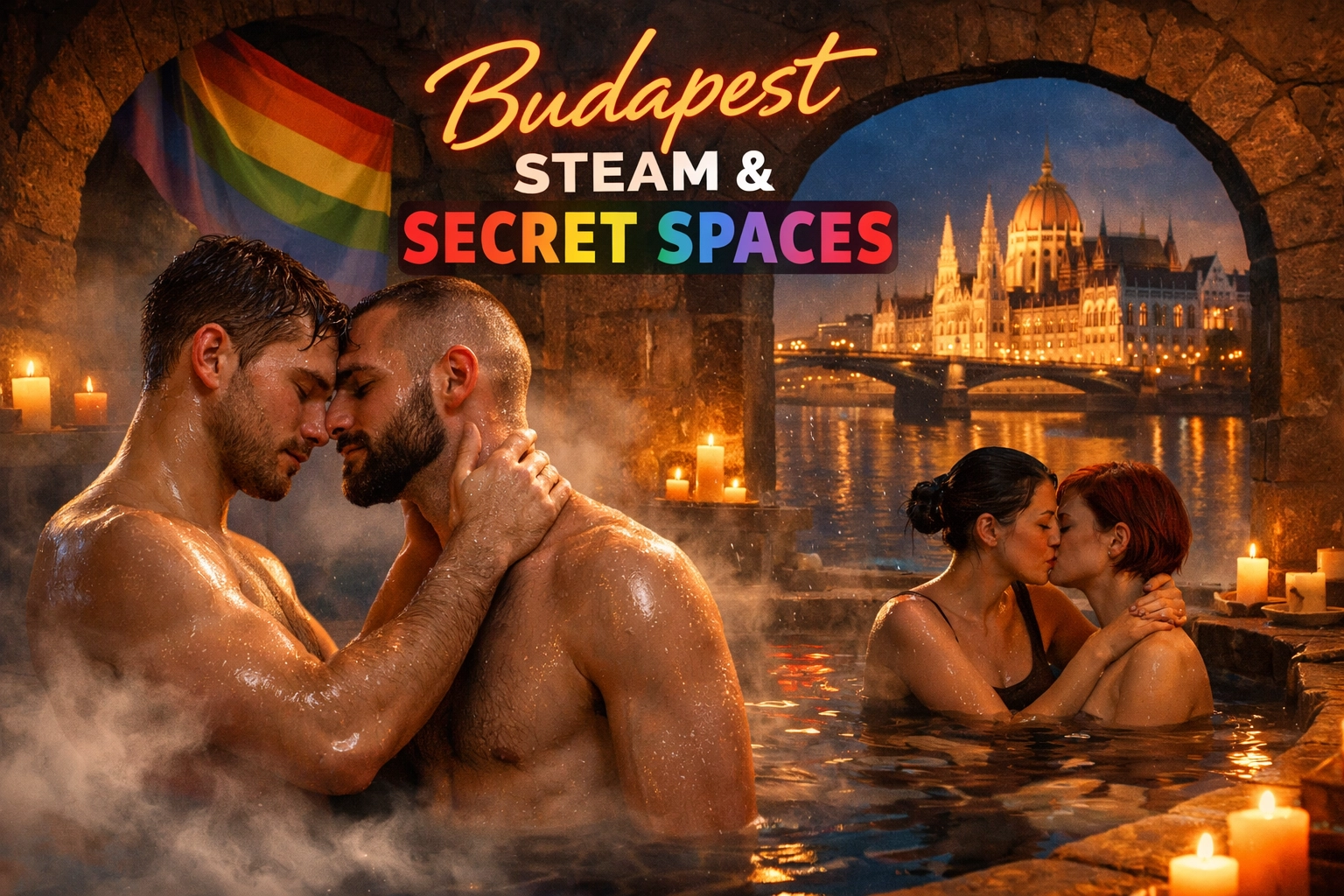
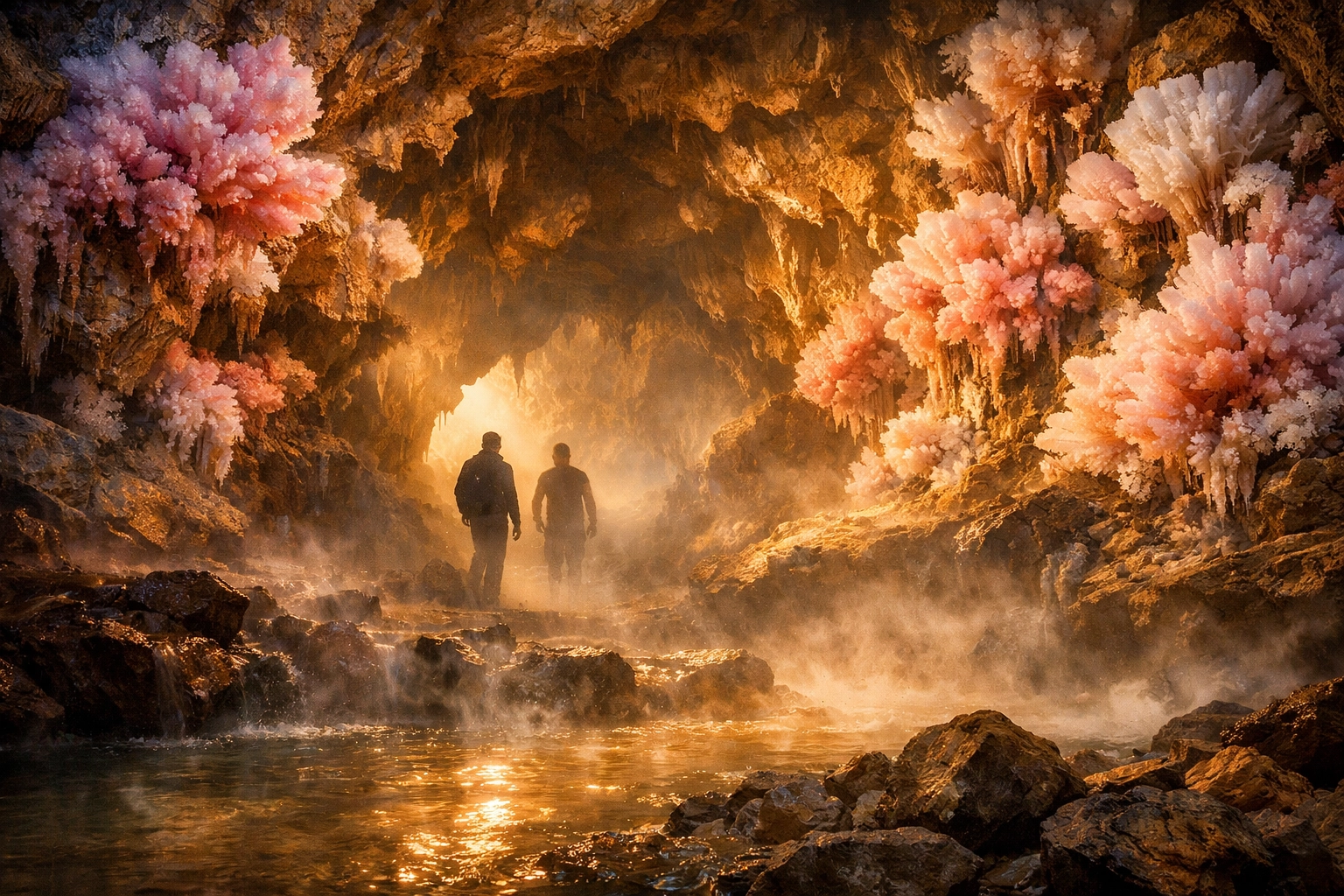
The first thing Mateo noticed about Budapest wasn't the grand Parliament building reflecting off the Danube or the ruin bars everyone raved about. It was the steam: literal clouds of it rising from manhole covers on cold February mornings, the city exhaling thermal breath from the world's largest underground cave system. It felt like the entire city was keeping secrets just below the surface.
Which, as he'd soon discover, was exactly right.
Finding the Underground
Mateo had come to Budapest for the usual reasons: cheap flights, architectural eye candy, and a breakup that needed geographical distance. What he found instead was a city that had perfected the art of the hidden, the subterranean, the spaces that existed just for those who knew where to look.
His Airbnb host, a middle-aged Hungarian man named László with kind eyes and a knowing smile, had slipped him a handwritten note along with the apartment keys. "If you want to see the real Budapest," it read, "start below."
The address led him to District VII, down a side street that looked like every other side street until you noticed the subtle rainbow flag decal in one window, the discreet signage that only made sense if you were looking for it. Magma Sauna wasn't trying to hide, exactly: it just wasn't shouting either. In a country where LGBTQ+ rights had become increasingly complicated, discretion was sometimes survival, and sometimes just good manners.
The Liberation of Steam
The changing room was sleek and modern, all clean lines and dark tile: nothing like the baroque thermal baths Budapest was famous for, but somehow more honest. Mateo locked his clothes away and wrapped a towel around his waist, feeling that familiar flutter of vulnerability mixed with possibility that comes with entering gay spaces in foreign cities.
You never quite know what you're walking into. Will it be welcoming? Hostile? Indifferent? Will you be the only foreigner, standing out like a lost tourist? Or will you find what you're always secretly hoping for: community, connection, that sense of belonging that's so hard to name but impossible to mistake?
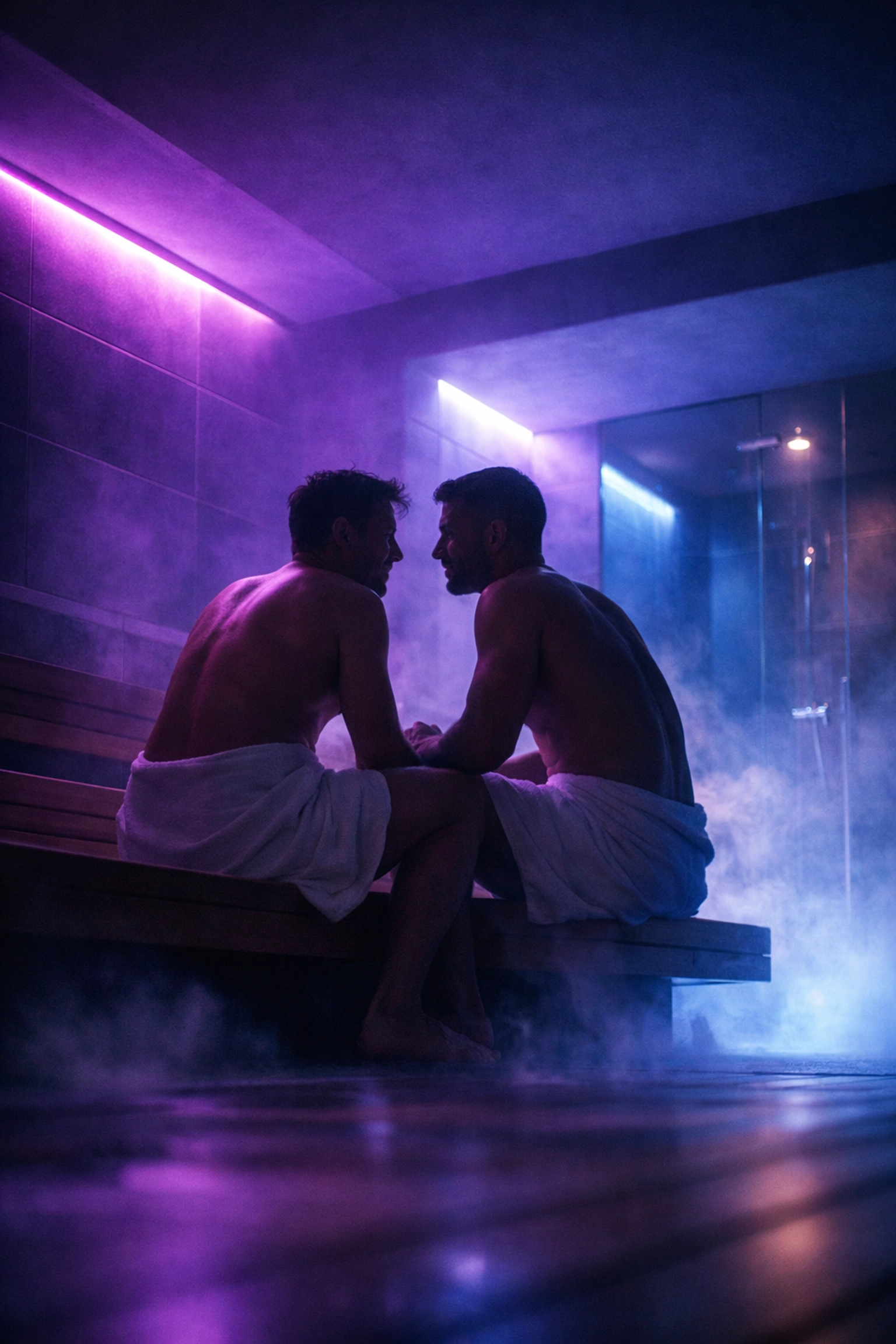
The heat hit him the moment he pushed through the inner door. Not just temperature, but presence. The sauna was busy for a Tuesday evening: men of all ages, shapes, and nationalities moving through spaces designed for both privacy and possibility. The main steam room glowed with chromatic lighting, purple bleeding into blue, creating an atmosphere that felt both futuristic and ancient, like those thermal caves underneath the city that had been warming Budapest for millennia.
More Than Bodies
What struck Mateo most wasn't the expected cruising or the architectural details or even the perfect humidity that made his skin feel instantly alive. It was the conversation.
In the cooling room, he found himself sitting next to a Hungarian programmer named Bence and a German teacher named Stefan, both regular fixtures at Magma. They were debating, of all things, the best MM romance novels they'd read recently: Stefan was team forced proximity, Bence was arguing for enemies to lovers as the superior trope.
"The tension has to build naturally," Bence insisted, gesturing with a bottle of water. "Like steam in a closed room. The pressure creates the transformation."
Mateo laughed. "That might be the most Budapest metaphor I've heard yet."
They welcomed him into the conversation easily, naturally, the way you do when you recognize someone as part of the tribe. Stefan recommended a local bookshop that carried English LGBTQ+ fiction. Bence told him about the monthly poetry night at a gay bar in District VIII. They compared notes on gay romance books they'd discovered on platforms like Read with Pride: contemporary stories that reflected their actual lives back to them, not the sanitized versions the world sometimes expected.
"Budapest teaches you about layers," Bence said eventually, his English accented but confident. "Above ground, everything looks one way. Below ground: in the thermal caves, in places like this: you find the truth. The city runs on what's hidden."
The Architecture of Freedom
Over the next week, Mateo became a regular. He discovered that Magma was more than a sauna: it was a kind of social ecosystem, complete with its own rhythms and rituals. Thursday nights drew a younger crowd. Sundays were quiet, almost meditative. There was a small gym on the lower level where men worked out in various states of undress, and a bar area where you could actually have a conversation without steam clouding your glasses.
He met András, a medical student who explained the science behind Budapest's thermal waters: how they'd been formed by geothermal activity, how they contained actual minerals with therapeutic properties, how the Molnár János Cave system supplied water to the famous Lukács Baths and countless other underground springs. "We're literally sitting on top of healing water," András said. "Maybe that's why we've survived everything history threw at us."

The more Mateo learned about Budapest's underground geography, the more the metaphor crystallized. The city had survived Ottoman occupation, Austro-Hungarian rule, Nazi invasion, Communist dictatorship: and through it all, those thermal springs kept flowing, those secret spaces kept existing. The Hospital in the Rock had sheltered people during WWII. The labyrinth under Buda Castle had served as both prison and refuge depending on who controlled the surface.
Gay life in Budapest worked the same way. There were the tourist-friendly rainbow capitalism spots in the Party District, sure. But the real community: the places where actual liberation happened: they existed in the interstitial spaces. The saunas, the underground clubs, the bars that didn't need to advertise because everyone who needed to know already knew.
Community in the Margins
On his last night, Mateo found himself in the main steam room again, this time alone except for an older man: maybe sixty: sitting quietly in the corner. They nodded to each other in that universal gay sauna acknowledgment that could mean everything or nothing.
After a while, the man spoke. His English was careful, formal. "First time in Budapest?"
"First time, but not the last," Mateo said.
The man smiled. "That's what everyone says. The city gets under your skin. Or maybe into your lungs. All this steam."
They talked about the changes the man had witnessed: how gay life had evolved from absolute secrecy to something more complex, more visible but also more vulnerable. How places like Magma represented both progress and persistence, modern facilities built on ancient traditions of gathering in steam and water.
"We've always found each other," the man said. "In the thermal baths, in the underground. Even when it was dangerous, we found ways. That's the real story of this city: not the palaces and parliaments, but the secret spaces where people could be free."
The Story Continues
Back in his apartment, Mateo scrolled through his phone, looking at photos he'd taken of Budapest's glittering surface: the Chain Bridge at night, St. Stephen's Basilica, the view from Fisherman's Bastion. Beautiful, all of it. But not the whole truth.
The whole truth was underground. In the steam rooms where men from across Europe gathered to sweat and connect. In the thermal caves that had been warming bodies for thousands of years. In the gay romance novels passed between friends, the stories that validated experiences the mainstream often ignored or fetishized. In communities that persisted regardless of political climate, finding their spaces, creating their freedom.
He thought about the MM romance books he loved: those stories of men finding each other against odds, building relationships in spaces society didn't always make room for. Budapest was like that, a real-world version of the forced proximity trope, where the city's geography pushed people into underground spaces that became sites of unexpected connection.
Before he left for the airport, László was waiting with coffee and advice. "You found what you were looking for?"
"More than that," Mateo said. "I found what I didn't know I needed."
László smiled. "The steam does that. Makes everything clear, even when you can't see."
Finding Your Stories
Whether it's the thermal secrets of Budapest or the contemporary MM romance novels that capture these real experiences, the queer community has always excelled at creating spaces: literal and literary: where we can be fully ourselves. Platforms like Read with Pride continue that tradition, offering LGBTQ+ fiction that reflects the complex, beautiful, messy reality of our lives.
Because sometimes the best love stories aren't found on the surface. Sometimes you have to go underground, into the steam, into the hidden spaces where truth lives. Budapest taught Mateo that. And like the city's thermal springs, that lesson keeps flowing, keeps warming, keeps rising up through the cracks in whatever surface the world presents.
The liberation isn't in the grand public gestures. It's in the quiet community of the sauna. It's in the conversation between strangers who recognize each other. It's in the stories we tell: in books, in bars, in steam rooms: about who we are and who we love.
And that heat never stops rising.
Discover more LGBTQ+ stories and romance at readwithpride.com
Follow us:
Facebook | Instagram | X/Twitter
#ReadWithPride #MMRomance #GayRomance #LGBTQFiction #BudapestTravel #QueerTravel #GayBudapest #MMRomanceBooks #GayRomanceBooks #LGBTQEbooks #QueerFiction #GayLoveStories #MMNovels #ContemporaryRomance #GayTravelStories #LGBTQCommunity #PrideReads #2026LGBTQ #QueerAuthors #GayNovels

Leave a Reply
You must be logged in to post a comment.