

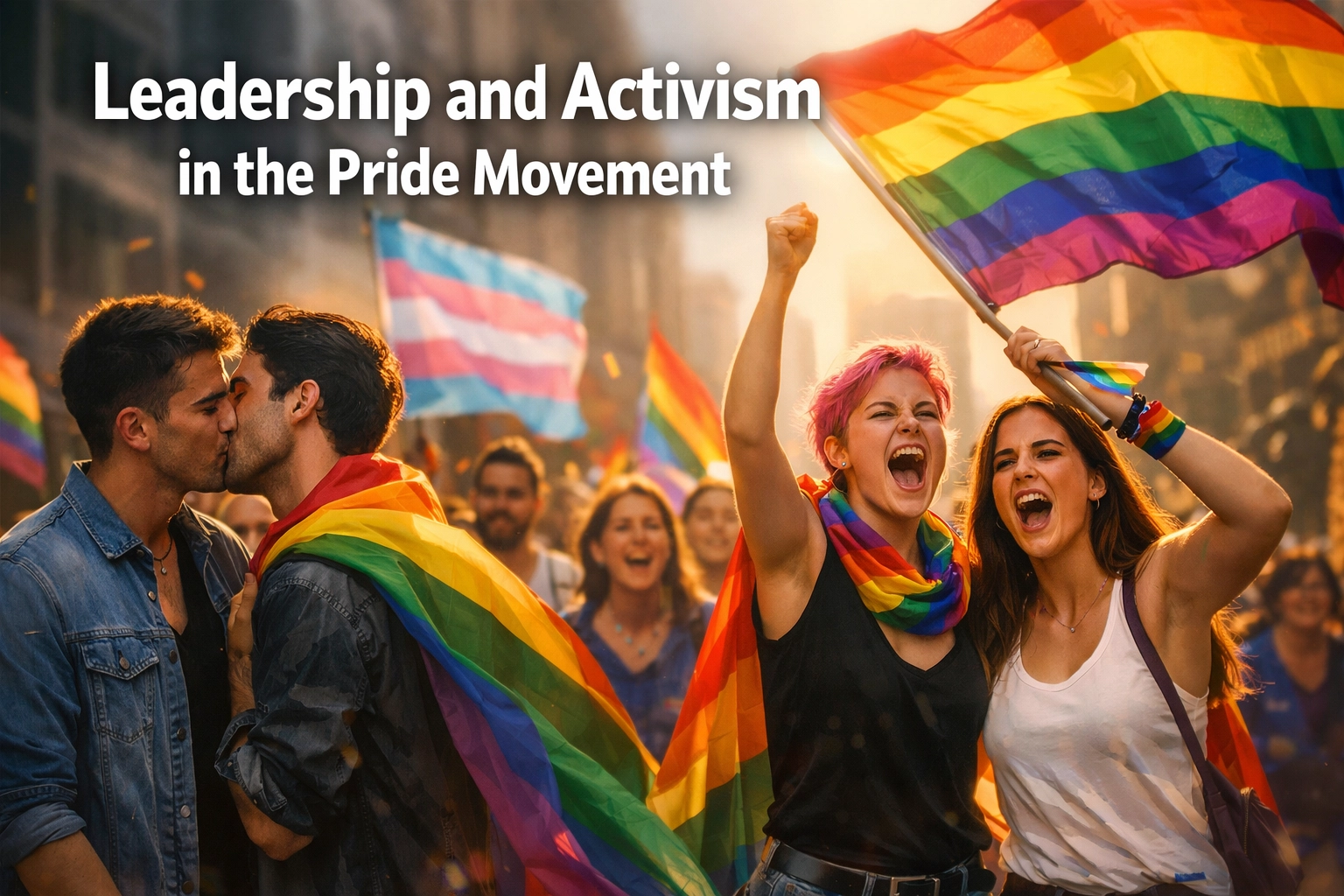
readwithpride.com
Being gay isn't a singular experience: it's layered, complex, and deeply influenced by race, class, and culture. For Black gay men around the world, the journey to self-acceptance and visibility has always been twice as hard. You're fighting for recognition in LGBTQ+ spaces that often center whiteness, while simultaneously navigating homophobia within Black communities that are already grappling with systemic racism. It's exhausting. It's isolating. And yet, Black gay men have been at the absolute forefront of every major advancement in the Pride movement: often without the credit they deserve.
Let's talk about the leaders, the activists, and the revolutionaries who shaped Pride as we know it. Because when we talk about LGBTQ+ liberation, we need to start with the people who risked everything when the world wasn't ready to listen.
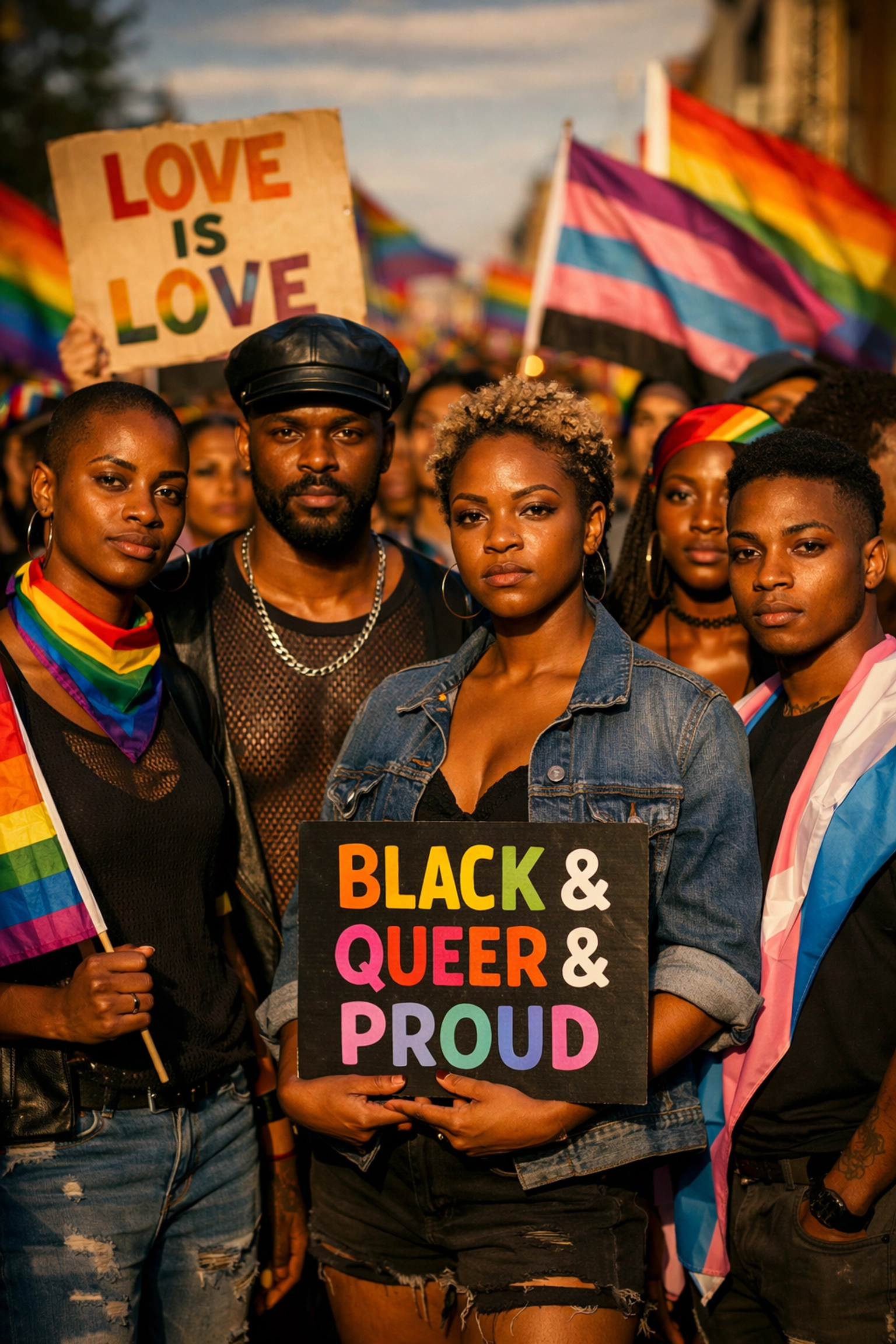
The Invisible Architects of Liberation
When you think about Pride, you probably picture rainbow flags, parades, and celebration. But the roots of Pride are grounded in resistance: and Black gay men were planting those seeds long before Stonewall became a household name.
Bayard Rustin is a perfect example. This man organized the 1963 March on Washington: you know, the one where Dr. Martin Luther King Jr. delivered the "I Have a Dream" speech. Rustin was a brilliant strategist, a pacifist, and openly gay at a time when that could destroy your career. And it nearly did. He was sidelined, erased from photos, and pushed into the shadows because his sexuality made civil rights leaders uncomfortable. But Rustin didn't disappear. In the 1980s, he embraced gay liberation fully, testifying before the New York City Council that "gay people are the new barometer for social change." He understood intersectionality before the term was even coined.
The thing is, Rustin's story isn't unique. Black gay men have always been fighting on multiple fronts: for racial justice, for queer liberation, for the right to simply exist without apology. And that dual burden? It's real, it's heavy, and it's ongoing.
Stonewall Wasn't Just a White Gay Riot
Let's set the record straight: the Stonewall Uprising of 1969 wasn't led by cis white gay men in button-downs. It was a rebellion sparked by trans women of color, drag queens, and street youth who were fed up with police brutality and criminalization. Marsha P. Johnson and Sylvia Rivera: both trans women, with Johnson being Black: were front and center. They didn't just show up for one night; they spent decades advocating for the most marginalized within the LGBTQ+ community: homeless youth, sex workers, and people living with HIV/AIDS.
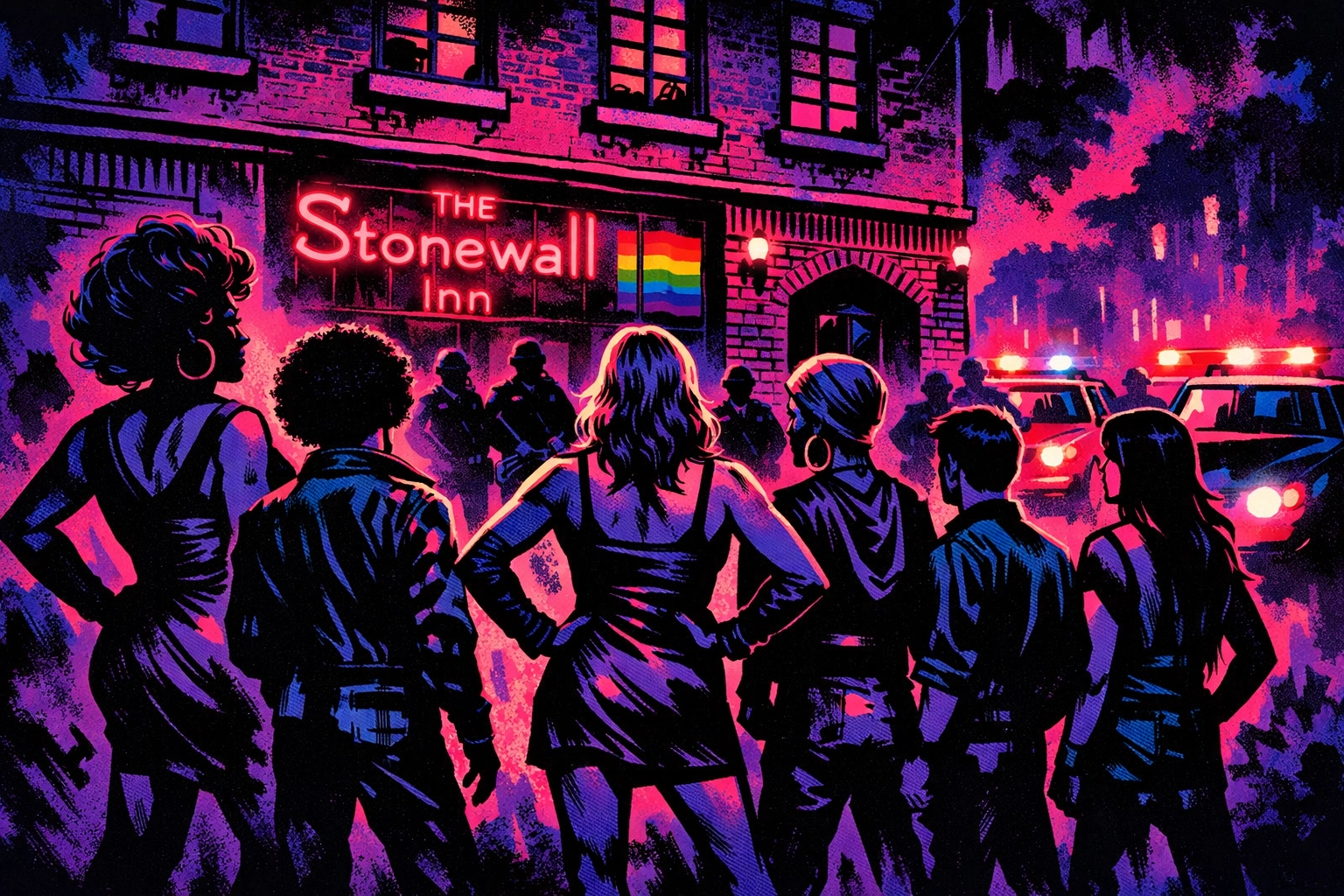
Johnson and Rivera co-founded STAR (Street Transvestite Action Revolutionaries), a shelter for homeless LGBTQ+ youth that they funded through sex work. Think about that. While mainstream gay organizations were lobbying for assimilation and respectability politics, these women were literally housing the kids nobody else wanted. And when Pride organizers banned drag queens from marching in 1973, Johnson and Rivera marched ahead of the official parade anyway. That's leadership.
But here's the kicker: for decades, their contributions were erased or minimized. The mainstream gay rights movement wanted a palatable image: one that didn't include gender-nonconforming Black and brown people. It took years of activism and reclamation to finally honor their legacies properly.
The AIDS Crisis and Radical Care
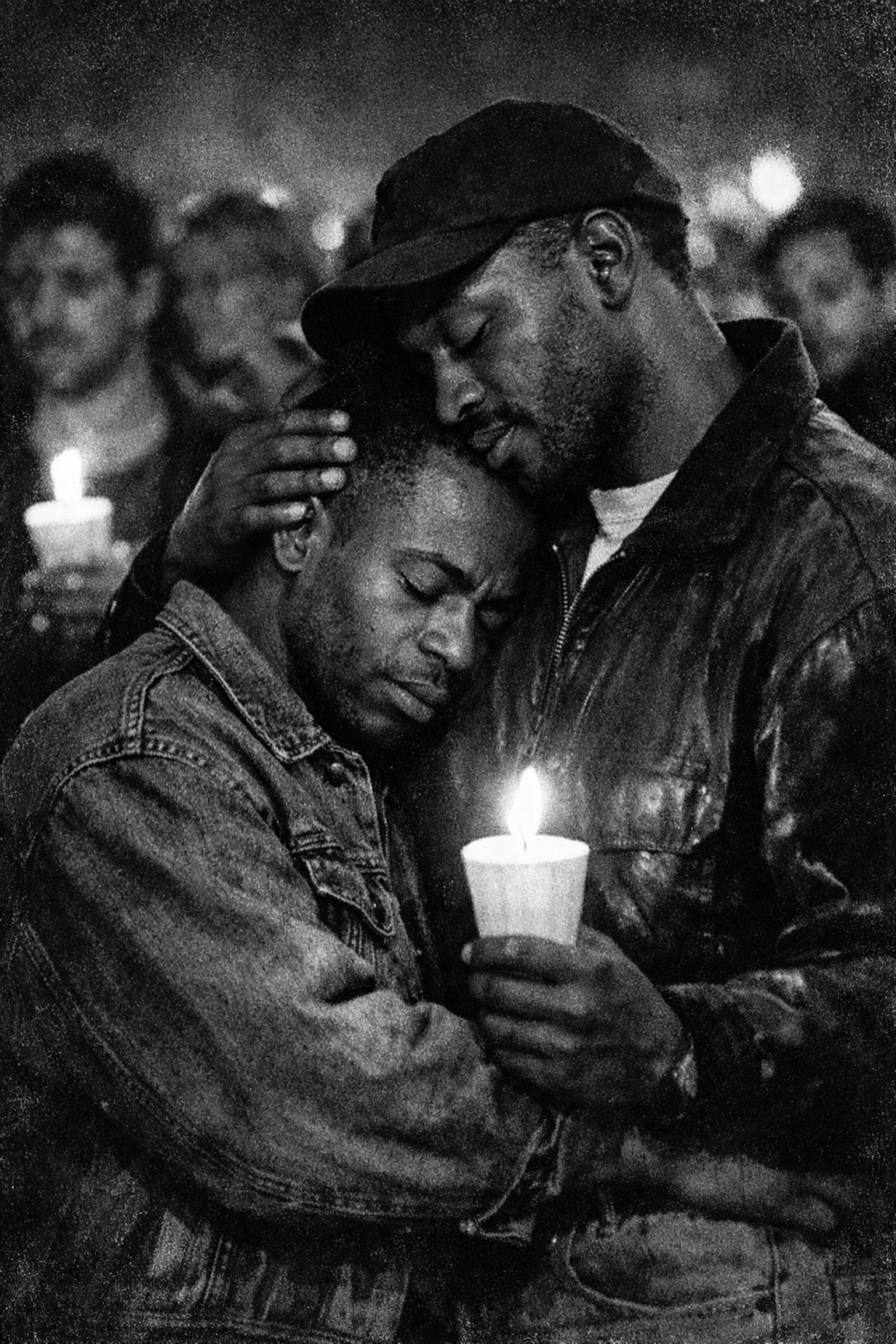
When the HIV/AIDS crisis exploded in the 1980s, the U.S. government's response was glacial at best, genocidal at worst. Black gay men were dying in droves, and the world looked away. But within the community, people stepped up. Black gay men became caregivers, activists, and educators: fighting for treatment, demanding visibility, and holding space for those who were being left to die.
Activists like Essex Hemphill, a Black gay poet and essayist, used art as activism. His work confronted racism within gay spaces and homophobia within Black communities head-on. He didn't mince words. In his writings, he challenged white gay men to acknowledge their privilege and urged Black communities to stop sacrificing queer lives for respectability. His voice was urgent, angry, and necessary.
Organizations like the National Black Justice Coalition and the Black AIDS Institute emerged to address the specific needs of Black LGBTQ+ people: because mainstream organizations weren't cutting it. They still aren't. Even today, Black gay and bisexual men account for a disproportionate number of new HIV diagnoses, not because of behavior, but because of systemic barriers to healthcare, housing, and economic opportunity.
What It Means to Be Black and Gay Today
Let's be honest: being Black and gay in 2026 still comes with unique challenges. You're navigating dating apps where "no Blacks" is still a stated preference. You're walking into LGBTQ+ spaces that claim to be inclusive but feel overwhelmingly white. You're code-switching constantly: toning down your Blackness in queer spaces, hiding your queerness in Black spaces, and wondering where the hell you actually belong.
In many countries around the world, the situation is even more dire. In parts of Africa, the Caribbean, and the Middle East, being gay is criminalized: and being Black and gay means facing violence from both the state and your own community. Activists like those in South Africa, Kenya, and Jamaica are doing the work despite threats, arrests, and murder. They're building community in the shadows, fighting for basic human rights, and holding onto hope when it would be easier to give up.
And that's the thing about Black gay leadership: it's always been about survival and community care first, respectability second. It's about mutual aid, chosen family, and radical love in the face of systems designed to crush you.
The Future of Pride is Intersectional: Or It's Nothing
So where do we go from here? The Pride movement has come a long way, but it still has work to do. Real leadership means centering the most marginalized: not as tokens, but as decision-makers. It means amplifying Black trans women. It means funding organizations led by and for Black LGBTQ+ people. It means calling out anti-Blackness within queer spaces and homophobia within Black spaces with equal urgency.
Kelley Robinson, the first Black queer woman to lead the Human Rights Campaign, is a perfect example of the kind of leadership we need. She's championing legislative victories like the Respect for Marriage Act while also pushing for racial justice within the movement. That's what intersectional leadership looks like.
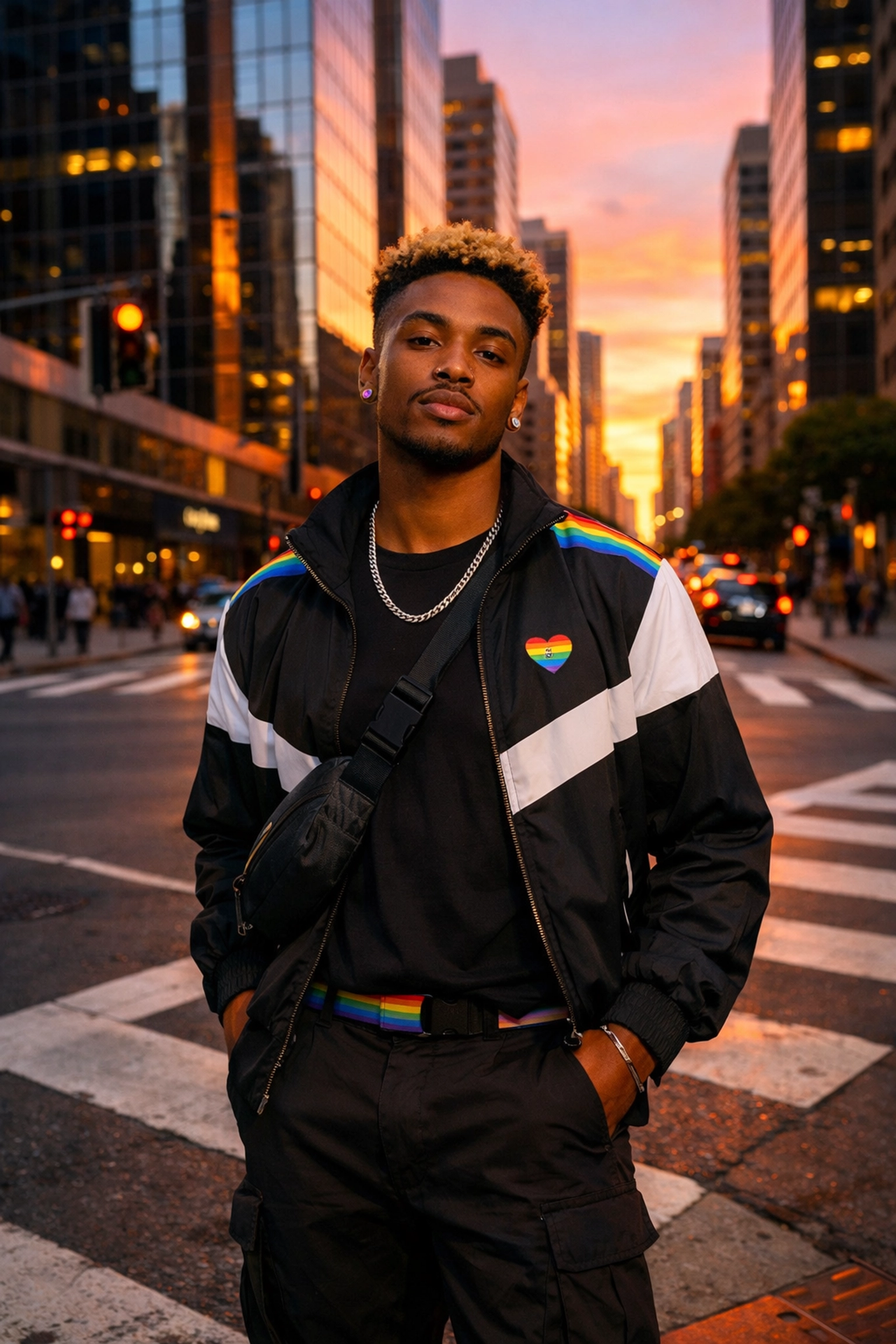
The future goals are clear: we need policy change, cultural shifts, and a commitment to honoring the full spectrum of queer identity. We need to invest in Black-led LGBTQ+ organizations, support grassroots activism in countries where being gay is still illegal, and tell the real stories of who built this movement. We need to read more MM romance books and gay fiction that centers Black characters: stories that reflect the diversity and complexity of queer life.
At Read with Pride, we're committed to uplifting those voices. Whether it's through LGBTQ+ ebooks, gay romance novels, or contemporary queer fiction, representation matters. When Black gay men see themselves as heroes, lovers, and protagonists: not just side characters or trauma narratives: it shifts the culture.
A Call to Action
If you're reading this and you're not Black, ask yourself: What am I doing to support Black LGBTQ+ leadership? Am I amplifying their voices or talking over them? Am I challenging anti-Blackness in my communities?
And if you're reading this as a Black gay man: your existence is resistance. Your joy is revolutionary. You deserve to take up space, to love freely, and to be celebrated: not despite your intersecting identities, but because of them.
Pride wouldn't exist without Black gay men. It's time the movement: and the world: acted like it.
Find more LGBTQ+ stories and perspectives at readwithpride.com. Follow us on Instagram, Facebook, and X for daily updates, book recommendations, and community conversations.
#ReadWithPride #BlackPride #LGBTQActivism #PrideMovement #BlackGayMen #QueerHistory #IntersectionalPride #MMRomance #GayFiction #LGBTQBooks #QueerLeadership #PrideHistory #BlackLGBTQ #GayRomanceBooks #LGBTQHistory #MarshaP Johnson #BayardRustin #StonewallUprising #QueerActivism #LGBTQCommunity

Leave a Reply
You must be logged in to post a comment.