

readwithpride.com
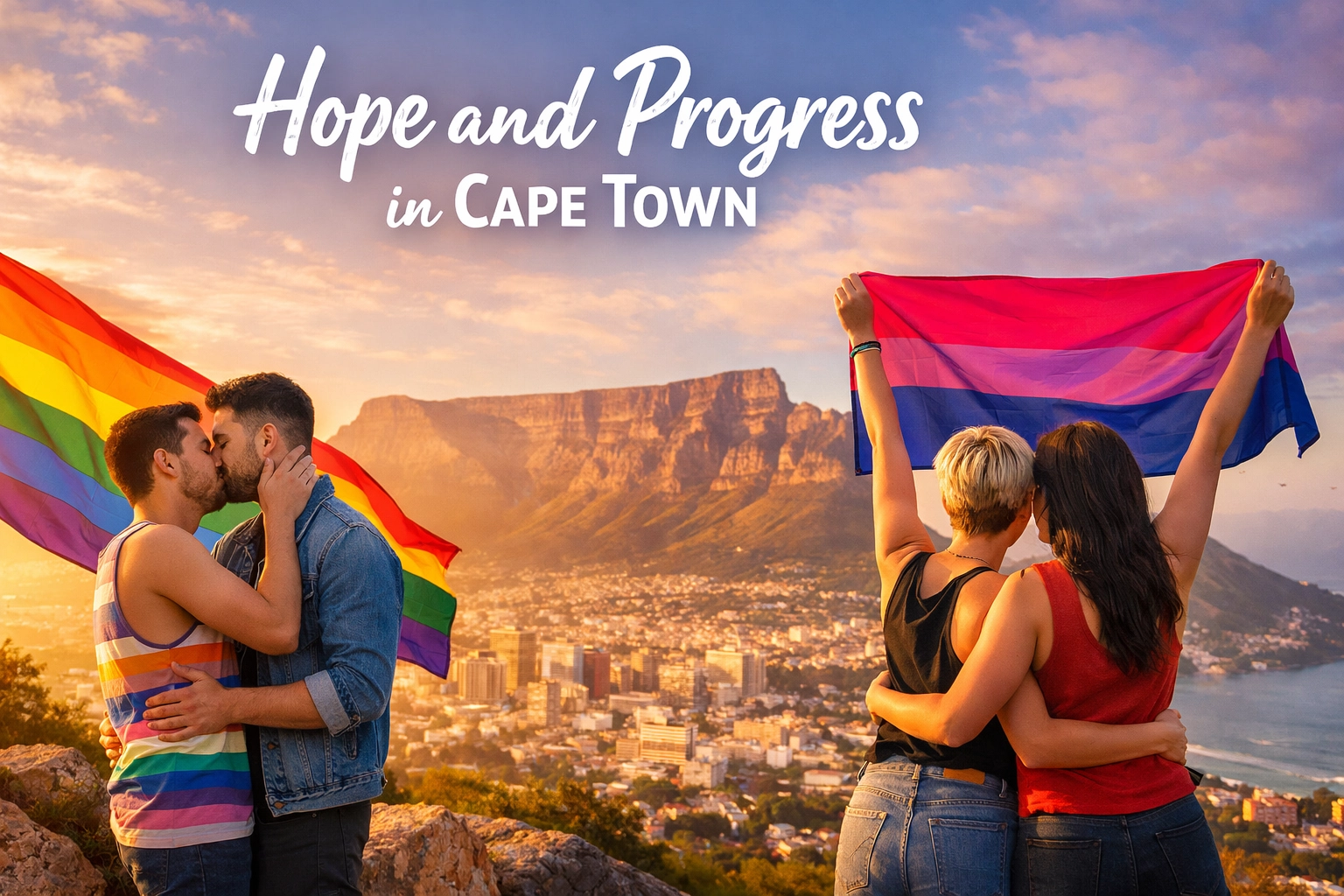
When you think about LGBTQ+ rights in Africa, Cape Town often stands out as a beacon of progress. But here's the thing, the story of Black gay life in Cape Town isn't just about rainbow flags and pride parades. It's about resilience, survival, and the slow, hard-won victories that come after decades of fighting not one, but multiple systems of oppression.
Let's be real: being Black and gay in South Africa means navigating a complex intersection of identities in a country still healing from the deep wounds of apartheid. But there's something extraordinary happening in Cape Town right now, a genuine sense of hope that wasn't always there.
The Weight of History
You can't talk about progress without understanding where we've been. Under apartheid, Black South Africans were dehumanized, segregated, and denied basic rights. Now add being queer to that equation. The townships were survival zones where anything seen as "other" could put a target on your back. Traditional attitudes, religious conservatism, and the trauma of colonization all converged to make life incredibly dangerous for Black LGBTQ+ people.
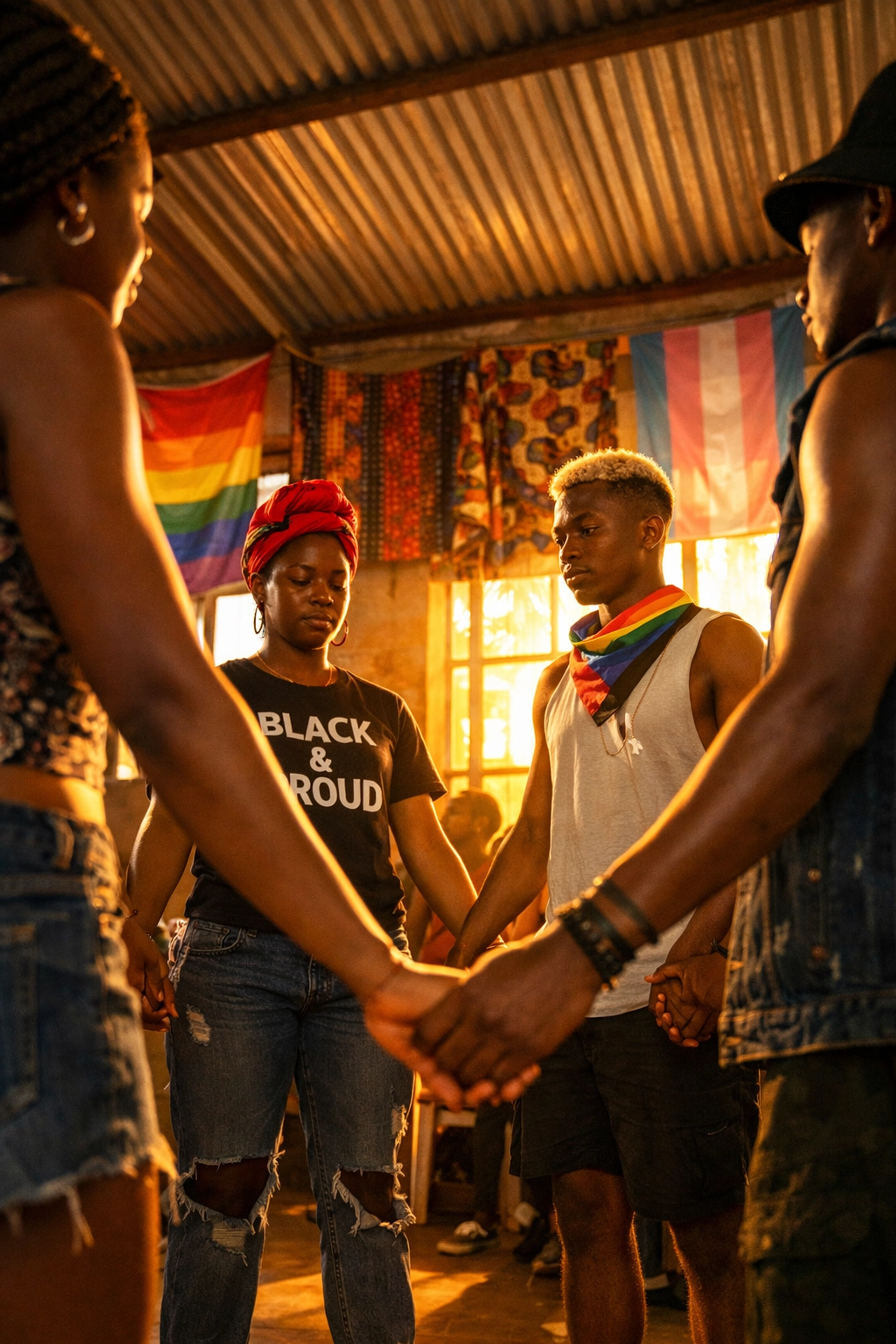
The infamous practice of "corrective rape", a hate crime targeting lesbians, became a horrifying reality in many communities. Activists like Eudy Simelane, a Black lesbian soccer player, paid the ultimate price for living authentically. These aren't just statistics; they're stories of real people who deserved so much better.
But here's where Cape Town's story gets interesting. Even in the darkest times, there were always people refusing to be erased.
Constitutional Protection vs. Lived Reality
South Africa has one of the most progressive constitutions in the world. In 1996, it became the first nation to explicitly prohibit discrimination based on sexual orientation. By 2006, same-sex marriage was legal. On paper, South Africa looks like a queer paradise.
But here's what the gay romance novels don't always tell you: legal rights and lived experiences can be worlds apart. While Cape Town's city center might feel like a safe haven with its vibrant gay scene, the townships tell a different story. This isn't unique to South Africa, it's the reality for Black LGBTQ+ folks worldwide, where race, class, and geography intersect to create vastly different experiences.
Building Community, Block by Block
What makes Cape Town special right now is the grassroots work happening in communities that have been historically marginalized. Organizations are creating safe spaces specifically for Black queer youth. Support groups are forming. People are telling their stories out loud.
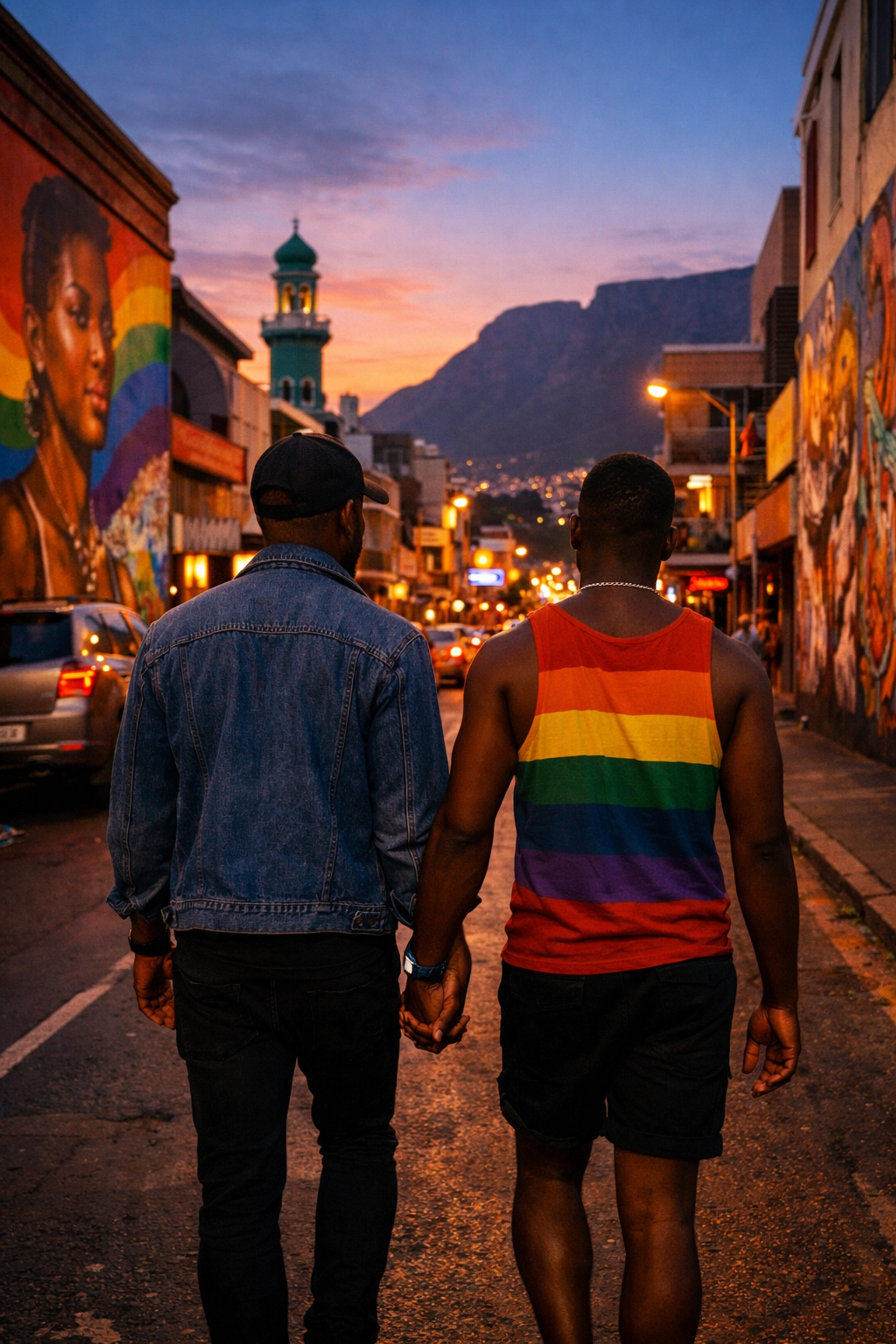
There's something powerful about seeing yourself reflected in your community. When a young Black gay man in Khayelitsha can find a mentor, attend a support group, or just be around people who get it, that's revolutionary. When Black lesbians in Langa can organize and advocate for themselves without fear, that's progress you can feel.
The city's infrastructure improvements and economic development (with billions in investment heading toward transport, water, and energy projects) aren't just about fancy developments. Better lighting, improved public transport, and more economic opportunities all contribute to safety and dignity for marginalized communities. When people have resources and visibility, they're harder to push into the shadows.
The Arts as Resistance
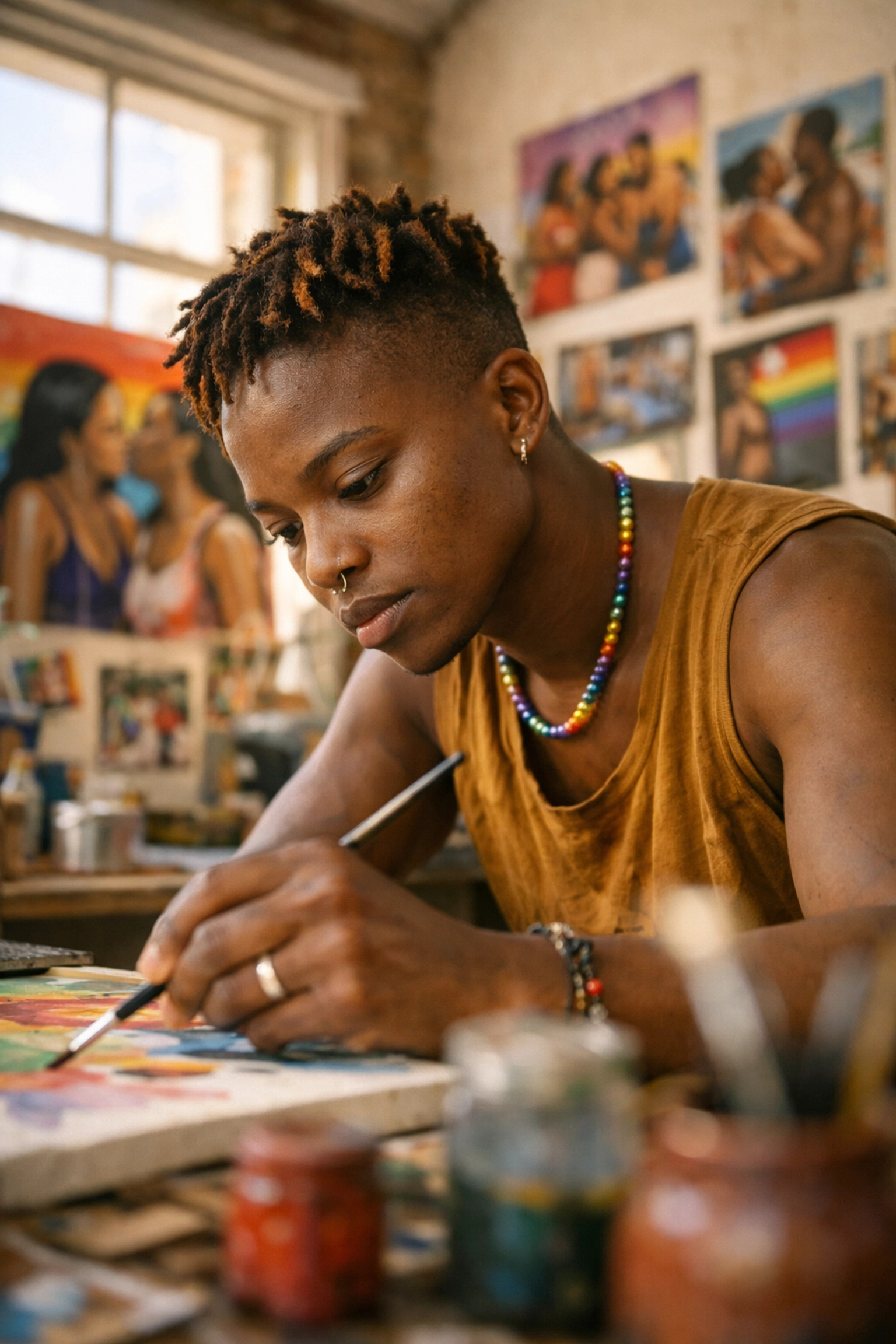
Cape Town's creative scene is absolutely thriving, and Black queer artists are at the forefront. Photography, performance art, poetry slams, these aren't just entertainment. They're acts of resistance and visibility. When a Black drag queen takes the stage in Observatory or a queer photographer exhibits work documenting township life, they're claiming space that was denied to them for generations.
This is the kind of storytelling that matters. Not just MM romance books set in generic Western cities (though we love those too at Readwithpride.com), but authentic narratives that reflect the full spectrum of Black gay experiences in South Africa. The joy, the pain, the complexity.
Challenges That Remain
Let's not sugarcoat this: there's still a long way to go. Homophobia persists, particularly in more conservative communities. Transphobia is rampant. Black trans women face disproportionate violence. Poverty and unemployment hit Black queer folks especially hard.
The justice system, while legally supportive, doesn't always protect LGBTQ+ people in practice. Hate crimes go unreported or unprosecuted. Mental health resources remain scarce. HIV stigma continues to devastate the Black gay male community.
And here's something that doesn't get talked about enough: the brain drain. Many educated, out Black LGBTQ+ South Africans leave for perceived safer countries. That's a loss of leadership, talent, and potential role models that communities desperately need.
What Hope Actually Looks Like
But here's why we're calling this progress: visibility is increasing. More Black South Africans are coming out. More families are learning to accept their LGBTQ+ children. More churches are reconsidering their stances. It's incremental, it's imperfect, but it's happening.
Cape Town's property market boom and the city's growing international reputation as a destination city bring mixed blessings. Yes, gentrification is pushing long-time residents out of central neighborhoods. But increased visibility and tourism also normalize LGBTQ+ presence in ways that trickle down to broader acceptance.
The fact that Cape Town can host major Pride events, that queer-owned businesses thrive in certain neighborhoods, that there are openly gay public figures: these things matter. Representation isn't everything, but it's not nothing either.
Looking Forward
As we move through 2026, Cape Town stands at a crossroads. The city's economic growth, infrastructure investment, and progressive reputation offer genuine opportunities. But the question remains: will this progress be inclusive? Will the Black queer community share in the prosperity, or will they continue to be sidelined?
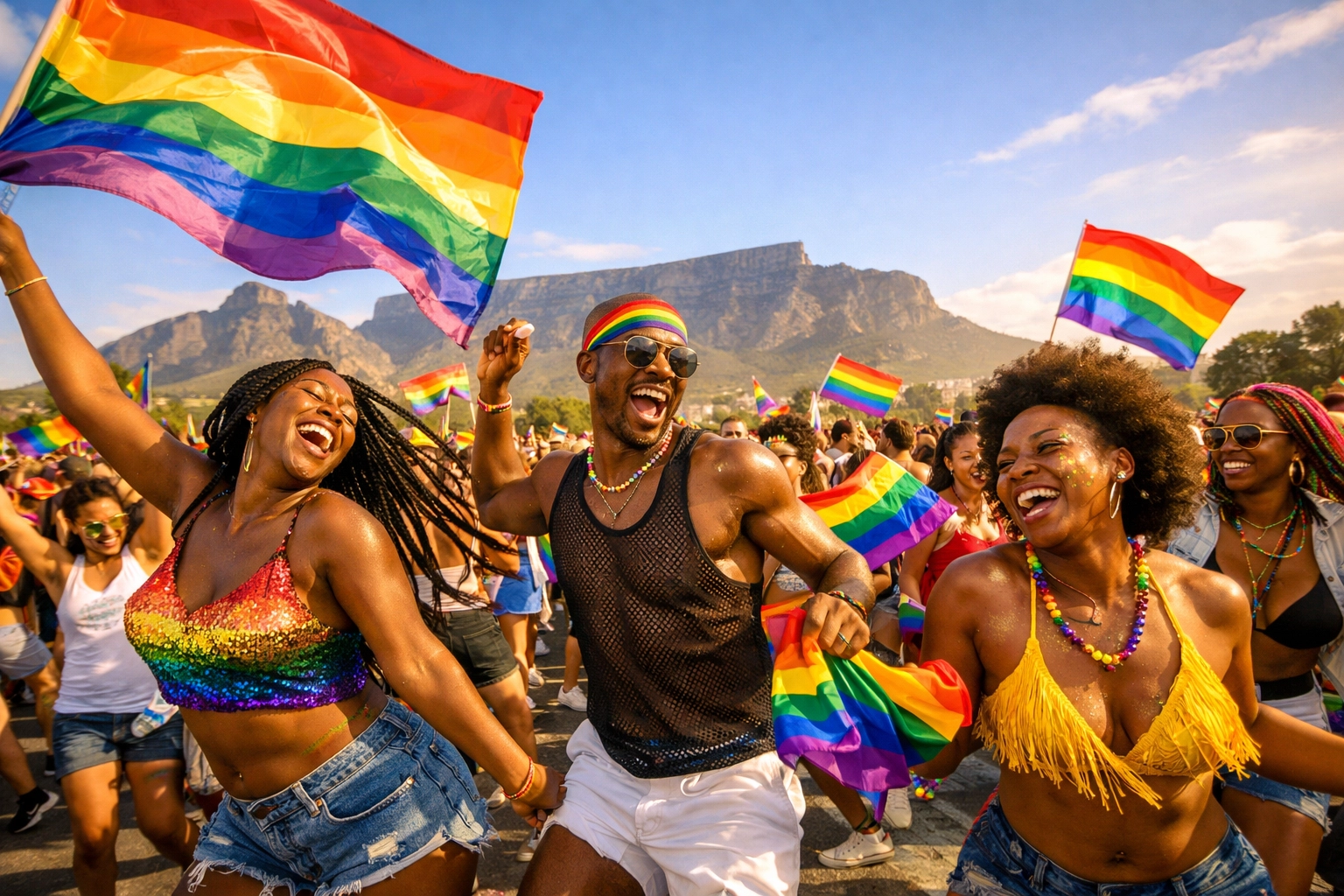
The answer depends on intentional action. It requires policies that specifically address the intersection of race, sexuality, and class. It needs funding for Black-led LGBTQ+ organizations. It demands protection enforcement, not just laws on paper. And it calls for education that dismantles both racism and homophobia from the ground up.
For young Black queer people growing up in Cape Town today, the world is different than it was for previous generations. They have legal protections their grandparents couldn't imagine. They can see people who look like them living openly. They can access (limited but growing) resources and community.
That's not to say their path is easy. Being Black and gay anywhere comes with unique challenges: the exhaustion of code-switching, the pain of rejection from your own community, the weight of representing both identities simultaneously. But in Cape Town, there's at least a fighting chance.
The Power of Stories
This is why platforms like Readwithpride.com matter. LGBTQ+ fiction, particularly MM romance books and gay novels that feature diverse characters and settings, helps people see beyond their immediate circumstances. When a young Black gay man in Mitchell's Plain picks up a book featuring someone like him finding love and happiness, it plants a seed of possibility.
The best gay romance novels aren't just escapism: they're blueprints for what life could be. They remind us that happy endings aren't just for white couples in Manhattan penthouses. They're for everyone who dares to love authentically.
Cape Town's story is far from finished. But right now, in this moment, there's genuine hope. Not the naive kind that ignores ongoing struggles, but the hard-earned hope that comes from seeing real change, however slow. The kind of hope that says: we're here, we're not going anywhere, and we're building something better.
Want to stay connected with LGBTQ+ stories and voices from around the world? Follow us on Instagram, Facebook, and Twitter for daily inspiration, book recommendations, and community highlights.
#LGBTQAfrica #BlackGayPride #CapeTownPride #QueerAfrica #BlackLGBTQ #MMRomance #GayRomanceBooks #ReadWithPride #LGBTQProgress #QueerStories #BlackQueerJoy #AfricanPride #LGBTQBooks #GayFiction #QueerVisibility #Readwithpride

Leave a Reply
You must be logged in to post a comment.