

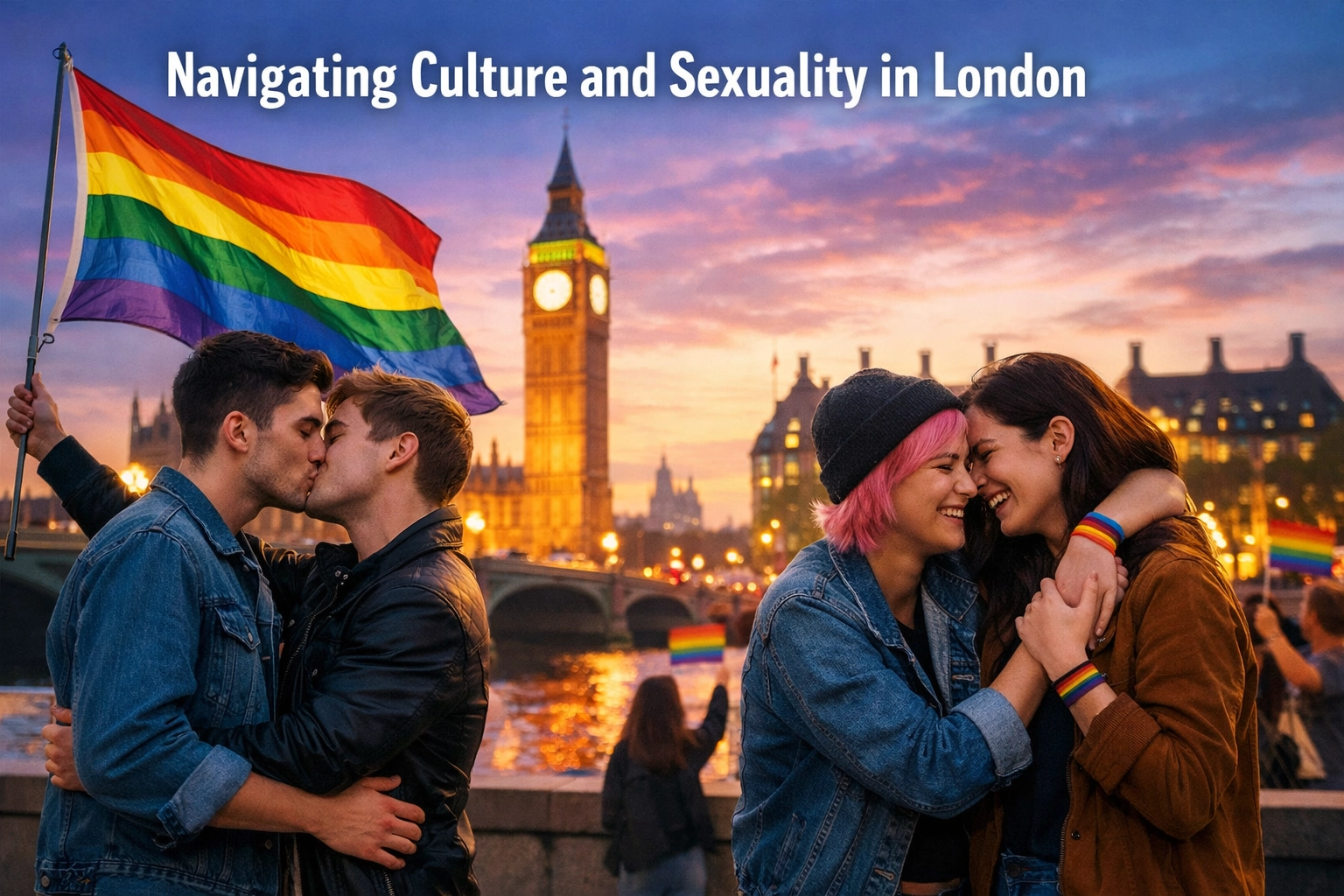
readwithpride.com
The first time Marcus walked into a gay bar in Soho, he counted. Three other Black faces in a sea of white. He'd been out for two years by then, but somehow, standing there with a warm pint in his hand, he felt more alone than he ever had in the closet.
Being Black and gay in London isn't just about navigating two identities, it's about existing in the narrow space where those identities intersect, often feeling like you don't quite fit anywhere. The gay scene says it's inclusive, but the Grindr profiles tell a different story. "No blacks, no Asians" might be less common now, but the sentiment hasn't vanished, it's just gotten more polite, more coded. Meanwhile, back home in Peckham, his mum still asks about girlfriends at Sunday dinner, and his uncle makes jokes that land just wrong enough to sting.
The Weight of Two Worlds
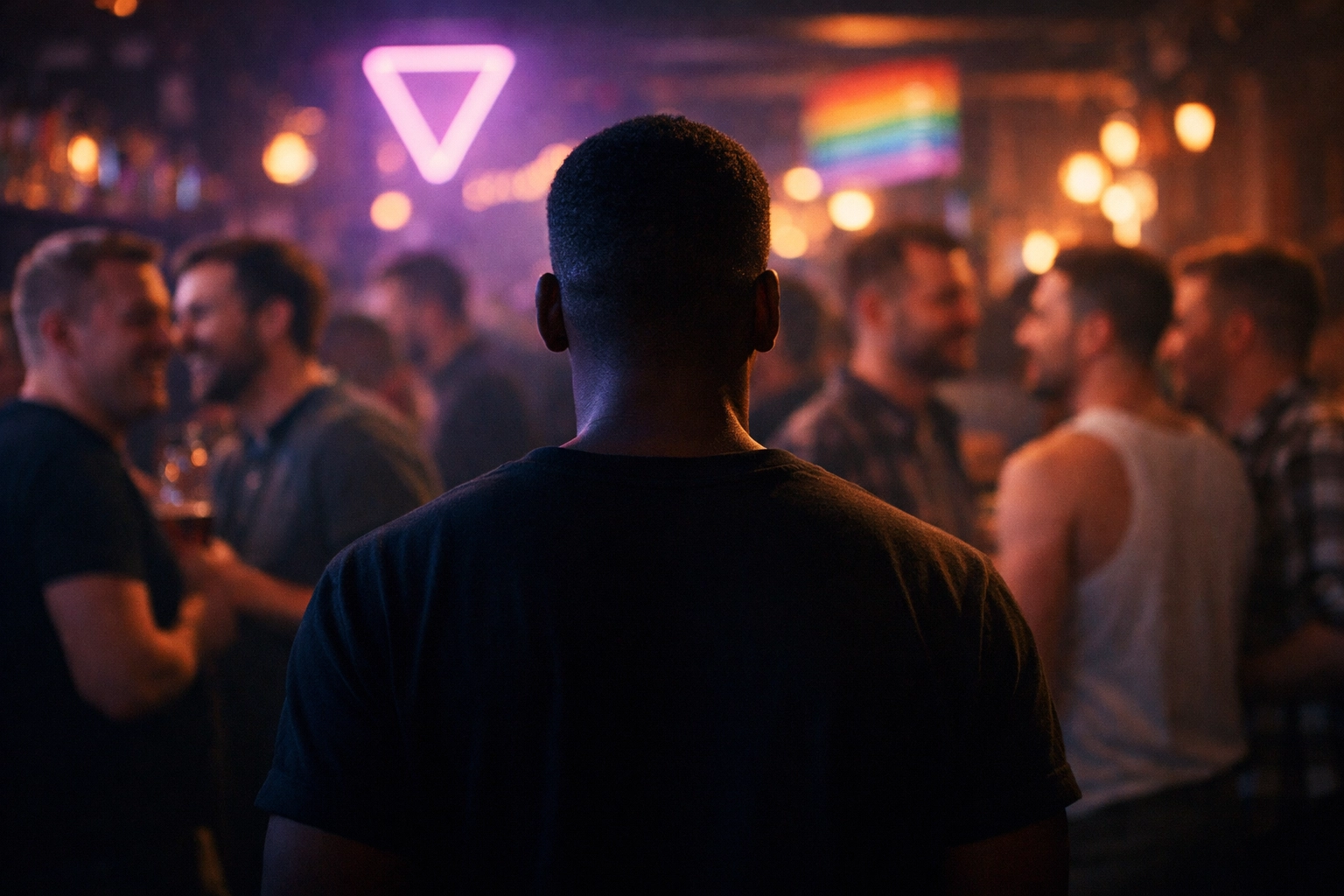
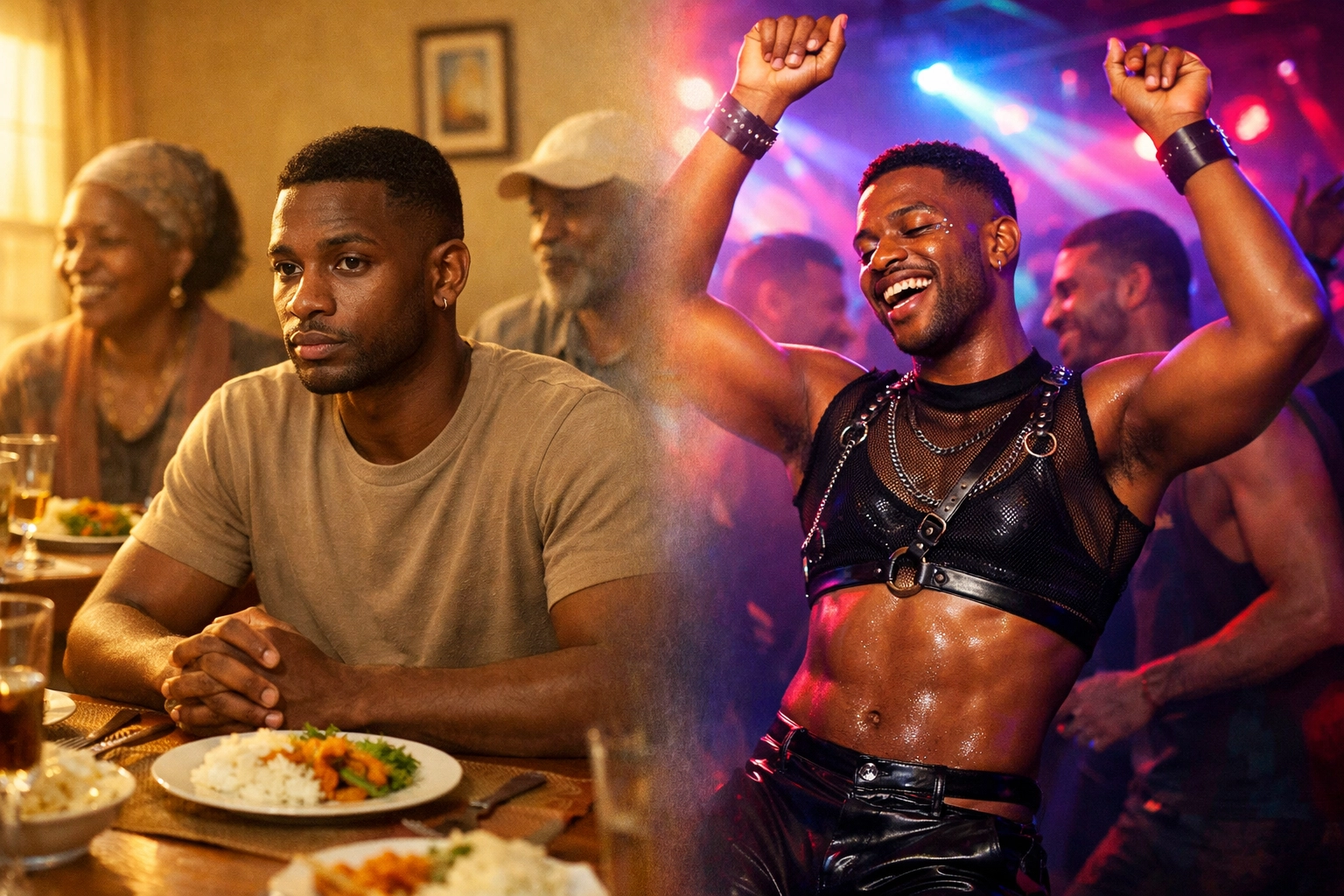
There's this thing that happens when you're Black and queer in London: you become a translator between worlds. At the family barbecue, you tone down the parts of yourself that feel too gay. At Pride, you navigate spaces that weren't really built with you in mind. You code-switch so often it becomes exhausting, this constant recalibration of who you can be in any given moment.
Marcus remembers his grandmother's face when he tried to explain what being gay meant. Not angry, not disgusted, just confused. In her world, in the Jamaica she left behind and carried with her to Brixton, this wasn't a thing that existed. Or if it did, it wasn't spoken about. The church had been clear on that point. So he learned to be two people: the dutiful grandson who showed up for Sunday service, and the man who stayed out until 3 AM at Heaven on Saturday nights.
The thing about London's LGBTQ+ scene is that it can feel simultaneously vast and impossibly small. You've got Soho with its rainbow crossings and overpriced cocktails, Vauxhall with its underground clubs and darker edges, and scattered pockets across East London where the queers and the artists overlap. But finding your place within that geography when you're Black and gay? That's a different map entirely.
Where History Meets the Present
London loves to celebrate its queer history, and it should. Places like Queer Britain museum showcase over a century of LGBTQ+ life, activism, and culture. But when Marcus walked through those exhibitions, he noticed something: the history on display was overwhelmingly white. The activists, the artists, the preserved artifacts, they told one version of the story, but not his.
Black queer history exists in London, vibrant and vital, but it lives in different spaces. It's in the blues parties that provided safe havens when white gay bars wouldn't let Black men through the door. It's in the ballroom scene that found its London home, offering chosen families to those rejected by their own. It's in the whispered stories of West Indian men who loved other men but never had the language or safety to say it out loud.
During LGBT+ History Month each February, London puts on a good show. The 2026 theme of Science and Innovation highlights how technology shapes queer futures. But Marcus wonders about the innovations that aren't celebrated, the ways Black queer people have always innovated survival strategies, created underground networks, built community where none existed.
The Dating Minefield
Let's talk about what nobody wants to say out loud: dating while Black and gay in London is its own special kind of hell. The apps are brutal. "Just a preference" is the refrain that excuses racial exclusion. Or worse, you become a fetish, BBC this, BBC that, like you're not a whole person but a collection of racist stereotypes wrapped in skin.
Marcus learned to spot them quickly: the guys who'd match with him but only wanted to meet at their place after midnight. The ones who'd say things like "I've never been with a Black guy before" like it was meant to be flattering. The profile pics that might as well have been cropped from a diversity training manual, desperate to prove their progressive credentials.
And then there are the spaces themselves. Two Brewers in Clapham, the RVT in Vauxhall, the various bars and clubs that make up London's gay infrastructure, they're not hostile, exactly. But they're not always welcoming either. It's the subtle things: security guards who check your ID twice, the way conversations stop when you approach a group, the assumption that you're more likely to cause trouble.
Finding other Black gay men became essential for Marcus. Not because he only wanted to date within his race, though Caribbean mums have complicated feelings about that too, but because sometimes you need to be around people who just get it. Who understand why you tense up when someone touches your hair without asking. Who know the specific exhaustion of explaining yourself constantly.
Creating Space, Finding Family
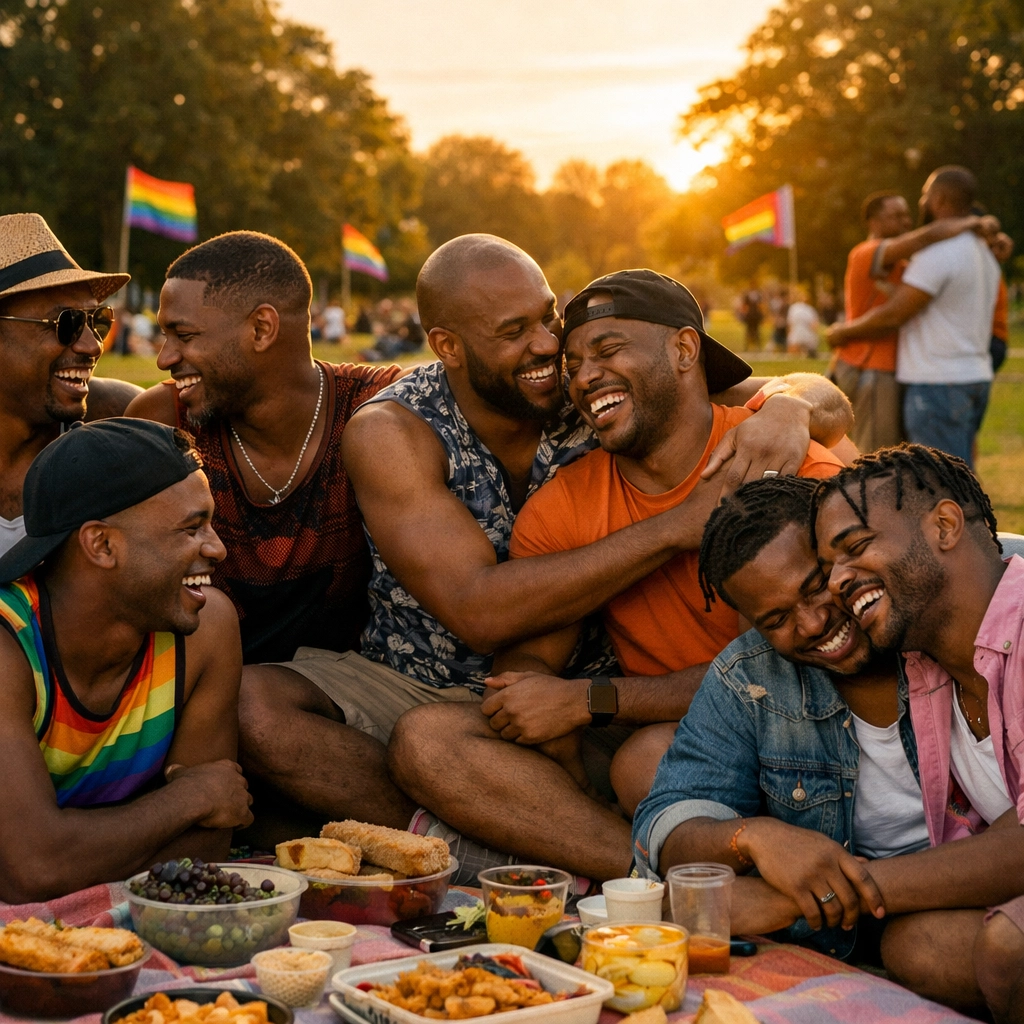
The thing about being pushed to the margins is that you learn to build your own center. London's Black queer community has carved out spaces within spaces, parties within parties. They're not always easy to find if you don't know where to look, but they exist: poetry nights in Deptford, voguing workshops in community centers, barbecues in Burgess Park where you can be fully yourself.
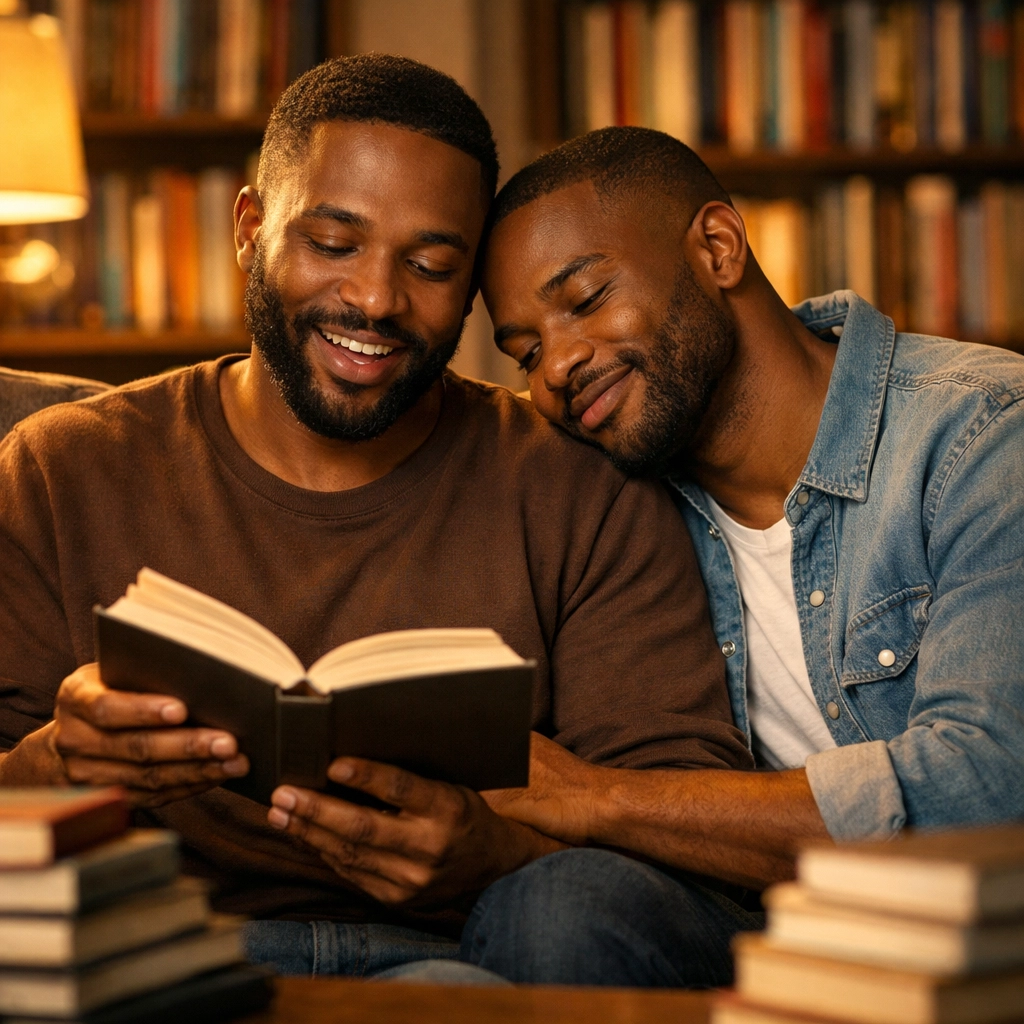
Marcus found his people eventually. A friendship group that formed around a book club, yes, a gay book club that actually focused on queer fiction and MM romance books by Black authors. They'd meet monthly at someone's flat, passing around worn copies of novels that told stories they recognized. Stories about men like them, navigating love and identity and family and sexuality without having to choose which parts of themselves to diminish.
There's something powerful about seeing yourself reflected in fiction when the world keeps telling you you're invisible. The MM romance genre has slowly started including more diverse voices, more stories that acknowledge race isn't just a detail but shapes everything about how we move through the world. Those books became lifelines for Marcus and his friends, proof that their experiences mattered enough to be written down, published, celebrated.
The Ongoing Work
Being Black and gay in London in 2026 is different than it was a decade ago, but the work isn't finished. The city's queer spaces are slowly becoming more aware of their blind spots, more intentional about inclusion. But awareness isn't enough: it's what you do with it that matters.
Marcus still goes to Soho sometimes, still navigates those overwhelmingly white spaces. But he's learned to do it on his terms, bringing his friends, refusing to shrink himself down. He's learned that belonging isn't something that gets granted: it's something you claim, space by space, conversation by conversation.
And he's learned that his identity isn't a burden or a complication. Being both Black and gay isn't about choosing between two halves: it's about being fully himself, complex and complete. London is learning to make room for that. Slowly, imperfectly, but it's happening.
The city's rainbow flags fly year-round now, not just during Pride. Community organizations are centering voices that were previously pushed to the margins. Younger Black queer kids have more examples, more visibility, more possibility than Marcus had growing up. It's not perfect: not even close: but it's something.
Because at the end of the day, London is home. Complicated, frustrating, occasionally magical home. And Marcus has decided he's not going anywhere.
For more stories celebrating the full spectrum of queer experiences, visit readwithpride.com and explore our collection of diverse LGBTQ+ fiction and MM romance books that reflect the real, complex lives we lead.
Connect with us:
Facebook | Instagram | Twitter/X
#BlackQueerVoices #LGBTQLondon #MMRomance #ReadWithPride #QueerFiction #BlackAndGay #LGBTQHistory #GayRomanceBooks #QueerLondon #IntersectionalPride #GayBooks #LGBTQReads #QueerCommunity #GayLiterature #BlackLGBTQ

Leave a Reply
You must be logged in to post a comment.