

readwithpride.com
Long before dating apps and rainbow crosswalks, before Stonewall became a household name, there was a stretch of abandoned waterfront in Manhattan where gay men could simply exist. The West Side Piers in the 1970s weren't glamorous, they were rotting, dangerous, and mostly forgotten by the city. But to the men who gathered there after dark, they were everything.
A Sanctuary in the Shadows
The Hudson River piers between Christopher Street and the 30s had been left to decay after the shipping industry moved out. What remained were crumbling wooden structures, rusted metal, and empty warehouses that the city seemed happy to ignore. And in that neglect, the gay community found something precious: space to breathe.
During an era when police raids on gay bars were routine, when holding hands could get you arrested, and when being outed meant losing your job, family, and future, the piers offered something radical, anonymity and freedom. No bouncer checking IDs. No undercover cops taking notes. Just the river, the night, and whoever else was brave enough to show up.
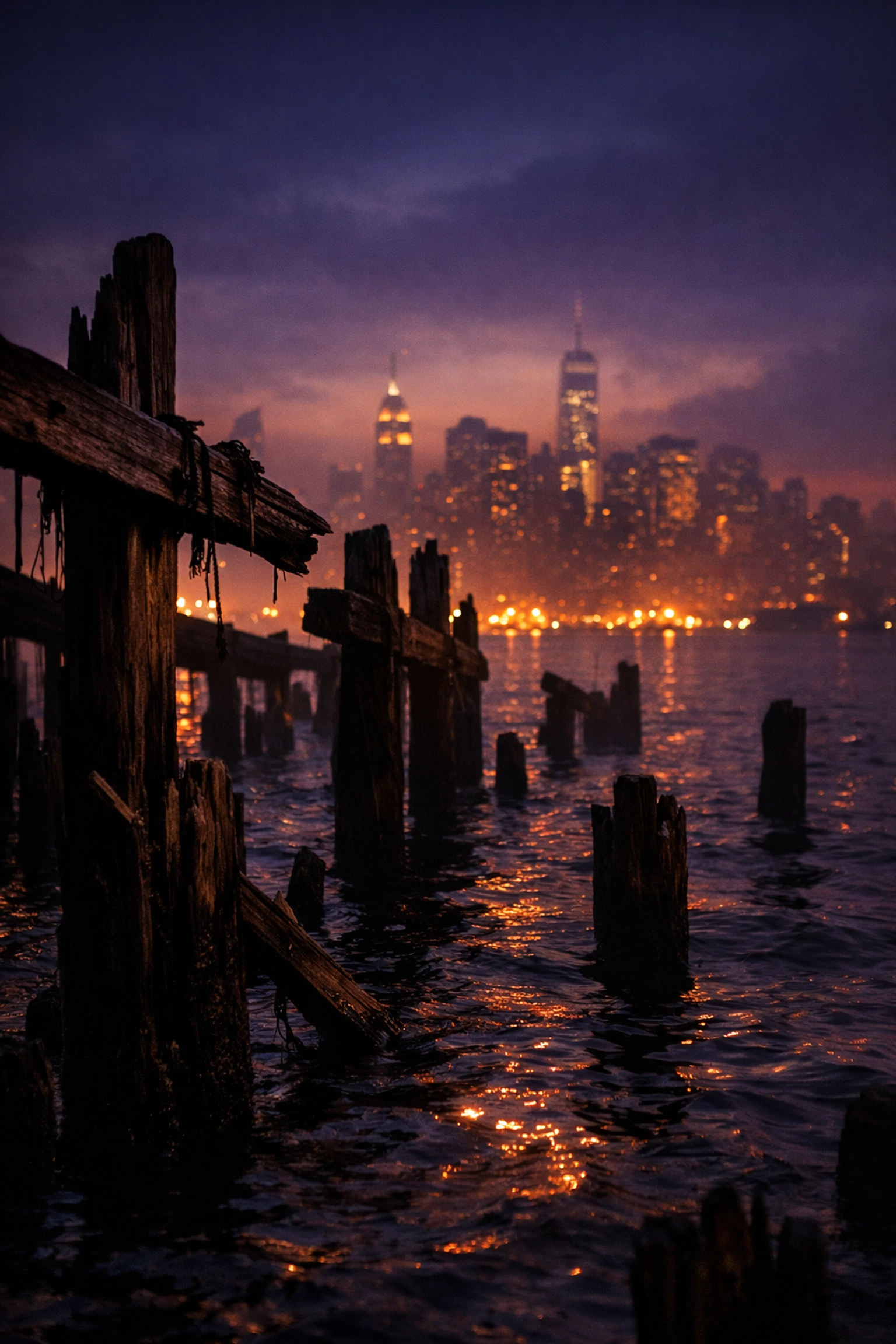
The geography itself was liberating. You could see someone approaching from a distance. Multiple exits meant escape routes if needed. The darkness provided cover, while the moonlight reflecting off the Hudson offered just enough illumination to make eye contact, to signal interest, to find connection.
The Rituals of Arrival
Going to the piers wasn't casual. It required intention, courage, and usually a cover story for where you were spending your evening. Men would arrive by subway, emerging from the Christopher Street station and walking west toward the water, their hearts pounding with anticipation and fear in equal measure.
Some came dressed for cruising, tight jeans, leather jackets, the uniform that signaled you were part of the tribe. Others arrived straight from office jobs in Midtown, still wearing suits and ties, desperate for any moment of authentic connection before returning to their carefully constructed straight lives.
The unspoken rules were learned through observation. Where to stand. How long to linger. The language of glances, of turning toward or away, of following or staying put. It was a complex social choreography performed without words, because words could be evidence, could be used against you.
More Than Just Hook-Ups
The popular narrative reduces the piers to a cruising spot, but that misses the deeper truth. Yes, men came looking for sex, in a world that criminalized their desire, where else could they go? But they also came for something harder to quantify: community, recognition, the simple profound experience of being seen.
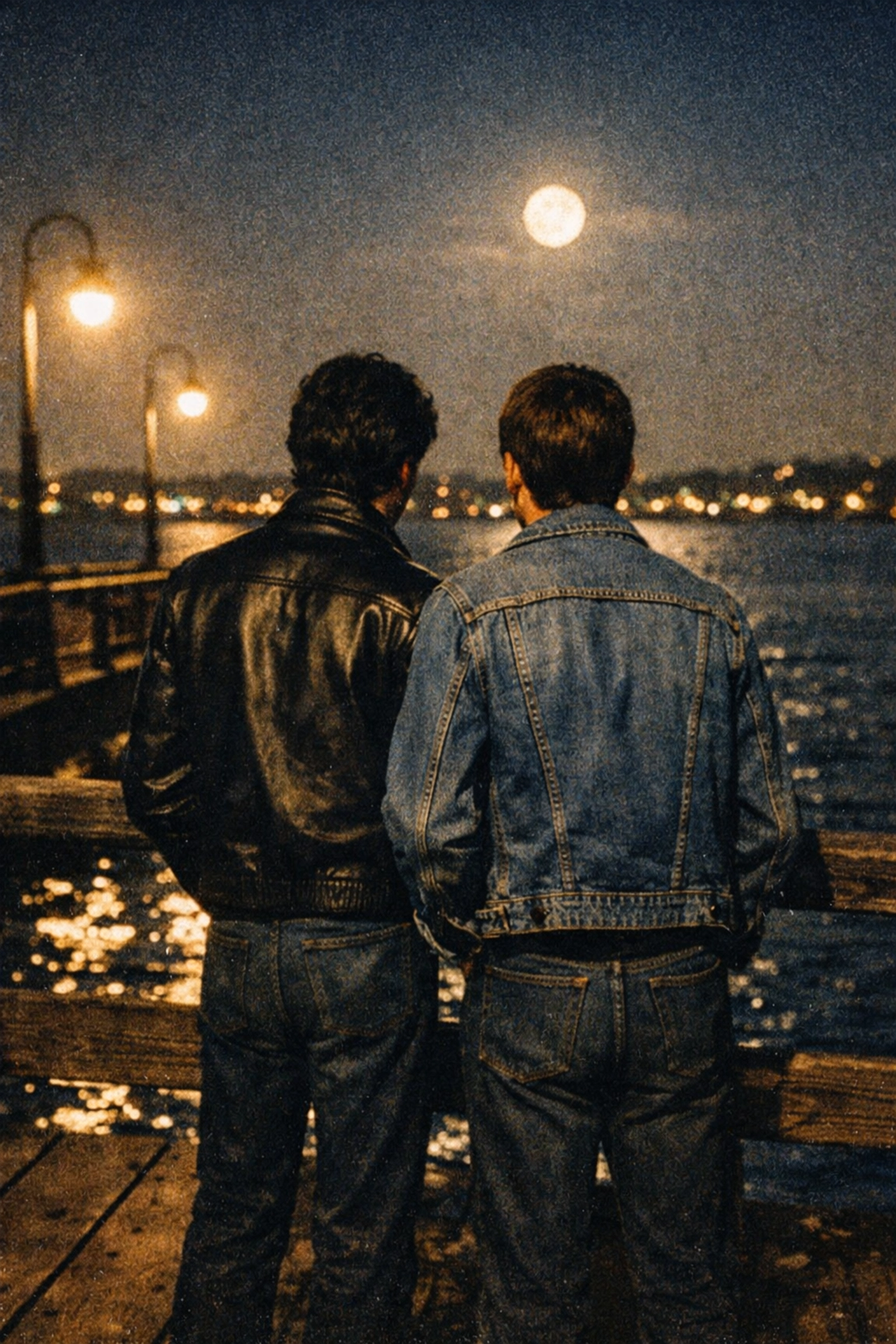
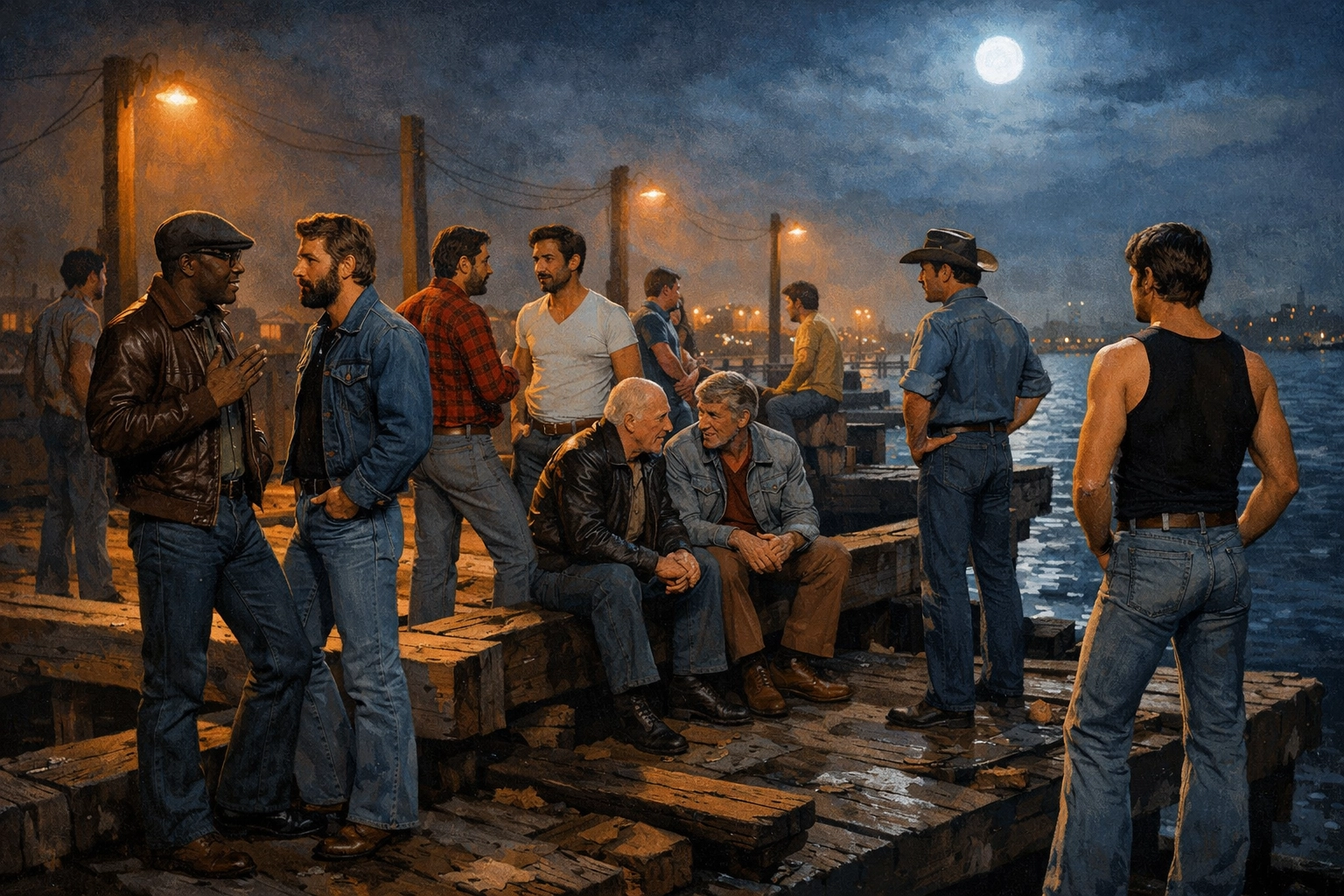
Young men figuring out their identities would stand at the edges, watching, learning that they weren't alone. Older guys who'd spent decades hiding found a place where they could drop the mask, even if just for an hour. Drag queens, leather daddies, twinks, bears, everyone who'd been told they were too much or not enough found space to exist exactly as they were.
People shared cigarettes and stories. They warned each other about which bars had been raided that week, which neighborhoods were getting dangerous, which employers were firing anyone suspected of being gay. Information passed between strangers became a survival network.
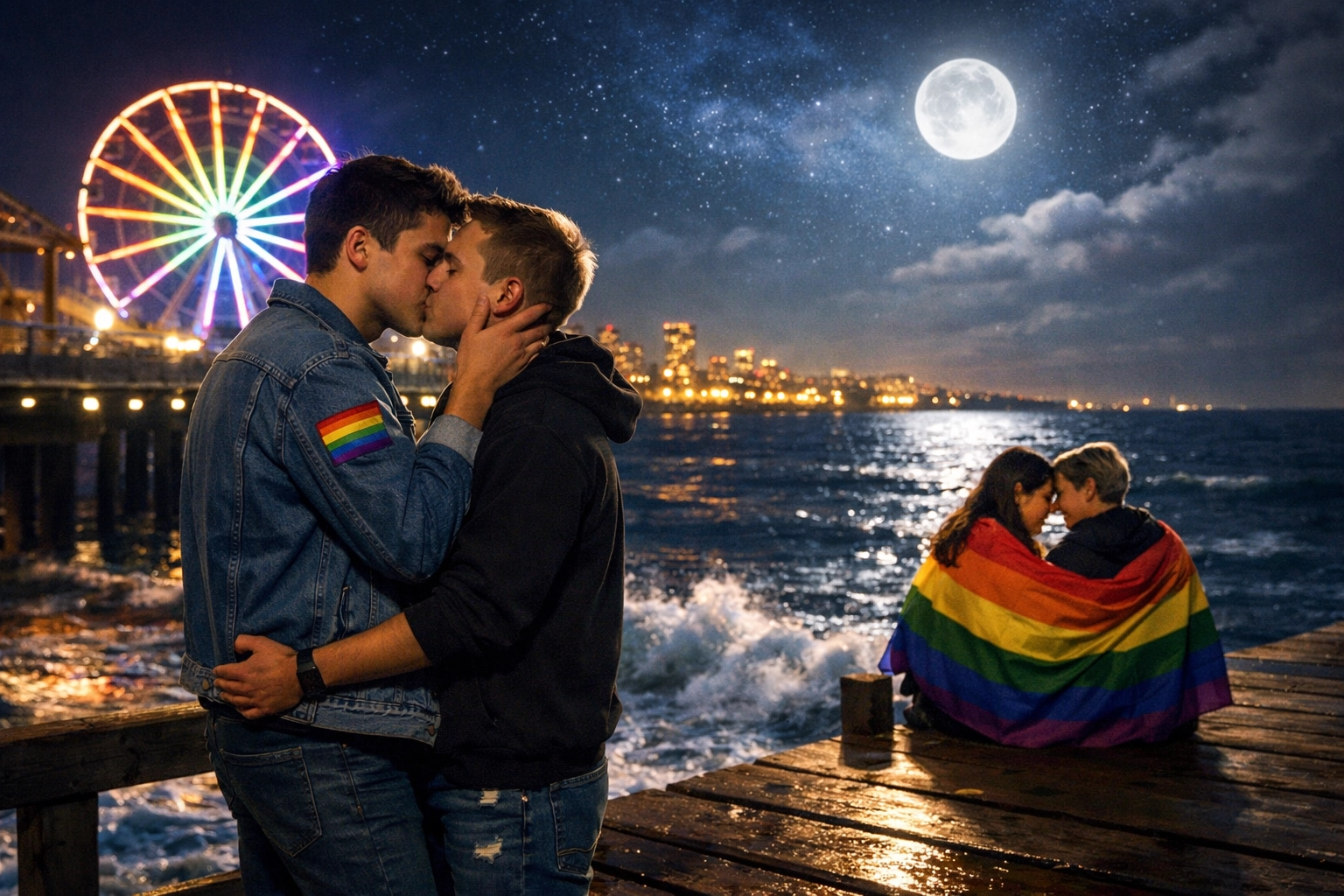
And yes, there was romance. Fleeting, urgent, precious romance. First kisses that tasted like salt air and possibility. Encounters that lasted a night but lived in memory for decades. Some men met their life partners on those piers. Others had their hearts broken there. Most experienced both.
The Dangers Were Real
Romanticizing the piers ignores the very real violence that occurred there. Gay bashers knew the piers were frequented by gay men and sometimes came hunting. Robberies happened. People were beaten, sometimes killed. The police offered no protection: they were often part of the problem.
Going to the piers meant accepting risk. You could be arrested for "loitering" or "public lewdness." Your name could end up in the newspaper, your life destroyed. You could be attacked and have nowhere to turn for help because reporting the crime meant explaining why you were there in the first place.
The piers attracted desperate people too: runaways, addicts, those with nowhere else to go. The sense of community coexisted with isolation and danger. Not every encounter was consensual. Not every night ended safely. The freedom came with a price that gay men were forced to pay simply for existing.
A Culture of Resilience
What's remarkable isn't that the piers were dangerous or illicit: it's that a community thrived there anyway. When society offers you nothing, you build something from scraps of wood and stolen moments. The West Side Piers represented gay resilience in its rawest form.
People created makeshift gathering spots in the warehouse ruins. Someone would bring a transistor radio and there'd be dancing. Summer nights turned into impromptu parties. Winter required more determination, but people still came, huddled together for warmth and companionship.
The piers had their own celebrities: people known by nicknames, legendary for their wit or their beauty or their kindness. Regulars who'd been coming for years became unofficial greeters, helping newcomers navigate the space, offering protection when needed.
This was gay culture being created in real-time, without permission or apology. The aesthetics, the language, the codes: so much of what would later become mainstream gay culture was forged in places like the piers by people who had no other choice.
The Legacy Lives On
The West Side Piers are mostly gone now, replaced by the High Line park and luxury condos. The city that ignored them when they were "useful" to the gay community suddenly found them valuable once real estate developers got interested. That's gentrification in action: making spaces safe and sanitized by erasing the people who needed them most.
But the spirit of the piers persists. It lives in every LGBTQ+ space that prioritizes community over profit. In every underground party, every chosen family, every moment when queer people create connection despite a world designed to keep us apart. The piers taught lessons about resilience, desire, and the human need for belonging that still resonate today.
For those who were there, the memories are complicated: beautiful and painful, liberating and traumatic, essential and impossible to fully explain. The piers represent a specific moment in gay history when survival and joy were inseparable, when showing up was an act of defiance, when community meant everything because it was all we had.
Reading about MM romance books and gay love stories on platforms like Read with Pride connects us to this legacy. The freedom to read openly about gay relationships, to celebrate LGBTQ+ fiction without hiding: our ancestors at the piers fought for that. Every romance novel, every happy ending, every story where queer characters get to exist fully honors the men who gathered on those rotting docks and refused to disappear.
The piers are gone, but what happened there matters. It matters that we remember, that we tell these stories, that we recognize the courage it took to be gay in a world that made it illegal. Those midnight encounters along the Hudson weren't just about sex or secrets: they were about finding yourself reflected in someone else's eyes and realizing you were going to survive.
Connect with us:
📚 https://readwithpride.com
📘 Facebook
🐦 Twitter/X
📸 Instagram
#ReadWithPride #GayHistory #LGBTQHistory #WestSidePiers #QueerHistory #MMRomance #GayRomanceBooks #LGBTQFiction #GayLoveStories #QueerCommunity #GayNewYork #1970sGayLife #LGBTQCulture #GayResilience #QueerLegacy #MMBooks #GayFiction #LGBTQEbooks #GayNovels #PrideHistory

Leave a Reply
You must be logged in to post a comment.